Reviewed · WALKING TOURS
Tübingen: Private Guided Walking Tour
Tübingen feels like two centuries at once. I like the Stockerkahn tradition and the way your guide links local stories to real places, so you walk away with a town that feels human, not textbook. The one catch: if you want only names, years, and dense facts, this tour leans more on lively storytelling than on timeline-heavy history.
This is a private guided walking tour that keeps a comfortable pace for 90 minutes, with a guide dedicated to your group only. The medieval center along the Neckar gives you great structure for photos and orientation, then the university town vibe explains why Tübingen still feels young. If the weather is bad, you may need to wear grippy shoes and accept fewer outdoor photo stops than you hoped.
In This Review
- Key highlights worth your attention
- Where the walk starts on Neckarbrücke
- Medieval streets along the Neckar, with student energy around them
- Stockerkahn: a riverboat tradition that makes the Neckar feel personal
- Eberhard Karl’s University and the scholars behind the town
- Castle Hohentübingen: a landmark you’ll understand, not just spot
- WWII survival and the Protestant collegiate’s notable students
- The guides matter: humor, dialect, and smart customization
- Value for money: $280 per group, up to 15 people, in 90 minutes
- Should you book this Tübingen private walking tour?
- FAQ
- Where does the tour start?
- How long is the tour?
- Is this a private tour?
- What languages are available?
- Are entrance fees included?
- What group size is the price based on?
Key highlights worth your attention
- Stockerkahn tradition on the Neckar: a distinctly Tübingen-style riverboat custom you’ll understand in context.
- Medieval old town, then student life: two moods in one walk, explained as you go.
- Notable residents and scholars: stories that connect people to the places they shaped.
- World War II survival: a resilient angle on the town’s modern face.
- Castle Hohentübingen as a landmark story: why it matters to locals, not just visitors.
Where the walk starts on Neckarbrücke
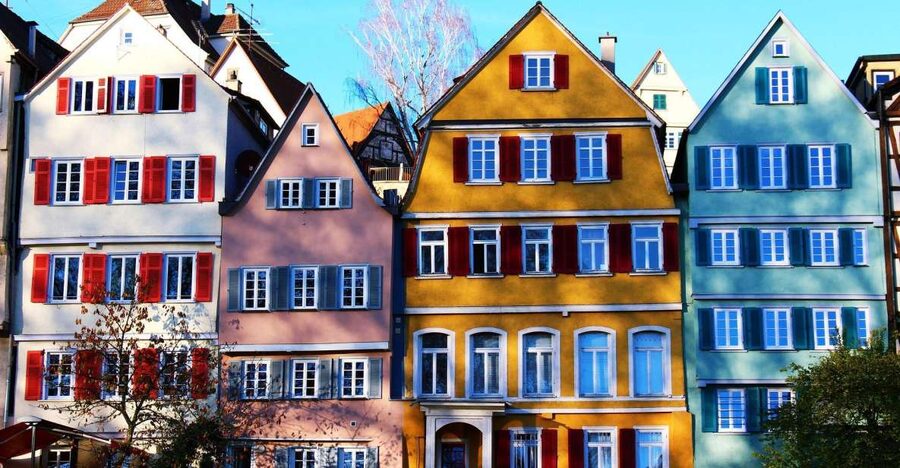
The tour meets in front of the tourist office at Neckarbrücke 1, 72072 Tübingen. That’s a smart starting choice because you’re already at the river connection point. From there, you’re set up to move into the old town without needing extra transit, which matters for a 90-minute format.
Pace is the real deal here. Ninety minutes sounds short, but it’s long enough to cover the main highlights on foot if your guide keeps things moving. For me, that’s a plus in a university town, where you can easily spend too long wandering without direction.
Because this is private, your group size stays flexible up to 15 people. That also means questions are easy. Want more time on a particular street scene or a specific topic like university life or the castle? Your guide can adjust on the spot.
More German cities at walking speed:
- Genussvoll durch Tübingen: Kulinarische Stadtführung
★ 4.1 · 4 reviews
Medieval streets along the Neckar, with student energy around them
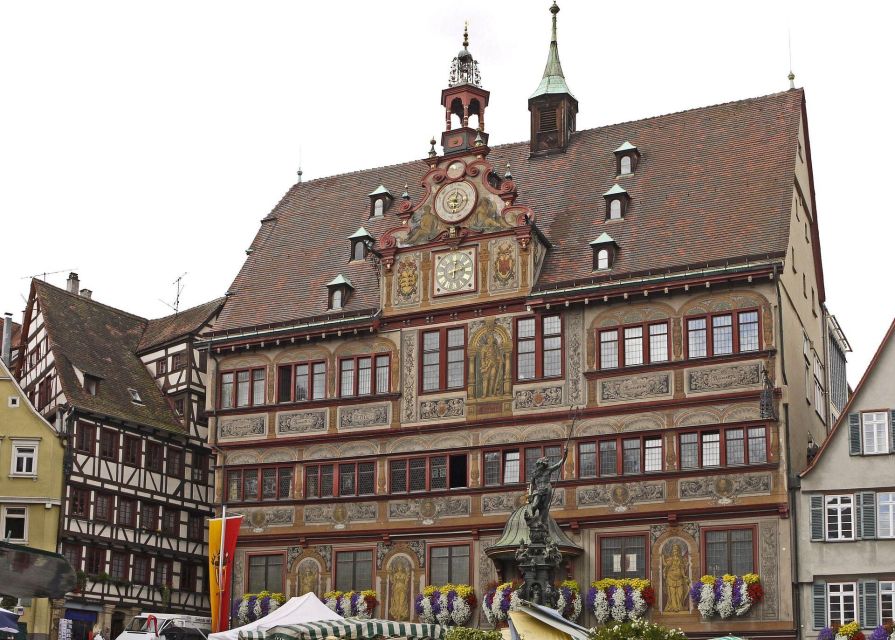
Tübingen’s charm comes from the contrast. You get medieval streets that look like they’ve been standing since the Middle Ages, while the town also runs on today’s student culture. That mix is not just atmosphere. In a good guided walk, it becomes an explanation for why the town feels both old and alive at the same time.
As you move through the medieval center along the Neckar River, you’ll see how the river shapes the town. Rivers tend to do that: they guide movement, trade, and daily life. Here, it also helps you understand why certain landmarks and traditions belong to the river, not to some far-off viewpoint.
Then, the guide ties in the university dimension. Eberhard Karl’s University anchors the city of today, and your tour uses that to connect people, ideas, and the daily rhythm of town life. You’ll end up seeing more than buildings. You’ll see the town’s operating system: old core, new students, same river.
One practical thought: this walk is outdoors for most of the time. If it’s raining, plan for slower viewing and less standing around. Good footwear helps, especially near river-adjacent paths.
Stockerkahn: a riverboat tradition that makes the Neckar feel personal
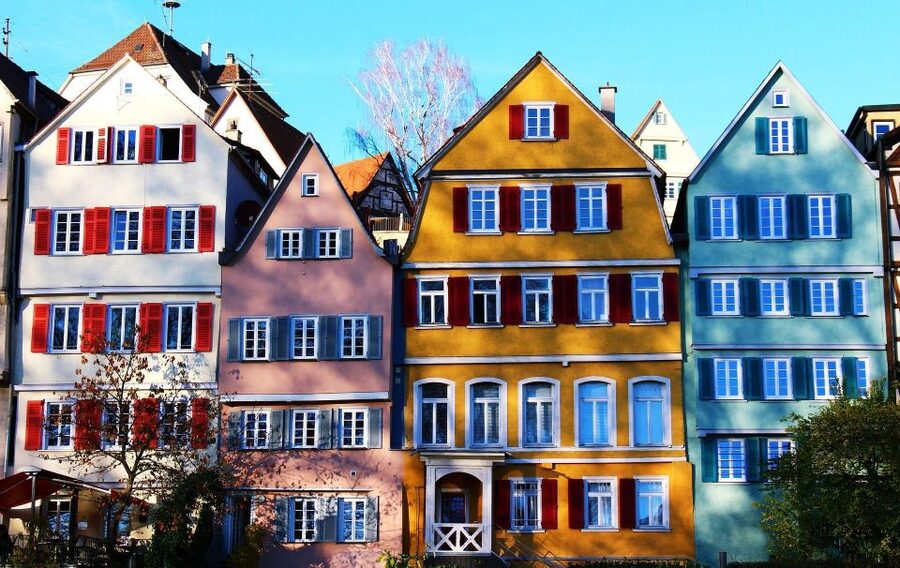
One highlight specifically calls out the Stockerkahn tradition. Even if you’ve never heard the name before, you’ll understand it as something local and lived, not a generic sightseeing boat. The Stockerkahn is part of how Tübingen relates to the Neckar, so the guide’s job is to explain what makes it distinct and why it’s remembered.
When a guide explains a tradition like this, it changes how you see the river. Instead of treating the Neckar as a scenic border, you start seeing it as a stage for town identity. That’s the value of bringing a story to a place you might otherwise just pass.
A small expectation-setting note: the tour description frames this as exploration and explanation, not as a guaranteed ticketed river ride. Entrance fees are not included, so if you’re hoping for a specific paid activity, you’ll want to ask your guide what is possible within the walk itself.
Eberhard Karl’s University and the scholars behind the town
Tübingen is known for its university, and your tour uses that to give the town a brain. Eberhard Karl’s University is mentioned as one of Germany’s famous and oldest universities, and the walk connects that fact to the lived presence of scholars and students.
You’ll hear about notable residents and scholars who shaped the town. That’s important because it explains why Tübingen doesn’t feel like a museum town. Academic life keeps feeding new energy into the streets.
This portion also helps you make sense of what you’re seeing at street level. University towns often have a specific kind of culture: conversations spilling into public spaces, traditions that grow out of study, and famous names that show up in everyday settings. Even if you don’t memorize every detail, you’ll start noticing patterns, like which areas feel more like student life and which areas feel like older, institutional power.
Castle Hohentübingen: a landmark you’ll understand, not just spot
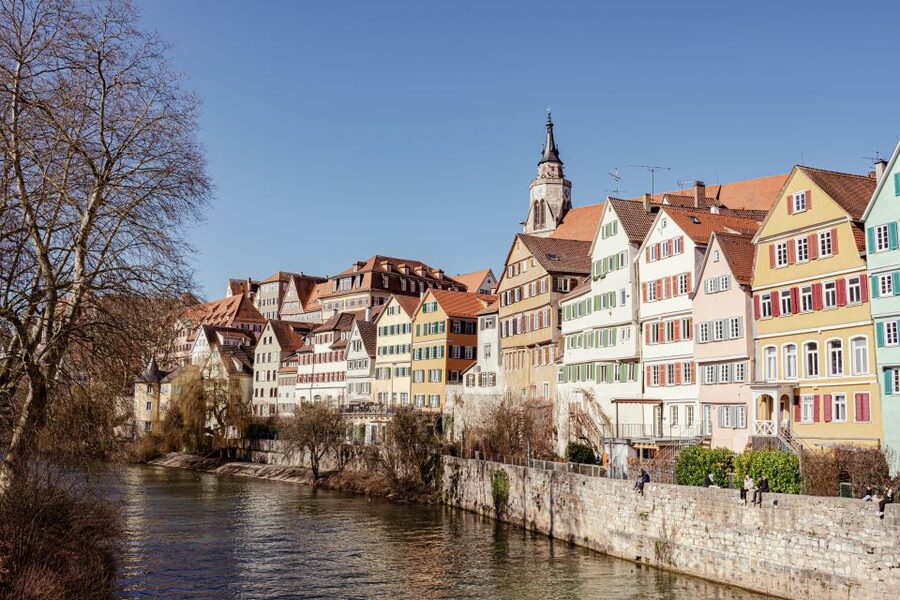
The tour includes the history of Castle Hohentübingen, described as a local landmark. The best way to enjoy a castle component on a walking tour is when it’s framed as a relationship between town and territory. Here, the guide uses the castle story to give you perspective on what the city guarded and why it mattered.
You might think castles are only for dramatic views, but local history changes that. The guide helps you see Hohentübingen as part of Tübingen’s identity, not just an exterior you glance at. That makes the castle feel anchored in daily life, which is exactly what you want in a 90-minute overview.
Practical expectation: the tour is walking-based and built around major highlights. If you expect extended time at the castle complex itself, the available details do not promise long, onsite access. The safe plan is to treat this as landmark context, with focus on what the castle means to the town.
WWII survival and the Protestant collegiate’s notable students
Two topics give this tour weight beyond pretty streets.
First is the resilient history of how Tübingen survived World War II. Instead of treating the war as a distant chapter, your guide connects it to how the town looks and functions now. That matters because it turns architecture into evidence. Buildings and surviving structures become clues to what endured, what changed, and what the town learned to rebuild.
Second is the Protestant collegiate in Tübingen, with a focus on noteworthy students. This is where the tour’s academic angle turns religious and cultural. The guide’s approach helps you see how institutions shape careers, beliefs, and public life, especially in a city where university culture is central.
If you like your history human-scale, this works well. It’s not only about big events. It’s also about who studied, who learned, and how that learning echoed into society.
If you prefer hard, date-and-stat facts above story, keep that in mind. The strongest signals from guide feedback point to humor and charm as major tools, which can mean you get fewer dry bullet points than you might expect from a strictly academic tour style.
The guides matter: humor, dialect, and smart customization
The biggest repeated praise is the guide experience. The tour is led by a local professional guide with your group only, and the format supports customization on the spot.
One guide named Michael is specifically mentioned in feedback, with people calling out humorous storytelling plus charm and wit. Another guide, Frau Schwelling, is credited with humor and clear, engaging explanations, even when weather was less than ideal. There’s also a note praising a guide’s Schwabian dialect and anecdotes about Tübingen and its people, with laughter as a central part of the experience.
So here’s the practical takeaway for you: if you enjoy learning through personality, this tour should fit. It’s not just information delivery. The guide style affects how quickly you understand the town and how easily you remember it later.
Language-wise, the tour is offered in English and German. If you’re choosing between languages, pick the one where you can comfortably ask follow-up questions. That’s where private tours shine.
And because it’s private, your group can steer the pace. Want a little more time on the university angle? Want more focus on castle context or the World War II story? The tour description explicitly mentions customization with your local guide on the spot, so use it.
Value for money: $280 per group, up to 15 people, in 90 minutes
Pricing here is simple: $280 per group up to 15 people for 90 minutes. That’s not cheap like a public free-walking tour. But it can be good value depending on your group size and what you want out of the time.
For small groups, you essentially pay for coordination, expertise, and a tailored approach. For larger groups up to 15, the math improves because the guide cost is shared, and you still get private attention for everyone.
This is also a strong fit for the “I want the essentials, but explained well” traveler. Tübingen’s medieval core and university identity can feel complex if you read only signage. A private guide helps you connect themes quickly: river life, medieval structures, student culture, key institutions, and the war-era survival story.
Entrance fees are not included. So if any stops in your head involve paid sites, you should treat this as an overview and context walk, with any ticketed additions handled only if your guide can incorporate them within the plan.
Should you book this Tübingen private walking tour?
I think you should book if you want a fast, friendly orientation to Tübingen that connects major landmarks to real local themes. It’s especially a good choice if you enjoy humor and stories, and you want someone to help you see why medieval streets and student life coexist so naturally here.
You might skip it if your ideal tour is strictly data-heavy, with lots of dates, names, and factual density. The strongest guide feedback emphasizes charm and wit, so the style is built around storytelling, not on turning history into a spreadsheet.
If you book, do one simple thing: come with a couple topics you care about most, like Castle Hohentübingen, WWII survival, the university, or Stockerkahn. Then ask your guide to emphasize those. With a private format and on-the-spot customization, you’ll get a better return on your 90 minutes.
FAQ
Where does the tour start?
The meeting point is in front of the tourist office at Neckarbrücke 1, 72072 Tübingen.
How long is the tour?
The tour lasts 90 minutes.
Is this a private tour?
Yes, it is a private group tour, with your local professional guide staying with your group only.
What languages are available?
The tour is available in English and German.
Are entrance fees included?
No. Entrance fees are not included.
What group size is the price based on?
The price is $280 per group up to 15 people.
Fresh on the arrivals board for Tubingen
Walking Tours, compared.
Berlin City walk Government District and Places of Democracy
Read our review →

Berlin’s Best: 2 Hour Walking Tour Third Reich and the Cold War
Read our review →