
Reviewed · DORTMUND TOURS & ACTIVITIES
Trinkhallen Tour Dortmund
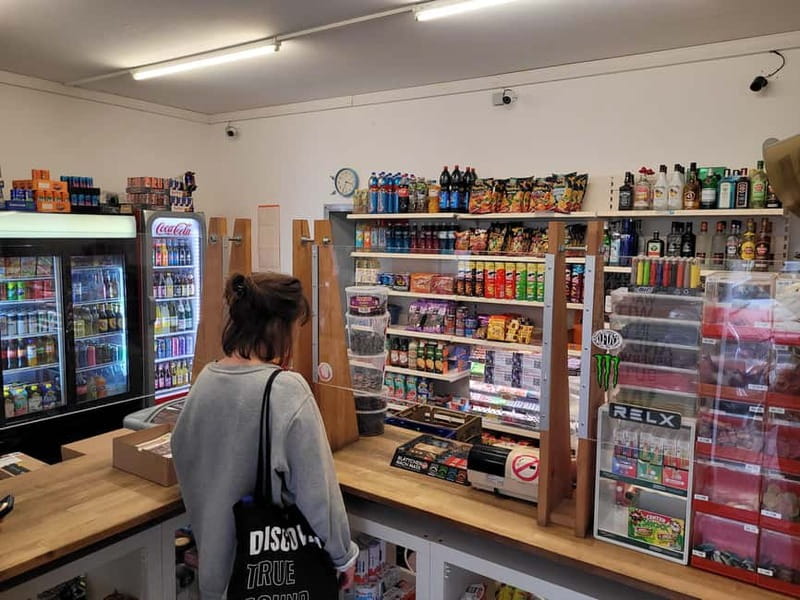
Trinkhallen are everyday life with a backstory. This 1.5-hour stroll through Dortmund’s Unionviertel is a fun way to learn how kiosk culture shaped the Ruhr region, plus you get a taster along the way. The only catch: it is not a sit-down museum experience, so if you prefer quiet sights and lots of explanation from behind ropes, this will feel more like a street-level hangout.
What I like most is how the tour connects old industry to today’s neighborhood routine. You hear why tap water was once a problem near factories, then you see how the product mix and purpose of kiosks changed as they moved into working-class areas like Unionviertel. One thing to consider is that the route is a walking tour through city streets, so wear comfortable shoes and expect to move.
In This Review
- Key Points You’ll Care About
- Why Trinkhallen in Dortmund Matter More Than You Think
- Meeting at Café Erdmann in the Hochbunker
- Unionviertel Street Art Walk and the Culture Trail
- The History Bit: From Factory Gates to Neighborhood Meeting Places
- Your Tasting Stops, Mixed Snacks, and What the Büdchen Sells
- Street Life Details You Can Spot Right After the Tour
- Where the Tour Ends at Westpark and How to Use Your Time
- Price, Pace, and Who This 1.5-Hour Tour Fits
- Should You Book the Trinkhallen Tour Dortmund?
- FAQ
- Where does the Trinkhallen Tour Dortmund start?
- How long is the tour?
- What’s included with the tour price?
- What languages is the tour offered in?
- Is the tour wheelchair accessible?
- What does the tour cost?
- Is free cancellation available?
Key Points You’ll Care About
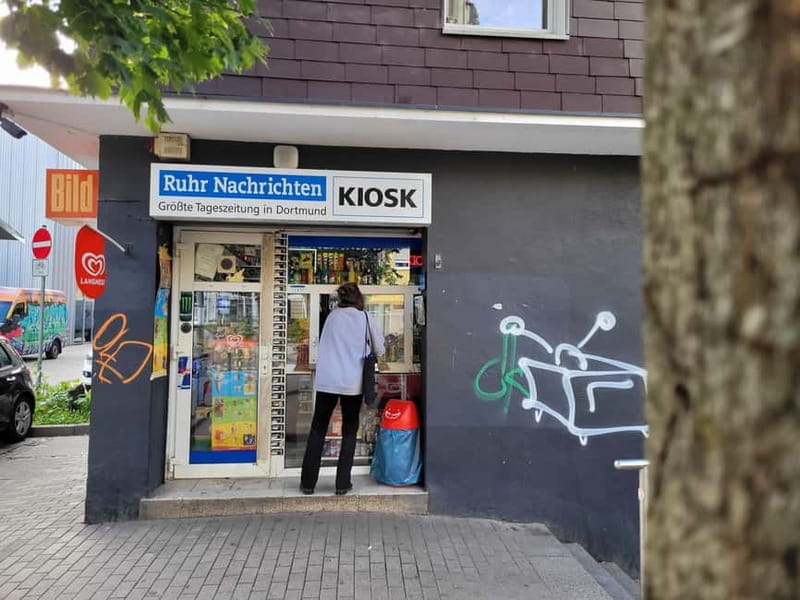
- Trinkhalle culture, explained through what kiosks actually sell and why people rely on them
- Street art and neighborhood context in Unionviertel, not just kiosk talk
- A guided tasting with a mixed bag of snacks and at least one drink sample
- Stories that trace kiosks from industrialization-era factory gates to local meeting points
- Stops that include Café Erdmann at the Hochbunker and finish near Westpark
Why Trinkhallen in Dortmund Matter More Than You Think
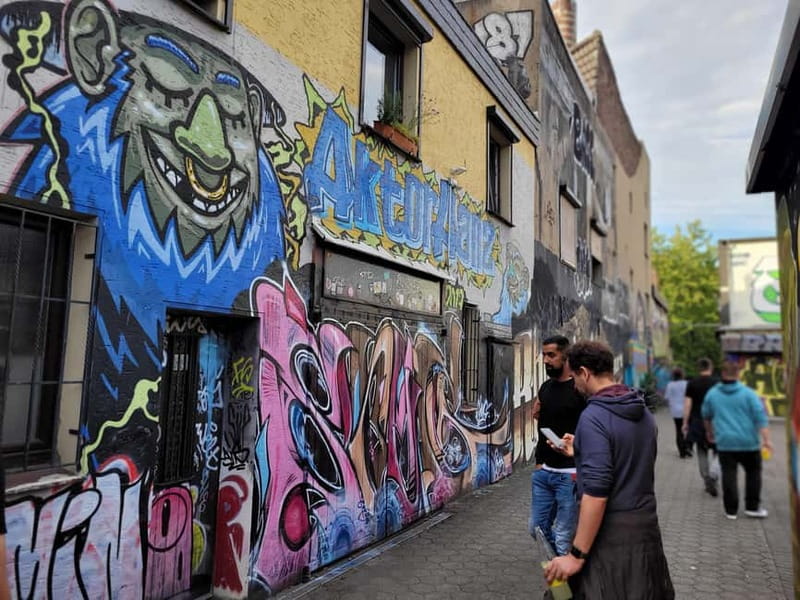
Trinkhallen might look like simple kiosks, but they are a whole social system in small form. They are where you can grab essentials when shops close, pick up a newspaper fast, or satisfy the sudden need for something salty or sweet. In the Ruhr area, those habits were shaped by industry and by the reality of workers’ days.
On this tour, you get the story behind that system. The idea for drinking halls is tied to industrialization, when coal mine and factory owners set them up near factory gates. The purpose was practical: help workers cut back on beer and schnapps, and offer mineral water and non-alcoholic beverages instead.
The other reason Trinkhallen are such a strong cultural marker is that they became meeting points. As kiosks opened in working-class neighborhoods like Unionviertel, they changed. They were no longer only for the factory rhythm. They turned into everyday hangouts where people still chat and exchange local news.
Also holding a platform in Dortmund
- Dortmund: BVB Self-Guided Stadium Walk
★ 4.5 · 3,195 reviews - Dortmund: German Football Museum
★ 4.6 · 484 reviews - Dortmund: Borusseum Borussia Dortmund Museum Entry Ticket
★ 4.6 · 315 reviews
Meeting at Café Erdmann in the Hochbunker
The tour begins at Café Erdmann in Dortmund, located at the Hochbunker on Rittershausstraße. That start matters because it sets the tone: you are mixing place and history right away, not just learning facts on a sidewalk.
The Hochbunker setting also gives you an easy mental anchor for the day. You start with a landmark, then walk out into the Unionviertel area where the kiosk culture lives in the open. When you know where you started, the rest of the route feels like a map you are actively reading, not a blur of stops.
From the start, you will also see how street-level retail and street art can belong to the same neighborhood story. A guide will connect what you see in front of you with why it exists in Dortmund, and you will get a tasting partway through so you are not just standing around waiting.
Unionviertel Street Art Walk and the Culture Trail
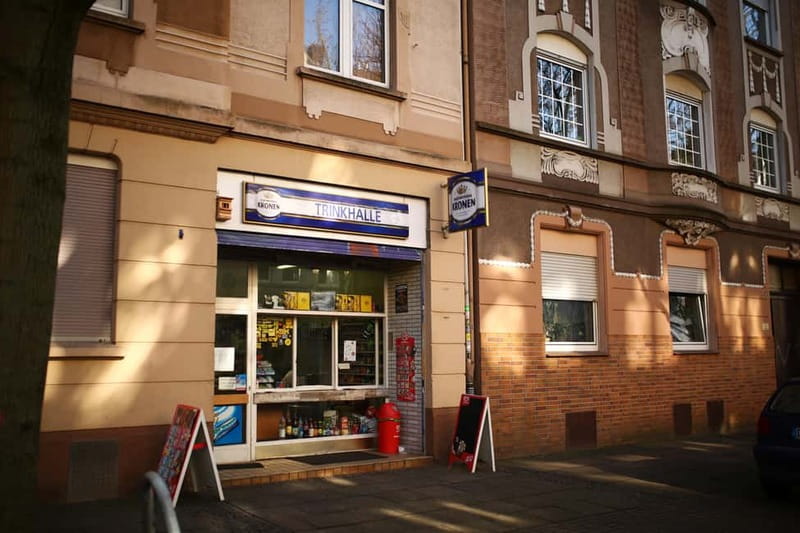
The heart of the experience is the walk through Unionviertel. This district carries that layered feel Ruhr cities are known for, where an older working-class fabric meets today’s urban style. You get the chance to notice both the kiosks and the surrounding street scene.
Street art is part of the route, and it helps you understand why the tour does not treat Trinkhallen as isolated objects. Instead, it places kiosks into the same cultural conversation as public artwork and neighborhood identity. If you like seeing how everyday spaces reflect local creativity, you will enjoy that balance.
You will also get a guided rhythm that keeps moving but still gives time to look closely. The tour includes walking time, sightseeing time, and free time within the 1.5-hour experience, so you can catch details without feeling rushed.
The History Bit: From Factory Gates to Neighborhood Meeting Places
This is where the tour earns its weight. The guide explains how Trinkhallen grew out of the industrial era. Tap water was considered risky because of contamination near the work environment, so mineral water and non-alcoholic drinks became an organized alternative.
Then the story shifts from the factory gate to the neighborhood street. As kiosks spread into working-class areas, they expanded what they offered. That product range is not random. It follows daily needs: quick drinks, non-alcoholic options, and practical items for life after shop hours.
One more detail I like is the way the tour frames change over time. Kiosks of today do not look like kiosks of decades ago, and the guide explains how and why the selection evolved. This gives you a clearer lens for what you see while walking, because you start understanding the logic behind modern offerings.
You also learn about preservation efforts, including the Trinkhallenverein dedicated to keeping kiosk culture alive. That matters because it shows the local community does not want this culture to fade into “just shops.”
Your Tasting Stops, Mixed Snacks, and What the Büdchen Sells
A big selling point here is that you do not leave the tour without tasting something. You get a taster included, and the snack mix can include the kind of quick hits that make kiosk culture what it is.
In the tasting, you might encounter familiar Ruhr-style comfort foods and branded snacks. Past tastings have included beer and items like mixed sweets, plus things such as YumYum. The highlight for a lot of people seems to be the mixed bag feeling, because it mirrors how kiosks are used in real life, as grab-and-go stops.
You are also learning while you taste. The guide uses the products to teach you how these places function. When you hear why certain items are sold, you start to see kiosks as infrastructure for everyday needs, not just convenience retail.
If you are the type who loves food culture, treat the taster as a prompt. Keep an eye out after the tour for the brands and snack categories you saw during the walk, because you will recognize the pattern fast.
Onward connections from Dortmund:


Street Life Details You Can Spot Right After the Tour
By the time you finish the walking portion, you should be able to notice Trinkhallen as a form of neighborhood technology. They help people solve small problems quickly, from late-day errands to party resets when someone runs out of drinks.
You will also better understand why these places still feel social. The tour highlights how kiosks became spots where people meet and chat. That is a big deal in cities, where casual contact can disappear when life becomes fully scheduled.
And because street art is part of the route, you will likely walk away with an eye for how different forms of street expression reinforce each other. You see the kiosk as a practical landmark, and street art as a creative one. Together, they show how the Unionviertel neighborhood tells its story.
If you are a Dortmund first-timer, you also learn a second way to read the city. Instead of only focusing on big sights, you get a people-first lens through the Ruhr region’s “small places.”
Where the Tour Ends at Westpark and How to Use Your Time
The tour finishes at Westpark in Dortmund-Innenstadt-West, address listed as 44137 Dortmund-Innenstadt-West, Germany. Ending in a park area is smart because it gives you a natural buffer after the walking.
When a tour ends near green space, you can decompress without making a plan right away. Take a slow walk, grab something else to eat nearby if you still want snacks, or just sit for a bit and let the information settle.
This ending also makes the tour easy to pair with other neighborhood exploration. Since the experience is centered on Unionviertel style streets and local culture, you can keep going on your own and try to spot more Trinkhallen around town with new understanding.
Price, Pace, and Who This 1.5-Hour Tour Fits
It costs $29 per person for about 1.5 hours, with the Trinkhalle tour and samples included. For that price, you are paying for two things at once: guided storytelling and food tasting. That is usually what makes walking tours worth it, because you do not just “pass by” the city, you get context and a small payoff.
The value gets even better if you like culture that is not staged. Trinkhallen are part of daily life, and that makes the subject feel real. You also get street art alongside the kiosk story, which broadens the experience beyond one theme.
The pacing is ideal for a short window. If you only have a couple hours in Dortmund, this tour gives you a compact, focused way to understand local identity. If you have more time, it works as a great first or second activity that helps you interpret later parts of the city.
This is also a strong option if you want a guide who can switch between practical details and broader context. Multiple guides have been praised for humor, heart, and engaging stories around kiosk culture and street art, and that kind of delivery makes the walk feel effortless.
Should You Book the Trinkhallen Tour Dortmund?
Book it if you want a smart, street-level way to understand Dortmund and the Ruhr region. The combination of Trinkhalle culture, street art, and a guided tasting is a practical mix, and the short duration means you can still keep your day open.
Skip it if you hate walking city streets or prefer quieter attractions with lots of passive time. This experience is designed to move and to look closely at neighborhood details, so comfortable shoes matter.
If you are curious about how everyday places reflect industrial history and local habits, this is exactly the kind of tour that pays off quickly. I would also recommend it to first-timers who want more than a photo stop, because you leave with a new way to read what you see around you.
FAQ
Where does the Trinkhallen Tour Dortmund start?
The tour starts at Café Erdmann in Dortmund, located at the Hochbunker on Rittershausstraße.
How long is the tour?
The tour lasts 1.5 hours.
What’s included with the tour price?
The tour includes a Trinkhalle tour with samples, including a tasting.
What languages is the tour offered in?
The live tour guide speaks German and English.
Is the tour wheelchair accessible?
Yes, it is wheelchair accessible.
What does the tour cost?
The price is $29 per person.
Is free cancellation available?
Yes, you can cancel up to 24 hours in advance for a full refund.
Fresh on the arrivals board for Dortmund
Dortmund Tours & Activities, compared.
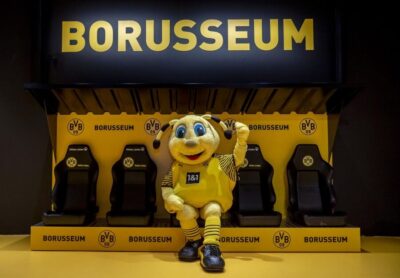
Borusseum Borussia Dortmund Museum Entry Ticket
Read our review →

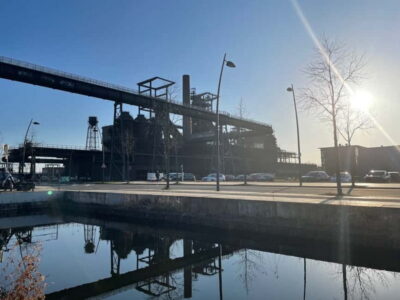

Dortmund German Football Museum Skip-the-Line Admission Ticket
Read our review →Browse the lists this tour appears in