

Reviewed · WALKING TOURS
Stuttgart: Private Guided Circular City Walk
Stuttgart has a way of telling its story in layers. This private 2-hour circular walk connects the city’s palace power, opera culture, and market life in one smooth route, with a guide ready to adjust to what you want to focus on.
I especially like two things: you get a personal guide who keeps the pace and explanations human-sized, and you cover the best “decision points” in central Stuttgart, so you leave with your bearings fast. The second big win is the way the walk blends landmark sightlines with practical context, including the founding story that starts in the 10th century as a stud farm.
One possible drawback: with a group size up to 25, the experience stays private in the sense of having one guide for your party, but it is still a walking city-center circuit. If you want lots of time to linger, take it slow, and go off-script, plan to ask your guide to slow down early.
In This Review
- Key highlights you should plan around
- Stuttgart in 2 hours: a route built for context, not just photos
- Meeting at Haus des Tourismus: your first navigation shortcut
- Oberer Schlossgarten to the Opera: palace gardens meet modern culture
- Eckensee Lake and the Landtag: a scenic break with political weight
- New and Old Palaces plus Palace Square: where the city’s story centers
- Schiller Square and Stuttgart’s stud farm origin in the 10th century
- Market Hall and the Town Hall area: your “food and city” reality check
- Price and value: $218 per group up to 25 for a guided 2-hour loop
- Guides, languages, and pacing: what matters when the tour is private
- Who should book this Stuttgart circular city walk
- Should you book it
- FAQ
- How long is the Stuttgart private guided circular city walk?
- Where does the tour meet?
- What does the walk include in terms of major sights?
- What languages are available for the live guide?
- Is the tour wheelchair accessible?
- What is the group size limit per guide?
- How much does this tour cost?
Key highlights you should plan around
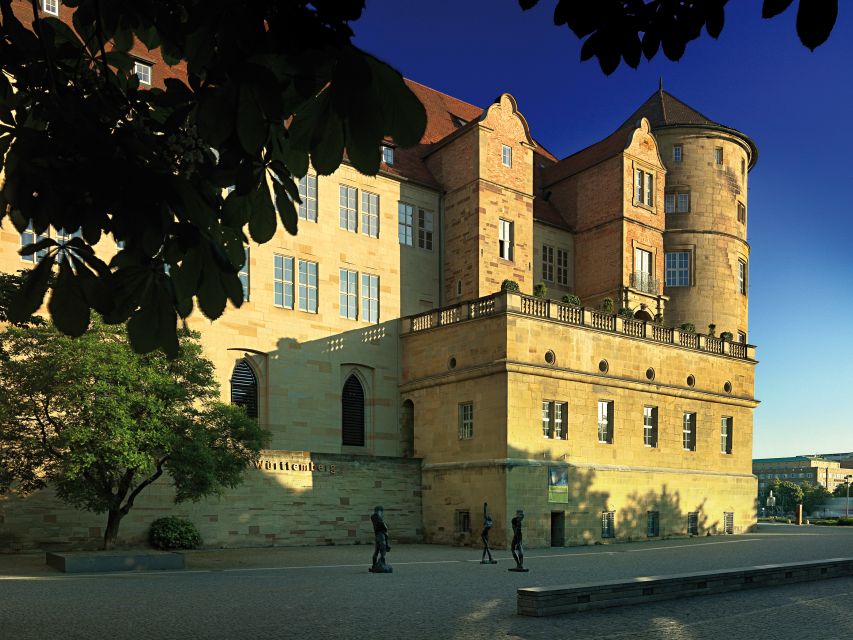
- Oberer Schlossgarten to the Opera area, a strong start that mixes palace gardens and Stuttgart’s major performance venues
- Eckensee Lake and the Landtag, a calmer stretch where you can absorb both scenery and government history
- New and Old Palaces with inner courtyard views, plus Palace Square as the geographic and symbolic center
- Schiller Square and the 10th-century stud farm origin, a story that reframes why this city looks the way it does
- Market Hall for a culinary, world-around feel, followed by the Marketplace and Town Hall area for easy contrast
Stuttgart in 2 hours: a route built for context, not just photos
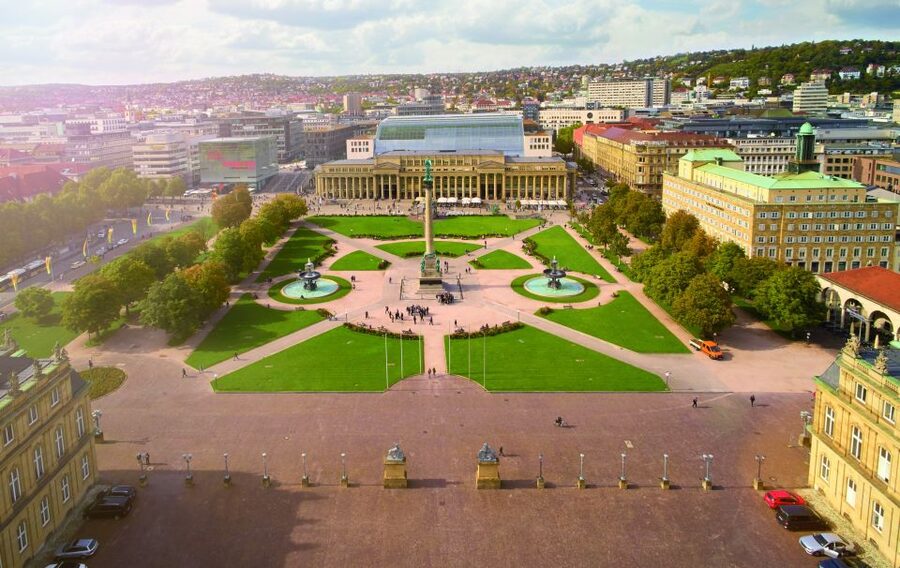
This tour is designed for people who want meaning, not a sprint. You will walk a circular loop through central Stuttgart with a guide who explains the city’s past, present, and future, then ties those points together as you go. That matters because Stuttgart can feel like separate zones if you explore alone, especially if you only focus on one famous building at a time.
What makes the experience work is the pacing. The route is planned so you move from one “story” area to the next, without constantly crossing the city. You start in the Upper Palace Gardens, then shift into the cultural and civic core, and finally end in the market area where everyday life takes over. If you like learning while you walk, this format is a solid use of a limited time window.
Also, your guide can adapt the tour to individual requirements. That is not just a marketing line. It usually means you can ask for more detail on what interests you, and you are not stuck in a one-speed script.
More Walking Tours in Stuttgart
- Stuttgart: Guided Ghost Walking Tour
★ 4.5 · 867 reviews - Stuttgart: City Highlights – Guided Walking Tour
★ 4.7 · 189 reviews - Stuttgart: Old Town Highlights Guided Walking Tour
★ 4.2 · 101 reviews
Meeting at Haus des Tourismus: your first navigation shortcut
You meet at the Tourist-Information spot called Haus des Tourismus, right next to the historic market square fountain. This is a smart meeting choice because it anchors you in the center, close to the shopping and sightseeing grid most first-time visitors will eventually want.
Bring comfortable shoes. You are on a walking tour with a 2-hour duration, and that time disappears faster than you expect if your footwear is wrong. Since the tour is wheelchair accessible, the route should be manageable, but you still want to be comfortable for steady, central-city walking.
If you are traveling with kids, grandparents, or anyone who walks slowly, consider telling the guide at the start. The tour is set up as a private group, so the guide is more likely to adjust without making you feel like a burden.
Oberer Schlossgarten to the Opera: palace gardens meet modern culture
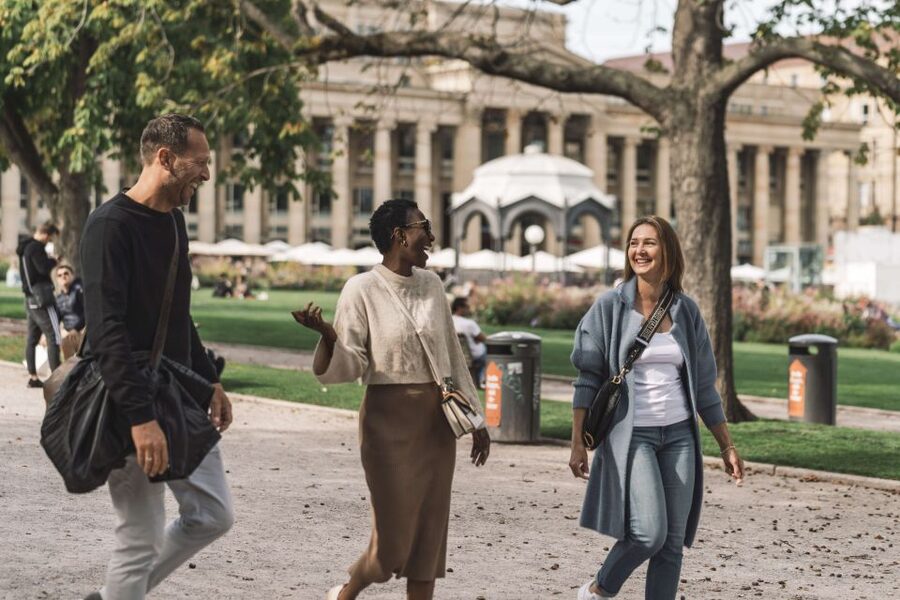
The walk starts in the Upper Palace Gardens (Oberer Schlossgarten), which sets a calm tone before you hit the heavier landmark cluster. Gardens like this are not just pretty. They help you understand how power and culture were historically organized in Stuttgart, with rulers and institutions close by.
From there, the route passes by the theater and the Stuttgart Opera. This is one of your clearest “cultural spine” moments. Even if you do not plan to attend a performance, you get a sense of how the opera district functions as a landmark zone and how the city visually organizes its important public buildings.
Why I like this sequence for you: it gives you an early, high-contrast introduction. You go from green, reflective space to a recognizable, internationally known cultural landmark. That contrast makes the rest of the tour easier to follow, because you start building mental categories fast.
If you are the type who hates rushing, arrive ready to pause briefly at the edges of major buildings. The tour keeps a leisurely pace, but a quick look without stopping can make you miss key perspective points.
Eckensee Lake and the Landtag: a scenic break with political weight
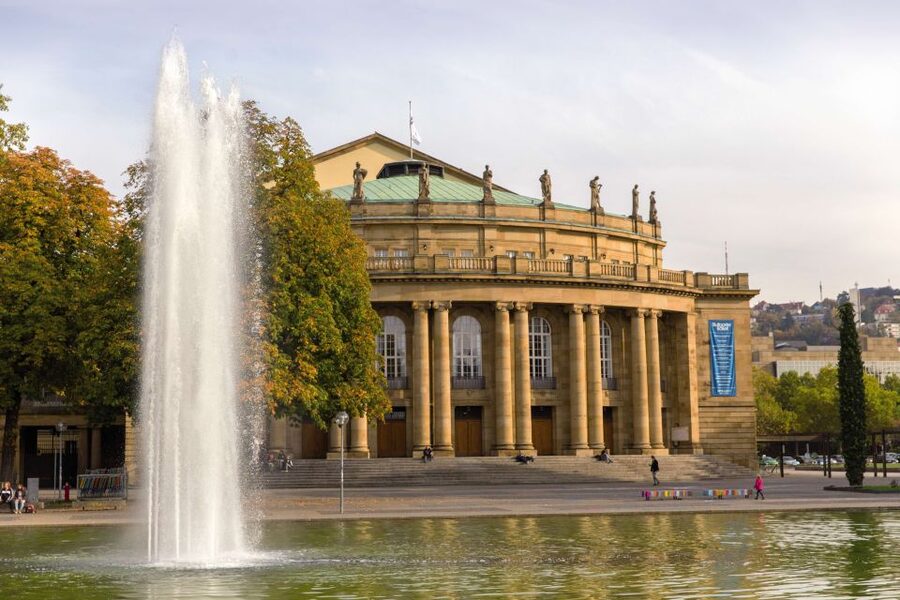
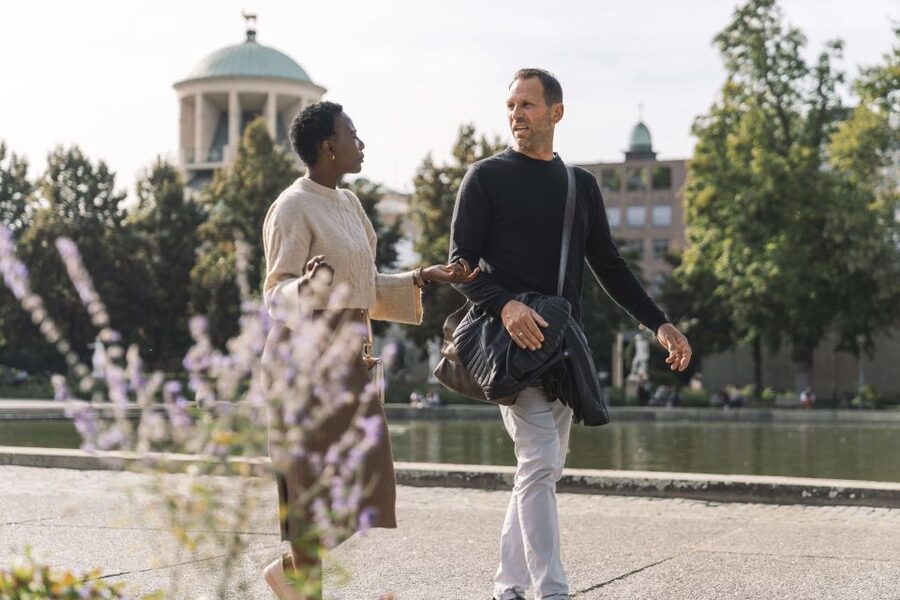
After the Opera area, you continue past Eckensee Lake. This is a nice mid-route shift because it gives your eyes and legs a breather. Water and open views also make it easier to notice how Stuttgart’s central layout connects green space to civic areas.
Then you pass the seat of the Landtag, the regional parliament. This is where the tour starts to feel more than sightseeing. You are not just seeing buildings, you are learning why these places matter in the day-to-day governance of the region.
A practical tip: when your guide mentions what the building represents, look around at the surrounding streets and access points. The “why here” becomes more obvious when you can see the setting, not just the landmark itself.
This section tends to be a favorite because it mixes calm scenery with meaningful context. It is also a good moment to ask your guide a question, since the pace is usually steady and the environment is less crowded than the market core.
New and Old Palaces plus Palace Square: where the city’s story centers
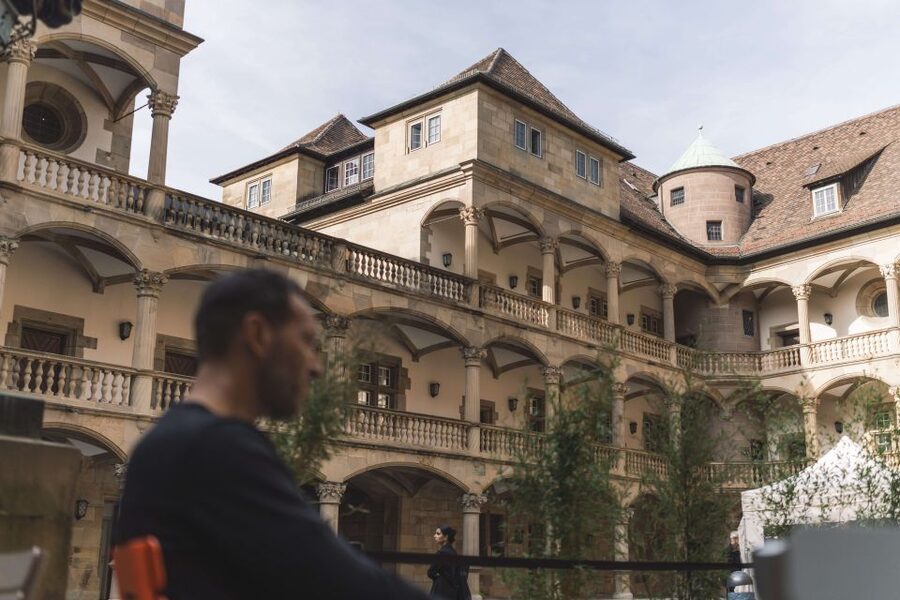
Next you head toward both the New and Old Palaces, with a look at the inner courtyard. Palace interiors and courtyard spaces tend to teach you more than a single façade photo, because courtyards often reveal how movement, separation, and authority worked.
Then you arrive at Palace Square, which is described as the true heart of the city. Even if you are not chasing symbolism, this is a useful geographic moment. It is the kind of open space where you can orient yourself and understand how key streets likely radiate outward.
This stop is valuable because it helps you connect the dots. If you have been thinking of Stuttgart as an engineering and industry city, the palace area shows you a different layer of identity. You see how the city has long been organized around institutions that influence culture, administration, and public life.
Potential drawback to consider here: palace zones can be visually impressive but also busy with foot traffic. If you want the quiet version, keep your questions targeted and let your guide lead you to the best angles without getting stuck in crowd pockets.
More German cities at walking speed:




Schiller Square and Stuttgart’s stud farm origin in the 10th century
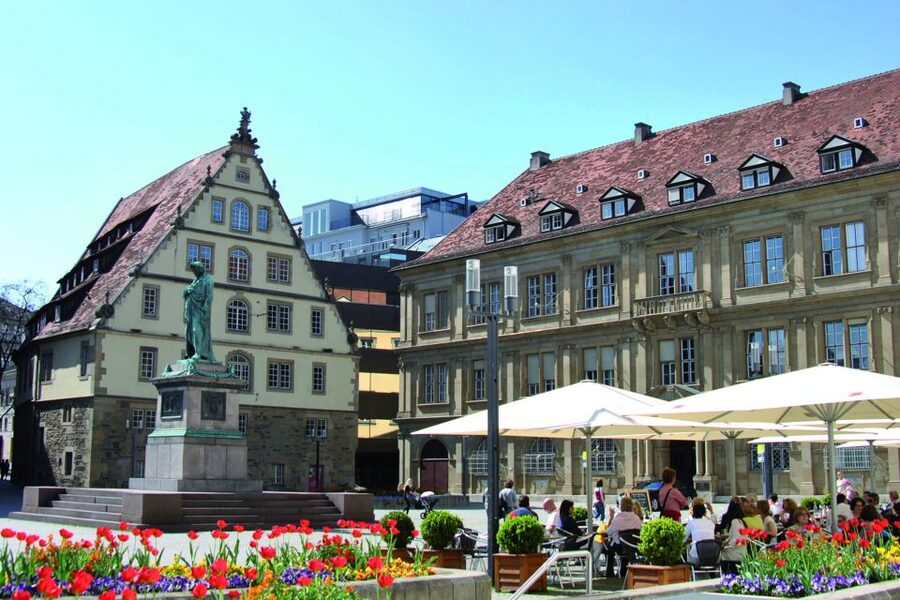
On Schiller Square, you hear about Stuttgart’s history, including its founding in the 10th century as a stud farm. That detail is more than trivia. It reframes the city’s beginnings as practical and agricultural rather than purely monumental.
I like this story approach because it makes the later architecture feel less random. When you understand the city started with a functional purpose, the later growth reads as a transformation rather than a sudden leap into greatness.
You will be able to connect that origin to the layout you have been walking: a central institutional area, followed by civic and market spaces that supported real life. This is the part of the tour that can really stick, especially if you are the type who remembers facts through narrative.
If you only have one hour in Stuttgart, this is the kind of stop where it helps to pay close attention. You are less likely to forget a founding story than a list of building names.
Market Hall and the Town Hall area: your “food and city” reality check
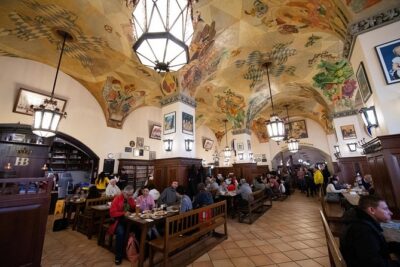
The tour continues into the Market Hall. This is where you get a culinary trip round the world. Even without turning it into a food crawl, the market hall concept matters because it explains how Stuttgart handles daily needs and social life in a central location.
Right nearby is the Marketplace with the Town Hall. This creates an easy contrast: the Market Hall feels like exchange and consumption, while the Town Hall area represents municipal identity. Together, they show you how the city supports both public administration and everyday movement.
Here is how I recommend you use this part of the walk. Take your time looking, but do not overcommit to buying things unless you are hungry. The value of the tour is the way it gives you direction about where to go next. If you notice stall styles, signage, or food smells that interest you, note what appeals to you and plan your own return later.
Also, the market area is a great place for questions, like what you should try on a second visit or how the market culture fits into Stuttgart’s wider city rhythm.
Price and value: $218 per group up to 25 for a guided 2-hour loop
At $218 per group up to 25 people, this tour is priced for group value rather than per-person bargaining. For a private walk that runs 2 hours and includes a live guide, it can be a good deal if you are traveling with friends, family, or a mixed-age group.
The real value is not just the landmarks. It is the guidance, pacing, and interpretation. A good guide can turn a pile of buildings into a coherent story, and this walk is built to do that by moving from gardens to opera culture, to civic government, to palaces, and finally to the market core.
Also factor in that the tour can be adapted to your individual requirements. If you are the kind of visitor who wants more explanation, you are likely to get more out of the time with a guide than if you only do self-guided stops.
If you are traveling solo or as a pair, the price can feel steep compared to free walking or audio guides. In that case, it becomes worth it only if you strongly prefer conversation, tailored pacing, and a curated circuit that hits the central best-of quickly.
Guides, languages, and pacing: what matters when the tour is private
You can choose between German and English live guiding. That is a big deal because Stuttgart’s central landmarks and history have plenty of nuance, and you will get more out of it when the guide can match your language comfort.
The tour is private group format, with a guide who leads your circular route. Maximum participants per guide is 25. If your group is 26 or larger, a second guide is provided. That matters because it helps keep the explanation readable and the group manageable.
I also pay attention to guide style. In the feedback you will see a clear pattern: guides described as entertaining, informative, and genuinely personable. People praised guides such as Frau Gerkens and Frau Rammler for making the afternoon fun and for sharing enough detail that even locals around Stuttgart said they learned something new. That is exactly what you want from a city walk, not just a list of facts.
Who should book this Stuttgart circular city walk
This is a great match if you want:
- A central Stuttgart orientation without hopping around in transit
- A guided explanation of what you are seeing, including the city’s founding origin story
- A private setup where you can ask questions and steer the focus a bit
You might skip it if:
- You want a long, slow wander where you spend most of your time lingering in one place
- Your priority is strictly architecture photos without context, because you can build a similar itinerary on your own with maps
For most people, it is the kind of tour that helps your other plans click into place. You walk the key route once with a guide, then you come back later with better direction.
Should you book it
Book this private Stuttgart guided circular city walk if you want a well-organized 2-hour “best-of with meaning” in the center. The price makes the most sense when you are splitting across a group, but even as a smaller party, the guided storytelling, the clear landmark sequence, and the ability to adapt the tour are the real reasons to go.
FAQ
How long is the Stuttgart private guided circular city walk?
The tour lasts 2 hours.
Where does the tour meet?
You meet at the Tourist-Information Haus des Tourismus next to the historic market square fountain.
What does the walk include in terms of major sights?
You will pass or visit Upper Palace Gardens (Oberer Schlossgarten), the theater area, the Stuttgart Opera, Eckensee Lake, the Landtag, the New and Old Palaces (including a look at the inner courtyard), Palace Square, Schiller Square, the Market Hall, and the Marketplace with the Town Hall.
What languages are available for the live guide?
The guide is available in German and English.
Is the tour wheelchair accessible?
Yes, the tour is wheelchair accessible.
What is the group size limit per guide?
The maximum number of participants per guide is 25. For 26 people or more, a second guide is provided.
How much does this tour cost?
It costs $218 per group up to 25 people.
Fresh on the arrivals board for Stuttgart






Walking Tours, compared.
Berlin City walk Government District and Places of Democracy
Read our review →
Berlin’s Best: 2 Hour Walking Tour Third Reich and the Cold War
Read our review →
Browse the lists this tour appears in