
Reviewed · GUIDED WALKS IN MUNICH
Munich: Walking Tour Old Town 3D VR Tour in GERMAN
Some tours show buildings. This one shows moments.
I like how this Munich Old Town 3D VR walking tour uses 3D renderings in real locations, so you can compare old and newer street life right where it happened. You also get a real guide leading the walk, not just a headset.
What I really loved is the Marienplatz time split: the western side lets you experience 1570, while the eastern side jumps ahead about 300 years. Then the stories keep going with vivid scenes of how the square worked, what people did there, and what life looked like around it.
One thing to watch: the VR setup depends on your own smartphone and the app, and some people found the VR glasses less useful than expected. If you want smooth, fully animated video every time, plan for a bit of troubleshooting.
In This Review
- Key things you should notice before you go
- Old Town, rebuilt in 3D: what this VR walk is really like
- Finding the group at Platzl 4 (and avoiding the first-minute scramble)
- Marienplatz in two time periods: 1570 on one side, about 300 years later on the other
- The old town hall and street life scenes that make Munich feel lived-in
- Platzl around 1895: how an area becomes a local favorite
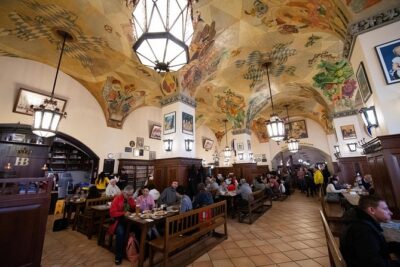
- Hofbräuhaus past and present: the iconic building with a timeline
- VR glasses, app setup, and why your phone matters more than you think
- Duration and route flow: 2 hours that move at a walking pace
- Price and value at $37: worth it, if you match the format
- Who this tour suits best (and who might skip it)
- Should you book the Munich Old Town 3D VR tour?
- FAQ
- What is included in the Munich Old Town 3D VR walking tour?
- How long is the tour?
- What language is the tour in?
- What should I bring to use the VR glasses?
- Do I need to use an app during the tour?
- Where do I meet the guide?
Key things you should notice before you go
- Meet at Orlandohaus, Platzl 4 with the guide carrying a big blue bag and a 3D Tour sign
- Four 3D scene hotspots in Old Town, with Marienplatz split into two time periods
- German live guide who explains what you are seeing in the 3D images and why it matters
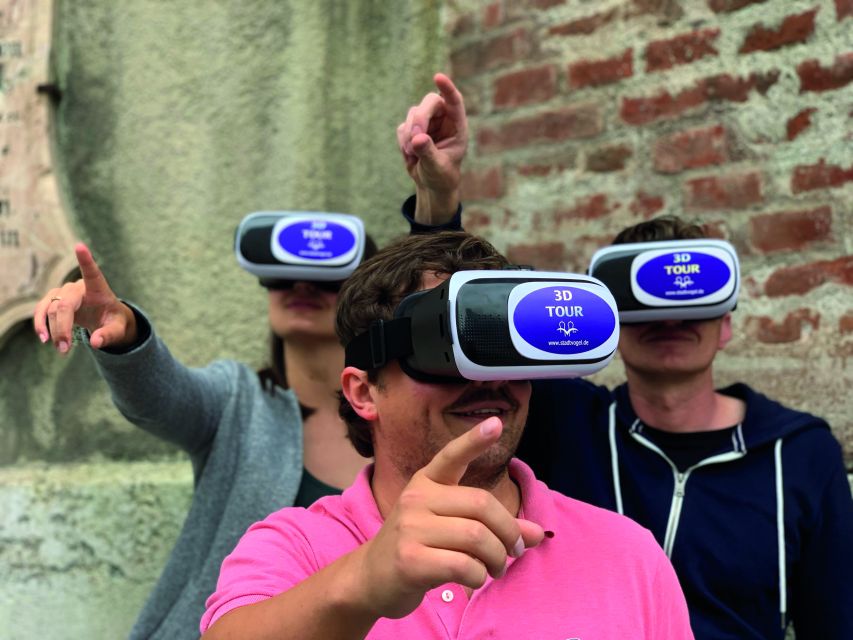
- Phone required: you download an app, then insert your phone into the VR glasses
- Street details get explained (grain market, gallows area, and historical street professions)
- Technology can be the swing factor, so bring a charged phone and expect some variability
Old Town, rebuilt in 3D: what this VR walk is really like
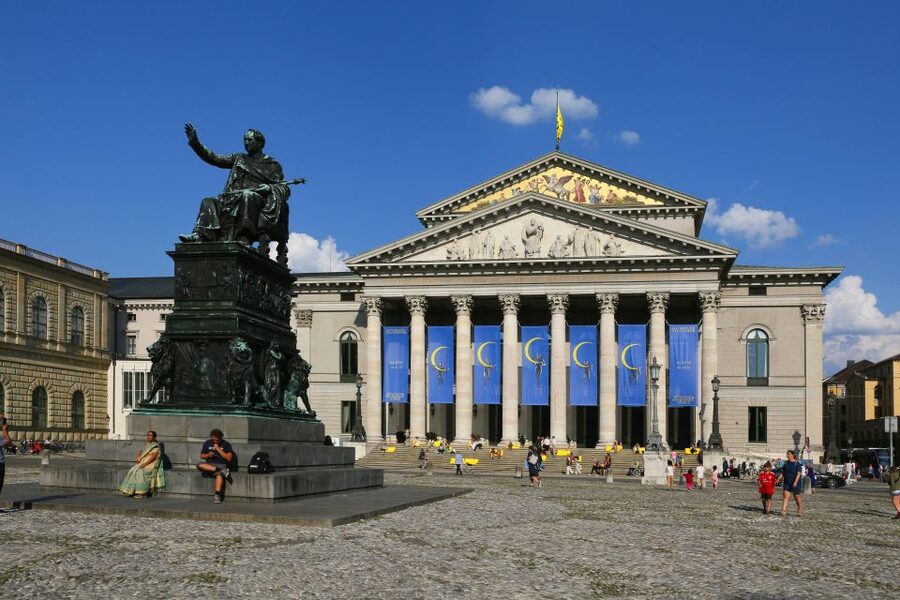
This is a 2-hour guided walk through Munich’s Old Town, paired with 3D visuals you view through VR glasses. Your guide moves you between key spots, then you pause so the 3D scenes can layer the past onto the square, street, and buildings you are standing in front of.
The basic idea is simple and fun: you look at 3D renderings of older Munich, then you hear what you are looking at and how it changed. This works best when you enjoy connecting the dots yourself, not when you expect a movie-like experience with constant animation.
The tour also gives you a clear structure: four places in the Old Town where the 3D renderings exist. That matters because you are not wandering randomly trying to figure out what the technology wants you to see.
More Guided Walks in Munich
- Munich: Third Reich & WWII Walking Tour
★ 4.6 · 6,181 reviews - Third Reich Walking Tour Munich
★ 4.5 · 4,291 reviews - Munich: Old Town & Viktualienmarkt City Walk in German
★ 4.7 · 2,304 reviews
Finding the group at Platzl 4 (and avoiding the first-minute scramble)
Your meeting point is right in front of the Orlandohaus at Platzl 4. The guide will have a big blue bag, with the white words Weis(s)er Stadtvogel, and there is a visible 3D Tour sign.
I strongly recommend you arrive a few minutes early. Not because you are late, but because the tour requires everyone to get their phone ready. If your phone is at low battery or your connection is spotty, you will waste valuable time you could be spending listening to the guide.
Also, keep your phone in reach. The VR part is hands-on, and you will be inserting the smartphone into the glasses as part of the experience.
Marienplatz in two time periods: 1570 on one side, about 300 years later on the other
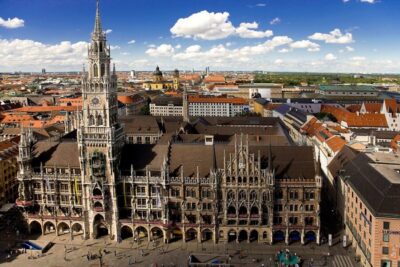
Marienplatz is the heart of this tour, and they treat it like two different stages. For the VR experience, they divide the square into a west and an east side.
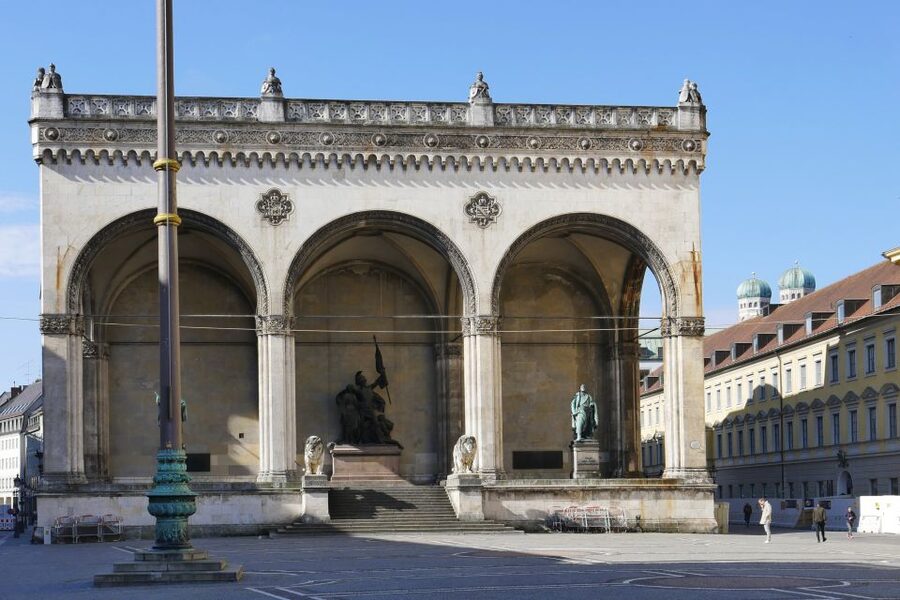
On the western side, you enter 1570. This is where the guide helps you read the square as a working place, not just a landmark you pass through. You get a 3D look at the medieval grain market and you learn how the daily economy shaped what people saw and heard there.
On the eastern side, the time jump is about 300 years later. Here you see what the old town hall looked like around 1870, including the first completed part of the hall. You also get scenes tied to everyday city life, like carriages and old professions playing out around the square.
One memorable detail in this Marienplatz portion is the mention of the gallows for special executions, plus the so-called disgraceful donkey. Even if those sound like dark side notes, the guide’s job is to place them in the context of how justice and public spectacle worked in the city.
Practical tip: stand where your guide instructs before the VR starts. The 3D view is tied to the location, so moving too much can make the visuals less convincing.
The old town hall and street life scenes that make Munich feel lived-in
The 1870-era portion at Marienplatz is not just about architecture. You get a sense of movement and work, including carriages and old professions in action. That is the value of using 3D renderings here, because a building alone does not explain the rhythm of a square.
I like that the tour keeps pulling you toward the everyday stuff. Munich’s Old Town can look neat and orderly today, but these scenes remind you it was practical and busy in its own way, with work happening right in public view.
And yes, the old town hall comes into the story directly. The VR images show how the hall looked at that time, including the first completed portion. If you have walked past the Neue Rathaus and the surrounding areas before, this part helps you connect what you see now to what was there in earlier phases.
Platzl around 1895: how an area becomes a local favorite
After Marienplatz, the tour moves you toward Platzl, with a VR surprise centered around 1895. This is where you start learning not just what buildings looked like, but how the neighborhood identity formed.
You hear how this area came to be and how it changed into the Urmünchner place people recognize today. That is a key difference between a standard sightseeing walk and this one. It pushes you to think about how neighborhoods develop their character over time.
The 3D visuals here are meant to anchor the guide’s explanation. You are not just hearing dates and facts; you are looking at the past layered onto the street area so the transformation makes more sense.
If you like neighborhood stories, this is the moment where the tour starts feeling more personal. You get a reason for why the streets feel the way they do, not just a list of sights.
More German cities at walking speed:




Hofbräuhaus past and present: the iconic building with a timeline
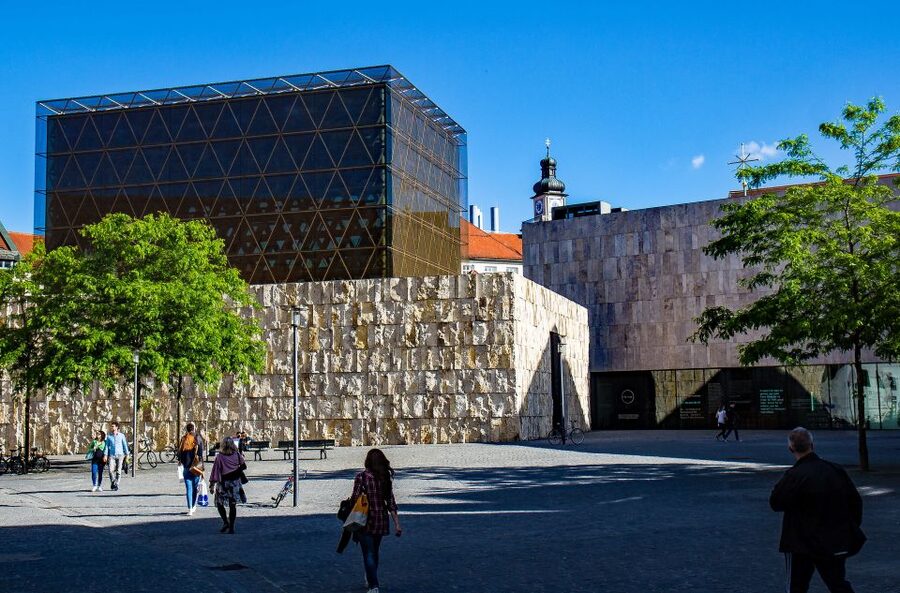
The tour closes the loop with the famous Hofbräuhaus, using VR to show past and present forms. This part works well because Hofbräuhaus is already famous, but fame often flattens your sense of time.
Watching a historical version alongside the modern view gives you a better mental map. You start noticing how the context around a landmark changes, even if the building name stays in people’s mouths.
I also like that this stop feels like a payoff. After earlier time jumps and square scenes, you end with an iconic spot where the city’s continuity and change are easier to feel.
VR glasses, app setup, and why your phone matters more than you think
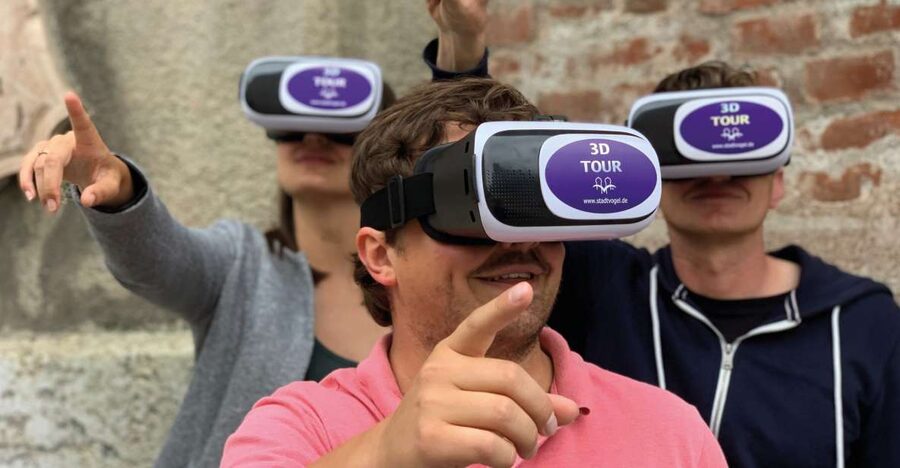
Here is the honest tech reality. The tour requires all participants to download an app at the meeting point. Then the phone is inserted into the VR glasses to see the 3D images.
Bring a charged smartphone and internet access. If either is missing, you risk losing the experience’s main feature. And if your phone camera or setup is temperamental, you may need to wait a moment while the guide and group get it working.
Some people reported that the VR glasses were less effective than expected. In particular, a few comments pointed out that the visuals felt like photos rather than moving imagery, and that using the phone directly could look better. One review even described the glasses as feeling like a toy, and another mentioned that VR devices or phones did not function properly for some people.
So I recommend you go in with the right expectation. Think of it as a guided VR-enhanced walk where the 3D scenes help you picture earlier Munich. Do not assume it will be a perfect, cinematic sequence every second.
If you are the kind of person who enjoys hands-on tech, you will likely have fun troubleshooting in a calm way. If you get frustrated quickly with apps and hardware, you might find the experience uneven.
Duration and route flow: 2 hours that move at a walking pace
The whole tour is listed as 2 hours. That is a comfortable length for combining walking and tech stops. You get enough time to hit the key Old Town points, without the day feeling like a marathon.
The route flow is logical: start at Platzl 4, work through Marienplatz with its time split, then continue to Platzl, and finish with Hofbräuhaus. The pace should feel steady, but because you will pause for VR, the walk may feel stop-and-go.
If you are deciding whether to do this earlier or later in your Munich day, consider starting when you are not already exhausted. When you arrive fresh, you can focus on the guide’s explanations while you stand in place for the 3D scenes.
Price and value at $37: worth it, if you match the format
At $37 per person for a 2-hour guided walk plus VR glasses, the value depends on one thing: whether the VR experience works smoothly for you.
What you get for that price is more than a normal city walk. You get a live guide and a structured Old Town tour, plus the VR glasses and a phone app setup. The tour also targets specific locations tied to 3D renderings, so it is not just a general history lecture.
But the value is not guaranteed if the device quality or rendering is disappointing for your group. The reviews include multiple mentions of the VR glasses not performing as hoped, and at least a couple of people felt the phone view was clearer than the glasses.
My take: this is good value if you are curious about how tech can visualize the past and you are flexible about the equipment experience. It is not the best fit if you want a high-production VR show with guaranteed animation quality.
Who this tour suits best (and who might skip it)
This tour is a solid fit for:
- You if you like history stories tied to specific squares and streets
- You if you enjoy comparing time periods, especially around Marienplatz
- You if you do not mind using your smartphone during the experience
- You if you want a lively German guide who explains what you are seeing and why it mattered
It might be less ideal if:
- You hate app downloads during tours
- You expect fully animated VR with high reliability
- You are easily frustrated by tech setup that depends on your phone and the glasses
One more note from the overall tone of the feedback: the guide experience seems to land well when the tech cooperates. People described the guide as engaging, with lots of knowledge and enthusiasm, and even when the hardware failed, the walk still felt worthwhile because of the explanations.
Should you book the Munich Old Town 3D VR tour?
If you want a guided walk through Munich’s Old Town where the past is projected onto real locations, I think you will enjoy this. The Marienplatz split, with the 1570 western side and the later eastern side, is a clever way to understand how one square changed over time.
I would book if you are comfortable with a smartphone-based VR setup and you bring a charged phone and working internet. Go in with realistic expectations about the VR glasses, since some reports describe them as less impressive than hoped.
If you hate tech moments, or if your phone is unreliable, you may prefer a traditional Old Town guided tour instead. You will miss the 3D visuals, but you will gain smoother timing and less setup stress.
FAQ
What is included in the Munich Old Town 3D VR walking tour?
The tour includes a guide, a walking tour, and VR glasses.
How long is the tour?
The tour lasts about 2 hours.
What language is the tour in?
The live tour guide speaks German.
What should I bring to use the VR glasses?
Bring a charged smartphone and have internet access.
Do I need to use an app during the tour?
Yes. All participants must download an app at the meeting point. The app is used with the VR glasses by inserting your phone into them.
Where do I meet the guide?
Meet directly in front of the Orlandohaus at Platzl 4. The guide will have a big blue bag with Weis(s)er Stadtvogel written on it and will have a 3D Tour sign.
Fresh on the arrivals board for Munich




Guided Walks in Munich, compared.

Old Town & Viktualienmarkt City Walk in German
Read our review →

Munich Ghosts and Spirits Evening Walking Tour
Read our review →

Birthplace of the Third Reich Guided Walking Tour
Read our review →Browse the lists this tour appears in