
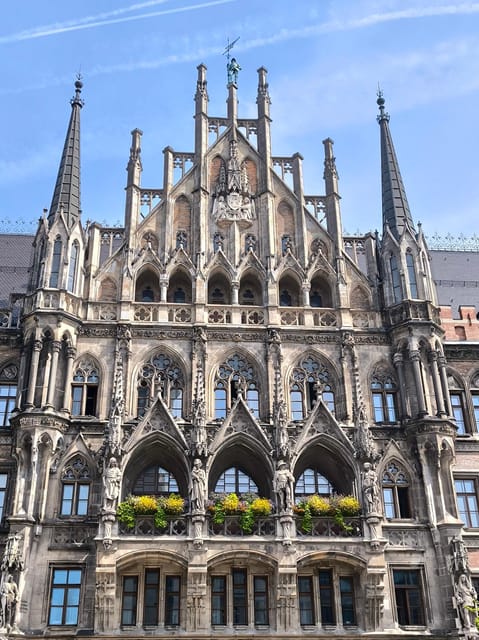
Reviewed · GUIDED WALKS IN MUNICH
Munich: Walking tour of the old town with all your senses
Munich feels like it has layers, and this walk shows them. You get a guided stroll that mixes history, traditions, and the day-to-day charm of the old town, all with stories that sound like something you would hear from a friend. I love that it focuses on what you notice with your senses, not just what you read on a plaque.
Two things I especially like: the way the tour points out big, dramatic buildings and monuments without turning it into a lecture, and the stop at Viktualienmarkt for real food and drink culture. One possible drawback to plan for is that the tour runs in German, so it may feel less comfortable if you prefer English-only guiding.
In This Review
- Key highlights worth knowing
- Where the walk starts: Marienplatz and the city’s loudest landmark
- Munich’s old town through the “white gold” towers
- The church clock mystery: what to listen for as you walk
- Teufeltritt legend: a darker story in a very walkable place
- Big buildings and small meanings: monuments you actually understand
- Viktualienmarkt: food and drink culture with an insider lens
- Modern Munich, told through old-town streets
- Small surprises and a guide who keeps the pace human
- Private-group value: when 227 dollars makes sense
- Who this walking tour suits best
- A quick practical checklist before you set out
- Should you book this Munich old-town sensory walk?
- FAQ
- How long is the walking tour?
- Where does the tour start?
- Where does the tour end?
- Is this a private group or a shared tour?
- What languages is the guide available in?
- How much does the tour cost?
- What is included in the tour?
- What is not included?
- Can I cancel and get a refund?
- Is there a pay-later option?
Key highlights worth knowing
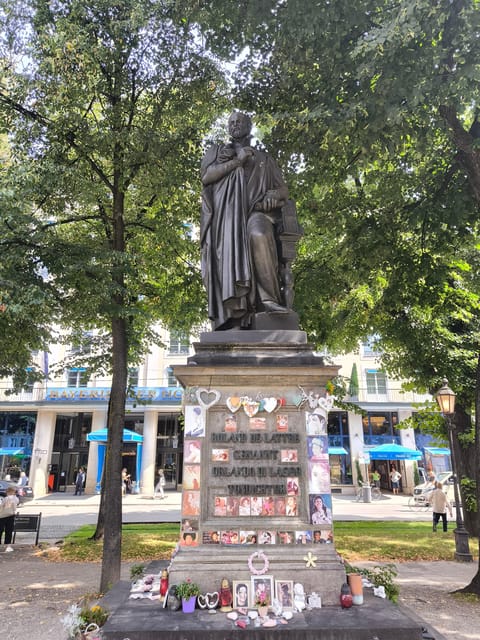
- Marienplatz carillon starting point for easy orientation right in the center
- White gold stories and Munich’s tower details, including why heights vary
- The mystery of eight church clocks and related local legends
- The legend of Teufeltritt, told in a fun, approachable way
- A guided walk that includes Viktualienmarkt and insider angles on food and drinks
- A private-group feel, with time for questions and small moments of surprise
Where the walk starts: Marienplatz and the city’s loudest landmark
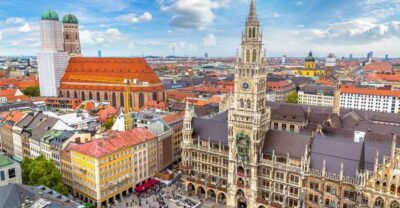
The tour begins at Marienplatz 8, at the carillon tower of the new town hall. It is a perfect meetup spot because it is central, recognizable, and built for people to gather and look around. If you like starting your day with a clear “this is where we are” moment, you’ll appreciate this.
Right away, your guide sets the tone. You are not just watching buildings. You are learning how Munich’s old-town center works as a meeting place, a stage for public life, and a timeline in stone. Expect a guide who uses humor and quick anecdotes to connect the dots between what you see and what people once believed.
More Guided Walks in Munich
- Munich: Third Reich & WWII Walking Tour
★ 4.6 · 6,181 reviews - Third Reich Walking Tour Munich
★ 4.5 · 4,291 reviews - Munich: Old Town & Viktualienmarkt City Walk in German
★ 4.7 · 2,304 reviews
Munich’s old town through the “white gold” towers
One of the tour’s standout threads is the idea of white gold. That means Munich’s famous towers, especially the ones with unequal heights, and the way they shape the city’s skyline. You’ll get the story behind why these towers matter and how people read meaning into them over generations.
This is the part where you start noticing details you might otherwise miss. Instead of only looking up once, you’ll look up with a purpose, then compare shapes, heights, and positions like you are building your own mental map. It makes the architecture feel alive, not static.
A walking tour only succeeds if you don’t lose your attention. This one keeps things moving while still slowing down at the right moments to make the skyline feel understandable.
The church clock mystery: what to listen for as you walk
Munich has a reputation for clock-related stories, and this tour pulls you into one of the most intriguing ones: the mystery surrounding eight church clocks. You won’t just hear that clocks exist, you’ll learn what makes the story special and why people talk about it. It is the kind of local detail that sounds odd until your guide connects it to the city’s rhythm.
For me, the best part of this section is how it changes your behavior. You start paying attention to sound and timing, not only to visuals. Even if you cannot spot every detail perfectly, you can still feel the city’s everyday tempo, and that is exactly what makes old towns feel real.
If you enjoy folklore, urban legends, and how locals turn daily life into story, this is a highlight. If clocks and legends do not interest you much, you might still find it worthwhile because the route uses these stories to guide you between landmarks.
Teufeltritt legend: a darker story in a very walkable place
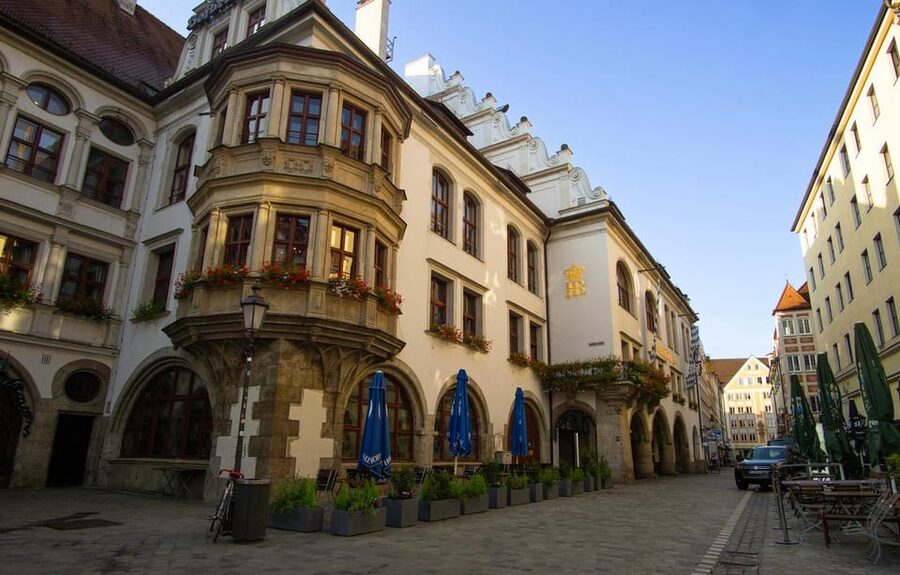
Then you hit a legend that adds spice to the route: the story of Teufeltritt. The walking format works well here because legends feel more believable when you are standing near the places they connect to. Your guide brings it to life with the kind of explanation that stays light, even when the tale is not.
This is also a good reminder of why a good old-town tour is worth it. You learn the “what,” but the real value is the “why people keep telling this.” Munich’s legends are not random. They reflect how communities explain danger, misfortune, and the unknown.
I like that the tour does not treat these stories as trivia. It treats them as part of the city’s personality, which makes the walking experience more memorable.
Big buildings and small meanings: monuments you actually understand
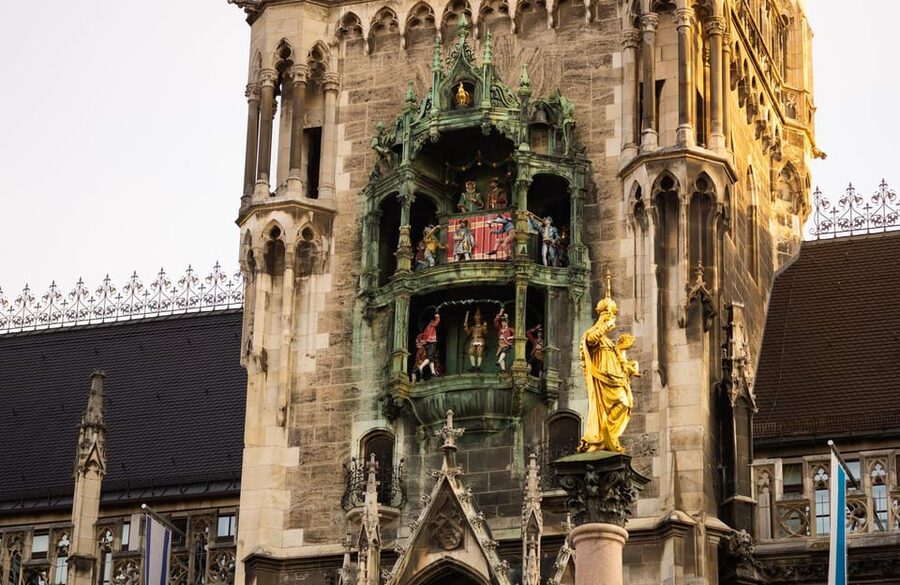
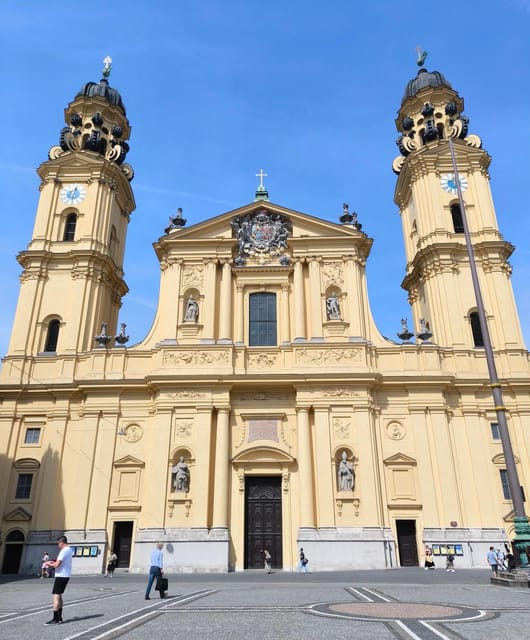
Throughout the route, you will see imposing buildings, monuments, and churches. The guide’s job is not only to point at famous facades. It is to explain what the objects are, how they relate to the old town’s identity, and what people historically used them for.
That matters because Munich’s center can look “obvious” on a first visit. You might think, I’ve seen cathedrals and town halls before. But once you get the local framing, the buildings feel specific. You begin to recognize recurring themes, like civic pride, religious influence, and the way public spaces organize city life.
If you like architecture but hate long lectures, this is a sweet spot. You get enough context to make the sights click, without getting stuck in details you will forget the next day.
More German cities at walking speed:



Viktualienmarkt: food and drink culture with an insider lens
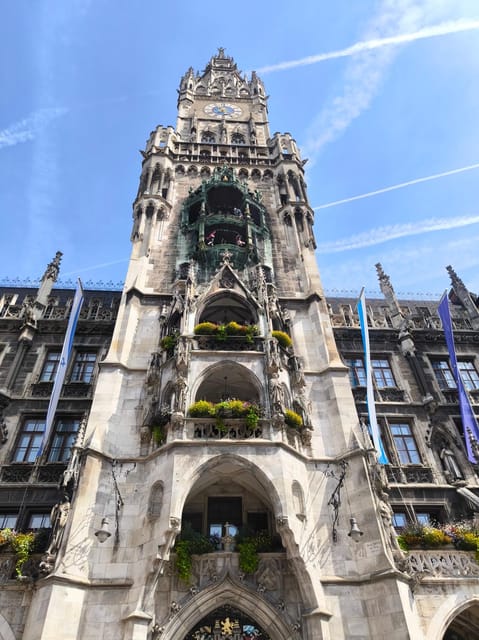
No old-town walk in Munich feels complete without the market energy of Viktualienmarkt. This tour makes that stop a key moment, not a quick glance. You get practical insight into the city’s food and drink culture, plus insider angles that make the market feel less like a tourist photo spot and more like a living routine.
I like how the tour connects history to taste. You walk from symbolic landmarks into a place where people actually buy, snack, and chat. That switch is smart. It keeps your attention and gives your brain a break from stone and statues.
If you are hungry, this stop also helps you plan your next bite. Even without it turning into a formal tasting event, you’ll come away knowing what to look for, what the market is known for, and how locals tend to think about food here.
One small note: tap water is included as part of the tour. If you prefer to avoid plastic during your trip, consider how you want to handle drinks. Some walkers may find that convenient cups at fountains are less ideal than they hoped, so plan accordingly if that matters to you.
Modern Munich, told through old-town streets
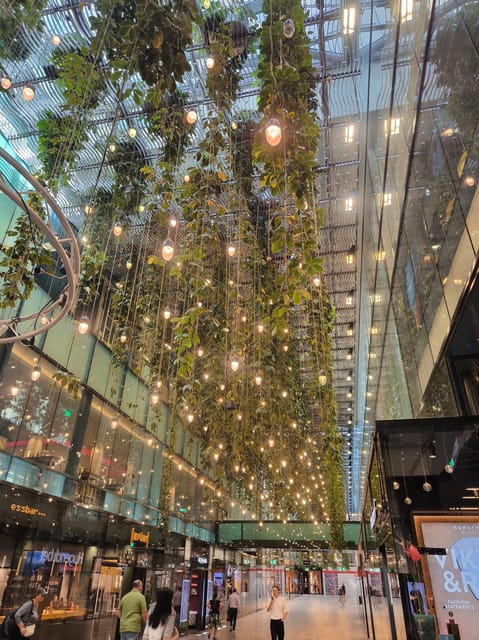
The tour is rooted in the old town, but it does not ignore the present. Your guide brings in contemporary charm and trendy places in today’s Munich, framed in a way that helps you understand what survived, what changed, and why.
This is where the humor helps. A funny anecdote can do more than entertain. It gives you a human angle on the city’s evolution, and you start noticing contrasts without feeling lost in time.
If you like a walking tour that helps you orient yourself, this one does the job. You leave with a sense of where the city feels old, where it feels lived in, and where it is moving.
Small surprises and a guide who keeps the pace human
Included with the tour are small surprises and tap water, which sounds minor until you realize how it affects your experience. Water keeps energy steady in a 2-hour walk, and small surprises break the rhythm at the right times.
Most importantly, this is a guide-led experience with insider knowledge. You’ll get facts about Munich traditions, but you’ll also get funny, memorable stories that you are unlikely to find word-for-word in a standard guidebook. That is the difference between a “see these sights” walk and a “you’ll remember this city” walk.
If your guide is named Fabi, that name comes up specifically for delivering a tour that people describe as perfect. If you happen to be with a guide like that, expect upbeat energy, good pacing, and stories that land well.
Private-group value: when 227 dollars makes sense
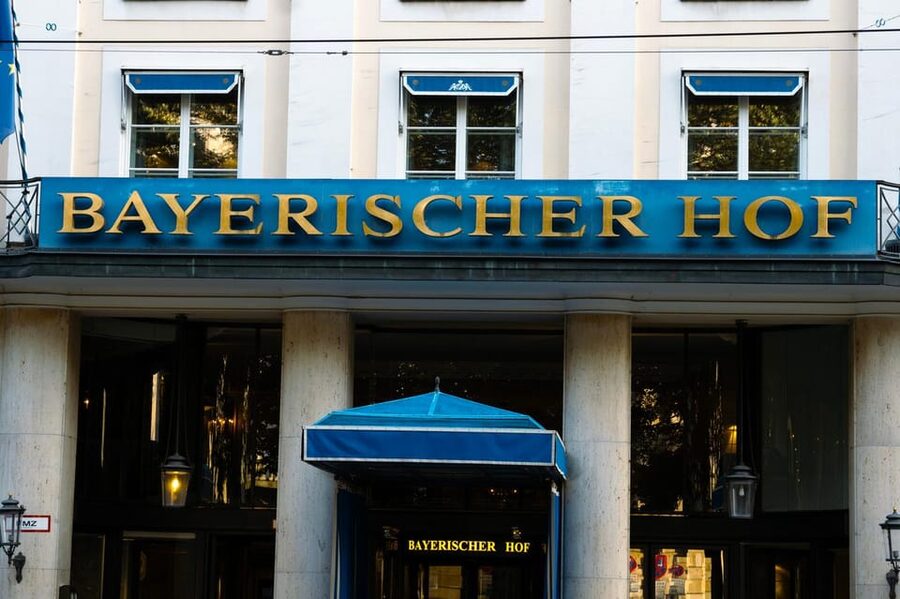
The price is $227 per group, up to 10 people, for a 2-hour walk. On the surface, that might sound high compared to per-person tours. But private-group pricing works best when you are traveling with friends or a small crew, since you effectively split the cost.
Think of it this way. You are paying for a personalized path through the old town with a live German guide, plus tap water and small surprises. If your group is 6 to 10 people, the value usually feels more attractive because you are not stuck with a crowd pace.
If you are solo, you might still find it worth it for the private attention and story-driven focus, but it may compete with cheaper group tours. For families or small friend groups who want a more relaxed experience, this pricing structure can be a practical win.
Who this walking tour suits best
This tour fits well if you want Munich’s old town explained with personality. It is a good match for couples, small groups, and anyone who likes learning traditions without turning the day into homework.
You’ll probably enjoy it most if you:
- Like stories tied to landmarks, especially legends and local mysteries
- Want a market stop with practical food and drink context
- Prefer a guided walking pace over self-guided wandering
- Don’t mind that the live guide language is German
If your German is limited, you might find parts of the tour harder to follow. Since the tour is listed as German only, it is worth planning your comfort level in advance.
A quick practical checklist before you set out
This is a 2-hour walking tour in central Munich, so comfort matters. Wear shoes you trust for cobblestones and uneven pavement, and plan a light layer for shifting weather.
If you care about avoiding plastic, think ahead about how you want to manage drinks at fountains or during the market section. Tap water is included, but the form it comes in may not match everyone’s preferences.
Finally, arrive with a flexible mindset. The best part of this tour is not memorizing every fact. It is letting the guide’s stories shape how you see Munich for the next day or two.
Should you book this Munich old-town sensory walk?
I’d book it if you want more than landmarks. You are paying for a guided stroll that connects Munich’s skyline towers, church-clock mysteries, and local legend culture to real street atmosphere, plus a meaningful stop at Viktualienmarkt.
Skip it if you want a long, detailed lecture or if German guiding is a deal-breaker. And if you hate walking in busy central areas, consider whether a different format would feel easier.
If your group is small and you want a private, story-first introduction to Munich’s old town, this tour is a solid value play.
FAQ
How long is the walking tour?
The duration is 2 hours.
Where does the tour start?
The start point is Marienplatz 8, 80331 Munich, at the carillon tower of the new town hall, downstairs at the entrance.
Where does the tour end?
It ends back at the meeting point.
Is this a private group or a shared tour?
This is listed as a private group.
What languages is the guide available in?
The live tour guide language is German.
How much does the tour cost?
The price is $227 per group, up to 10 people.
What is included in the tour?
Included items are a guide trained by the provider with insider knowledge, a guided walking tour through the old town, small surprises, and tap water.
What is not included?
More drinks are not included.
Can I cancel and get a refund?
Free cancellation is available up to 24 hours in advance for a full refund.
Is there a pay-later option?
Yes, you can reserve now and pay later.
Fresh on the arrivals board for Munich

Guided Walks in Munich, compared.
Old Town & Viktualienmarkt City Walk in German
Read our review →

Munich Ghosts and Spirits Evening Walking Tour
Read our review →

Birthplace of the Third Reich Guided Walking Tour
Read our review →Browse the lists this tour appears in