
Reviewed · GUIDED WALKS IN MUNICH
Munich: Must-See Attractions Walking Tour
Munich Old Town moves fast, and this tour helps you keep up. I especially love how you spend serious time at Marienplatz and get a close-up feel for the famous Rathaus-Glockenspiel, then you end with the no-nonsense atmosphere of Hofbräuhaus Brewery. One possible drawback to plan around: it is a short, 2-hour walk, so if you want lots of free time inside churches or for long beer-hall hangs, you may feel a bit rushed.
I also like the mix of big landmarks and practical city context, from St. Peter’s Church as Munich’s oldest Catholic church to Frauenkirche as Munich’s biggest church. For many people, the payoff is speed plus clarity. If you are sensitive to missed meetups or last-minute confusion, I suggest confirming the exact meeting spot shortly before you start.
In This Review
- Key things that make this tour worth your time
- Why Munich’s Marienplatz plus the Glockenspiel hits so well
- Meeting at The Charles Hotel on Sophienstraße 28
- Marienplatz square, where the tour turns the city into a map
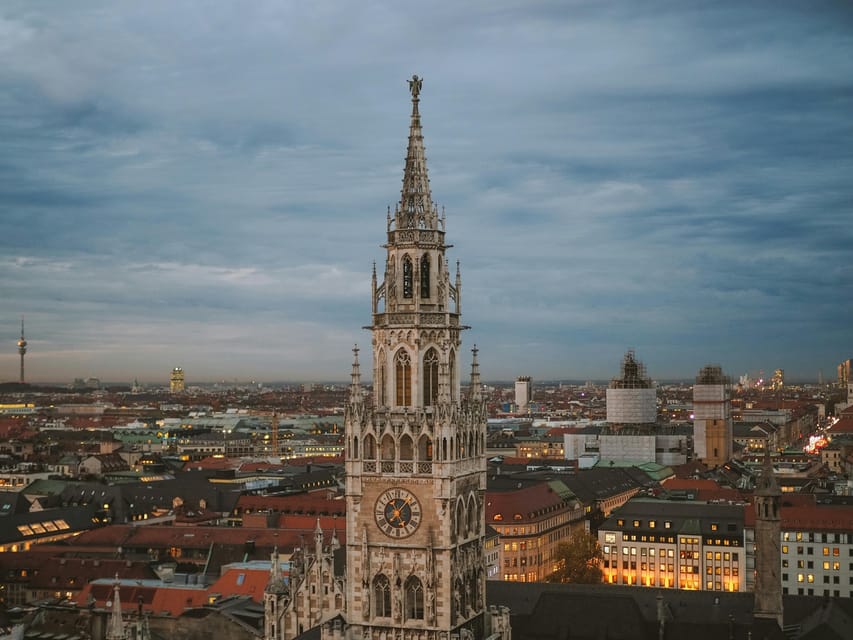
- Rathaus-Glockenspiel and the Neues Rathaus tower moment
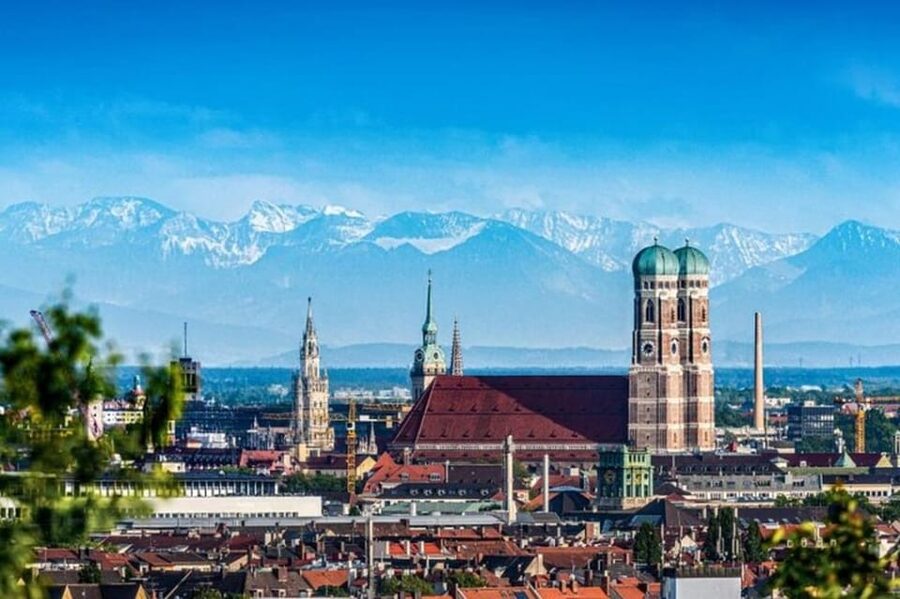
- Frauenkirche, Munich’s biggest church, and what to look for
- St. Peter’s Church, Munich’s oldest Catholic church
- Staatliches Hofbräuhaus, a cultural stop at the end
- How much you get for $44 and why the 2-hour format works
- Who should book this Munich Old Town tour
- Should you book this Munich walking tour?
- FAQ
- Where is the meeting point?
- How long is the tour?
- What languages are offered?
- What sights are included on the walk?
- Is the tour private or small group?
- Are food or drinks included?
- What should I bring?
- Can I cancel or change plans?
Key things that make this tour worth your time
- Marienplatz first, so you get your bearings fast and understand why this square matters
- Glockenspiel eye-level moments, including the New Town Hall tower and its 250-year-old mechanical clock
- Two landmark churches with different ages, Frauenkirche and St. Peter’s Church
- A focused walk through the royal and cultural role of Hofbräuhaus
- English, French, or Spanish guidance, so you do not lose the details
- 2 hours is just enough to cover the highlights without turning it into a whole day
Why Munich’s Marienplatz plus the Glockenspiel hits so well
If you only have a little time in Munich, Marienplatz is the logical place to start. This tour builds around that idea. You go straight to the central square, and your guide explains what it means for the city, not just what it looks like.
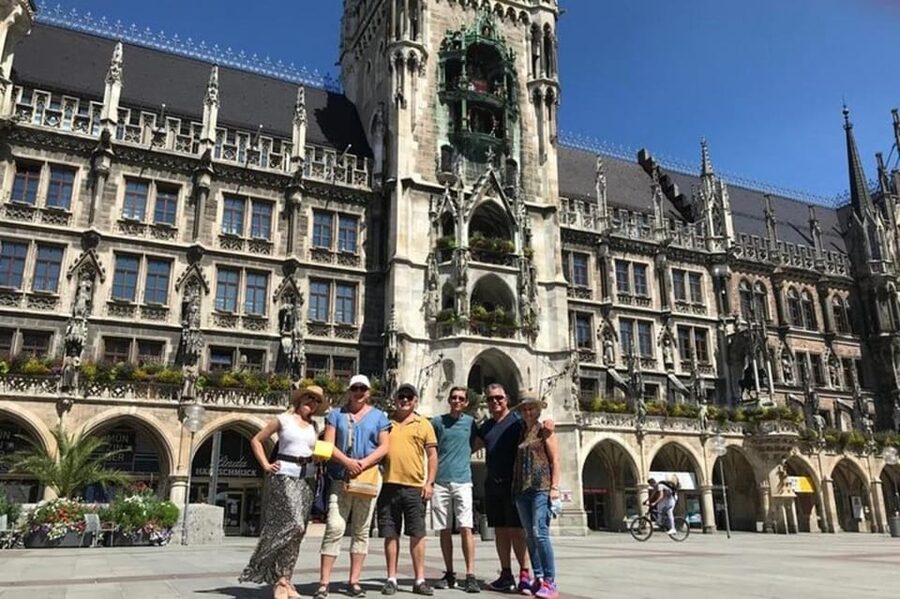
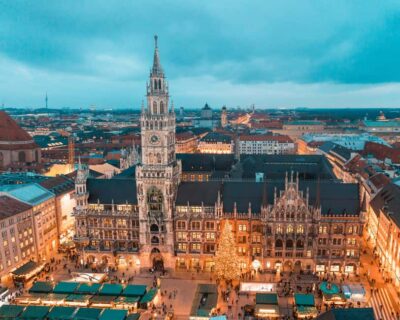
The star moment is the Rathaus-Glockenspiel. It is a large mechanical clock in Marienplatz, and it has been around for 250 years. The practical benefit is simple: once you know what you are looking at, the whole scene makes sense. You are not just standing under a clock tower, you are learning how Munich likes to tell its stories in public space.
Also, the tour does not treat the clock like a quick photo stop. You are guided through the area so you can understand the New Town Hall (Neues Rathaus) context along the way. You will likely find yourself looking up more than you expect. Plan for neck work, not a gentle stroll.
More Guided Walks in Munich
- Munich: Third Reich & WWII Walking Tour
★ 4.6 · 6,181 reviews - Third Reich Walking Tour Munich
★ 4.5 · 4,291 reviews - Munich: Old Town & Viktualienmarkt City Walk in German
★ 4.7 · 2,304 reviews
Meeting at The Charles Hotel on Sophienstraße 28
You meet your guide in front of The Charles Hotel, a Rocco Forte Hotel. The starting address is listed at Sophienstraße 28, so if you are using maps, aim for that exact landmark.
This matters more than it sounds. Munich’s Old Town core can look similar street to street, and a walking tour like this relies on everyone lining up on time so you can hit the main sights efficiently.
Here is my practical advice: be at the meeting spot early and take a moment to match what you see against what you planned. If you are contacting your guide ahead of time, do it with enough buffer that you can still adjust if replies are slow.
One more note for peace of mind. I have seen cases where the guide was not visible at the meeting point and messages did not get answered right away. That is not a reason to skip the tour, but it is a reason to confirm, and to keep your phone handy at the start.
Marienplatz square, where the tour turns the city into a map
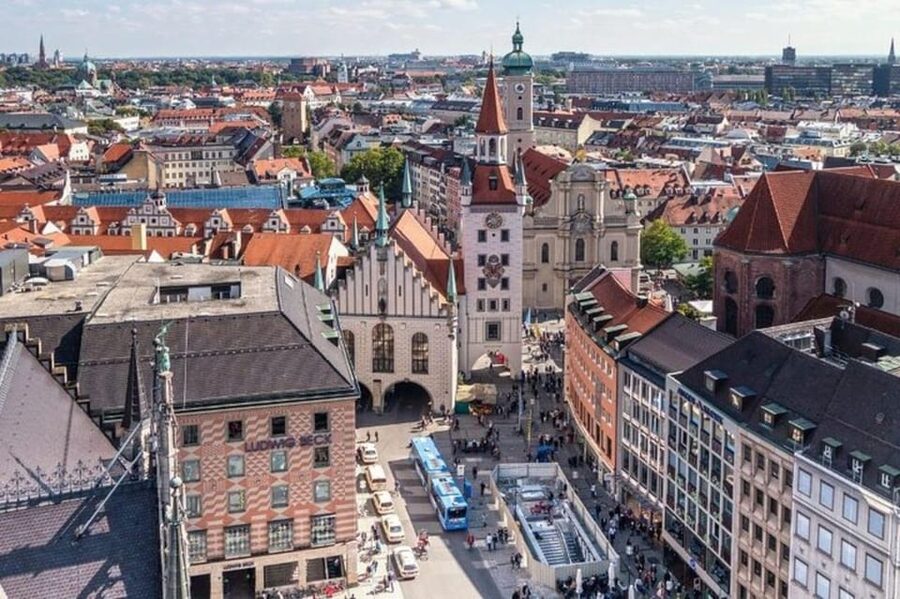
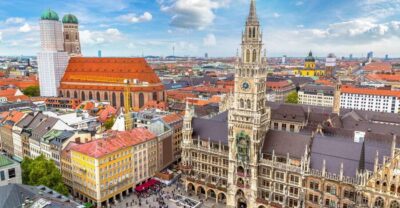
Marienplatz is more than a scenic center. It is a reference point. Once you stand there and understand the logic of the city layout around it, it becomes easier to explore on your own afterward.
During this tour, you do not just pass through. You are guided through the square and you learn why it is significant. That includes the way landmarks line up around it and how major civic life shows up in the architecture.
If you are the kind of traveler who likes to know where you are and why before taking pictures, this part is for you. Even if you already saw photos online, being guided in person helps you connect the visible details to the story behind them.
Rathaus-Glockenspiel and the Neues Rathaus tower moment
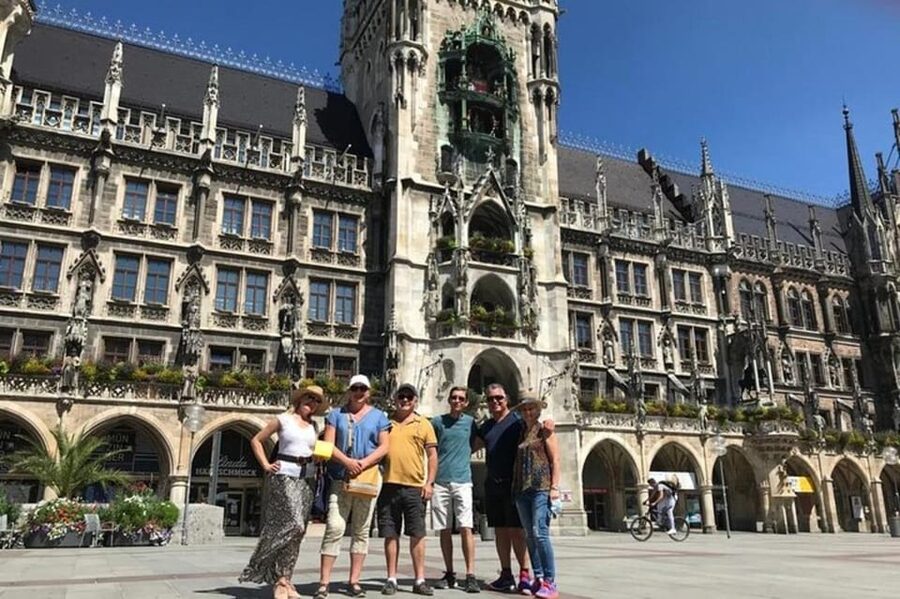
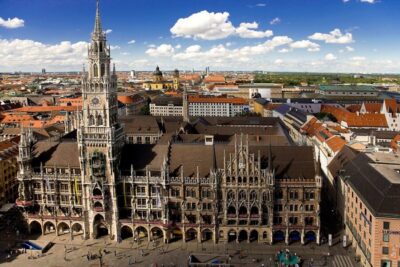
After Marienplatz, you focus on the Rathaus-Glockenspiel and the Neues Rathaus (New Town Hall). This building is described as the seat of the Munich Town Council, so your guide can connect the artwork and mechanical clock to the civic purpose of the place.
The Glockenspiel itself is called out as being mechanical and 250 years old, which is a big deal. You get the sense that this is not a modern gimmick. It is part of the city’s long habit of putting identity in public view.
Practical tip: stand where you can see the clock area without constantly shifting. If you constantly move, you miss details, and it can make the whole moment feel chaotic. If you are traveling in winter or cold weather, dress for standing still.
Frauenkirche, Munich’s biggest church, and what to look for
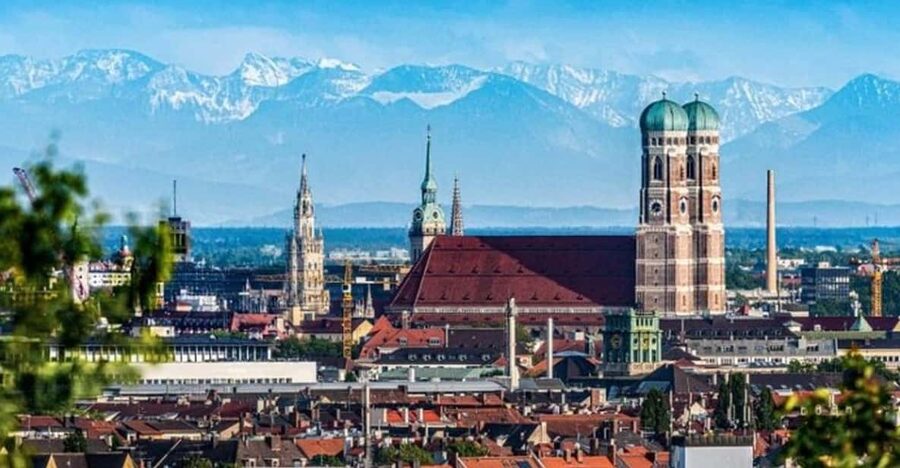
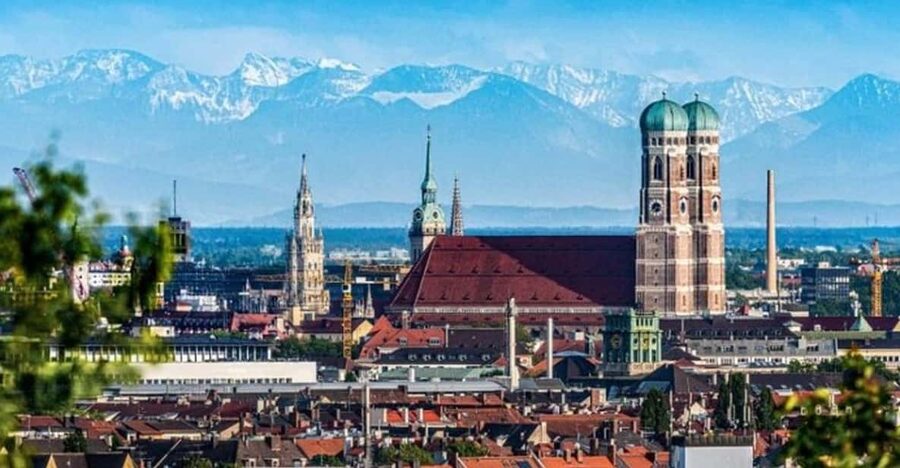
Then the tour moves to Frauenkirche, described as the biggest church in Munich. This is one of the stops that helps you feel the scale of the city’s religious architecture quickly.
You get guided time to understand the landmark, not just a quick exterior glance. That matters because big churches can look impressive but also confusing if you do not know what to notice. Your guide’s explanation is what turns the visit into something you can actually remember.
A good way to approach Frauenkirche during a short tour is to focus on two things: how the building presents itself and how it fits into the wider Old Town story you are learning. You are not just ticking off a church. You are learning how Munich uses major landmarks as anchors.
More German cities at walking speed:

St. Peter’s Church, Munich’s oldest Catholic church
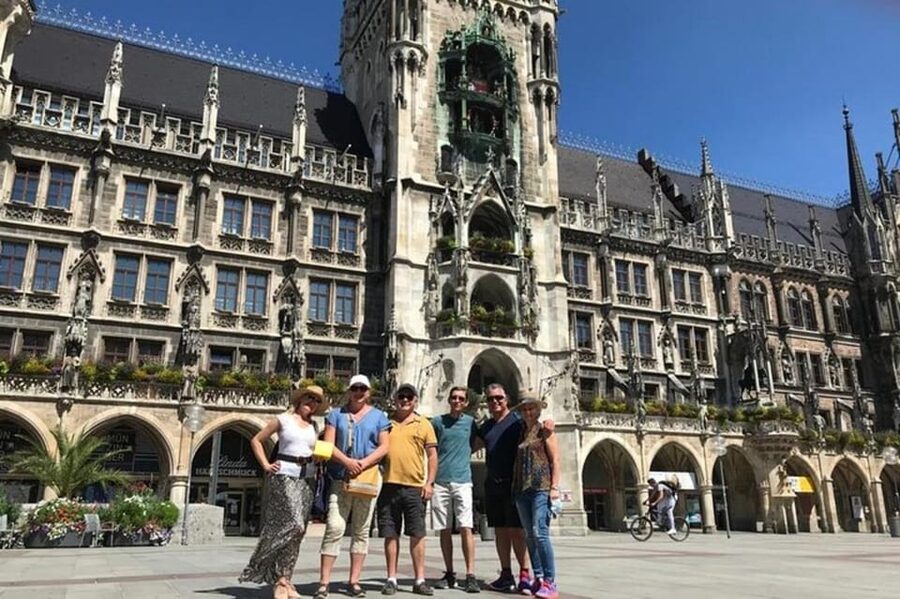
Next comes St. Peter’s Church, described as Munich’s oldest Catholic church. This stop works especially well right after Frauenkirche because you experience a kind of timeline without leaving the center of the city.
The value here is comparison. You get two church stops that are both major, but they are framed through age and significance. That gives you a clearer sense of how Munich’s Catholic story developed over time.
As you walk, your guide’s context helps you notice the difference between how places feel, not just how they look. In a 2-hour tour, that ability to make quick comparisons is what turns “I saw buildings” into “I understood something.”
Staatliches Hofbräuhaus, a cultural stop at the end
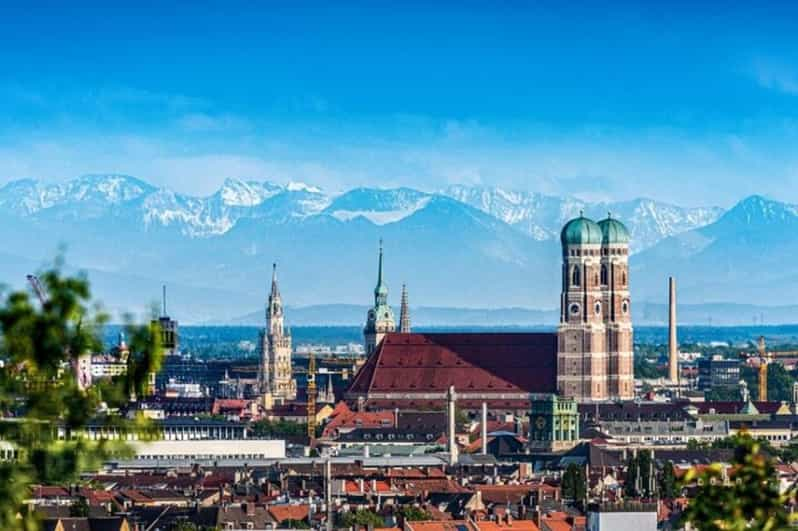
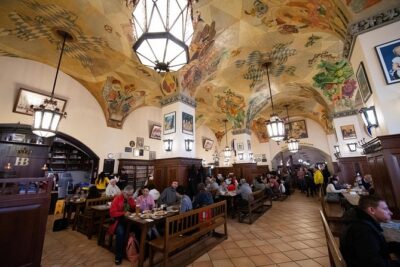
The tour finishes at Staatliches Hofbräuhaus in München. This is described as the most popular beer hall and brewery in the city, and also as world-famous. You also hear about its role in Munich culture and royal history.
Even if you do not plan to order anything during the tour, this stop matters. It connects the city’s historic civic landmarks to the everyday traditions that keep Munich feeling Munich. Beer halls are not just places to drink. They are places people return to, and guides often use them to explain local identity.
One practical consideration: food and drinks are not included. So if you want a meal or a proper tasting, you will need to plan that separately. The payoff is that you can end the tour, then decide what kind of evening you want without being locked into a package that includes snacks you did not ask for.
How much you get for $44 and why the 2-hour format works
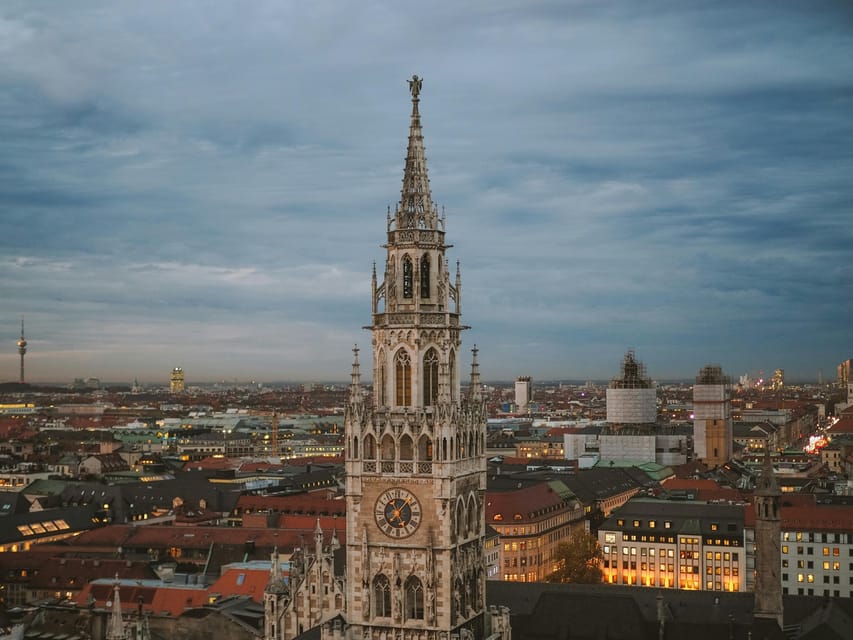
At $44 per person for a 2-hour walking tour, the value depends on what you want out of Munich in the time you have.
This tour is priced and designed for efficiency. You are not paying for a long day. You are paying for someone to point you to the key places, explain what they mean, and keep the flow from Marienplatz to the churches and then to Hofbräuhaus.
You also get a guide, and you can choose private group availability. A private option can be great if:
- you want a slower pace and more time on questions
- you are traveling with family and need flexibility
- you prefer a quieter experience than a larger group
If you are traveling solo, a small-group format can be a smart middle ground. You still get guided attention, but it can feel less formal than a private arrangement.
The most important thing to know: this is a walking tour. Comfortable shoes are a must. Also, because food and drinks are not included, come prepared to explore with energy, not with the expectation that you will be fed during the 2 hours.
Who should book this Munich Old Town tour
This tour is a strong match if you:
- are seeing Munich for the first time and want the major highlights in a short window
- like guided context, especially for landmark buildings and public squares
- want a practical evening plan, since the tour ends near the center and you can keep going
It might not be the best fit if you:
- want deep time inside multiple churches
- expect a longer beer hall experience with included tastings
- hate short itineraries, because you will still have a full day gap after the 2 hours if you want more
If you can, ask for a guide like Roberto if that option is available to you. One guide was specifically praised for being personable and bringing in extra historical context, including World War II stories. That kind of context can turn a straightforward highlights walk into something you remember when you are back home.
Should you book this Munich walking tour?
Yes, if your goal is smart orientation plus landmark highlights in a tight time window. This tour does a good job of threading together the city’s civic center (Marienplatz and the Glockenspiel), major church landmarks (Frauenkirche and St. Peter’s Church), and a classic Munich cultural stop (Staatliches Hofbräuhaus) without dragging out the day.
Book it with the mindset that it is a guided walk, not a long sit-down experience. Wear comfortable shoes, stand where you can see the clock area clearly, and treat the end at Hofbräuhaus as a launch point for your own dinner plans.
FAQ
Where is the meeting point?
Meet your guide in front of The Charles Hotel, a Rocco Forte Hotel.
How long is the tour?
The tour lasts 2 hours.
What languages are offered?
The live tour guide is available in English, French, and Spanish.
What sights are included on the walk?
You will visit Marienplatz, Frauenkirche, St. Peter’s Church, the Rathaus-Glockenspiel, Neues Rathaus, and Staatliches Hofbräuhaus in München, plus more stops along the way.
Is the tour private or small group?
It can be private or a small-group walking tour, depending on the option you choose. Private group is available.
Are food or drinks included?
No. Food or drinks are not included.
What should I bring?
Wear comfortable shoes.
Can I cancel or change plans?
You can cancel up to 24 hours in advance for a full refund, and you can reserve now and pay later.
Fresh on the arrivals board for Munich


Guided Walks in Munich, compared.
Old Town & Viktualienmarkt City Walk in German
Read our review →
Munich Ghosts and Spirits Evening Walking Tour
Read our review →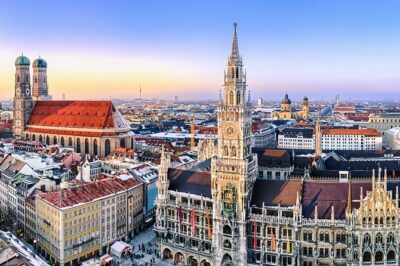

Birthplace of the Third Reich Guided Walking Tour
Read our review →Browse the lists this tour appears in