
Reviewed · GUIDED WALKS IN MUNICH
Munich: Highlights Walking Tour with a Guide
Old Town Munich runs on details, and this tour teaches you how to spot them fast. You get the big sights you came for, plus local context at stops like Marienplatz and Staatliches Hofbräuhaus. It’s a tight 3-hour walking tour that helps you understand what matters and what to ignore.
My favorite part is the guide-led flow: you’ll see the landmarks, but you’ll also get advice for what to do next in Munich. I also like that you can keep it private and customizable, so the pace and emphasis can match your interests. The main drawback to consider is that the route can skew toward churches and historic war damage, so if that’s not your thing, you’ll want to set expectations early.
If you’re here for your first look at Munich, this is a practical way to get your bearings. Bring comfortable shoes, and plan your day so you can catch the Glockenspiel when it’s running.
In This Review
- Key highlights to look for
- Starting at Marienplatz 15, right where Munich feels central
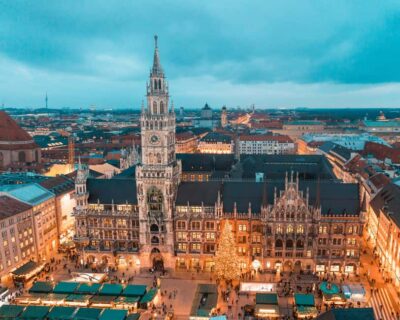
- Marienplatz and the Glockenspiel schedule you should plan around
- Frauenkirche: Munich’s biggest church, plus why war scars matter
- Rathaus-Glockenspiel: the crowd magnet you’ll understand after this stop
- Hofbräuhaus and beer culture: purity law and Oktoberfest context
- Odeonsplatz: beautiful square, heavy 1930s and 1940s history
- Residenz and the Wittelsbach clue you can carry all day
- Viktualienmarkt: the fresh-food market stop that helps you plan after
- Price and value: is $53 per person a fair deal?
- Who this tour suits best, and who should rethink it
- Smart timing and a simple plan so you don’t miss the big moment
- Should you book this Munich Old Town highlights walking tour?
- FAQ
- Where is the meeting point for the tour?
- How long is the walking tour?
- What main sights does the tour cover?
- When does the Marienplatz Glockenspiel perform?
- Is the tour private?
- What’s included in the price?
- Are food and drinks included?
- What languages are offered for the live guide?
- Is this tour wheelchair accessible?
- What is the cancellation policy?
Key highlights to look for
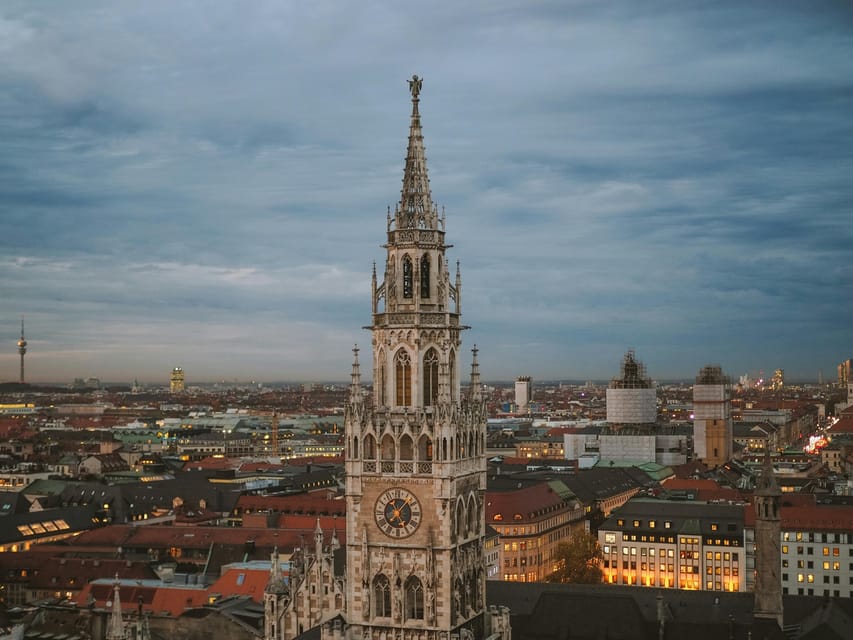
- Marienplatz timing focus with the Glockenspiel shown at 11:00, 12:00, and 17:00 (March to October)
- Frauenkirche visit at Munich’s biggest church, plus the meaning behind its role in the city
- Rathaus-Glockenspiel history at one of Munich’s most visited sights
- Hofbräuhaus stop with talk of the beer purity law and Oktoberfest
- Odeonsplatz historical context including its use in the 1930s and 1940s
- Residenz + Viktualienmarkt pointers so you know what to prioritize after the walk
Starting at Marienplatz 15, right where Munich feels central
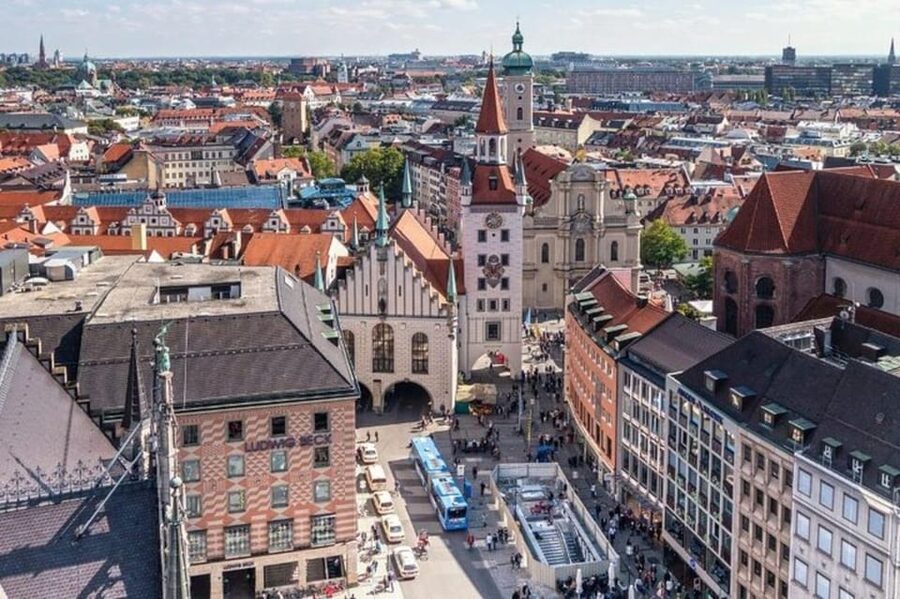
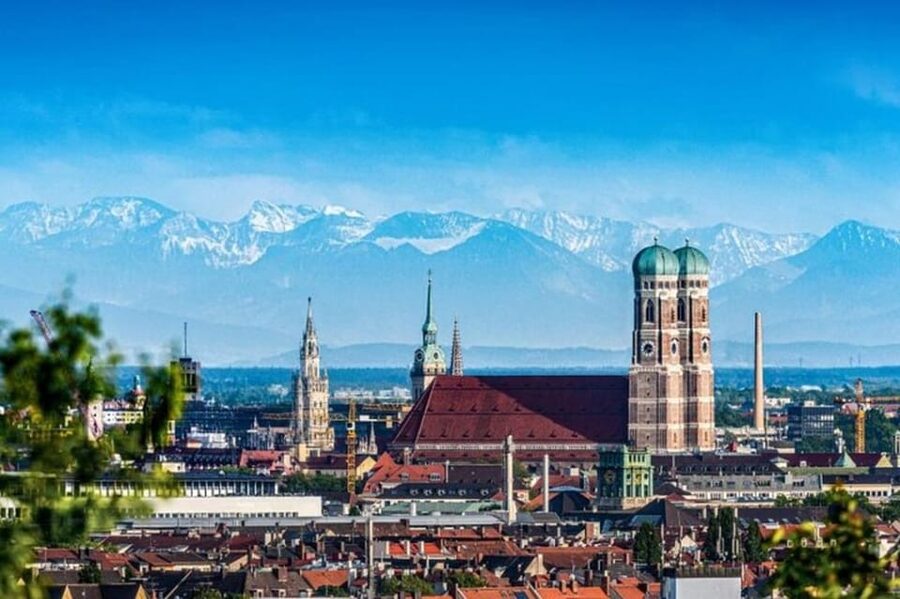
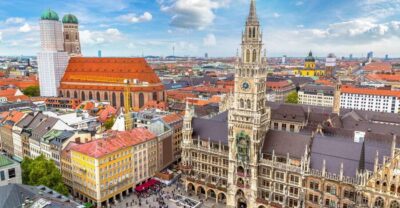
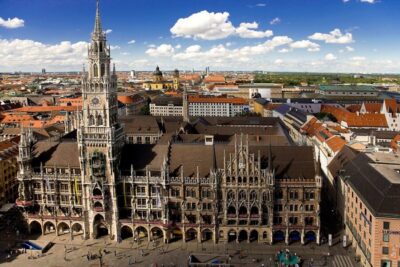
This tour begins in the heart of Munich’s Old Town, at Marienplatz 15, in front of the Julia-Capulet-Statue. That matters more than it sounds. Meeting here puts you at the city’s rhythm, so your “first hour” isn’t a slow warm-up. You’re already surrounded by the buildings and squares that shaped Munich’s story.
Your guide sets the tone quickly. You start walking and you’re not stuck with a long briefing. Expect a guided pace built for seeing multiple landmarks in a short time, while still hearing what they actually mean.
If you’re planning photos, arrive a touch early. Marienplatz is a magnet for cameras and it can get crowded, especially around show times.
More Guided Walks in Munich
- Munich: Third Reich & WWII Walking Tour
★ 4.6 · 6,181 reviews - Third Reich Walking Tour Munich
★ 4.5 · 4,291 reviews - Munich: Old Town & Viktualienmarkt City Walk in German
★ 4.7 · 2,304 reviews
Marienplatz and the Glockenspiel schedule you should plan around
You’ll spend time at Marienplatz, and this is the part most people remember. The Glockenspiel performs at 11:00, 12:00, and 17:00 from March until October. Your guide helps you understand what you’re looking at, not just when to stand.
Here’s the practical tip: check your watch and don’t treat the performance as an optional extra. In this time window, it’s the biggest “timed moment” of the tour. If you want the 12:00 show, you’ll want the tour to be arranged so you’re back in the Marienplatz area with enough time to settle in.
Also, keep your expectations realistic. This is a walking highlights tour, not a stay-forever museum ticket session. You’ll get key views and explanations, then you’ll move on. That’s the trade-off for covering more ground in just three hours.
Frauenkirche: Munich’s biggest church, plus why war scars matter
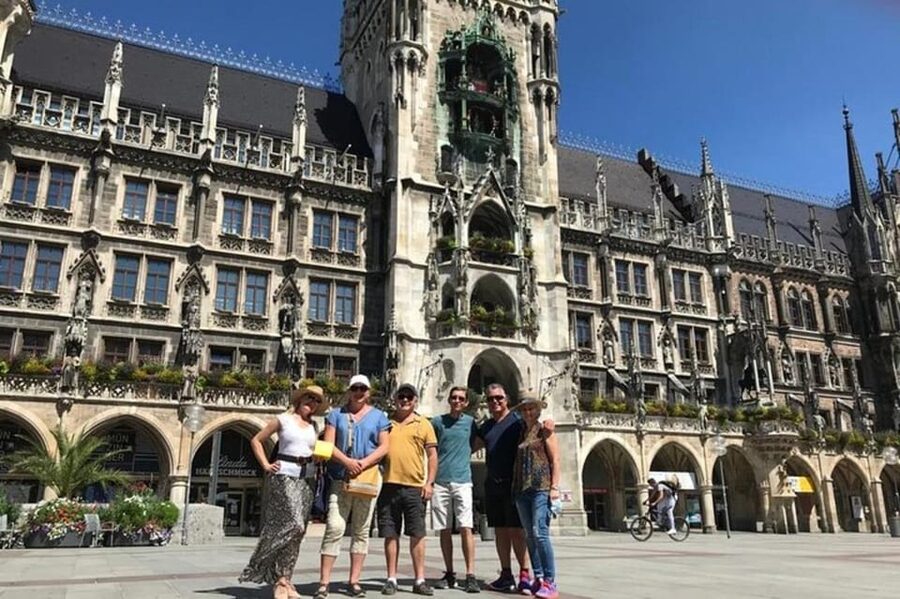
Next up is Frauenkirche. It’s Munich’s largest church and a major cathedral, so it works as a foundation stop. The guide frames it as more than architecture. You’ll hear what it represents in the city and why it became such a landmark.
One important consideration: some routes and guides put extra emphasis on the effects of wartime damage and how the church looks today. That can be fascinating for some people, but it can feel like a heavy lecture if you’re not interested in religious buildings or the wartime restoration angle.
If you’d rather spend your energy on palaces, markets, and civic landmarks, tell your guide early. You’ll get the most satisfaction when the guide knows what you want, and when to keep the focus on what fits your interests.
Rathaus-Glockenspiel: the crowd magnet you’ll understand after this stop
After Marienplatz, you’ll also see the Rathaus-Glockenspiel, one of Munich’s most visited attractions. Even if you’ve already heard about the Glockenspiel, this stop is useful because it adds meaning. You’ll learn about its history and significance, so it doesn’t feel like just another “pretty clock thing.”
This is one of those highlights where a good guide makes the experience click. When you understand what the figures represent and why the display matters, the performance feels less random and more like part of Munich’s identity.
Timing still matters here. If you’re trying to catch a show, plan to be in the area a little earlier than you think you need. Squares attract crowds, and you’ll want a decent view.
Hofbräuhaus and beer culture: purity law and Oktoberfest context
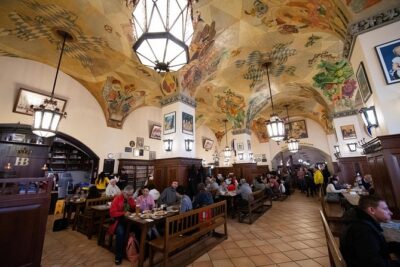
Then you head to Staatliches Hofbräuhaus in München, the world-famous beer hall. This stop is less about quiet sightseeing and more about Munich’s drinking-and-social traditions, even if you don’t plan to order a beer.
What makes it valuable is the guide’s background context. You’ll get fun facts tied to the beer purity law and how that connects to Munich culture. You’ll also hear about Oktoberfest, which helps explain why the city treats beer season like a major event, not just a party.
Practical note: this tour does not include drinks or food. That’s actually good for control. You can choose whether you want to sit down, do a quick look, or save your appetite for later in the day.
More German cities at walking speed:

Odeonsplatz: beautiful square, heavy 1930s and 1940s history
Odeonsplatz is one of Munich’s most beautiful squares, and it comes with a serious side. Your guide will share historical context, including its use for Nazi rallies in the 1930s and 1940s.
This is an area where the tone has to be right. For me, the value of the stop is learning the why behind the architecture and location. The square is visually impressive, but understanding what happened here gives you a more honest read of Munich.
If this subject matter is uncomfortable for you, you can still use the stop effectively. Ask your guide to keep the facts focused and to point out how the city moved beyond that period.
Residenz and the Wittelsbach clue you can carry all day
The tour includes time to visit or at least move through the Residenz, described as the largest inner city palace in Germany. This is the ancestral home of the Wittelsbach Royal family of Bavaria, so it connects the dots between Munich as a city and Bavaria as a region.
What I love about this stop is that it helps you understand why Munich looks the way it does. Once you get the Wittelsbach connection, you’ll start noticing power and influence everywhere, from civic buildings to royal-era details.
Realistic expectation check: with only three hours, you may not get a long, slow interior experience. If you want specific rooms inside the palace, you’ll want to use the tour’s included option to get help booking tickets for the visits you care about.
This is where a private, customizable tour can shine. If your interests lean more toward royal history than church history, you can steer the balance.
Viktualienmarkt: the fresh-food market stop that helps you plan after
You’ll also pass by Viktualienmarkt, the largest inner-city fresh food market in Germany. Even if you only get a quick look, it’s a useful “where to go next” stop.
Markets like this are great for a practical reason. They give you an easy way to eat like a local without guessing. If you’re trying to stretch your time in Munich, the market is a convenient landing spot after the walk.
Since the tour does not include food, use this moment to scan what looks good, note vendors you want to return to, and decide whether you’ll do a snack or dinner later.
Price and value: is $53 per person a fair deal?
At $53 per person for about three hours, this tour lands in the mid-range for a private, guide-led highlights walk. The value isn’t just that you’ll see major landmarks. It’s that you’ll get a guide to connect them, plus ongoing city advice for what to do after you’re done walking.
A few value drivers that matter:
- You get one guide who can tailor emphasis to your interests when you choose the private option.
- You don’t spend your time sorting out where to go and why each place matters.
- You can get help booking tickets for visits you want to add later.
In a city like Munich, it’s easy to waste time on the wrong priorities. This tour helps you choose better next steps.
Where the value can drop is when your expectations and the guide’s focus don’t align. One disappointing scenario described a tour that felt too church-heavy, with less time to reach other planned highlights. The fix is simple: tell your guide up front what you care about, and ask how the schedule will work if you want to catch the 12:00 Glockenspiel.
Who this tour suits best, and who should rethink it
This works best if you:
- Want a first-timer Munich orientation on foot
- Like structured time with flexible guidance
- Want both iconic stops and advice for your next moves
- Prefer a guide to handle the “why” behind the sights
It might not be ideal if you strongly dislike church interiors or the wartime restoration conversation, and you assume every church stop will be brief. In that case, I’d still consider booking, but message your guide needs clearly before you start.
A good sign from past experiences is that guides can be friendly and tuned to your requirements. Names like Elettra and Roberto have been associated with guides who were engaging and information-forward, and that’s exactly what you want in a short tour.
Smart timing and a simple plan so you don’t miss the big moment
Here’s the basic game plan I recommend:
- If you want the Glockenspiel, plan around the March to October show times: 11:00, 12:00, 17:00.
- Tell your guide that you care about that performance, and ask where you’ll be in relation to Marienplatz when the time comes.
- Decide your personal balance: churches first, or palaces and civic sights first.
Because the tour is only three hours, the routing has to make choices. That’s normal. But you don’t have to be passive about it. A private tour works because you can communicate your priorities, and you can ask for a schedule that matches them.
If you’re the type who hates feeling rushed, ask about pacing at the start. If you’re the type who wants to move quickly and spend your energy later, the guide can usually adjust the emphasis.
Should you book this Munich Old Town highlights walking tour?
Book it if you want a fast, practical introduction to Munich’s Old Town with the big hits: Marienplatz, Frauenkirche, Rathaus-Glockenspiel, Hofbräuhaus, Odeonsplatz, and the Residenz area, plus pointers to Viktualienmarkt.
Think twice if you’re very sensitive to church-focused content, or if catching a specific Glockenspiel show is your top priority and you don’t want any routing surprises. In that case, do one thing before you start: make your priorities crystal clear to the guide, especially time-sensitive ones.
If your goal is to get your bearings fast and leave with a clear plan for the rest of your trip, this tour is a solid value.
FAQ
Where is the meeting point for the tour?
Meet your guide in front of the Julia-Capulet-Statue at Marienplatz 15.
How long is the walking tour?
The tour lasts 3 hours.
What main sights does the tour cover?
You’ll see Marienplatz, Munich Frauenkirche, the Rathaus-Glockenspiel, Staatliches Hofbräuhaus in München, Odeonsplatz, the Residenz area, and you’ll pass by Viktualienmarkt.
When does the Marienplatz Glockenspiel perform?
From March until October, it performs at 11:00, 12:00, and 17:00.
Is the tour private?
A private and exclusive tour is available if you select the private option. A private group is also available.
What’s included in the price?
The guide and the walking tour are included. The tour also includes help from the team to book tickets for the visits you want.
Are food and drinks included?
No. Drink or food is not included.
What languages are offered for the live guide?
The live guide is available in English, French, Spanish, Italian, and German.
Is this tour wheelchair accessible?
Yes, the tour is listed as wheelchair accessible.
What is the cancellation policy?
Free cancellation is available up to 24 hours in advance for a full refund.
Fresh on the arrivals board for Munich


Guided Walks in Munich, compared.
Old Town & Viktualienmarkt City Walk in German
Read our review →
Munich Ghosts and Spirits Evening Walking Tour
Read our review →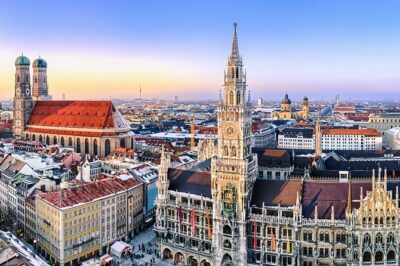

Birthplace of the Third Reich Guided Walking Tour
Read our review →Browse the lists this tour appears in