
Reviewed · WALKING TOURS
Kiel: City Highlights Express Walking Tour with a Local
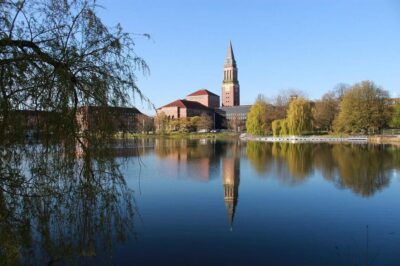
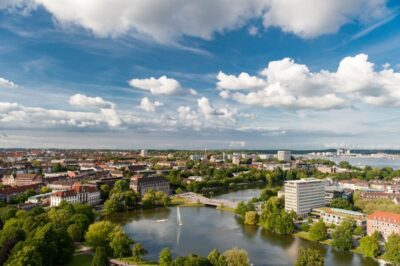
Kiel has better stories on foot. This Kiel City Highlights Express Walking Tour turns a quick 90 minutes into a smart overview of the city, with a local guiding you past the big landmarks and the little clues you would miss on your own. You start near the Otto Bismark Statue and work your way toward the Opera House and the harbour area, where the mood changes fast from grand buildings to salty waterfront life.
I especially liked two things. First, the architecture stops feel purposeful, not random, with major sights like the Kiel Town Hall and the Protestant St. Nikolai Church explained in plain language. Second, the group stays small, so you can ask questions and get answers from someone who knows Kiel beyond the postcard facts.
One drawback to consider: this is real walking. The tour is not suitable for people with mobility impairments, and weather can shift stops, so wear comfortable shoes and dress for conditions.
In This Review
- Key things to know before you go
- Why this 90-minute Kiel walk is a great plan
- Starting at the Otto Bismark Statue: get your bearings fast
- The Opera House stop: architecture that sets the tone
- Kiel Town Hall and the big-city feel of a working port
- St. Nikolai Church: the oldest-building moment
- The Old Market: where atmosphere does the talking
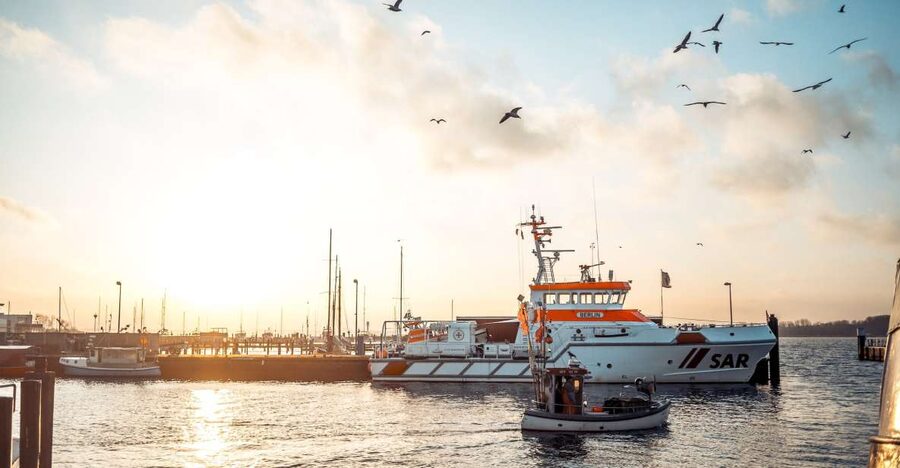
- Stroll along the harbour: Kiel’s change of pace
- Bismarck-Denkmal: when side stories add meaning
- Group size and pacing: why it feels different from a big tour
- Price and value: $116 for an “express” walk that actually informs
- What to bring so the tour feels easy
- Who this Kiel tour is best for
- Should you book the Kiel City Highlights Express?
- FAQ
- Where is the meeting point for the Kiel walking tour?
- How long is the tour?
- What languages are the guides?
- How big is the group?
- What should I bring?
- Are museum, transport, or monument entry tickets included?
- Is the tour suitable for people with mobility impairments?
Key things to know before you go
- Meet in front of the Otto Bismark Statue to get going fast
- Small group size (about 2 to 6 people, up to 8) keeps it personal
- Top Kiel landmarks include the Opera House, Kiel Town Hall, and St. Nikolai Church
- Harbour stroll gives you that classic Kiel change of pace
- Weather and interest-based routing means your path can adapt
Why this 90-minute Kiel walk is a great plan
A city highlights tour can either be a checklist or a feel for place. This one leans toward the second goal. With 90 minutes, you get enough time to see major landmarks like the Opera House and St. Nikolai Church, but not so much that you lose energy before you understand the story.
For me, the best value in a short walk like this is how it helps you orient. When someone points out why one building matters, or what to notice in the façade or setting, your brain starts connecting the dots. That makes your next walk through Kiel feel easier, not like you are starting over from zero.
Also, the tour is local-led and offered in English and German. That matters. You are not just hearing facts, you are hearing context in the tone of someone who actually lives with these sights, season after season.
More German cities at walking speed:
- Lubeck Private Walking Tour With A Professional Guide
★ 4.5 · 10 reviews - Discover Berlin Half-Day Walking Tour
★ 5.0 · 9,624 reviews - Berlin City walk Government District and Places of Democracy
★ 4.7 · 8,467 reviews
Starting at the Otto Bismark Statue: get your bearings fast
You meet in front of the Otto Bismark Statue. It is a solid starting point because it tells you what to watch for right away: where the city focuses attention, and how key figures and public spaces shape the urban layout.
If you like to plan smart, arrive a few minutes early and take a quick look around before the guide gathers everyone. Notice the flow of streets and the direction you will walk. In a 90-minute tour, that small habit helps you remember more, and it makes later independent wandering feel less confusing.
One practical tip, and it is simple: if you have a charged smartphone, you will be able to check directions, save photo spots, or look up names the guide mentions as you go. The tour is short enough that you will want to keep up.
The Opera House stop: architecture that sets the tone
The tour begins with the city’s major art venue, the Opera House, and you spend time admiring its architecture. This is not just a photo stop. The point is to understand how Kiel presents itself through cultural buildings and public grandeur.
When a city builds something like an opera house, it is making a statement about identity. In Kiel’s case, the guide connects that statement to the broader history you see across central landmarks. Even if you are not an opera person, the architecture is worth your attention because it sets the tone for the rest of your walk.
What to look for on this stop:
- How the building sits in relation to nearby streets and open areas
- Details the guide points out about style and significance
- The transition from civic grand scale to smaller historic scenes soon after
This is a “slow down for a moment” stop. If you rush it, you lose the context that makes the rest of the tour click.
Kiel Town Hall and the big-city feel of a working port
After you get your first landmark fix, you move toward the Kiel Town Hall. This is where the walk starts feeling more like how Kiel runs, not just how it looks.
Town halls matter because they anchor governance in a physical space. A guide’s job here is to help you read the building like a clue. You will likely hear why certain features are important, and how the town hall fits into the rhythm of the center.
If you are the type who likes cities to make sense, this is one of the stops that rewards attention. You start understanding the city structure behind the scenery. And because the tour is designed to adapt to walking pace and interests, you might spend a little more time here if you ask good questions.
St. Nikolai Church: the oldest-building moment
One of the highlights is visiting St. Nikolai Church, described as the city’s oldest building. That phrasing matters, because it changes how you look at the church.
A church this old is not just a pretty façade. It is a long timeline made visible in stone. The guide helps you connect it to Kiel’s Protestant roots and the way religious and civic life shaped what people built, where they built it, and how long the city continued to use those spaces.
Practical advice for this stop:
- Keep your eyes up and take in the scale, then look for specific details the guide highlights
- Take a moment to check your surroundings so you understand how the church sits in the older parts of town
- If you are photographing, give yourself one steady minute rather than five quick shots
This is the kind of stop that can turn a walk from sightseeing into understanding, because you start seeing historical continuity instead of isolated landmarks.
Also holding a platform in Kiel


The Old Market: where atmosphere does the talking
From there, you move through the area around the Old Market. Market areas are useful on highlights tours because they show how people used the city day to day. Even when you are not shopping, you get a sense of where life gathers.
What I like about including the Old Market is that it balances the heavier architecture stops. You get a more human scale, and your guide can use the setting to explain how Kiel’s history played out in everyday public space.
If you want to get the most out of this segment, slow your pace just a bit. Walk, then pause when the guide talks. Standing still for ten or twenty seconds helps you absorb the point, and it often makes the guide’s explanation land better.
Stroll along the harbour: Kiel’s change of pace
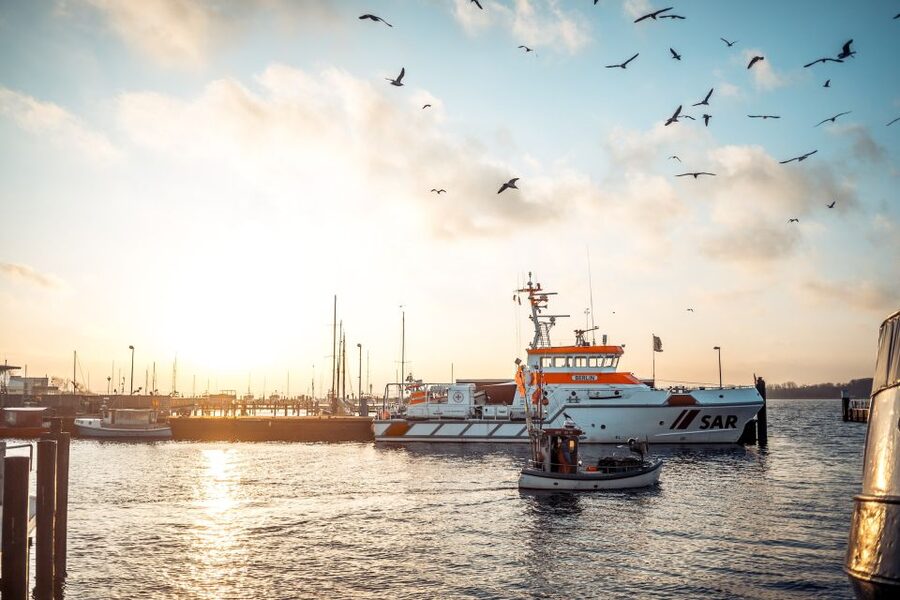
The tour’s harbour element is a major payoff. You get a picturesque stroll along Kiel’s harbour, and that shift is not a small detail. It is how Kiel breathes.
In a short tour, the harbour works like a reset button. Urban buildings give you history and identity. The harbour gives you economy, maritime connection, and that open-air feeling that makes Kiel feel like a real working city.
On this part of the walk, I would focus on:
- How the waterfront changes your perspective compared to the center streets
- The way the city’s character turns outward toward water
- Any memorials or points the guide mentions in the harbor direction
If the weather is decent, this is also where your photos will look best. Even cloudy light tends to work for waterfront scenes because reflections are softer.
Bismarck-Denkmal: when side stories add meaning
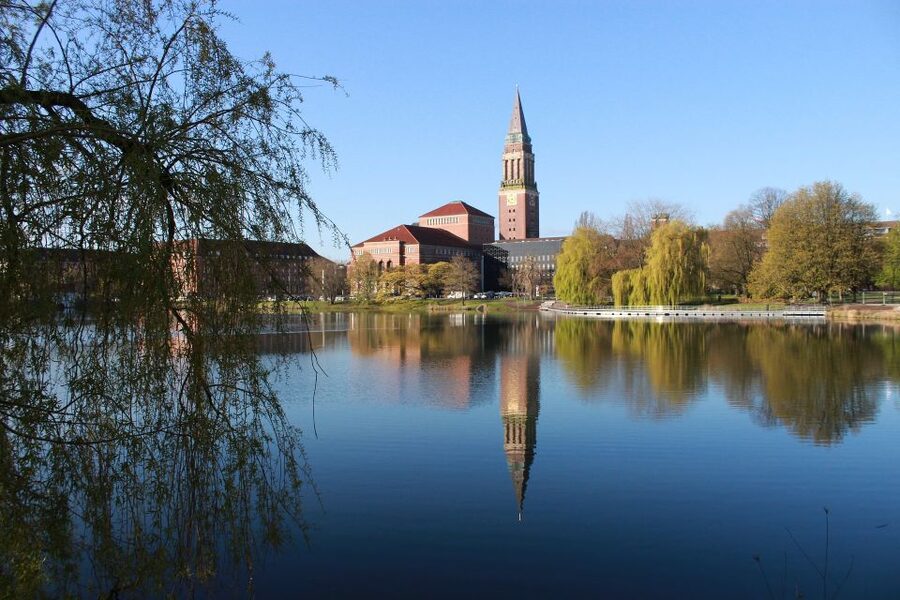
Another stop you might see is the Bismarck-Denkmal memorial. Including something like this is smart because memorials add another layer. They are not just decorative, they are places where the city chooses to remember and frame certain events or people.
What makes a memorial stop worthwhile is what you take away afterward: you start seeing references in the city that you would otherwise miss. A guide’s role is to connect the memorial to broader local context so it does not feel random.
If you like history that is tied to specific spots, this is likely one of the moments you will remember later, even if you forget a few photo angles.
Group size and pacing: why it feels different from a big tour
This is a small group experience, typically 2 to 6 people, with information also noting up to 8 travellers. That size changes the entire vibe. You are not shouting over other conversations. You can hear the guide and follow the explanation without craning your neck.
The itinerary also adapts to your interests and walking pace. That means if the group is more architecture-focused that day, you should expect more time spent where the building details are. If the group is more history-focused, you might get a different emphasis at key stops.
Just keep in mind that stop order and exact locations can vary depending on weather conditions. That is normal for a walking tour, but it is still good to go in with flexibility. Pack for the forecast, and do not worry if the path shifts slightly.
Price and value: $116 for an “express” walk that actually informs
At $116 per person for about 90 minutes, you might wonder if it is worth it. Here is how I judge value on a short city walk.
This price makes sense if:
- You want an overview that helps you understand Kiel quickly, not just take pictures
- You care about guided context at multiple key landmarks, including St. Nikolai Church and the Opera House
- You want a small-group experience where your questions matter
You also get live guidance in English and German, so you are not stuck with summaries or self-guided guessing. And the tour is designed to include several high-impact stops, from major civic and cultural buildings to the harbour.
What is not included is also important. Entry tickets for transportation, museums, and monuments are excluded. So you are paying for the walk and guidance, not admissions. If your plan is only to see exteriors and learn what they represent, that is fine. If you want to go inside attractions, you may need to budget separately.
What to bring so the tour feels easy
This tour is short, but you still want to be comfortable. Bring:
- Comfortable shoes (walking time adds up)
- Water
- Weather-appropriate clothing
- A charged smartphone
That last one sounds basic, but it helps. You can track where you are, save photo angles, and quickly check names you hear in English or German.
Also, plan to dress for the possibility that stops can shift due to weather. Kiel can be changeable, and the harbour area can feel colder once the wind picks up.
Who this Kiel tour is best for
This walking tour fits best if you:
- Want a fast orientation to Kiel with major highlights
- Like architecture and historic city layout more than museum deep dives
- Prefer small-group guiding over large bus-group chaos
- Travel with enough mobility to handle a continuous walk
It is not a fit if you have mobility impairments, since it is not suitable for that.
If you are in Kiel for a short stop, this also works well as a first day activity. You get the names, the vibe, and the layout, then you can wander more confidently afterward.
Should you book the Kiel City Highlights Express?
If you want a compact, guided way to understand Kiel, I think this one is a good buy. The standout strengths are the landmark mix, including the Opera House, the oldest building at St. Nikolai Church, and the harbour stroll that gives you a real sense of place. The small group format and bilingual live guide also make it feel easier to engage with, not just listen to.
I would only hesitate if you dislike walking, need accessibility accommodations, or you are hoping admissions are included. Since entries are excluded, plan on viewing many things from the outside and letting the guide’s explanations do the heavy lifting.
If you like practical tours that help you navigate and interpret, book it and wear the right shoes. Kiel rewards you when you slow down and look.
FAQ
Where is the meeting point for the Kiel walking tour?
The tour meets in front of the Otto Bismark Statue.
How long is the tour?
The Kiel City Highlights Express Walking Tour lasts 90 minutes.
What languages are the guides?
The live tour guide speaks English and German.
How big is the group?
The group is small, with 2 to 6 people typical, and information also notes up to 8 travellers.
What should I bring?
Bring comfortable shoes, water, weather-appropriate clothing, and a charged smartphone.
Are museum, transport, or monument entry tickets included?
No. Entry tickets for transportation, museums, and monuments are excluded.
Is the tour suitable for people with mobility impairments?
No, the tour is not suitable for people with mobility impairments.
Fresh on the arrivals board for Kiel


Walking Tours, compared.
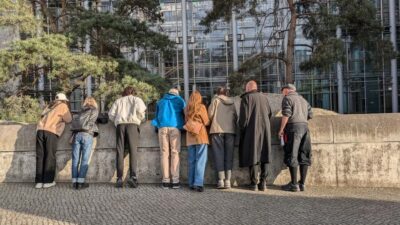
Berlin City walk Government District and Places of Democracy
Read our review →
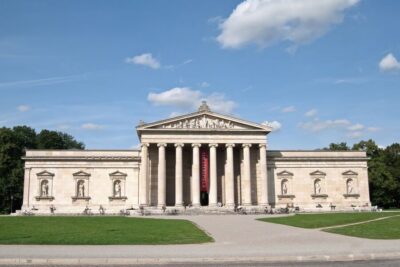
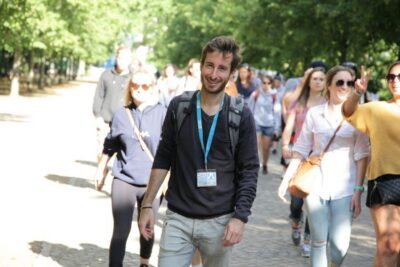
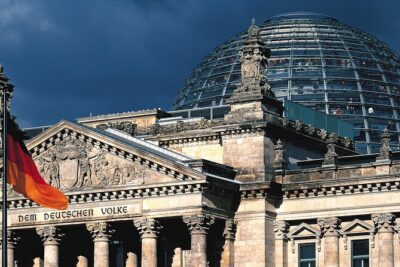
Berlin’s Best: 2 Hour Walking Tour Third Reich and the Cold War
Read our review →
Browse the lists this tour appears in