

Reviewed · WALKING TOURS
Keitum: Guided Village Walking Tour
Keitum can feel like a postcard, but the walk makes it real. With guide Jörg Ridder, you get a relaxed village stroll tied to local craft, coastal life, and even Stone-Age burial mounds at Harhoog and Tipkenhoog. My two favorite parts are the personal storytelling that connects old and new Sylt, and the way the route mixes alleys, gardens, and sea air. One drawback to consider: it runs in any weather, so you’ll want rain gear and shoes that handle uneven paths.
This is priced as a budget-friendly guided walk, around $22 per person for 2.5 hours, and the small group cap of 10 helps keep the pace easy and questions possible. If you love numbers and strict dates, you might find the approach more story-driven than fact-heavy. If you’re open to meeting the village through its makers and traditions, this tour is an efficient way to see why Keitum matters on Sylt.
In This Review
- Key highlights you will feel on this walk
- Keitum in 2.5 hours: what this walk really covers
- Meeting at Keitum Mitte and the small-group feel
- Frisian alleyways, thatched roofs, and the artisan Keitum you can spot
- Walled gardens and old homes dating back to 1640
- Whaling-era stories and culture from the 18th century
- Artisanship today and personal connections with locals
- The shoreline and Wadden Sea views: when the wind changes your mood
- Harhoog and Tipkenhoog: Stone-Age burial mounds with context
- Price and value: why $22 makes sense here
- What to bring so the tour feels easy, not stressful
- Who this tour fits best (and who might want something else)
- Should you book the Keitum village walking tour?
- FAQ
- How long is the Keitum guided village walking tour?
- Where do I meet for the tour?
- Is the tour guided in English?
- What is the group size?
- Does the tour run in bad weather?
- What should I bring?
- What is included in the price?
- Is food or hotel pickup included?
Key highlights you will feel on this walk
- Small-group pace (max 10) that keeps the guide conversations human
- Frisian thatched roofs and walled gardens, with details you can actually spot while walking
- Artisan stops, including glass and goldsmith workshops you pass along the way
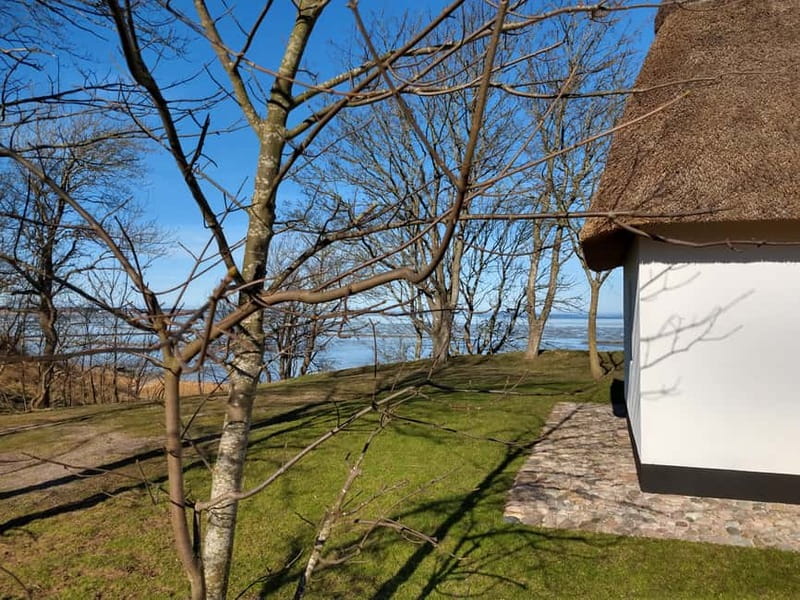
- Sea-breeze shoreline views toward the Wadden Sea area
- Harhoog and Tipkenhoog burial mounds, linking Keitum to Stone Age roots
Keitum in 2.5 hours: what this walk really covers
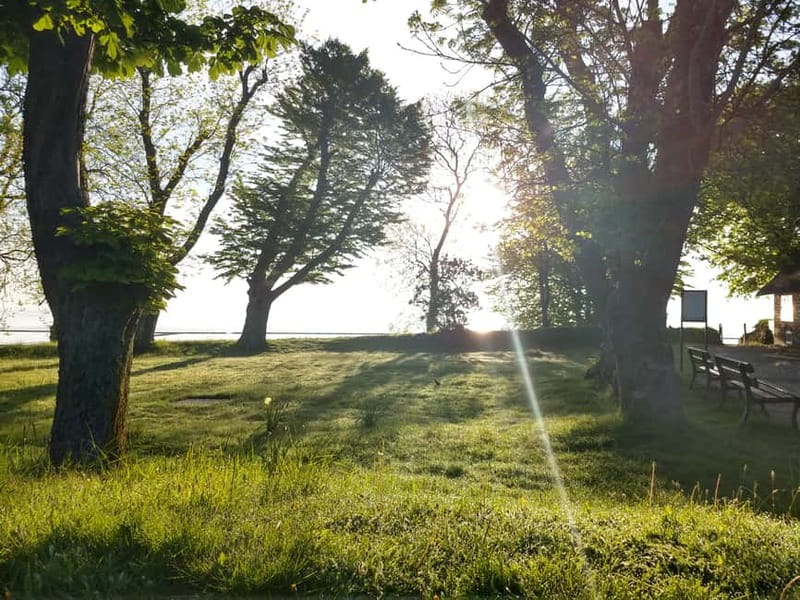
This guided village walking tour is a simple idea done well: you cover the heart of Keitum on foot, then you shift your attention from village lanes to the coastal edge. The total time is 2.5 hours, which is long enough to feel like you learned something, but short enough that you are not stuck marching all afternoon.
You start in the center of Keitum and work outward in a loop-style flow. Expect a steady rhythm of small lanes, garden walls, and viewpoints, then a final emphasis on the shoreline and the ancient mounds.
The value of the format is practical. You do not just stand and look at scenery. You walk the same kind of paths people have used for generations, and the guide helps you read what you are seeing as you go.
Meeting at Keitum Mitte and the small-group feel
You meet at the bus station Keitum Mitte, right in the village core. From there, the tour stays close to where the old Frisian fabric is strongest, so you do not spend time on long transfers or waiting around.
The group is kept to a maximum of 10 participants, and that matters more than you might think. In a small group, the guide can slow down when you ask a question, and you can hear the stories without competing with dozens of other voices.
It also helps you feel like you are walking with a knowledgeable local rather than being streamed through “photo stops.” Several experiences tied to this tour highlight how personal the tone can be, with the guide making space for conversation and small moments along the way.
Frisian alleyways, thatched roofs, and the artisan Keitum you can spot
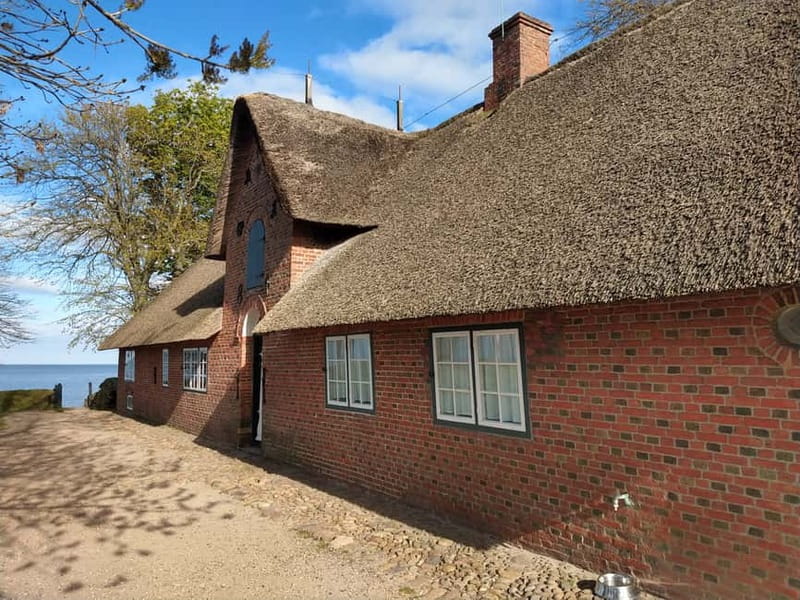
Early on, you get the classic Keitum look. Think thatched roofs, North Sea island architecture, and narrow, curving alleyways that feel made for slow walking. This is not the kind of place where the best views are only from a single viewpoint. The charm is in the details: walls, doorways, garden edges, and the way buildings step around the street bends.
As you move through the village, you pass working-style spaces tied to craft. You will hear about Keitum’s artisan community, and you’ll also come across workshops associated with skills like glassblowing and goldsmith work. You do not have to understand the techniques to appreciate the point. The tour frames these crafts as part of Keitum’s identity, not just as background decoration for tourists.
I like this part because it trains your eyes. After a short while, you stop seeing Keitum as only picturesque houses, and start seeing it as a living village where trades and traditions matter.
Walled gardens and old homes dating back to 1640
The tour’s middle section leans into the residential side of Keitum, often called the green heart of the island. You’ll stroll past scenic walled gardens and charming homes, including some that date back to around 1640.
Why does that date matter? It gives you a way to measure change. Keitum has long been shaped by coastal economics and shifting cultural life. When you hear stories tied to those older houses, you notice how the gardens are positioned, how the streets are laid out, and how the village looks built to survive wind, weather, and time.
A practical note for your feet: gardens and historic lanes can mean uneven surfaces and tight turns. Comfortable shoes are non-negotiable, even on a “leisurely stroll.”
If you are the type who wants an orderly checklist of facts and dates at every stop, you might wish there were more heavy chronology. One review suggested there was not enough information about specific older house types at the beginning. For me, that is the main caution: this tour tends to prioritize story and atmosphere over an encyclopedia approach.
Whaling-era stories and culture from the 18th century

One of the more memorable parts of the walk is how the guide connects the village’s visible architecture to the economic life that shaped Sylt. You’ll hear about Sylt’s whaling economy and its role in the 18th century, along with how that period fed a wider cultural scene.
This isn’t just trivia. On Sylt, coastal work and maritime wealth are part of why certain kinds of houses and community patterns appeared when they did. When the guide ties that to what you see, the village becomes more than scenery.
I also appreciate the tone here. The guide, Jörg Ridder, is described as entertaining and humorous, and the stories are told in a way that keeps you awake without turning it into a lecture. If you enjoy learning with personality, this is a big plus.
Artisanship today and personal connections with locals
Several of the strongest comments tied to this tour focus on connections with people in the village. You’re not only shown places, you are encouraged to talk with locals and hear personal stories.
One review experience described getting to interact with real Sylters in a way that felt special and lasting. Another mentioned that Jörg’s network and local contacts add a deeper layer to what you understand about the island, then and now.
Even if you do not end up in a formal conversation at every stop, you can still expect the guide to bring the village to life through relationships. This is one reason the tour works so well for travelers who care about more than just buildings.
One caution based on feedback: the start can feel a bit like more of an introduction than a pure, straight walkthrough. If you want the tour to begin with the most specific facts immediately, you may feel impatient in the first moments.
The shoreline and Wadden Sea views: when the wind changes your mood
After you’ve absorbed the village lanes and gardens, the route shifts toward the coast. This is where Keitum earns its North Sea reputation. You walk toward the shoreline and look out over wide views, with the fresh breeze in your face.
The tour specifically highlights views around the Wadden Sea area from the tidal side of the village. This is your chance to pause, look farther than the next alley, and let the flat horizon reset your perspective.
Because this portion is outdoors and exposed, your clothing matters. Bring weather-appropriate layers even if the day starts mild. Rain gear helps, not because you will be miserable, but because a soaked day makes historic lanes slippery and stops being pleasant fast.
Also, this is the part where small group size is useful. The group moves together, so you can take a breather when needed and still keep your place without feeling rushed.
Harhoog and Tipkenhoog: Stone-Age burial mounds with context
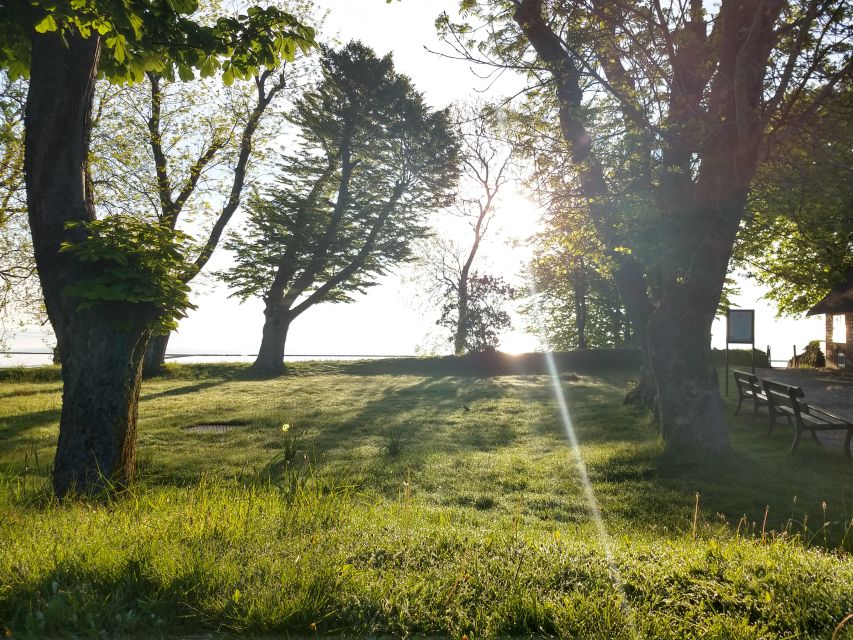
The final major stops are the ancient burial mounds of Harhoog and Tipkenhoog. Stone Age sites are often hard to picture, but on this tour, the guide frames what you are standing on in a way that connects to Keitum’s long timeline.
What I like about ending with this kind of stop is that it gives meaning to the whole route. You start in an inhabited village with crafts and historic homes, then you move to a point that reaches back much farther, showing that the area has been important to human life for thousands of years.
You also get a natural change in pace. After walking through streets and gardens, these mound stops provide space to look, listen, and think. Even if you do not consider yourself a history person, you can still feel the shift from daily village life to something older and more elemental.
Price and value: why $22 makes sense here
At about $22 per person for a 2.5 hour guided walk, this is not an expensive add-on. But more importantly, it feels like the price buys you time with a real guide and a route designed for learning while moving.
You do not get hotel pickup or drop-off, and there’s no food included. That is normal for a walking tour like this. What you do get is what you actually pay for: a guiding voice, a structured route, and stops that would be harder to interpret on your own, especially the burial mounds.
If your goal is to understand Keitum in a short window, this is strong value. It combines architecture, village crafts, maritime context, and a dramatic coastal finish without turning into a full-day plan.
What to bring so the tour feels easy, not stressful
This is a walking experience, and it runs rain or shine. You’ll enjoy it more if you plan for weather and footing.
Bring:
- Comfortable shoes that handle uneven ground
- Rain gear for wet days
- Weather-appropriate clothing, especially layers that work in wind
A practical tip: since you may be outside longer than you expect near the shoreline, pack a small layer you can put on quickly. North Sea weather can shift fast, even when the village streets are sheltered.
Who this tour fits best (and who might want something else)
This guided walk is a good match if you like:
- Village-scale travel where you can talk to the guide
- Historic architecture that you can actually see in front of you
- Stories about how economy and culture shaped a place
- Coastal scenery with a real sense of place
You may like it a bit less if you:
- Want dense, date-heavy explanations at every stop
- Prefer tours that start with the most specific details immediately
- Dislike walking outdoors, since it goes forward in any weather
Still, even with those cautions, the consistent theme in the strongest feedback is how personal and engaging the tour can feel thanks to Jörg’s local connections and lively approach.
Should you book the Keitum village walking tour?
If you’re spending time on Sylt and want an efficient, human-scaled way to learn Keitum, I think this one is worth booking. The combination of Frisian alleyways, artisan craft context, sea views, and the ancient mound stops gives you more than one “type” of experience in just 2.5 hours.
Book it if you want a guided walk that feels closer to a conversation than a script. The small group size helps. Bring good shoes, accept that weather happens, and you’ll likely walk away with a sharper understanding of why Keitum is more than a pretty village.
FAQ
How long is the Keitum guided village walking tour?
The tour lasts about 2.5 hours.
Where do I meet for the tour?
You meet at the bus station called Keitum Mitte.
Is the tour guided in English?
The tour guide language is German.
What is the group size?
The group is limited to a small group of up to 10 participants.
Does the tour run in bad weather?
Yes, the tour takes place rain or shine.
What should I bring?
Wear comfortable shoes, and bring rain gear and weather-appropriate clothing.
What is included in the price?
The included items are the guide and the walking tour itself.
Is food or hotel pickup included?
No. Food and drinks are not included, and there is no hotel pickup or drop-off.
Cities at Walking Speed
- Discover Berlin Half-Day Walking Tour
★ 5.0 · 9,624 reviews - Berlin City walk Government District and Places of Democracy
★ 4.7 · 8,467 reviews - Berlin: Third Reich & Cold War Guided Walking Tour
★ 4.9 · 8,378 reviews - Munich: Third Reich & WWII Walking Tour
★ 4.6 · 6,181 reviews
Walking Tours, compared.

Berlin City walk Government District and Places of Democracy
Read our review →



Berlin’s Best: 2 Hour Walking Tour Third Reich and the Cold War
Read our review →

Browse the lists this tour appears in