Reviewed · GERMANY
Goslar: Witches – From delusion to myth
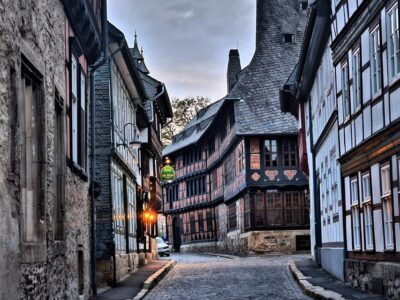
Witchcraft stories have a way of sticking. In Goslar, this costume tour mixes “secret witchcraft” with a walk through the upper town, following traces of the Renaissance witch hunt and the legends that turned into myth.
I especially liked the German live guide style that turns history into a story you can follow without getting lost in dates. I also like that the tour includes a small drink, so you get a real pause instead of just racing from stop to stop. The one drawback to consider is that it runs in all weathers, so bring shoes you can trust.
In This Review
- Key moments you will remember
- Starting at Kaiserpfalz, right in Goslar’s old heart
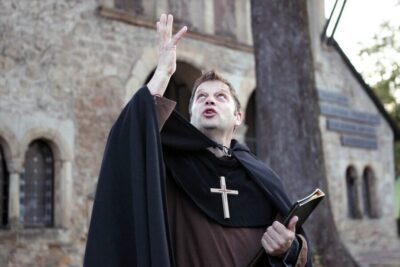
- “Secret witchcraft” told like a guided performance
- Walking the upper town while the Renaissance witch hunt takes shape
- From delusion to myth, with legends you can actually follow
- The included small drink, timed for a real pause
- Price and timing: what $16 buys you in 1.5 hours
- Weather, shoes, and the pace you should expect
- Who should book this, and who might prefer something else
- Should you book Goslar: Witches – From delusion to myth?
Key moments you will remember
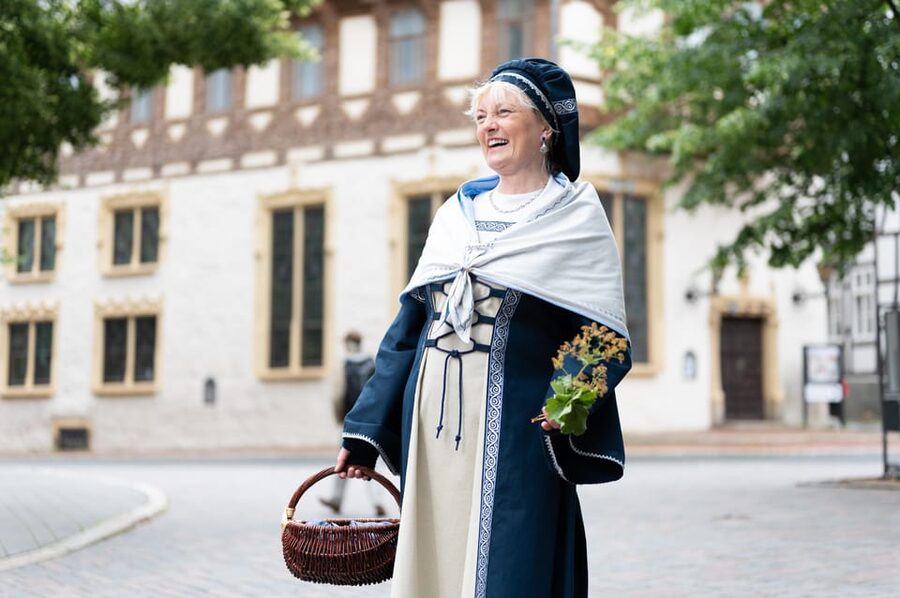
- Costume tour feel: the guide uses old-school costume and storytelling to frame what you see
- Upper town route: you walk the historic center’s streets and squares, not just a museum stop
- Renaissance witch hunt focus: the talk connects the period’s fear and rumors to what survived as legend
- Secret witchcraft theme: it’s built around the idea of hidden practices, then compares delusion and myth
- Included small drink: a simple refreshment break that makes the 1.5 hours feel easier
Starting at Kaiserpfalz, right in Goslar’s old heart
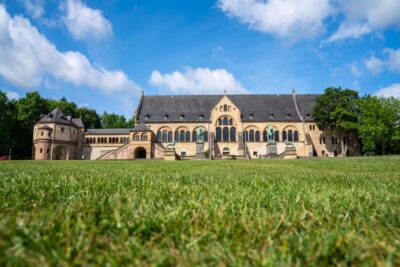
You meet vor dem Eingang der Kaiserpfalz, the imperial palace area that anchors Goslar’s old-world center. This matters because it puts you on the right “map” from minute one. Goslar’s upper town tells its story in layers, and starting by the Kaiserpfalz helps you understand what kind of power lived here in earlier centuries.
Once the group gathers, the tour moves through the upper town with a history-first rhythm: you get a bit of context, then you connect it to what you’re looking at. That pacing keeps the walk from turning into a slideshow, and it helps you remember details like names of places and the general timeline the guide is working with.
If you’re arriving from outside the center, do yourself a favor and plan a little buffer time. In a short 1.5-hour tour, being rushed makes everything feel harder, even if the route itself is manageable.
Next departures posted for Goslar:
- Goslar: Tausend Schritte durch die Altstadt
★ 4.7 · 417 reviews - Goslar: Führung durch die Kaiserpfalz
★ 4.5 · 50 reviews - Goslar: On the road with the night watchman’s wife
★ 4.6 · 34 reviews
“Secret witchcraft” told like a guided performance
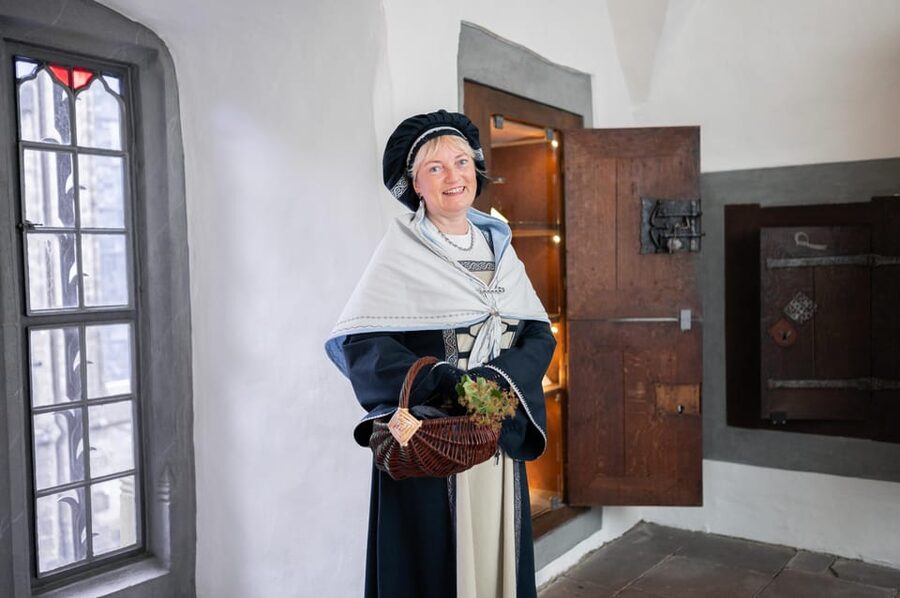
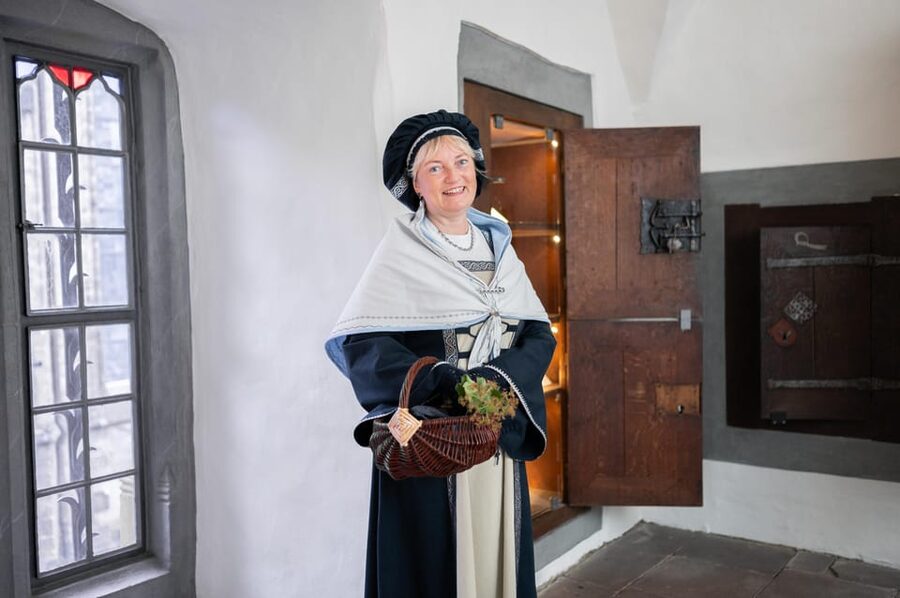
This isn’t a dry lecture. It’s set up as a costume-guided experience built around the idea of secret witchcraft, and that theme shapes how the guide explains the past. In other words, you’re not just learning that witch hunts happened. You’re being shown how people at the time might have interpreted odd behavior, rumors, and superstition.
One of the strongest impressions from the tour style is how the guide presents the material as a sequence of stories rather than a list of facts. I like this approach because it respects how humans actually remember information, especially when the topic is complicated. If you’re worried it will be overly dark or one-note, the framing helps: the tour connects what was believed, what was feared, and how that turned into myth.
In accounts connected with this tour, the guide is described as being very convincing in character, including touches like props and small items (for example, extra gadgets such as Glückssteine, luck stones). You might get something like that, and even when you don’t, the point is the same: the guide wants you to feel the story, not just hear it.
Walking the upper town while the Renaissance witch hunt takes shape
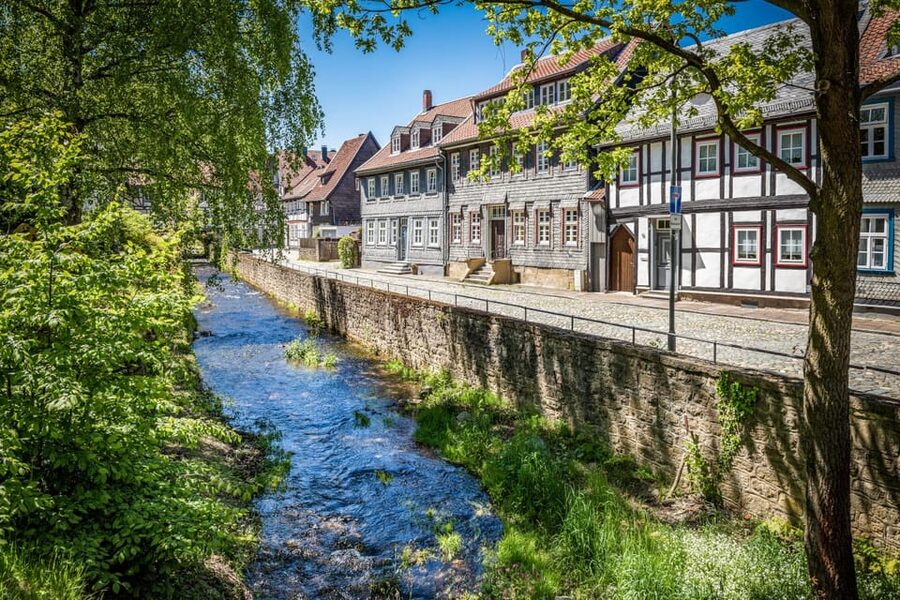
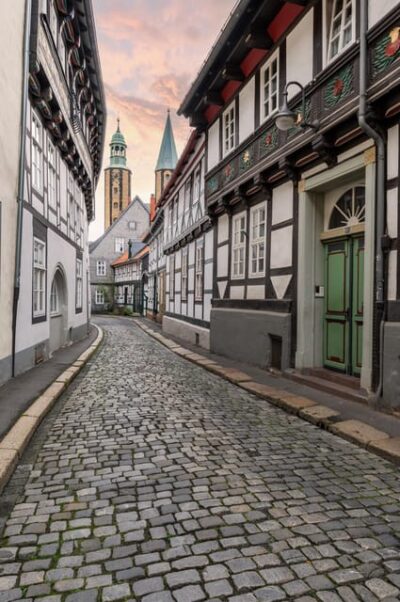
The core of the tour is the walk through Goslar’s upper town while the guide traces the theme of witch hunts during the Renaissance. Even if you already know the broad European story, this kind of on-foot explanation can change how it lands.
Here’s what I like about this structure: the Renaissance part is treated like a turning point, not a random fact. The guide ties the mood of the era to the way accusations spread, why fear becomes a narrative, and how myth grows when people need an explanation.
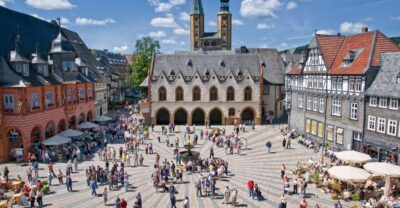
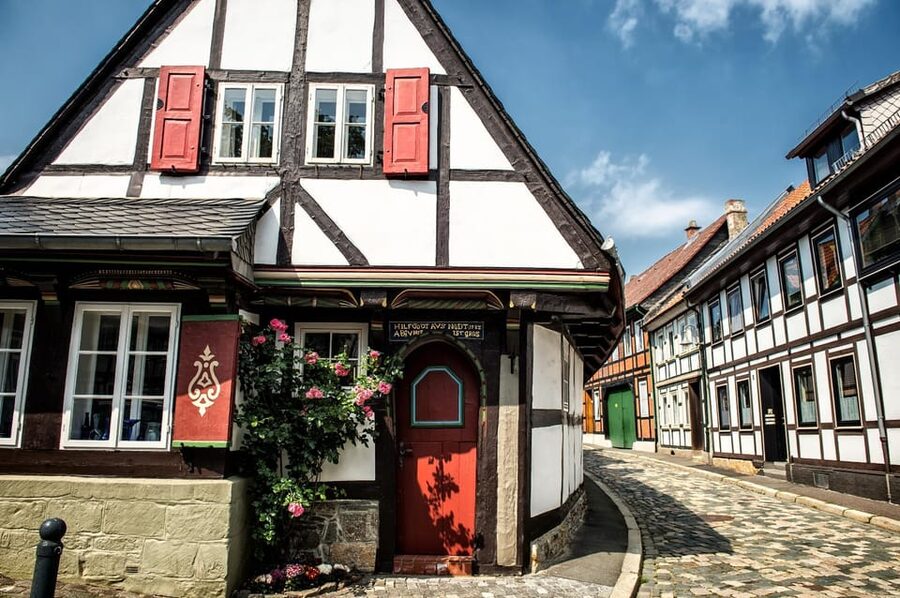
As you move from street to street, you’re not just passing pretty buildings. You’re getting a chance to link each stop to a piece of the theme. That’s where the upper town walking really earns its keep. The route gives you a sense of place, so the story doesn’t float off into abstract history.
Practical note: because it’s a walking tour, the “value” isn’t only in the topic. It’s in the way the guide uses the environment as your cue system. If you like tours that help you connect information to visible landmarks, you’ll probably enjoy this format.
From delusion to myth, with legends you can actually follow
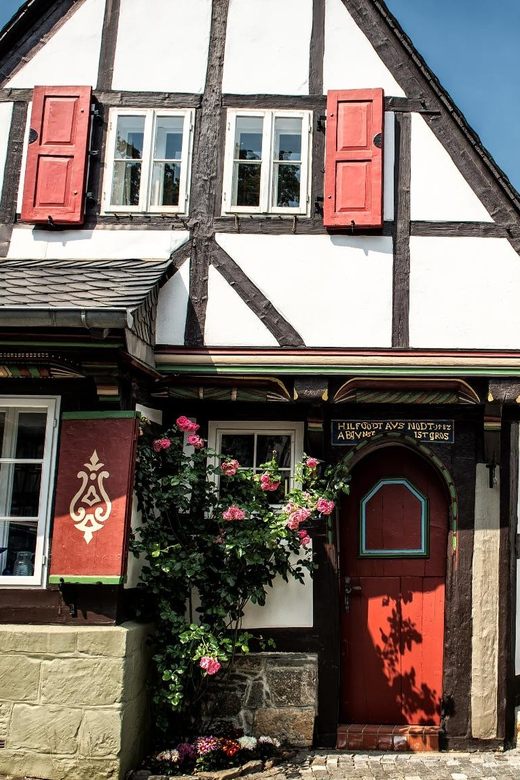
The tour’s title points to the transformation: how people moved from delusion to something that survived as myth. That framework is the reason the legends matter. You’re not only hearing scary stories. You’re learning how fear and belief can harden into something that later generations repeat because it feels meaningful.
The legend portion is paced to keep you from tuning out. The guide’s job is to make the myths feel like narratives with logic, then show how that logic connects back to Renaissance witch hunt thinking. This is helpful even if you’re only vaguely familiar with witchcraft legends, because the guide gives enough context to keep the stories coherent.
I also appreciate the balance built into the theme. The tour doesn’t force you into one mood the entire time. It moves between explanation and storytelling, which keeps the topic from feeling like a single long grim chapter.
If you’re the kind of traveler who likes to understand why a myth became popular, this is the part you’ll likely remember: it gives you a “how and why,” not only “what happened.”
The included small drink, timed for a real pause
A small drink is included in the tour, and honestly, I love when tours do this because it prevents the common problem of a short walk turning into a rushed endurance test.
You get a break during the experience, and that helps in two ways. First, it gives you a moment to reset your ears and brain so you can catch the later parts of the story. Second, it makes the tour feel more human, more like a local evening walk than a timed history lecture.
If you like to taste local habits, this is also a low-stress way to do it. You’re not required to make an extra stop or commit to a full meal. You just get a quick included refreshment and continue.
Onward connections from Goslar:
Price and timing: what $16 buys you in 1.5 hours
At $16 per person for about 1.5 hours, this tour is priced like a focused local experience, not a half-day excursion. That’s a good sign if you want history and atmosphere without losing an entire chunk of your day.
You’re paying for three things:
- a live guide, in German
- a walking route through Goslar’s upper town
- the “witches” theme delivered through costume and storytelling, plus a small included drink
So the value is not only the subject matter. It’s the format. You get a guided narrative with atmosphere, plus a short break. If your travel style prefers guided walks over audio apps or self-guided tours, this is likely a good fit.
Because the tour is only 1.5 hours, it’s also easier to slot in. You can pair it with other upper town strolling, coffee, or a short look at the Kaiserpfalz area before or after, without needing a complicated schedule.
Weather, shoes, and the pace you should expect
This tour takes place in all weathers. That means you should plan for wind, rain, or cold, depending on the season you go. Pack like it’s an outdoor walk first, history tour second.
Bring comfortable shoes that handle uneven older-stone surfaces and steady walking. If you’re someone who gets uncomfortable quickly, you will feel it here, because you are walking through the upper town while the guide tells the story.
One more practical thought: there is no right to exchange or return tickets, so choose your time slot carefully. If you’re flexible, you can often reserve first and pay later, which helps you adjust if your plans shift.
Also, double-check starting times before you go. The tour length is 1.5 hours, but starting times can vary based on availability.
Who should book this, and who might prefer something else
This is best for adults and older kids, since it’s not suitable for children under 12. If your group includes younger kids, you might need a different option, or you could split the group and do something else with the kids.
Book it if you like:
- guided walks where the guide connects story to place
- costume-led storytelling
- myth and legend with some historical framing
Skip it if:
- you dislike outdoor walking in mixed weather
- you only want strictly factual lectures with no performance element
- you’re traveling with someone who needs a very quiet, low stimulation experience
Should you book Goslar: Witches – From delusion to myth?
I think you should book this tour if you want a short, story-driven way to understand Goslar’s upper town through the lens of witch hunt history and the myths that followed. For $16 and 1.5 hours, it’s a tidy deal because you get a live German guide, a themed walking route, and an included small drink.
It’s also a smart pick when your schedule is tight but you still want something more personal than a self-guided stroll. Just go in with realistic expectations: it’s performed, it’s outdoors, and it works best when you’re ready to follow a narrative as you walk.
If that sounds like your kind of travel, you’ll likely leave with both a clearer sense of the era’s fear-based stories and a better feel for Goslar’s upper town streets.