Reviewed · GERMANY
Goslar: Ganz schön gruselig – das Mittelalter wird lebendig!
Dusk in Goslar feels medieval again. This is a guided evening walk where you learn how civic order worked in the Middle Ages, and you hear chilling details tied to tools like the Beisskatze and the pillory. I also like that the stories are framed in a way that helps you understand why people followed the rules, even when the punishments sound brutal. The main drawback is simple: it is meant to be scary, so if you want mild ghost-story vibes, you may find the tone a bit too dark for your taste.
You get a 1.5-hour city walk at dusk through Goslar’s Altstadt, starting in the area in front of the Domvorhalle. The guide speaks German and keeps the focus on storytelling, which is a big part of why this tour feels like more than facts on a page.
Because the themes include punishments and witchcraft, the tour is not suited for children under 12. If you are traveling with teens, read the vibe carefully first and decide as a family what is appropriate for them.
In This Review
- Key things to know before you go
- Goslar at dusk, why the fear lands better in the evening
- Medieval order explained, how citizens and guilds stayed in line
- The spooky highlights, Beisskatze, pillory, torture, and witches
- The UNESCO old town stroll, how the route keeps you oriented
- What to expect from the guide, story energy over script readings
- Price and value for a 16 dollar evening walk
- Who should book this spooky Goslar tour, and who should skip it
- Should you book Ganz schön gruselig, das Mittelalter wird lebendig?
- FAQ
- Where does the tour start?
- How long is the tour?
- What language is the guide speaking?
- How much does it cost?
- Is the tour suitable for children?
- Does the tour include wheelchair access?
- Is the tour only for the evening?
- What is the cancellation policy?
Key things to know before you go
- Dusk timing that makes the mood work as you move through Goslar’s old lanes and plazas
- Medieval civic order explained through everyday enforcement, not just legends
- Dark set pieces in plain language, including Beisskatze, pillory, torture, and witches
- A story-led guide style that aims to feel animated rather than read aloud
- Spooky is the point, so choose it if you want atmosphere, not a gentle stroll
Goslar at dusk, why the fear lands better in the evening
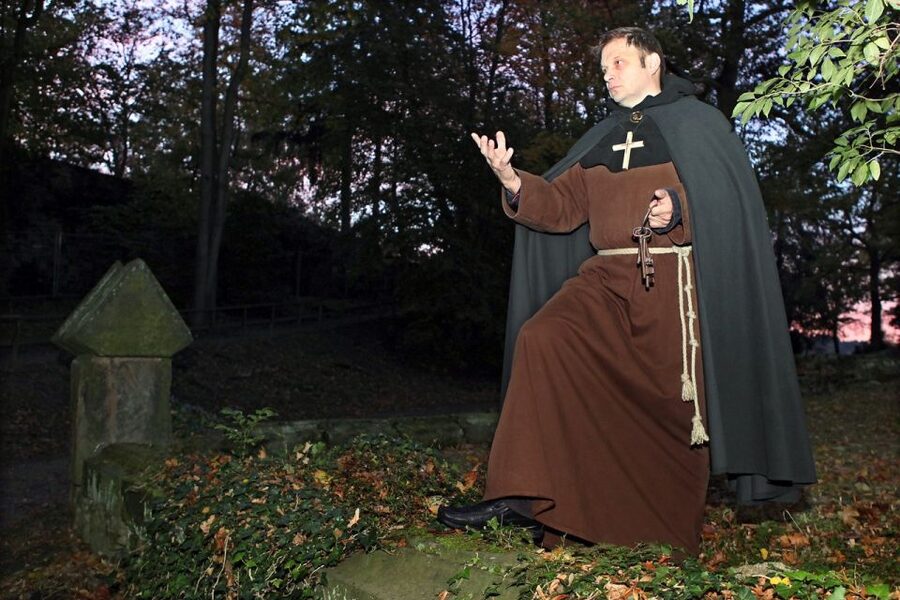
There is a reason this tour runs at dusk. Goslar’s old streets look different when daylight fades, and that matters when the theme is medieval fear and social control. When the buildings darken and the light turns softer, you feel the atmosphere the stories are aiming for. It is not about cheap scares, it is about making the setting match the subject.
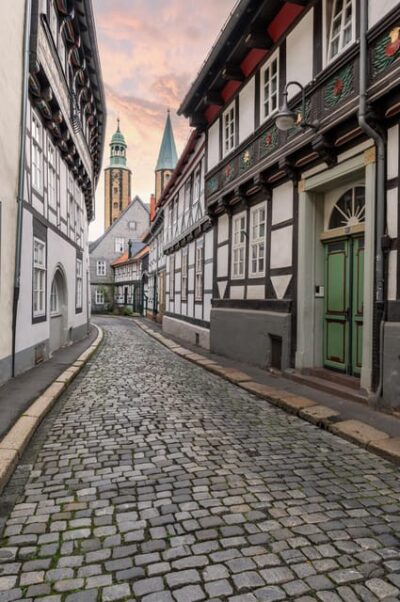
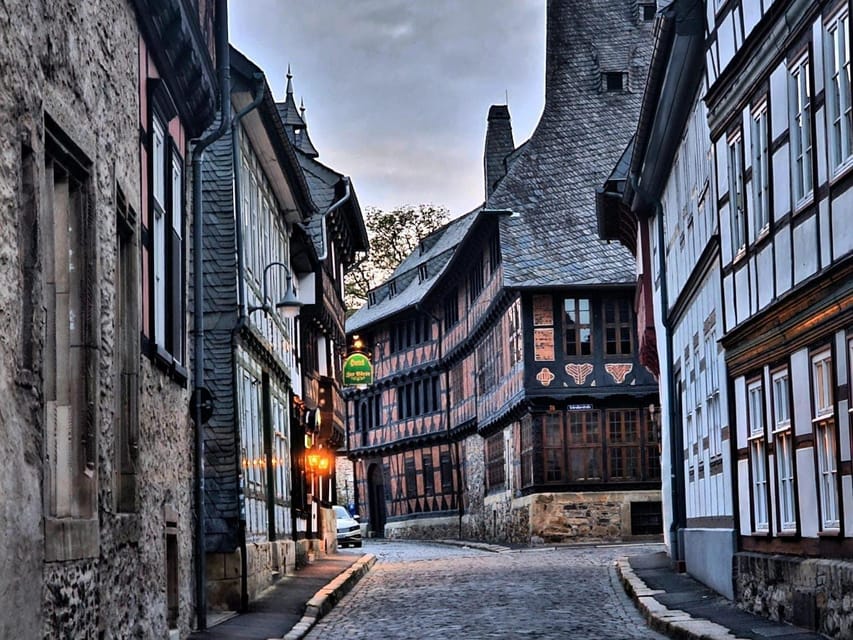
I also like that the walk keeps you moving through the UNESCO-protected Altstadt rather than pinning everything to one museum stop. You get a “living city” feeling, where places you can actually stroll through become a backdrop for how medieval life was organized. If you enjoy turning architecture into a timeline, this format is a good fit.
One practical note: for a 1.5-hour evening walk, your footwear matters. The route is through an old town, so you should plan for uneven surfaces, and dress warm enough that you can stay comfortable while you listen.
Next departures posted for Goslar:
- Goslar: Tausend Schritte durch die Altstadt
★ 4.7 · 417 reviews - Goslar: Führung durch die Kaiserpfalz
★ 4.5 · 50 reviews - Goslar: On the road with the night watchman’s wife
★ 4.6 · 34 reviews
Medieval order explained, how citizens and guilds stayed in line
The heart of the tour is the idea that medieval society was run on order, rules, and enforcement. You will hear how the rights and obligations of citizens, guilds, and the city were not just suggestions. Instead, the rules shaped daily life, and breaking them could bring consequences meant to teach others.
This is where the tour becomes more than “scary stories.” You learn the logic behind why punishment happened in public or in ways meant to deter. That context changes how you interpret the darker topics. The stories do not feel random, they feel like parts of a system that people lived inside.
I also like that the guide ties the social structure to specific examples. Once you understand that the city and its institutions expected obedience, it becomes easier to follow why tools of punishment and public humiliation were used as warnings.
The spooky highlights, Beisskatze, pillory, torture, and witches
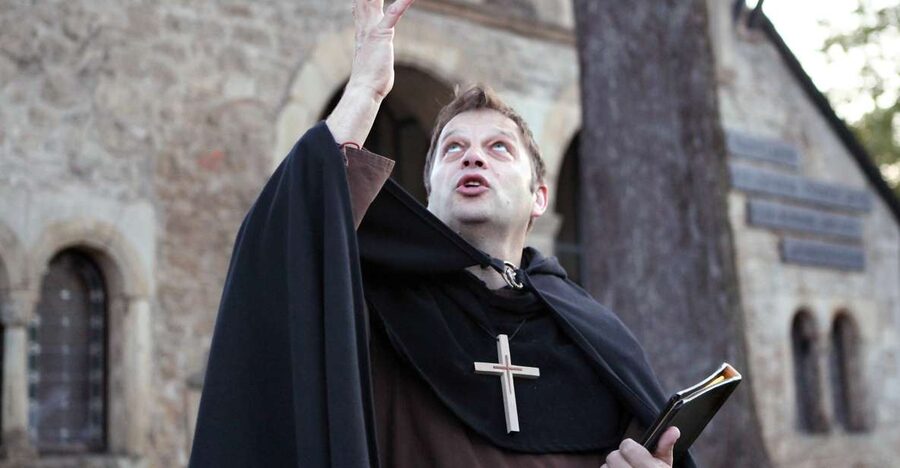
This is a themed tour with a clear promise: a scary mood. The strongest moments focus on punishments and the fear surrounding them. The tour specifically references Beisskatze, the pillory, torture, and witchcraft, each used to show how authority could reach into ordinary life.
Beisskatze is one of those names that pulls you in immediately. Even if you do not know it ahead of time, you can expect the guide to explain what it was meant to do and why it belonged in a world that treated punishment as public messaging.
The pillory is another key term you will hear. It is less about dramatic fantasy, more about how humiliation could be organized and staged. When a story is framed around “how it worked” and “what it was supposed to signal,” it becomes both chilling and understandable.
Torture and witches move the narrative into fear as a tool. Witchcraft stories in particular connect to how communities explained danger, illness, bad luck, or social conflict. The tour does not only mention these topics, it uses them to show how belief and authority reinforced each other.
A quick consideration: if you are sensitive to themes of violence or persecution, you should choose this carefully. The tour is designed to be darker than a typical history walk, even if the guide uses a storytelling tone.
The UNESCO old town stroll, how the route keeps you oriented
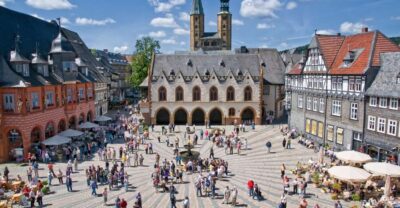
Even without a long list of named stops, a city walking tour like this works because you can track your progress. You meet in front of the Domvorhalle area, then you move through Goslar’s Altstadt, where you can keep your bearings by the flow of streets and plazas.
Goslar’s reputation as a medieval Kaiser city matters here. As you walk, the old town setting helps you connect the stories to a real place, not an abstract lecture. The city is described as a thousand-year Kaiserstadt on the Harz, and that idea becomes easier to feel when you are physically moving through the preserved center.
I love that the tour does not try to isolate you from the city. After the walk, Goslar is still Goslar: you can stroll, shop, eat, and relax in the same streets you just heard about. In other words, the tour feeds into a normal evening out, instead of replacing it.
If you want to get the most out of it, here is what helps: keep your phone charged but use it sparingly. Put effort into listening first. If you spot an obvious landmark tied to the stories, take a moment to look, then refocus on the guide.
What to expect from the guide, story energy over script readings
This type of experience succeeds or fails based on performance. The best part for me is the way the guide approaches the material: you are not just absorbing facts, you are following a narrative.
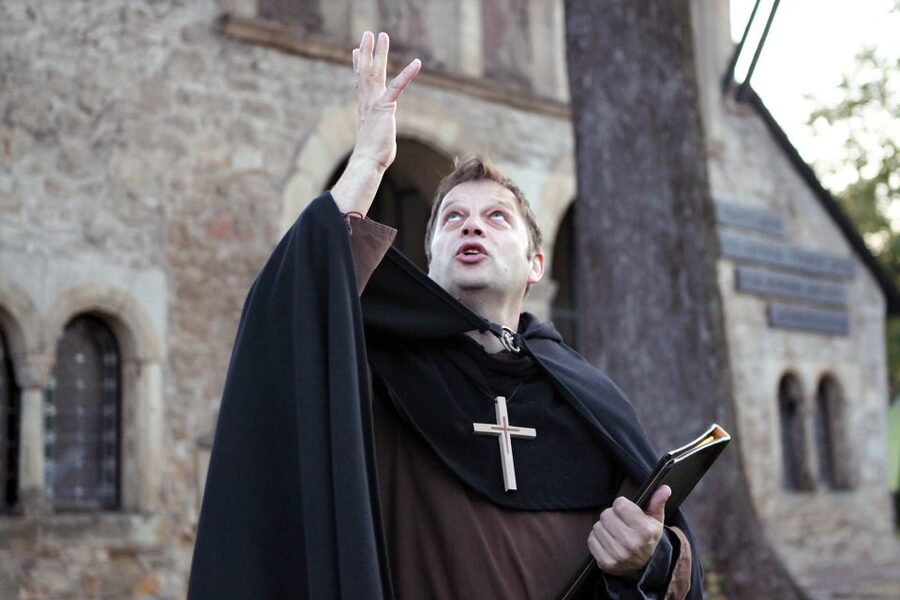
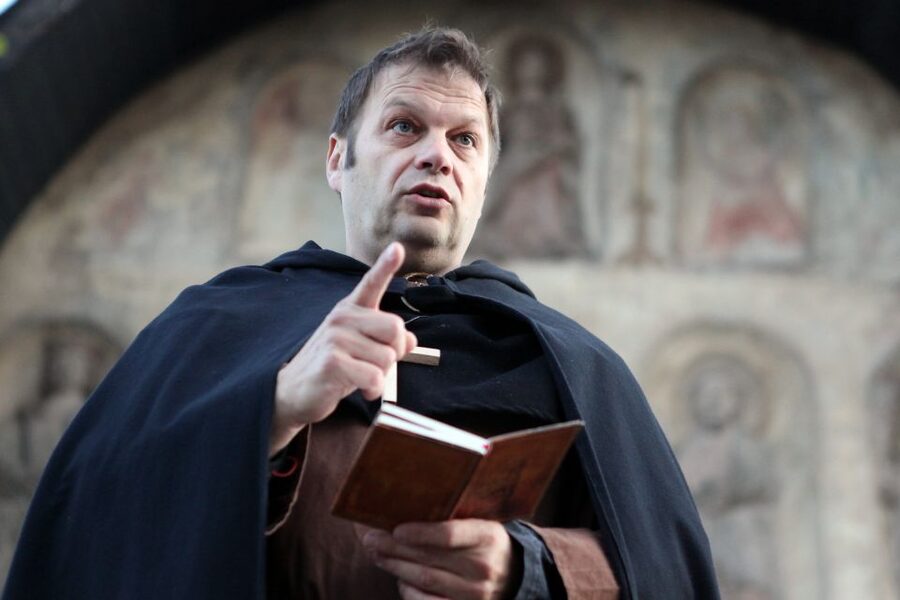
A few reviews highlight that the delivery feels engaging, including moments with a monk-like figure character in the storytelling style. You should expect a guide who uses tone and pacing to build suspense. That is part of why it works at dusk, because a calm lecture would not match the subject matter.
You also get live guidance in German. That is a real factor for value. If you speak German, you get more texture, fewer gaps, and better timing. If your German is basic, you might still follow the main themes, but you could miss smaller details in the explanation.
The tour length is tight at 1.5 hours. That is good. It means you stay in the mood without dragging through the evening. You should still plan to arrive a few minutes early so you can settle before the stories begin.
Onward connections from Goslar:
Price and value for a 16 dollar evening walk
At about $16 per person, this tour is priced like a short, focused evening experience. For that money, you get three things most visitors end up paying for separately: a live guide, a guided walk through the Altstadt, and a clear themed storyline.
The value comes from the balance. You are not paying for a long bus ride or multiple stops packed into a full day. You are paying for an evening immersion in medieval social discipline, presented in a way that connects story to place. For many people, that is exactly what makes it worth it: you feel you understood something about the city beyond its postcard look.
If you are on a tight schedule, a 1.5-hour evening tour can also be a smart time investment. You spend the dim hours doing something purposeful, then keep your normal evening flexible afterward.
Who should book this spooky Goslar tour, and who should skip it
This is best for you if you like dark history that is explained, not ignored. If you enjoy learning how society worked, including its ugly side, you will likely appreciate the tour’s focus on enforcement, public order, and fear as a system.
You should also consider it if you want an “experience” that blends atmosphere with education. The stories are scary, but the tour aims to give you reasons, not just shocks.
You should skip it if any of these apply:
- You want a kid-friendly activity. It is not suitable for children under 12.
- You are looking for a gentle introduction to Goslar. This is intentionally grim-themed.
- You want maximum intensity. The experience leans into storytelling and mood, so it may feel more thoughtful than extreme.
If you love walking tours in German, this is an especially good fit. You are getting a live guide for your evening, and that often makes the difference between seeing a city and actually learning it.
Should you book Ganz schön gruselig, das Mittelalter wird lebendig?
If your ideal trip includes a bit of fear with a clear explanation, book it. This tour is short, well timed for dusk, and focused on how medieval order was enforced in daily life. The included medieval references, including Beisskatze, the pillory, torture, and witches, give it a strong theme, while the walking format keeps it grounded in the real Goslar you can still enjoy before or after.
If you prefer light entertainment or you are traveling with younger children, consider passing. Also, if you are not comfortable with stories about violence or persecution, think twice. For the right mood and audience, this is one of those experiences where the city’s old center becomes a stage, and the Middle Ages stop feeling like a textbook.
FAQ
Where does the tour start?
You meet in front of the Domvorhalle.
How long is the tour?
The tour lasts 1.5 hours.
What language is the guide speaking?
The live tour guide speaks German.
How much does it cost?
The price is $16 per person.
Is the tour suitable for children?
No. The tour is not suitable for children under 12.
Does the tour include wheelchair access?
Yes, it is wheelchair accessible.
Is the tour only for the evening?
Yes, it is an evening city walking tour at dusk.
What is the cancellation policy?
You can cancel up to 24 hours in advance for a full refund.