
Reviewed · FRANKFURT TOURS & ACTIVITIES
Frankfurt: “Ready for take off” – Flight Simulator B737
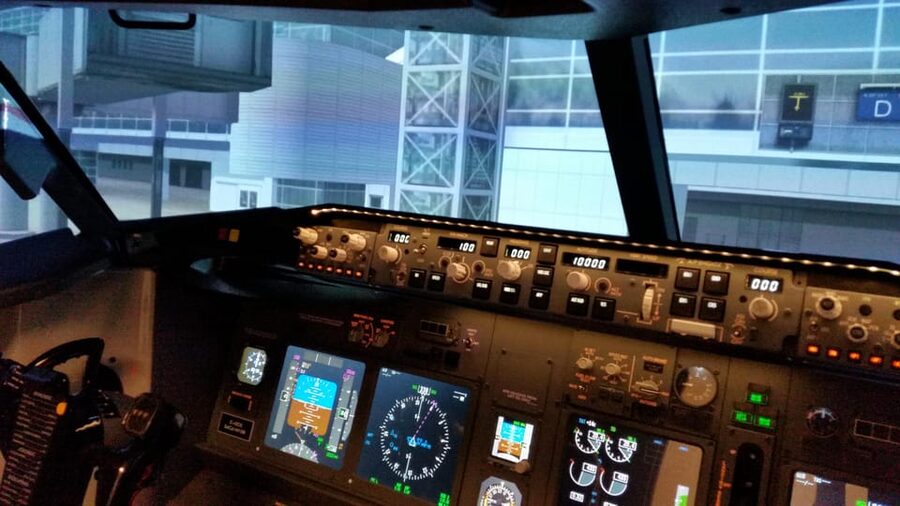
Touch down into a Boeing 737 dream. In Frankfurt’s Ready for take off B737 flight simulator experience, you sit in a cockpit with fully functional controls, realistic sound, and big-window views that make the session feel closer to flying than you’d expect. I love that the pilot briefing is packed with practical cockpit basics, and I love the hands-on feel of being supervised by commercial pilots as you take the controls. One thing to consider up front, the setup has clear restrictions, including claustrophobia and a number of health and height limits.
You’ll start with a guided preflight look at instruments and procedures, then move into your simulator session, and you’ll finish with a debrief where you can compare what you did to what you should do next time. The vibe is friendly and organized, and it often lands well as a gift, especially for people who want a real taste of the pilot job without committing to flight school.
In This Review
- Key things that make this simulator session worth it
- Why a Boeing 737 simulator in Frankfurt feels more real than you think
- The preflight briefing: where the session earns its money
- Taking the controls: what you practice during your B737 flight time
- Debriefing: the short coaching session that helps you improve fast
- Time options and value: Economy, Business, and First Class
- Who this fits best, and who should skip it
- Practical tips: what to bring, wear, and do before you go
- The Frankfurt experience vibe: smooth handling and friendly coaching
- Should you book Ready for take off: Flight Simulator B737?
- FAQ
- How long is the overall experience?
- How much time do I get in the B737 simulator?
- Is there a briefing and debriefing included?
- Can someone come with me to watch?
- What languages are available for the instructor?
- What should I bring and wear?
- Who is this not suitable for?
- What are the cancellation terms?
Key things that make this simulator session worth it
- B737 cockpit controls with real-feeling responses and training-style guidance
- Pilot-led briefing that breaks down instruments and what they mean
- A takeoff and landing focused flight so you practice the moments that matter
- Short debrief coaching to help you improve immediately
- Time matched to your booking level so you can choose how much seat time you want
- A private-group setup where you get dedicated supervision in English or German
Why a Boeing 737 simulator in Frankfurt feels more real than you think
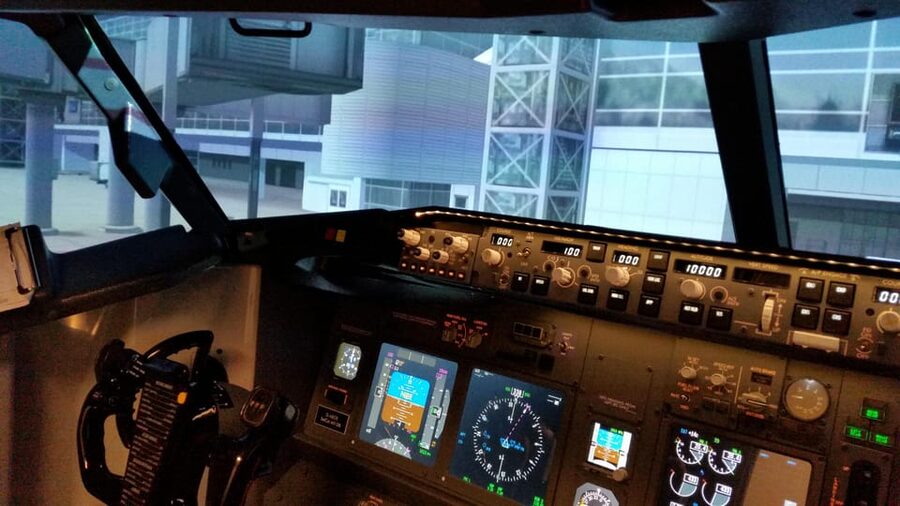
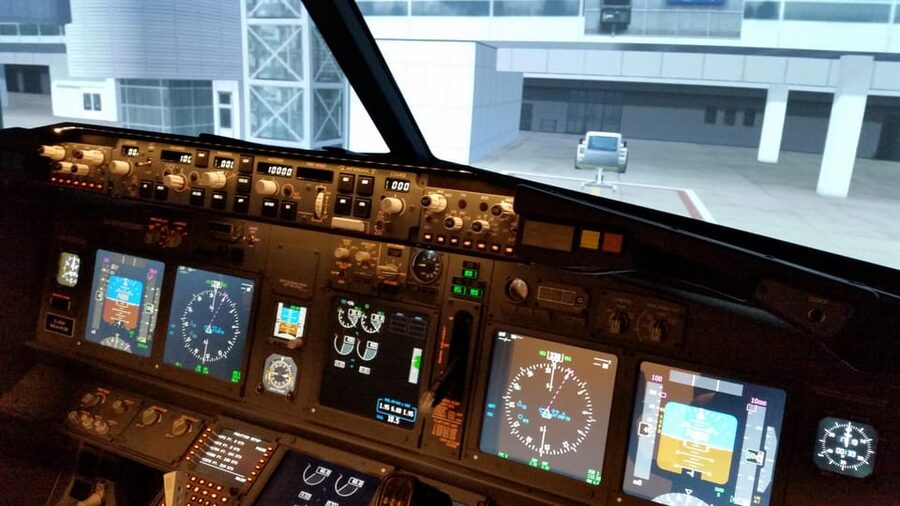
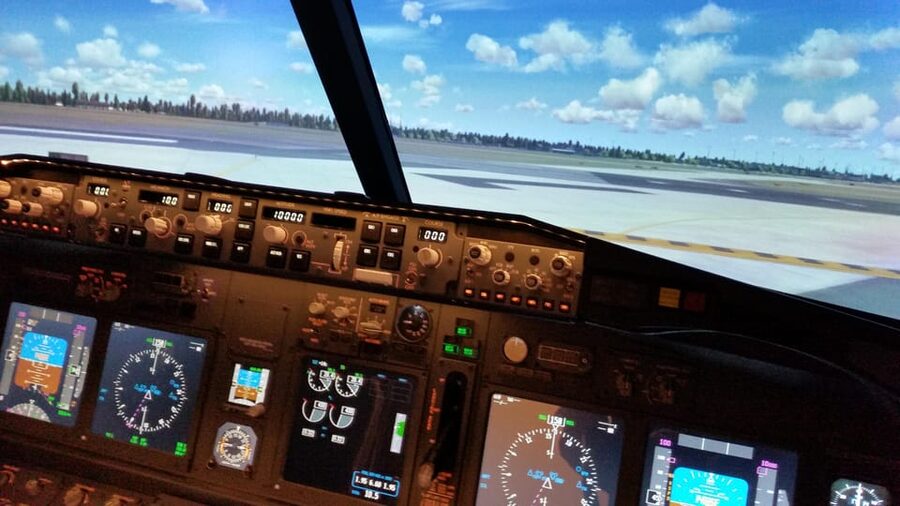
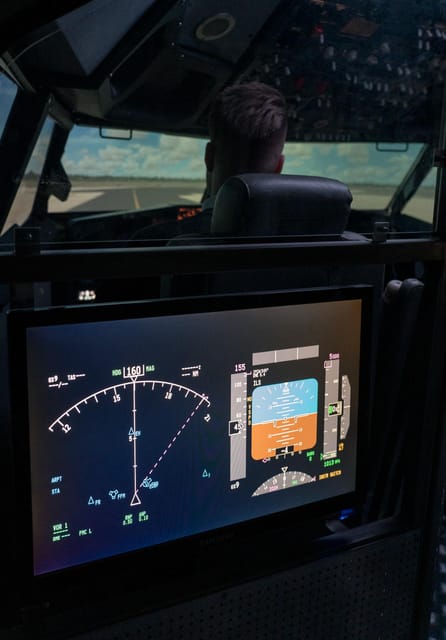
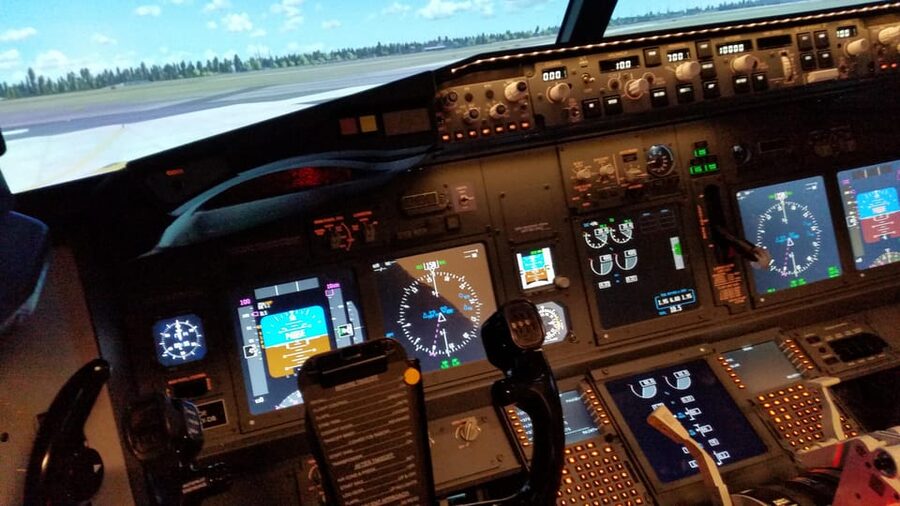
This is a Boeing 737 flight simulator experience based in Hessen, with the training-style structure that makes it work. It is not just a seat behind a screen. The cockpit setup includes fully functional controls, cockpit windows that show scenery, and sound effects designed to keep your attention where it belongs: on flying, not just watching.
I like that you are treated like a pilot-in-training, not a spectator. You get a briefing that covers essential cockpit instruments using visuals, then you take charge under professional supervision by commercial pilots. That matters because aviation is mostly procedures and instrument reading. If you only did “press buttons,” you would miss the point. Here, the session is built around you understanding what you are doing.
The “realism” here is practical realism. You will likely notice the controls have specific behavior. One detailed note from a participant: the flight controls can pull slightly to the right, so you may need to correct during approaches. That is actually a good sign. It suggests the simulator is tuned to make you actively manage the aircraft, not just steer in a straight line.
And yes, it’s still a simulator. You should go in expecting training energy, not motion sickness thrills. The experience is designed for education and fun, with cold and warm drinks included to keep you comfortable during the training flow.
Also holding a platform in Frankfurt
- Frankfurt: River Main Sightseeing Cruise with Commentary
★ 4.3 · 5,127 reviews - Frankfurt: Hop-On, Hop-Off Grand or Express Bus Ticket
★ 3.9 · 2,088 reviews - Frankfurt: 1-Hour Panorama Boat Cruise on the river Main
★ 4.4 · 1,822 reviews
The preflight briefing: where the session earns its money
Your session begins with an instructor-led briefing of about 30 minutes. That briefing is where you build the mental map that lets the simulator flight time feel productive, even if you have never flown before.
You will go through the essential cockpit instruments and learn what they are telling you. The focus is not on memorizing airline jargon. It’s on understanding what you are looking at and how that information guides decisions. The briefing uses visuals to explain the cockpit, and then it prepares you to take the controls yourself.
I really like this approach because it prevents the most common simulator disappointment. If you skip the basics and jump straight into a takeoff, your brain stays confused. You end up reacting randomly. With a briefing like this, you can actually connect your inputs to what the instruments are showing, so the whole session feels like skill building.
Also, the instructors are professional pilots, and the format is supervised. That means you can ask questions and get corrections before bad habits take root. If you enjoy learning systems, this will click fast. If you prefer action, you still benefit, because a little instrument confidence helps you land smoother and steadier.
A nice touch is that the session includes a dedicated debrief after your flight. That means your learning does not stop when the simulation ends.
Taking the controls: what you practice during your B737 flight time
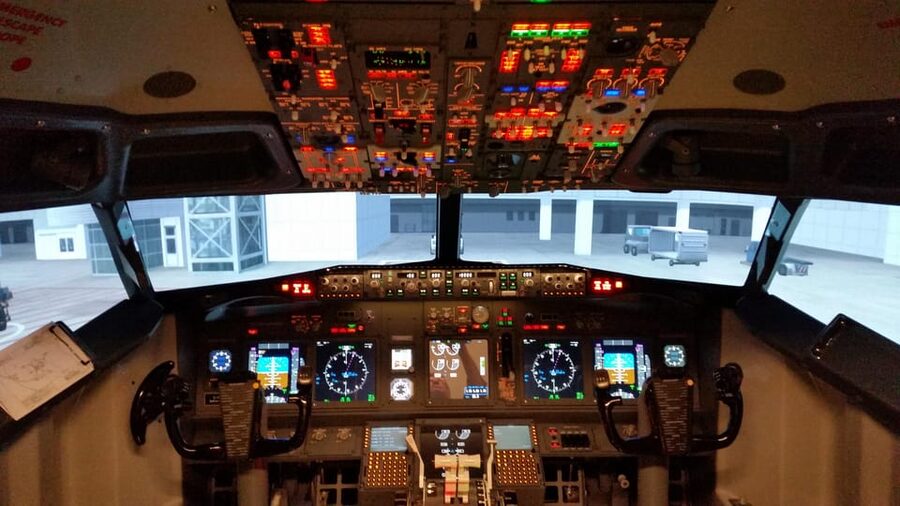
After the briefing, you move into the actual simulator flight. The duration depends on your booking category, and one key point is that you will have simulator time without other participants in the cockpit.
The experience is built around the thrill of flight phases that most people care about: takeoffs and landings. Those moments are high value because they force you to manage speed, attitude, alignment, and follow-through. Even in a simulator, that is where you feel the difference between guessing and applying procedure.
As you fly, you will follow the instruction and guidance from the pilots. Expect a coach-on-your-shoulder style of supervision. That is the difference between a fun ride and a real training session. You do not just get to “try.” You get feedback while you try.
One small practical note from participant feedback: because the controls may pull slightly to the right, your landings and approaches might require tiny corrections. You do not need to panic. In fact, this is exactly the kind of realism you want, because it teaches you to actively trim your inputs and keep your trajectory steady.
If you are new, you might be surprised by how quickly the cockpit environment makes you focus. The sound effects and the visual scenery through the cockpit windows help you stay in the moment. That helps you learn. It also helps you enjoy the experience, because you stop thinking of it as a screen and start thinking of it as an aircraft you are responsible for.
Debriefing: the short coaching session that helps you improve fast
Your flight ends with an approximately 15-minute debrief. That debrief is important, because it turns your session from entertainment into learning.
In the debrief, you can talk through what you experienced, what felt easy, what felt confusing, and what you want to do differently next time. The pilot instructors can then connect your impressions to the instrument and procedure ideas introduced during the briefing.
This is also where you get closure. Landing in a simulator can feel like a blur, especially if you are learning on the fly. The debrief slows everything down just enough for you to understand what happened and why. It’s a practical way to leave with takeaways, not just memories.
And if you like aviation as a hobby, the debrief can spark new questions. You’ll likely walk out thinking about how instrument readings translate into flying decisions. That is the kind of knowledge that carries into real world observation too, like when you watch commercial flights and pay attention to approach behavior and cockpit management.
Time options and value: Economy, Business, and First Class
The price is listed as $116 per person, and the real value story is in the time you get in the simulator.
Your included simulator flight time depends on the booking category:
- Economy: about 30 minutes
- Business: about 60 minutes
- First Class: two blocks of about 60 minutes for two persons
That structure makes it easier to match your expectations. If you want a gift-style introduction, Economy is likely plenty. If you want more time to settle into the cockpit and get multiple practice runs, Business is where a lot of people feel the difference.
Here’s the key value logic I’d use when choosing:
- If you are brand new, more time usually means more learning because you spend less of your session recovering from confusion.
- If you already have some flying background, you might still want more minutes, because landing practice is not just one take. It’s repetition and correction.
Also, the categories matter because the cockpit experience is arranged without other participants sharing the cockpit during your flight time. That keeps the experience focused. You are not competing for attention or timing.
Accompanying persons are included too. Economy includes one accompanying person, while Business and First Class include two accompanying persons. So you can bring someone who wants to watch and cheer, without turning it into a crowded group event.
For a one to two hour commitment total, plus the coaching format, this is a strong “learning plus thrill” package. You are basically paying for instructor time, simulator time, and the guided structure that makes it educational.
Onward connections from Frankfurt:




Who this fits best, and who should skip it
This is a simulator experience aimed at people who can handle a cockpit training environment. It is offered in English and German, and it’s described as a private group experience, so you’ll get attention rather than being lost in a crowd.
Best matches:
- People who love aviation and want a serious taste of cockpit life
- Beginners who want guided learning, not random button pushing
- Gift buyers who want something memorable but not too long
- Parents or anyone mentoring a younger aviation fan, since one participant specifically described it as a father-son style moment that helped fuel imagination
Now the important part: it is not suitable for everyone. The experience is not recommended for children under 12, people with mobility impairments, wheelchair users, and people with claustrophobia. It’s also not suitable for people with vertigo or epilepsy, and there are clear limits for height and weight, plus restrictions for visual impairment.
If you have any concerns about fitting in the cockpit space, or you are sensitive to enclosed environments, you should treat this as a hard stop and look for alternatives.
Practical tips: what to bring, wear, and do before you go
I’d handle this like any real training day. Your meeting point is at AiRail Check In, and you should arrive about 10 minutes before the start time. Bring your ticket for entry.
You will need a passport or ID card. That’s standard, but it’s worth noting because it’s the kind of thing that can ruin a smooth day if you forget it.
Dress in comfortable clothes and comfortable shoes. High-heeled shoes are not allowed. The rules also say alcohol and drugs are not permitted, and the activity is not for party groups. That includes bachelor and bachelorette party groups.
Plan to bring a camera or use your cell phone for photo and/or video recording. That is specifically mentioned as something you should do, so you will likely appreciate having your phone ready right at check-in.
One safety and appropriateness note from participant experience and common sense: keep the scenario realistic and respectful. This is a training simulation, not a stage for harmful or provocative reenactments.
The Frankfurt experience vibe: smooth handling and friendly coaching
Even with the high-tech simulator, the success factor here is human. The experience is run by Joffi GmbH Simulator-Events, and the overall tone from participant feedback is that the team is kind and the process is straightforward.
That matters because simulator days can feel intimidating. A good team reduces that stress. It helps you focus on learning. And that is exactly what this setup aims to do, with close supervision and a briefing that walks you into the cockpit basics.
You also get time to decompress after the flight in a debrief format. It’s not rushed. It’s built into the experience length, with about 15 minutes set aside for the conversation.
If you want an aviation experience that feels structured and coached, this checks the boxes. If you want a casual activity that requires zero attention, you might find it more engaging than you planned.
Should you book Ready for take off: Flight Simulator B737?
I’d recommend booking if you want a high value mix of fun and real cockpit basics. The biggest reasons are the pilot-led briefing, the focus on takeoff and landing phases, and the fact that you get supervised time in the cockpit with a short debrief after. With time options from 30 to 60 minutes, you can choose how quickly you want to sample it or how long you want to practice.
Skip it if you fall into the listed not suitable categories, especially claustrophobia or vertigo risks, or if you have height, weight, or mobility limits that conflict with the cockpit setup.
If you’re buying a gift, this is a strong option because it gives someone a memorable “pilot for a day” experience with professional guidance, and the structure makes it more than a one-time novelty.
FAQ
How long is the overall experience?
The total duration is listed as 1 to 2 hours. This includes time for the briefing, your simulator flight time (which depends on the booking category), and the debriefing.
How much time do I get in the B737 simulator?
Simulator time depends on the booking category. Economy includes about 30 minutes, Business includes about 60 minutes, and First Class includes two sessions of about 60 minutes for two persons.
Is there a briefing and debriefing included?
Yes. A briefing of about 30 minutes is included, and a debriefing of about 15 minutes is included after your simulator flight. You also get professional supervision by professional pilots.
Can someone come with me to watch?
Yes. Accompanying persons are included depending on your booking. Economy includes one accompanying person, while Business and First Class include two accompanying persons.
What languages are available for the instructor?
The instructor languages are English and German.
What should I bring and wear?
Bring your passport or ID card, and plan to wear comfortable clothes and comfortable shoes. High-heeled shoes are not allowed. You should also bring a camera or use your cell phone for photo and/or video recordings.
Who is this not suitable for?
It is not suitable for children under 12, wheelchair users, and people with claustrophobia, vertigo, or epilepsy. There are also limits related to height (over 200 cm) and weight (over 110 kg), plus restrictions for people who are visually impaired and for some mobility impairments.
What are the cancellation terms?
Free cancellation is offered up to 24 hours in advance for a full refund. The experience also offers reserve now and pay later.
Fresh on the arrivals board for Frankfurt





Frankfurt Tours & Activities, compared.

River Main Sightseeing Cruise with Commentary
Read our review →
1-Hour Panorama Boat Cruise on the river Main
Read our review →

New Old Town and Highlights German-Language Tour
Read our review →

Rhine Valley Trip from Frankfurt including Rhine River Cruise
Read our review →
Browse the lists this tour appears in