Reviewed · WALKING TOURS
Flensburg: Private Guided Walking Tour
Flensburg tells two stories at once. In 90 minutes, this private walking tour connects Danish roots, Schleswig politics, and war-era events to the streets you can still see today. I like the way it focuses on meaning, not just photos. You’ll get a local guide, time to ask questions, and a route that’s paced for real understanding.
Two things I especially like: the guide-led storytelling that explains how Danish and German life mixed for centuries, and the fact that Flensburg is one of the towns that avoided total destruction in World War II, so historic architecture is part of the lesson. You’ll also get time near the harbor area, where you can still sense the old rum-trade connection. One drawback to plan for: it is not suitable for wheelchair users or people with mobility impairments, so bring comfortable shoes and expect walking.
In This Review
- Key things to know before you go
- Why a Flensburg walking tour works so well
- Start at Saint Nikolai Church and get your bearings fast
- Danish roots you can actually see, not just imagine
- Schleswig, Prussia, and the border politics behind daily life
- Thirty Years War and the Battle of Flensburg, explained locally
- Architecture and World War II survival, why it matters for your photos
- The City of Rum nickname and a harbor visit
- Danish minority influence, how to spot it while you walk
- What the 90 minutes feels like in real life
- Price and value, what you should expect to get
- Comfort tips that keep the tour pleasant
- Who this tour is best for
- Should you book this Flensburg private guided walking tour?
- FAQ
- Where do we meet the guide?
- How long is the tour?
- What languages are offered?
- Is this a private group?
- How much does the tour cost, and how many people are included?
- What is included in the price?
- Are entrance fees included?
- What should I bring?
- Is there flexible cancellation and pay later?
- Is the tour suitable for wheelchair users or limited mobility?
Key things to know before you go
- Private 90 minutes with a guide who stays with your group only, so you can ask questions as you walk.
- Danish roots in everyday architecture, because the town was ruled by the Danish king for centuries.
- War and border politics explained on the ground, including the Duchy of Schleswig, Prussia, and Thirty Years War era events.
- Historic buildings you can still visit, since Flensburg was not destroyed during World War II.
- Harbor stops linked to the City of Rum nickname, tying trade history to today’s atmosphere.
- Easy customization, since your guide can adjust the tour on the spot.
Why a Flensburg walking tour works so well
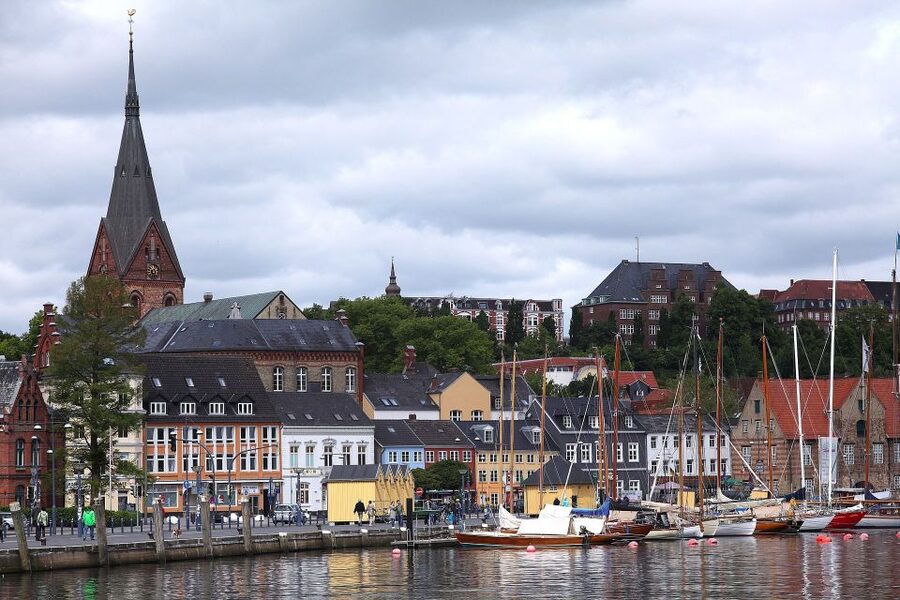
Flensburg sits close to the German-Danish border, and that makes it a naturally interesting place to walk. Instead of memorizing dates from a book, you get to see how centuries of rule, trade, and conflict shaped the town’s look and feel. The tour is short on purpose, so you finish with a clear mental map.
I also like that this isn’t a one-theme tour. The highlights cover Danish roots, political shifts, and the impact of major conflicts, then tie it back to architecture and cultural influence. That mix matters because Flensburg’s identity is not one simple story.
More German cities at walking speed:
- Discover Berlin Half-Day Walking Tour
★ 5.0 · 9,624 reviews
Start at Saint Nikolai Church and get your bearings fast
Your meeting point is in front of Saint Nikolai Church, Nikolaikirchhof 8, 24937 Flensburg. That’s a smart place to begin because churches often anchor older town layouts, and Flensburg’s history is meant to be read as you move.
From there, the walk is designed to connect you to about 700 years of history in a practical way. You’ll listen to stories that explain why certain parts of town feel Danish, why other moments connect to German governance, and why some historic-looking areas survived when others did not. The goal is that by the time you reach the deeper political topics, the town already feels like it makes sense.
Danish roots you can actually see, not just imagine
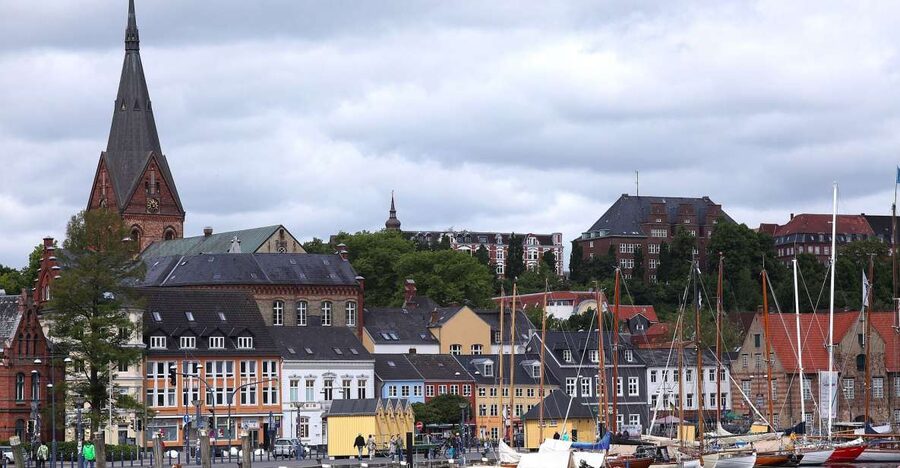
Flensburg was founded by Danes in the Middle Ages, and the tour’s big theme is how that Danish origin never fully disappeared. You’ll learn about the Danish cultural imprint that’s visible in the town’s architecture and in the presence of a Danish minority today.
This is where a private guide pays off. You’re not just hearing a general overview. You get pointed explanations that help you notice what to watch for as you walk, such as design cues and cultural influences tied to the centuries when the Danish king ruled the city. That kind of attention can turn the town from pretty streets into a readable story.
Schleswig, Prussia, and the border politics behind daily life
A border town is never only about borders on a map. It’s about who had power, which institutions mattered, and how those shifts changed the people living there. On this tour, you’ll hear about Flensburg’s role in the Duchy of Schleswig and later the Kingdom of Prussia.
The value here is the way these political labels get translated into human-scale meaning. Even if you don’t know much German or Danish history going in, the tour framework helps you follow the logic: rule changed, cultures interacted, and those changes left traces in the town. It’s the kind of context that makes the rest of your travel in northern Germany click.
Thirty Years War and the Battle of Flensburg, explained locally
Major wars tend to feel abstract until you hear how they affected a real place. This walk includes the impact of the Thirty Years War and the Battle of Flensburg. The guide’s job is to connect those events to what you can observe in the old town and its historical layers.
You’ll likely come away understanding two things at once. First, Flensburg’s location made it strategically important. Second, the outcomes of conflict didn’t only happen in battlefields, they shaped what survived, what rebuilt, and how different cultural influences remained visible. In other words, you’re not just learning about a war, you’re learning why the town looks the way it does.
Architecture and World War II survival, why it matters for your photos
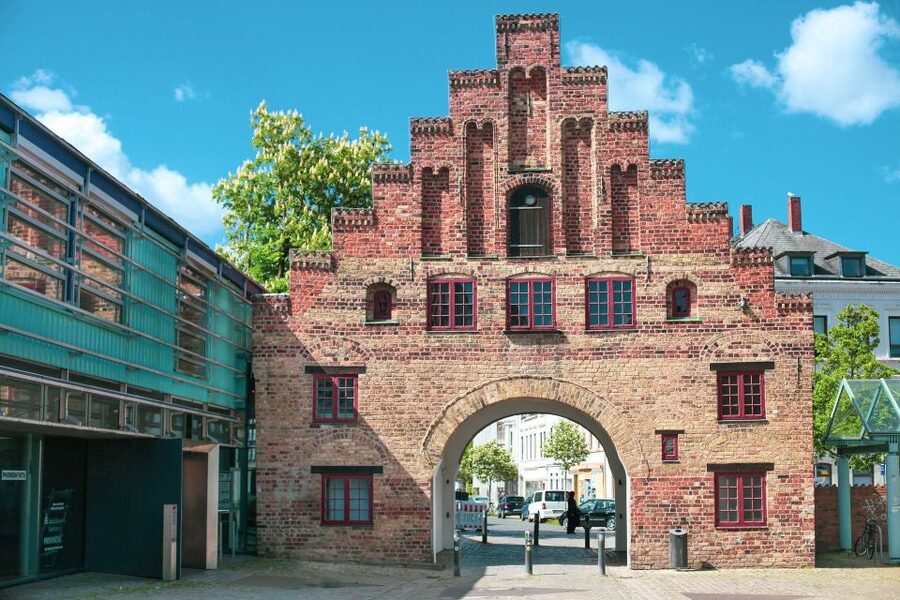
One of the most practical reasons to choose this tour is simple. Flensburg was not destroyed during World War II, which means you still have a stronger chance of seeing historic buildings from multiple periods standing in place.
That’s not only good for photos. It’s good for understanding. When you walk through streets where the physical environment stayed intact, the guide can point out contrasts between eras without asking you to imagine what used to be there.
So when you look up at façades and street shapes, you’re not just admiring style. You’re watching history stay in the frame. That makes the 90 minutes feel more like walking through an open-air lesson than hopping between isolated stops.
The City of Rum nickname and a harbor visit
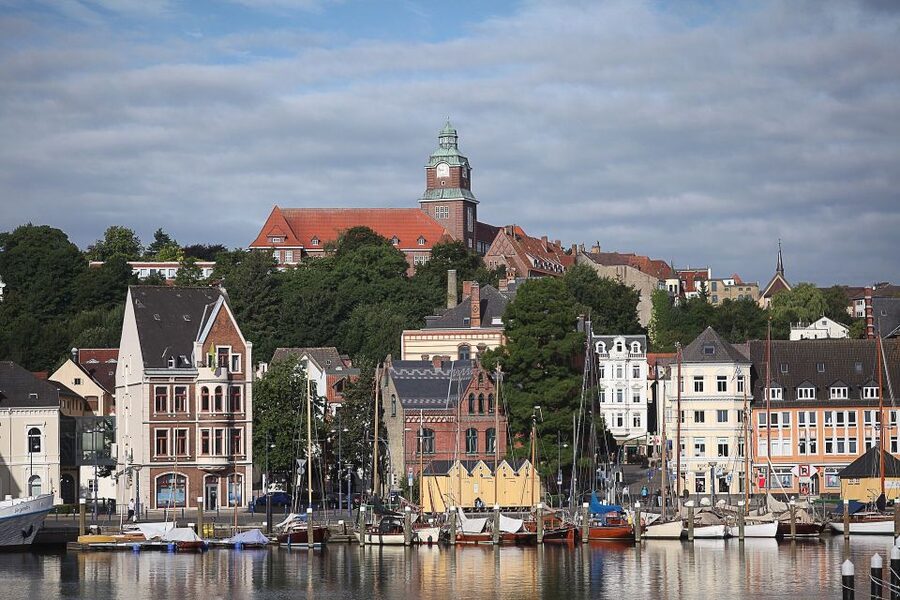
Flensburg had a trade boom in the 18th century and was nicknamed the City of Rum because of trade links with the Caribbean islands. The tour includes time that ties that history to the lively harbor area, where you can still connect the story to the waterfront setting.
Even if you are not a history superfan, I think the harbor angle works. It reminds you that cultural mixing is not only about rulers and wars. It’s also about commerce, ships, and people moving products and ideas across the Atlantic.
When you reach the harbor zone, pay attention to how the guide links the old trading identity to what you feel in the present day. You’ll get a clearer picture of how Flensburg became known for more than being a border town.
Danish minority influence, how to spot it while you walk
Flensburg’s Danish minority influence is part of the tour’s focus. That matters because it helps you understand why Danish culture in Flensburg is not just a historical footnote. It’s part of what people experience in the town now.
As you walk, use the guide’s framing to notice cultural signals that are easy to miss when you’re traveling fast. You’re listening for clues about language, community, and traditions linked to Danish life inside a German setting. This kind of perspective can change how you read the town after the tour, especially if you spend another day exploring on your own.
What the 90 minutes feels like in real life
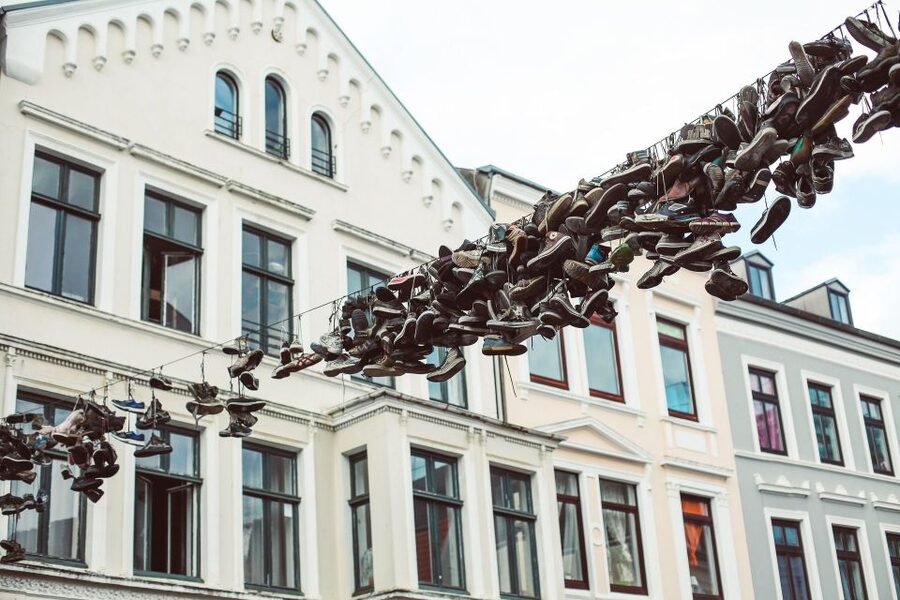
This is a private walking tour for up to 15 people per group, lasting 90 minutes. That time window is long enough for real context, but short enough that you do not have to commit to a half-day excursion.
I like the pacing because it supports concentration. You get a sequence of themes, starting with a historic anchor point and moving into Danish roots, political shifts, wartime impact, and the harbor trade connection. If you want to hit the highlights while still leaving yourself energy for independent wandering, this length works well.
The tour also includes German and English live guiding, which makes it a strong option if your group includes different language comfort levels. And because it is private, you are not stuck listening only to a generic script.
Price and value, what you should expect to get
The price is $280 per group for up to 15 people. The value depends on group size, so do the quick math.
- If you travel as a full group of 15, the cost per person drops to about $18.67 for 90 minutes of guided, interpretive history.
- If you are smaller, you’ll pay more per person, but you still get a guide who can tailor the flow to your interests.
What makes it feel worth it is the combination of local guidance, interpretive storytelling, and the fact that Flensburg’s historic buildings provide the real-world “text” for the lessons. In a place where architecture and borders shaped daily life for centuries, a guide helps you read what you are seeing instead of just passing by.
Also, remember what is not included. Entrance fees are not included, so if a stop requires an admission ticket, you’ll need to budget separately.
Comfort tips that keep the tour pleasant
Bring comfortable shoes. That sounds basic, but it matters on a 90-minute town walk where you want to stay focused on what the guide is pointing out.
Weather matters in northern Germany. One of the most practical insights from real experiences with the guide is that he may plan around the cold by asking you to dress accordingly. If you’re visiting in autumn or winter, pack warm layers even if the forecast looks mild.
Who this tour is best for
This tour fits best if you want understanding more than trivia. It’s ideal for:
- Couples and small groups who like a guided framework and want to ask questions
- Travelers interested in German-Danish relations, border history, and how politics shows up in architecture
- Anyone who wants a quick way to connect Flensburg’s highlights without doing a long, exhausting day
It’s not a good match if you need wheelchair access or you have mobility limitations, since it is stated as not suitable for wheelchairs.
Should you book this Flensburg private guided walking tour?
I’d book it if you want the short version of Flensburg’s identity, Danish roots included, without turning your day into a scavenger hunt of landmarks. The strongest reason to choose it is how the guide connects major historical themes like Duchy of Schleswig, Prussia, the Thirty Years War, and the Battle of Flensburg to the town’s visible architecture and surviving historic character.
Skip it only if you need accessibility accommodations or you are looking for a tour that is mainly about specific named sights and paid entry spots. This one is built for walking, listening, and reading the town as you go.
FAQ
Where do we meet the guide?
Meet the guide in front of Saint Nikolai Church at Nikolaikirchhof 8, 24937 Flensburg, Germany.
How long is the tour?
The tour lasts 90 minutes.
What languages are offered?
The live tour guide offers German and English.
Is this a private group?
Yes, it is a private group, and the local guide stays with your group only.
How much does the tour cost, and how many people are included?
The price is $280 per group, up to 15 people.
What is included in the price?
It includes a local guide who will be with your group only, with possible customizing on the spot.
Are entrance fees included?
No, entrance fees are not included.
What should I bring?
Bring comfortable shoes, since it is a walking tour.
Is there flexible cancellation and pay later?
Yes. You can cancel up to 24 hours in advance for a full refund, and you can reserve now and pay later.
Is the tour suitable for wheelchair users or limited mobility?
No. It is not suitable for people with mobility impairments or wheelchair users.
Fresh on the arrivals board for Flensburg
Walking Tours, compared.

Berlin City walk Government District and Places of Democracy
Read our review →

Berlin’s Best: 2 Hour Walking Tour Third Reich and the Cold War
Read our review →