Reviewed · GERMANY
EUMETSAT – weather data for the world “made in Darmstadt”
Weather satellites are closer than you think. This 1.5-hour visit to EUMETSAT in Darmstadt turns meteorology into something you can point at, thanks to full-scale satellite models and guided explanations. You also get the bigger picture on how the organization supports forecasting all year long.
I especially like the science focus. The tour is built around real satellite models you can see on site, and the guide explains how that data gets used for everyday weather forecasts and for climate change research. It is not just a look-and-walk type of stop.
One thing to consider first is the strict visitor rules. If you show up without the right ID or with large bags, you can hit delays or get turned away at security, and the tour runs in German.
In This Review
- Key highlights worth planning around
- EUMETSAT in Darmstadt: why this weather tour feels different
- Getting in: the Visitors’ Gate, ID checks, and what can slow you down
- Full-size satellite models: the easiest way to grasp meteorological satellites
- What satellites do 24/7: forecasts, storms, and daily weather thinking
- Climate change and global warming data: the longer horizon side of the mission
- Outdoor bits in Hessen: dress for part of the tour outside
- A German guided tour you can still enjoy
- Price and value: is $17 for 1.5 hours worth it?
- Who should book, and who might feel frustrated
- My booking checklist for a smooth visit
- Should you book EUMETSAT for weather and satellites in Darmstadt?
- FAQ
- Where is the meeting point for the tour?
- How long does the guided tour last?
- What language is the tour guide?
- What is the minimum age for the tour?
- Do I need an ID card or passport?
- Are large bags or backpacks allowed?
- Is the tour wheelchair accessible?
Key highlights worth planning around
- Full-size satellite models you can actually see and compare
- EUMETSAT’s Darmstadt HQ, where operations run 24 hours a day
- Weather forecasting and climate monitoring in the same story
- A practical, question-friendly guided format that keeps things clear
- Partly outdoor viewing, so weather and clothing matter
EUMETSAT in Darmstadt: why this weather tour feels different
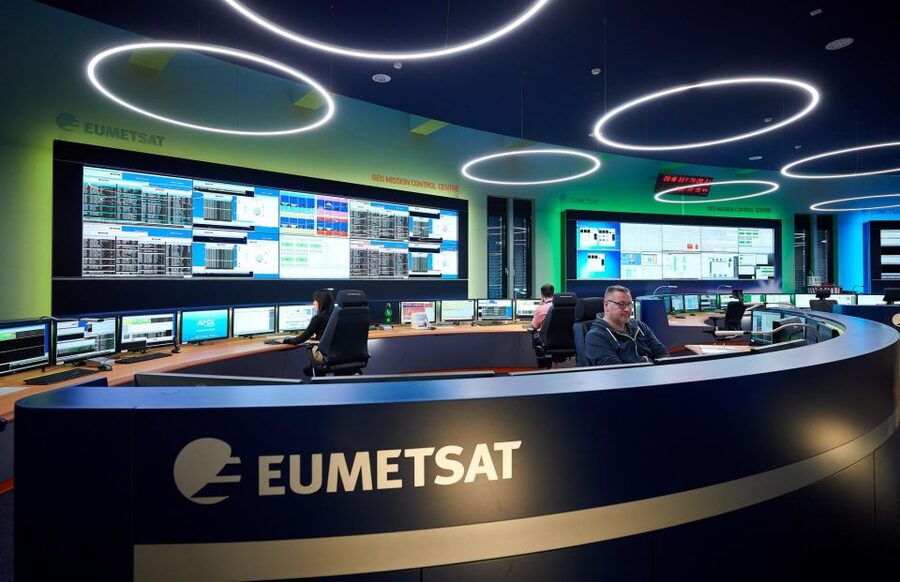
Most travel stops about space and science are mostly about screens, posters, and dreamy concepts. This one is more grounded. EUMETSAT, the European organization that operates meteorological satellites, has its headquarters in Darmstadt, and the tour is designed to help you understand what those satellites are doing with data in the real world.
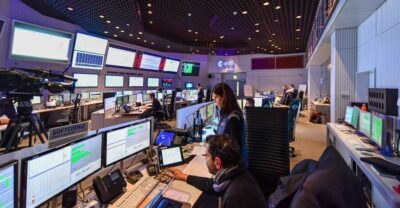
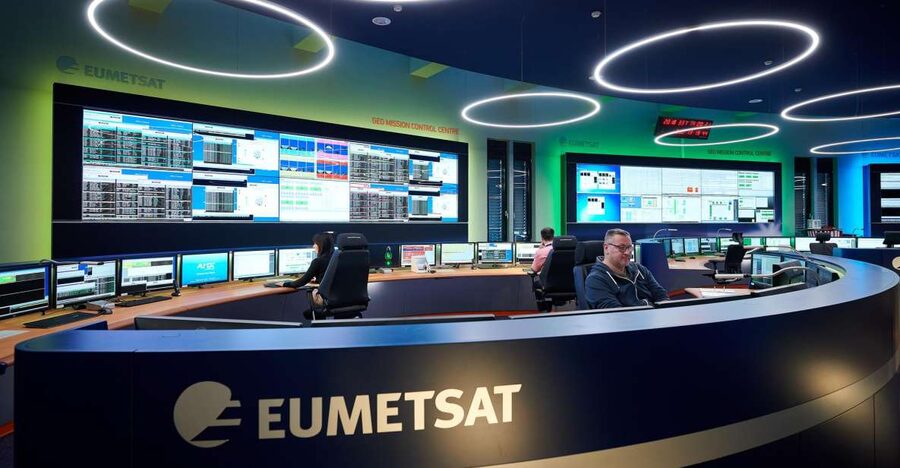
Since 1986, EUMETSAT has been running a system of meteorological satellites from Darmstadt, 24 hours a day, 365 days a year. That constant rhythm is the theme of the visit. You are not just learning what satellites are, you are learning how they fit into daily decision-making, from weather forecasts to longer-term climate observations.
And the format is very viewer-friendly. Instead of only talking in abstract terms, the tour uses full-size satellite models, so you get a strong sense of scale and structure. It makes the science feel concrete, not distant.
Next departures posted for Darmstadt:
- Darmstadt: Mathildenhöhe UNESCO Site Guided Visit
★ 4.7 · 124 reviews - ESA Darmstadt – Visit the European Space Agency
★ 4.4 · 51 reviews
Getting in: the Visitors’ Gate, ID checks, and what can slow you down
Plan your timing around security. Your meeting point is the Visitors’ gate at EUMETSAT-Allee 1, and access is not casual. You will go through an ID check where documents are checked for authenticity and then retained for the duration of your stay.
Here is what that means for you in practice:
- Bring a passport or identity card. Driving licenses, residence permits, health insurance cards, and similar documents are not accepted as proof of identity.
- If you are 16 or older, you must carry a valid identity card.
- Expect to wear visitor identification visibly during the tour.
Also, keep your group behavior in mind. It is not permitted to leave the group during the tour, and you will need to follow instructions from security staff. If you arrive flustered or late, the bottleneck is usually not the tour itself, it is getting through the entry process smoothly.
Full-size satellite models: the easiest way to grasp meteorological satellites
The heart of this experience is the satellite-model viewing. You will use full-size satellite models as the visual guide while you learn, and that hands-on approach is what makes the science click.
The best way to think about this is simple: when you can see the size and components of a satellite design, you start asking better questions. What parts capture and transmit data? Why does the satellite need to be built this way? How does the system support continuous monitoring of the atmosphere?
The tour descriptions and visitor feedback both point to the models being genuinely impressive, including examples shown at true-to-life scale in parts. That matters because scale is often missing in casual explanations. Here, you get the scale right, which makes the technical story easier to follow even if your German is rusty.
What satellites do 24/7: forecasts, storms, and daily weather thinking
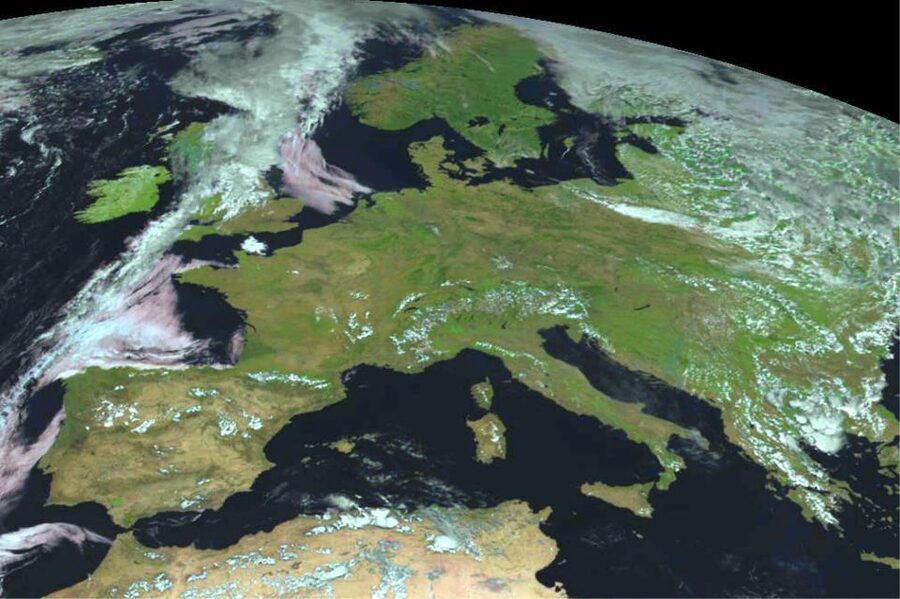
EUMETSAT operates meteorological satellites around the clock. That is not marketing fluff, it is the practical engine behind weather forecasts. During the tour, you will connect the dots between satellite data and why your daily forecast is not just a guess pulled from a hat.
You learn that the organization supports information needed for everyday weather forecasting. Satellites collect observations that meteorologists can use to track and analyze conditions in the atmosphere. When that system is running 24/7, it means new data keeps flowing rather than being collected only occasionally.
A useful way to take this home is to treat weather forecasts as a live data product. This tour helps you see that the forecast pipeline depends on satellites working continuously. If you have ever wondered why forecasting gets better over time, this is part of the answer: better satellite observations plus ongoing operation.
Climate change and global warming data: the longer horizon side of the mission
Weather forecasts get attention because you feel the results immediately. Climate change monitoring is slower and less obvious, but it is equally important. EUMETSAT also provides information used for measuring climate change and global warming, and this shows up in the tour’s explanation.
If you are trying to wrap your head around how satellites help beyond next-day weather, focus on the word used here: measurements. Satellites can provide consistent long-term observations that help scientists analyze trends. The value is not a single snapshot, it is continuity.
This is where the tour earns its keep. In a short time, it connects two worlds that often feel separate. You get the daily weather story and the longer-term climate story, both tied back to the same satellite system and continuous operation from Darmstadt.
Outdoor bits in Hessen: dress for part of the tour outside
The guided tour takes place partly outdoors, so treat this like a real site visit. Dress and equip yourself for the weather in Hessen. Even if you are visiting in comfortable months, do not assume the site will be sheltered the whole time.
Also, plan around what you can carry. Large bags and backpacks are not allowed, and you cannot bring luggage or large bags into the area. Baby carriages are also not allowed. If you are traveling light, you will feel more relaxed as you move through entry and holding areas.
A German guided tour you can still enjoy
The tour guide is live and speaks German. That is the main limitation to keep in mind. If you only understand basic phrases, you can still enjoy the experience because the models are visual, and the physical scale helps you follow along. But the full value comes from understanding what is being explained during the walk.
What I like about this format is that it is a focused length. At 1.5 hours, you get time for the main narrative without spending an entire afternoon. It is the kind of duration that works well if you are juggling a day in Darmstadt, nearby sights, or a train schedule.
You are also not expected to just sit quietly. The best tours make room for questions, and this one is designed to answer questions in a guided setting. If you are curious about how the satellite models connect to actual data use, be ready to ask.
Price and value: is $17 for 1.5 hours worth it?
At $17 per person for about 1.5 hours, this is priced like a smart, accessible science visit rather than a museum-ticket splurge. You are paying for several things at once:
- Access to a working European satellite organization setting
- Guided interpretation centered on full-size satellite models
- A clear explanation of how the data supports both forecasts and climate change measurements
If you compare it to typical “science interest” activities, the value here is the behind-the-scenes feel. You are learning from the organization’s mission and setting, not just from generalized educational content. The strict entry rules and security process are a clue that you are visiting a real facility, not a themed version of one.
The strong average rating also supports the idea that the format works for people who want real explanation and good visuals. For your money, the tour aims for substance over fluff.
Who should book, and who might feel frustrated
This tour is a great fit if you like science that has an everyday connection. If you enjoy weather, space, satellites, or just learning how systems work behind the scenes, you will likely have a good time.
It is also a nice choice for adults who want a short, structured activity in Darmstadt that does not require deep technical background. The full-size models give you the mental anchors so you can follow the story.
But it is not the best match for everyone:
- Children under 12 are not suitable for the guided tours.
- The tour language is German, so language comfort matters.
- The site has rules about bags and group movement, so plan to be hands-on and follow instructions.
If you are traveling with lots of gear, plan to lighten up. If you need the comfort of leaving a group whenever you want, this tour does not work that way.
My booking checklist for a smooth visit
Do this before you go, and you avoid the most common headaches.
First, pre-registration is required. You must be pre-registered with Darmstadt Marketing, and they need your full name and nationality for each participant. Have that information ready when you book so you do not scramble later.
Second, bring the right ID. A passport or identity card is required, and identity documents are checked for authenticity and retained during your stay.
Third, pack light. No large bags, no backpacks, and no luggage are allowed. If you are bringing something essential, keep it small enough to avoid problems at entry.
Finally, dress for the outdoor parts. It is a guided visit, so you will spend time outside as the group moves through the site.
Should you book EUMETSAT for weather and satellites in Darmstadt?
Yes, book it if you want a practical science experience that connects satellites to your real life, not just space as a concept. The combination of a short 1.5-hour guided format, full-size satellite models, and explanations that cover both forecasting and climate change makes this one of the more worthwhile science stops in the area.
Skip it if you need an English-only experience, if you are traveling with a lot of luggage, or if strict entry rules would make you anxious. Also skip if you are bringing children under 12, since the tour is not suitable for that age group.
If you are comfortable with German guidance, traveling light, and following site rules, this is a strong choice for a morning or afternoon slot in Darmstadt.
FAQ
Where is the meeting point for the tour?
You meet at the Visitors’ gate, EUMETSAT-Allee 1.
How long does the guided tour last?
The tour lasts about 1.5 hours.
What language is the tour guide?
The live tour guide speaks German.
What is the minimum age for the tour?
The minimum age is 12 years.
Do I need an ID card or passport?
Yes. You must bring a passport or ID card. Access is only permitted upon presentation of a valid passport or identity card, and documents are checked for authenticity.
Are large bags or backpacks allowed?
No. Luggage or large bags are not allowed, and large bags or backpacks are not permitted.
Is the tour wheelchair accessible?
Yes. The tour is listed as wheelchair accessible.