Reviewed · GERMANY
ESA Darmstadt – Visit the European Space Agency
One place connects you to real missions in flight. At ESA Darmstadt, the European Space Operations Centre (ESOC) has been designing and running space missions since 1967. I love how this tour keeps it practical, you see how Europe stays in contact with spacecraft through its ground-station network. You’ll also get a clear sense of how science turns into daily operational decisions.
I also like the human scale of it. You’re guided through the premises, and you can look at satellite models while operations are happening, so the whole visit feels current rather than museum-only. A consideration to keep in mind: the main control room may not always be available for viewing, depending on internal circumstances.
Finally, it is not a casual stroll. There’s a security layer, you’ll need a valid ID, and tours partly run outdoors, so dress for weather. If you want a behind-the-scenes look at how European space work actually operates, this is a strong pick.
In This Review
- Key things to know before you go
- Entering ESA Darmstadt, where missions get their instructions
- The 1.5-hour tour flow, what you will likely see
- Security and ID rules, the part that can surprise people
- ESOC in Darmstadt, why this place matters
- The main control room may be off limits, and that is okay
- Satellite models during ongoing operations, the real-world wow
- Missions you will hear about, the big names behind ESOC work
- Space security in Darmstadt, a less obvious side of the job
- Weather, outdoor time, and how to dress for success
- Who this tour is for, and who might feel “meh”
- Practical value, what you gain from 1.5 hours
- Should you book ESA Darmstadt?
Key things to know before you go
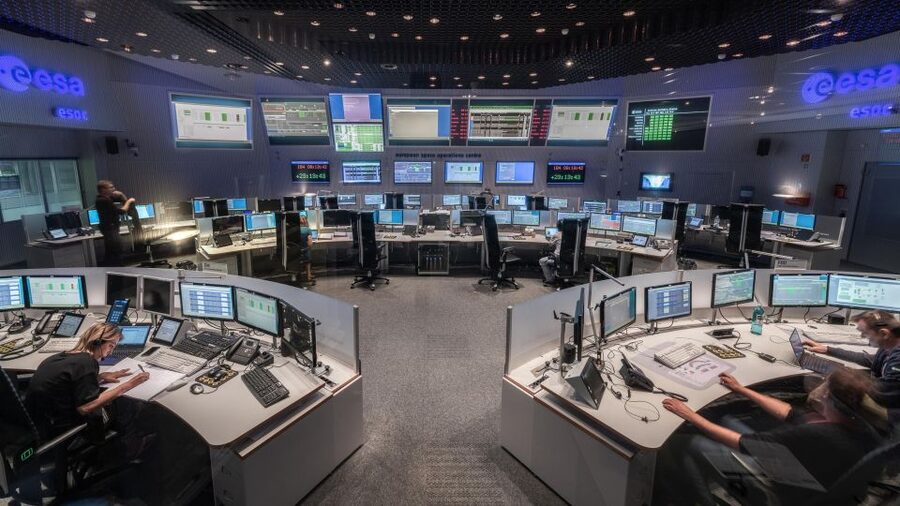
- Access to ESOC operations: This is the ESA site in Darmstadt that supervises missions during their active phases.
- You see satellites in context: Satellite models are part of the visit, not just a slide show.
- Major missions are part of the story: Giotto, Huygens, Envisat, Mars Express, Rosetta, BepiColombo, and Solar Orbiter are among the missions supervised here.
- A global ground network runs from Darmstadt: The worldwide ESA ground stations connect the control center to missions.
- Space security is on the agenda: ESA’s space security efforts are located here as well.
- Plan around a possible control-room change: The main control room might be closed for viewing.
Entering ESA Darmstadt, where missions get their instructions
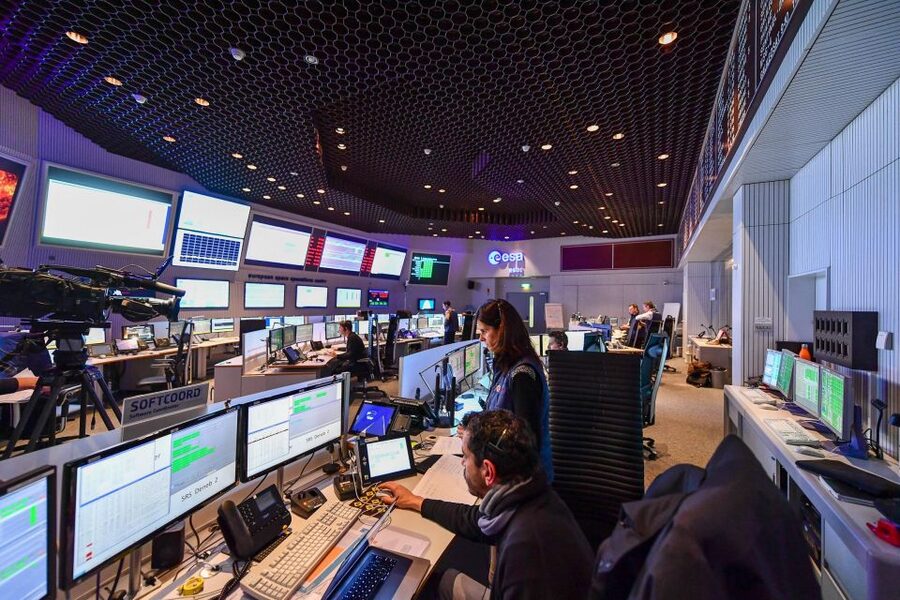
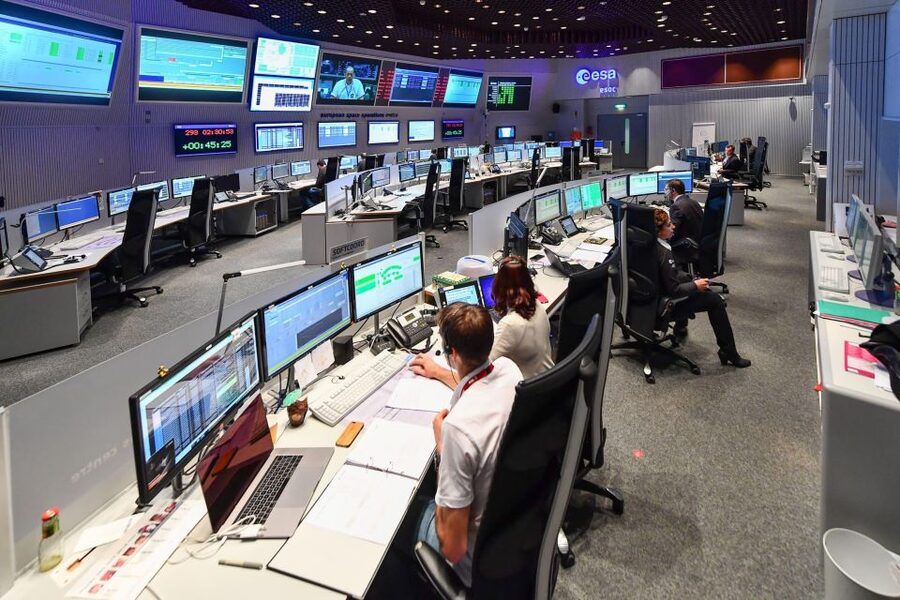
The ESA Darmstadt tour is one of those experiences that feels like you are stepping into the job behind the headlines. The European Space Operations Centre, ESOC, has been the operational brain for European space missions since 1967. In other words, this is not a generic “space-themed building,” it is a working control center.
Your visit starts at the visitors’ gate at Robert-Bosch-Straße 5. Use this address for your navigation, and if you like coordinates, the meeting point is 49.87077713012695, 8.62267780303955. Expect a security check as part of the process, since access requires strict ID rules and site instructions.
The vibe here is orderly. Tours are guided by a live guide in German, so plan for a lot of clear explanation and limited wandering. If you are comfortable following a group, you’ll enjoy how structured the experience is.
Next departures posted for Darmstadt:
- Darmstadt: Mathildenhöhe UNESCO Site Guided Visit
★ 4.7 · 124 reviews - EUMETSAT – weather data for the world “made in Darmstadt”
★ 4.7 · 25 reviews
The 1.5-hour tour flow, what you will likely see
The whole experience runs about 1.5 hours, and it is designed as a guided walk through ESA ESOC premises. The core idea is simple: you get a sense of how satellites are supervised during ongoing operations, and what that supervision looks like on site.
The exact viewing areas can shift, because the tour note explicitly says the main control room may not be available. Even if you cannot view the main control room, you should still expect other parts of the premises, plus the satellite models shown during operations. That matters, because it means your visit still has an operational feel, not just “static exhibits.”
A useful way to think about the tour timing is this: you are there long enough to understand the big picture, then you get targeted details while you are walking. So come with curiosity and not a checklist mindset. You will get more from the guide’s explanations if you stay mentally present through the full 1.5 hours.
Security and ID rules, the part that can surprise people
ESA tours are fun, but they are also controlled. You need to bring a passport or ID card. If you are 16 or older, you must carry a valid identity card. The site checks identity documents for authenticity, and those documents are retained for the duration of your stay.
That last detail is important. Do not show up with the wrong paperwork, and do not expect a driving license, residence permit, or other document to work. It specifically states those are not accepted as proof of identity. Also, the rules say visitor IDs must be worn visibly at all times.
A few more practical limits:
- No baby strollers
- No luggage or large bags
- Do not leave the group during the tour
- Follow instructions from security staff, since uncooperative behavior can lead to denied access or expulsion
If you want this to feel smooth, travel light. Think small day bag only, nothing that resembles luggage. This is one of those tours where the “easy for you” choice is also the “easiest for security” choice.
ESOC in Darmstadt, why this place matters
What makes ESA Darmstadt special is the operational role ESOC plays in real missions. Since 1967, ESOC has been where European missions are designed and controlled. That sounds broad, but the tour context ties it to daily work: maintaining contact with spacecraft and supervising mission operations as they happen.
One of the most interesting parts of the explanation is how control does not happen in isolation. ESA’s worldwide network of ground stations is operated from here to maintain contact with missions. On the tour, you are not just hearing words like “communication” and “tracking,” you are seeing the premise that those capabilities run through this one center.
So when you think about satellites as “things in space,” it helps to remember what ESOC represents on Earth. It is the link that turns a mission plan into real, timed actions. Even without getting technical, the tour gives you a believable picture of how the system works.
The main control room may be off limits, and that is okay
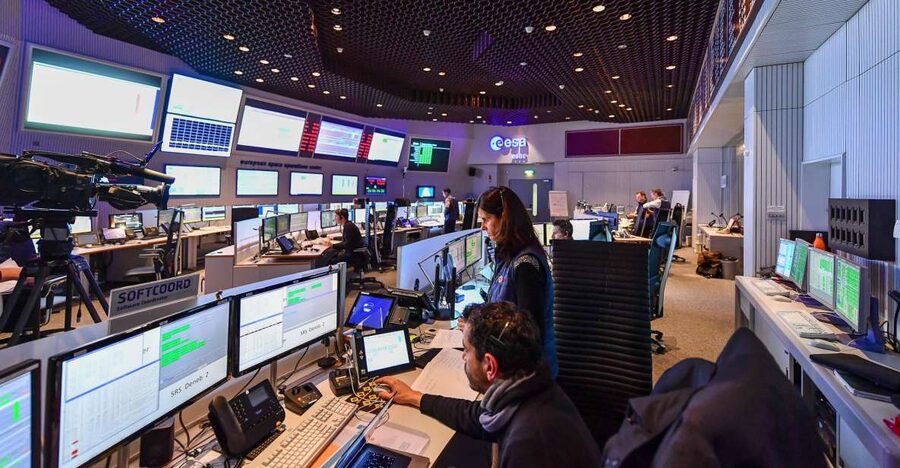
Here is the honest heads-up: the main control room may not be available for viewing depending on internal circumstances. This is not a guarantee problem, it is a real-world operations issue.
What I’d do with that information is keep expectations flexible. If you get a view into the main control room, great, you’ll see the most direct side of mission operations. If you do not, you can still get value from the rest of the route, especially the satellite models and other operational areas.
This is also why the tour works as an “engineering curiosity” outing. The point is not to stare at one perfect room, it is to understand the ecosystem of control, communication, and supervision.
Satellite models during ongoing operations, the real-world wow
One of the tour’s strongest selling points is that you visit various satellite models during ongoing operations. That combination is what makes it feel alive. A model alone can be educational, but a model shown alongside active operational context becomes memorable.
You will be looking at spacecraft hardware and the way it fits into mission control. The guide’s explanation is key here, because it helps you translate the visual into meaning: what a control center does with a satellite, how supervision works, and why contact matters.
Even if you do not consider yourself a “space person,” this is the part where you can connect the dots fast. Satellites are often framed as distant and abstract. Seeing models in a working setting brings them down to Earth, literally.
Missions you will hear about, the big names behind ESOC work
The tour context includes a long list of missions that have been operationally supervised at ESOC. That range is one reason the visit feels more serious than a general science stop.
The examples mentioned include:
- Giotto
- Huygens
- Envisat
- Mars Express
- Rosetta
- BepiColombo
- Solar Orbiter
You might not have background on all of them, and that is fine. The names help you realize the scale of supervision happening here, from planetary missions to high-profile science spacecraft. If you are a space nerd, it also gives you a satisfying sense of continuity, one control center tied to many eras of European mission history.
Just remember, the tour’s goal is not to turn this into a mission lecture that runs longer than 1.5 hours. It is to give you operational context, then support it with recognizable examples.
Space security in Darmstadt, a less obvious side of the job
Most people picture mission control as purely scientific. ESA Darmstadt adds an important layer: space security. The tour information notes that ESA’s activities in space security, protecting against dangers from space, are located here as well.
Even without extra technical detail, this topic changes how you view satellites. It reminds you that space is an environment with risks, not just a clean stage for exploration. Supervision, communication, and protective planning all belong in the same operational reality.
If you like your science grounded in real consequences, you’ll appreciate this part. It adds a modern, practical angle and makes the control center feel tied to current needs, not only past missions.
Weather, outdoor time, and how to dress for success
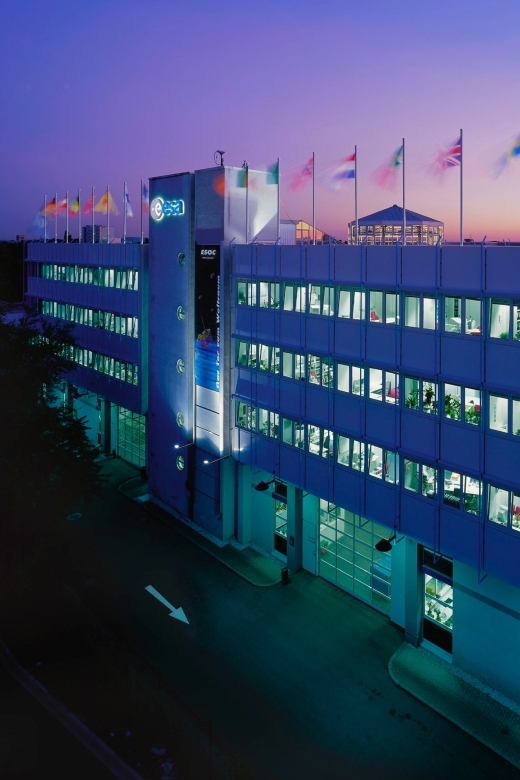
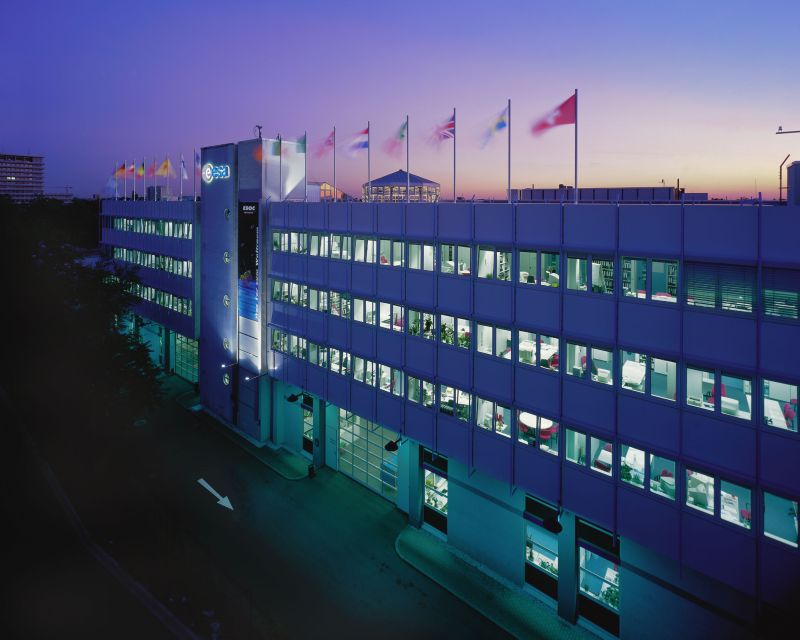
The tour note says the guided tour takes place partly outdoors. That means your outfit matters, even if you do not expect a lot of walking.
Bring something that helps you handle the day’s conditions, especially if you are visiting in shoulder season or winter. Wear layers, and consider waterproof outerwear if rain is likely. If you show up chilled or soaked, you will lose focus during explanations that require you to stay attentive as a group.
Also, keep shoes comfortable. You are moving between areas and standing for parts of the guide’s talk, and you cannot solve that with dramatic fashion choices.
Who this tour is for, and who might feel “meh”
This experience is a strong match if you enjoy science that has real systems behind it. If you like engineering, communication networks, and how organizations coordinate complex tasks, you will get a lot from the ESOC setting.
It also works well for people who want a “wow” factor that is not built on flashy set pieces. The wow here is the seriousness of the mission environment and the fact that you are learning how supervision works.
The main limitation is age. The minimum age for guided tours is 10 years, and it is not suitable for children under 10. Also, the tour includes security rules and ID requirements that can be extra hassle with younger kids, so older kids usually handle it better.
Practical value, what you gain from 1.5 hours
Even without seeing a long itinerary list, you can judge the value by the structure: a controlled site visit, guided explanation in German, satellite models, and a real operational setting. That is a rare combination for a short time.
You get context for the European ground-station network and how that supports contact with missions. You also get exposure to major mission names, which helps you place ESA in the broader space story. And you get at least a glimpse of space security, which broadens the usual “space is only exploration” framing.
If you are choosing between a general museum space stop and this, I would lean toward ESA Darmstadt when you want operational understanding. This is more about how work gets done than about looking at artifacts behind glass.
Should you book ESA Darmstadt?
Book it if you want a guided look at a real control center, with the chance to see satellite models and hear how ESOC supervises missions and maintains worldwide contact. It is also a good pick if you care about the practical side of space, including space security.
Skip it or reconsider if you need a tour that is flexible on viewing specifics, because the main control room may not be available. Also, if you cannot meet the ID and bag restrictions easily, plan a low-stress packing setup before you arrive.
If your idea of a great outing is learning how science runs day to day, this is a smart use of 1.5 hours in Darmstadt.