Reviewed · GUIDED
Darmstadt: Mathildenhöhe UNESCO Site Guided Visit
Twenty minutes of architecture thinking, then you get it. A guided visit to Mathildenhöhe Darmstadt turns a German artists colony into a clear story of how design and art hit a turning point at the edge of the 20th century.
I love that the guide connects the whole ensemble, studio building to exhibition building, then out to the artists’ houses and the park, so it feels like one planned idea instead of disconnected stops. I also like the focus on the theme of Aufbruch in die Moderne, meaning the push toward modern art and modern living.
One potential drawback: the tour is generally in German, with English only on Saturday at 2pm. If you need English, plan your date early.
In This Review
- Key highlights you will care about
- Mathildenhöhe, UNESCO, and the Modern Breakthrough Idea
- Price and Timing: What $17 Buys in Real Sightseeing Time
- Start Here: North Entrance at the Museum Künstlerkolonie
- Joseph Maria Olbrich and the Whole-City Concept
- Studio Building: Where the Art-Making Mindset Shows Up
- Exhibition Building: Modern Art Needs a Stage
- Artists’ Houses: Design as Daily Life, Not Just Decoration
- The Park and the Ensemble Plan: Space Is Part of the Design
- Language Choice: German Most Days, English Only One Specific Option
- Who Should Book This Mathildenhöhe Tour
- Should You Book? My Straight Answer
- FAQ
- How long is the guided visit?
- Where is the meeting point?
- What is the price per person?
- What language is the tour in?
- What does the tour include?
- Is the tour wheelchair accessible?
- Can I cancel for a refund?
- Who provides the experience?
Key highlights you will care about
- UNESCO World Heritage setting: You are walking through an architecturally significant ensemble, not just admiring a single building.
- Olbrichs whole city idea: The visit explains how the colony was meant as an integrated place, not a collection of separate houses.
- Studio, exhibition, houses, park: You see the movement through function, where artists worked, showed work, and lived.
- Lively, human explanations: German guides can bring the artists to life, including personal context behind the designs.
- Wheelchair accessible: The experience is marked wheelchair accessible, so you can plan without guesswork.
- Good value for 90 minutes: At $17 per person, you get a focused guide-led overview of the ensemble.
Mathildenhöhe, UNESCO, and the Modern Breakthrough Idea
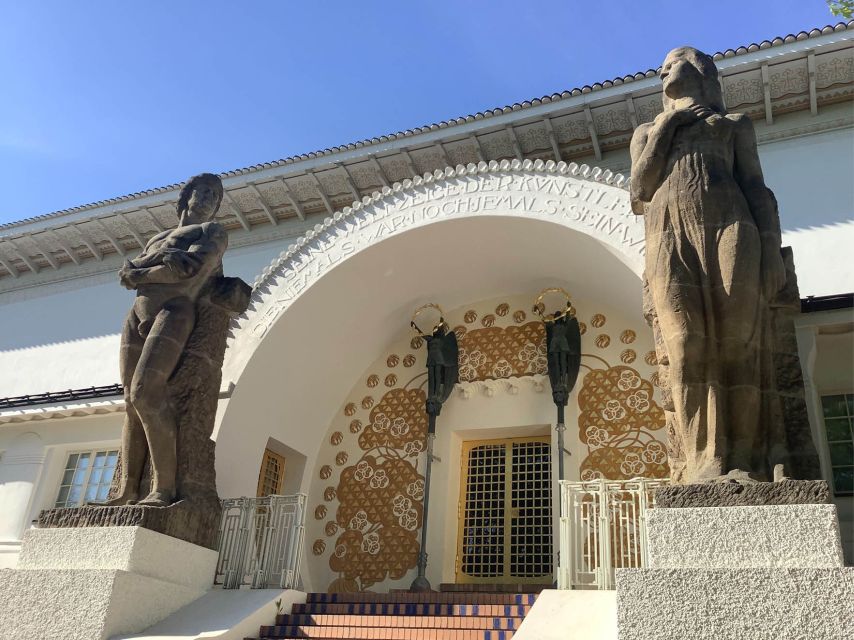
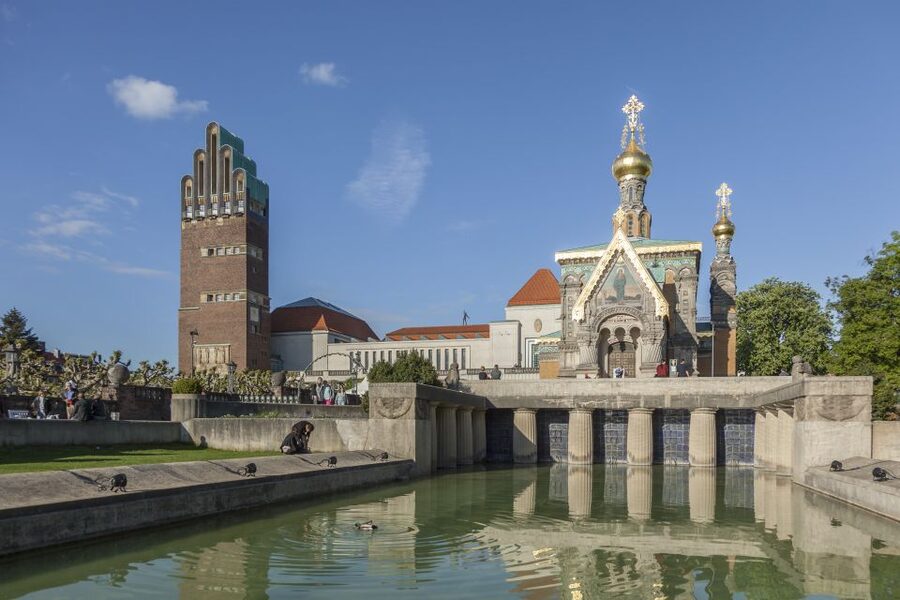
Mathildenhöhe Darmstadt is one of those places where architecture is not just a backdrop. It is the main character. This UNESCO-listed ensemble is tied to the moment when art and design started shifting fast, right on the threshold of the 20th century.
What makes the site so interesting is that it is built like a statement. The guiding theme is basically: a city we must build, a whole city. Joseph Maria Olbrich’s idea becomes physical reality here. You are not only looking at pretty facades, you are learning how an artists colony tried to shape daily life through form, space, and creative ambition.
On this 90-minute guided tour, you get the story of the full complex. That matters, because one building alone can feel like a style snapshot. The ensemble approach helps you see the logic behind the style, the way studios and display spaces fit together with homes and outdoor space.
And yes, the emphasis is on Aufbruch in die Moderne. Think of it as the mindset of modern art, not just the look.
Also holding a platform in Darmstadt
- Berlin: Reichstag, Dome and Government District Guided Tour
★ 4.7 · 18,288 reviews - Dresden: Semperoper Tickets and Guided Tour
★ 4.7 · 12,102 reviews
Price and Timing: What $17 Buys in Real Sightseeing Time
The tour runs about 1.5 hours, which is a sweet spot. Long enough for a guided explanation, short enough that you can still keep your day flexible in Darmstadt.
At $17 per person, you are paying for more than entry to a place. You are paying for someone to translate the site’s purpose. For architecture, context is everything. Without a guide, you can still walk the grounds, but it is easy to miss why these buildings exist, how they relate, and what “modern breakthrough” meant in practice.
So, the value is not that it is cheap. The value is that 90 minutes is enough to understand the ensemble’s plan: studio building, exhibition building, artists’ houses, and the park. That full sweep is exactly what you want for a first pass.
Start Here: North Entrance at the Museum Künstlerkolonie
You meet at the north entrance of the Museum Künstlerkolonie Darmstadt, at Olbrichweg 13A. This is one of those details that can save you stress. Show up a little early so you can get oriented before the group moves off.
From there, the tour guide leads you through the ensemble with a clear narrative. You are not left to figure out what you are looking at. You get the “why,” then you get to connect that explanation to what you see in front of you.
If you like guided tours that keep you moving, this one fits. It is also noted as wheelchair accessible, which is a big practical plus when you are comparing options in a city.
Joseph Maria Olbrich and the Whole-City Concept
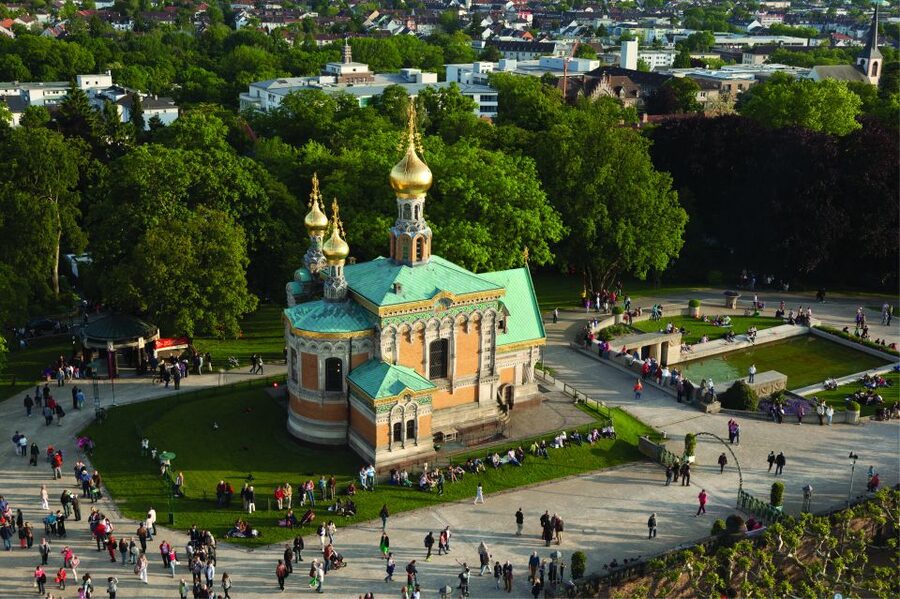
The center of the story is Joseph Maria Olbrich. The tour ties his famous idea to what you can actually experience on site. He talked about building a whole city, not just scattered artistic projects. The ensemble at Mathildenhöhe reflects that thinking.
Why you should care: that “whole city” concept changes how you view everything on the hill. Studios are not random workspaces. Exhibition space is not just a gallery. Houses are not simply homes. They are all part of the same creative plan, a model for how people might live while art takes a more central role in society.
You will also hear that the ensemble marks a turning point in architecture and art as the 1900s approached. That idea is not abstract on this tour. It shows up in the way the buildings are arranged as a group, and in how the guide frames the shift toward modern design.
Studio Building: Where the Art-Making Mindset Shows Up
Studios are where theory meets daily work. On this tour, the studio building is one of the key “how it functioned” stops. You will be guided through the logic of studio space inside the larger colony plan.
The value here is that you stop thinking of artists as mythic figures and start seeing them as working people with schedules, materials, and creative routines. Even when the architecture is ambitious, the studio connects that ambition to the real business of making art.
If you enjoy architecture that has a job to do, this stop clicks. It is not just style. It is a place designed for making.
A small consideration: if you are expecting a museum-style, inside-every-room experience, you might find the tour is more about the overall ensemble story than deep room-by-room detail. But for a first visit, that approach is usually exactly right.
Exhibition Building: Modern Art Needs a Stage
Next comes the exhibition building. This is where the tour theme turns from working to showing. The guide helps you understand how exhibition space matters for modern art, because modern movements often needed new ways to present work.
Here is what I like about this part of the tour. It gives you a connection between the buildings’ design and the kind of art being promoted. Exhibition space is a statement, and it shapes how art is read. The guide’s explanations help you see how the architecture supports the idea of new art for a new era.
In other words, you are not just seeing where art was displayed. You are learning why display in the modern age could not be an afterthought.
Artists’ Houses: Design as Daily Life, Not Just Decoration
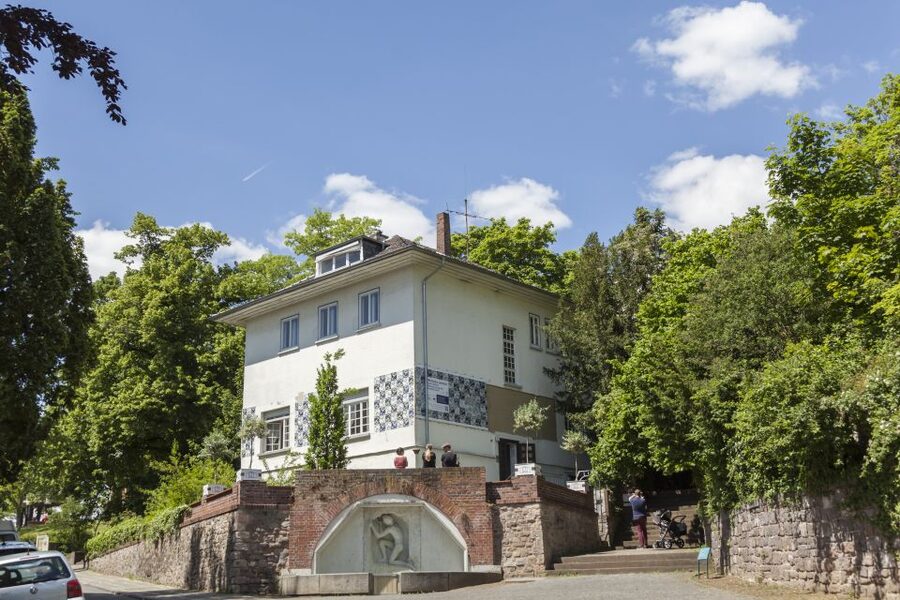
After the studio and exhibition spaces, the artists’ houses bring the story back to human scale. This is the stop where the “whole city” idea becomes easiest to understand. A colony is not only for production and display. It is also for living.
On this guided visit, the houses help you understand how the movement influenced everyday surroundings. You can think of it as the difference between seeing a costume hanging in a shop and watching someone wear it. Houses show you what “modern” looks like when it becomes routine.
This is also where the tour style tends to shine. German guides can bring personal context to the artists and the choices behind the architecture. One Saturday German tour was led by Frau Gerhardt, and her explanations stood out for connecting the artists’ work to real personal and interpersonal background, not just dates and shapes.
You do not need a degree in art history to get value here. You just need curiosity, and the guide supplies the bridge.
The Park and the Ensemble Plan: Space Is Part of the Design
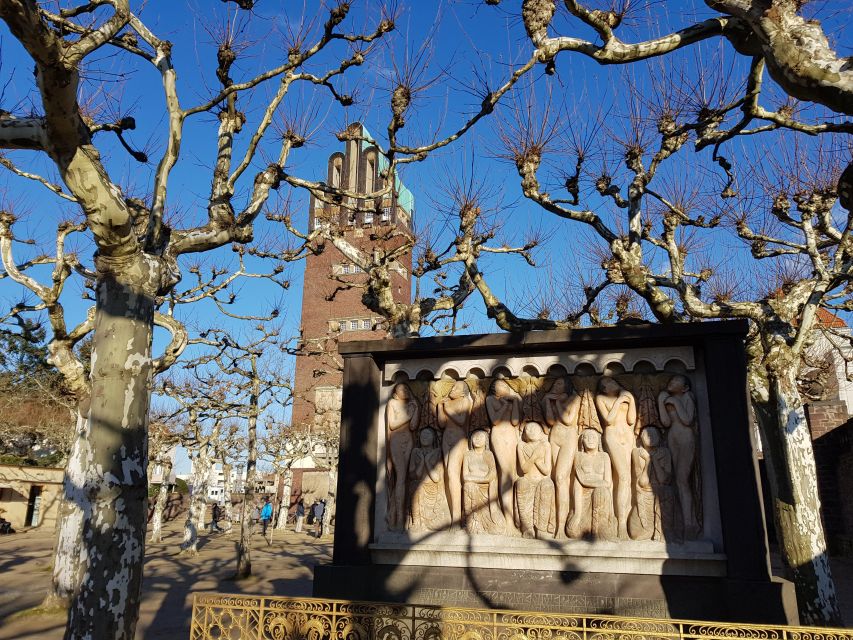
The tour includes the park. That detail matters more than it sounds. In many historic sites, outdoor space is treated as leftover scenery. Here, you are meant to see the outdoor setting as part of the overall concept.
The guide frames the ensemble as planned together, studio plus exhibition plus houses plus park. When you walk the grounds, you feel how the design supports movement and relationship between buildings. It helps you understand the colony as a living environment, not a series of isolated monuments.
Practical tip: wear comfortable shoes. You will be out and about across the ensemble. Even when the tour is only 90 minutes, you still want to feel good enough to pay attention to details.
Also, if you are visiting in weather that makes outdoor walking unpleasant, this is the part where you might want to adjust your expectations. The park stop is part of the experience, so plan accordingly.
Language Choice: German Most Days, English Only One Specific Option
A key point before you book: the tour is generally in German. Only the guided tours on Saturday at 2pm are English-speaking.
That affects your enjoyment more than you might think. When the guide explains why a building exists and how it fits the modern breakthrough theme, the language becomes part of the value. If you are not comfortable in German, you might miss the nuance.
If you do speak some German, this can still be a rewarding way to learn architectural vocabulary in a real setting, fast and practical. But if you need English for comprehension, plan around the Saturday 2pm option.
Who Should Book This Mathildenhöhe Tour
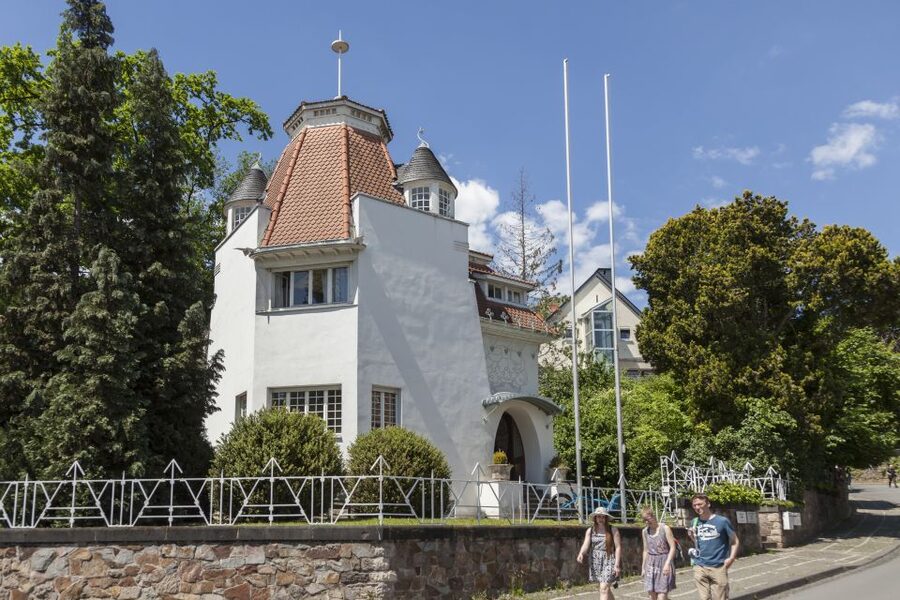
This guided visit is a strong fit if you want:
- a first, clear understanding of Mathildenhöhe as a UNESCO ensemble
- an explanation-focused walk that connects buildings as a system
- architecture and art from the turn-of-the-century modern shift, framed in plain language
It is especially good for couples, solo travelers, and anyone who likes a structured route without committing to a half-day program. If you already enjoy Jugendstil and early modern design, you will likely get more out of every stop.
It can also work well for families, as long as the group is comfortable with guided narration for about 1.5 hours. If your group is the type that hates being told what to look at, you may find it tougher.
Should You Book? My Straight Answer
Book it if you want a guided, high-impact overview of Mathildenhöhe Darmstadt in 90 minutes. At $17, the price feels fair because the tour gives you the “why” behind the studio, exhibition building, artists’ houses, and park, all tied to the modern breakthrough theme.
Skip it, or switch to the Saturday 2pm English option, if language is a dealbreaker for you. The German narration is a major part of how the site makes sense.
If you care about architecture with purpose, this is a tour that helps you see beyond the surface fast.
FAQ
How long is the guided visit?
It lasts about 1.5 hours.
Where is the meeting point?
You meet at the north entrance of the Museum Künstlerkolonie Darmstadt, Olbrichweg 13A.
What is the price per person?
The tour costs $17 per person.
What language is the tour in?
It is generally in German. English-speaking tours are available on Saturdays at 2pm.
What does the tour include?
The guide covers the UNESCO World Heritage ensemble, including the studio building, exhibition building, artists’ houses, and the park.
Is the tour wheelchair accessible?
Yes, it is marked wheelchair accessible.
Can I cancel for a refund?
Yes, you can cancel up to 24 hours in advance for a full refund.
Who provides the experience?
The provider is Darmstadt Marketing GmbH.
Fresh on the arrivals board for Darmstadt


Guided, compared.
Reichstag, Dome and Government District Guided Tour
Read our review →


1-hr Boat Tour with Bilingual Live Guide (DE/EN)
Read our review →