
Reviewed · FRANKFURT TOURS & ACTIVITIES
Central and Eastern Europe Highlights 7-Day Tour from Frankfurt
Some tours are about ticking boxes. This one is about seeing a whole slice of Europe quickly, with help for all the heavy logistics.
I like that the route is structured but not chaotic. You get a full day of coach travel with scenic countryside, then guided time in major cities like Prague, Budapest, and Vienna, followed by the mountain wow-factor in Switzerland.
The other thing I like is the mix of big-name sights and real experiences, like a Danube cruise, Prague Castle grounds, Schönbrunn Palace, and Titlis with its revolving gondola. The potential drawback is the pace, plus lots of walking in castles and old town areas, so you will want solid shoes and realistic expectations about downtime.
In This Review
- Key highlights you should care about
- Why this 7-day Central Europe to Switzerland route makes sense
- Price and what you actually get for your money
- Coach day after day, timing, and the walking reality
- Day 1: Frankfurt to Prague, your first evening in fairy tale mode
- Day 2: Prague Castle, St. Vitus, Golden Lane, and Old Town Square
- Day 3: Budapest, the Danube cruise, and the Buda viewpoints
- Day 4: Vienna’s Schönbrunn Palace, Hofburg, and St. Stephen’s Cathedral
- Day 5: Mondsee’s Sound of Music church and Munich’s Marienplatz
- Day 6: Titlis Rotair, an ice cavern, Lucerne’s Lion Monument, Chapel Bridge, and Zurich
- Day 7: Lake Zurich, Rhine Falls, Black Forest and Lake Titisee sweets, then back to Frankfurt
- Hotel quality, rooms, and how to protect your comfort
- Optional dinners and concerts, when paying extra feels worth it
- Who this tour fits best, and who should reconsider
- Should you book this Frankfurt to Prague to Zurich tour?
- FAQ
- What time does the tour start in Frankfurt?
- How many breakfasts are included?
- Are attraction tickets like Prague Castle or cathedral entries included?
- How much luggage can I bring?
- What is the maximum group size?
- Is gratuity included in the price?
Key highlights you should care about
- Small group size (max 30), which usually makes it easier to stay together on tight city schedules
- Six included breakfasts and comfortable 3-star hotels with private facilities
- Coach travel with an experienced driver plus a tour manager to handle timing and directions
- UNESCO-level stops across multiple countries, from Prague to Vienna to Lucerne
- Swiss mountain payoff on Day 6, including Titlis Rotair and an ice cave visit
Why this 7-day Central Europe to Switzerland route makes sense
This tour is built for people who want the shape of Europe in a week. You are not just hitting one country, you are bouncing through Germany, the Czech Republic, Slovakia, Hungary, Austria, Switzerland, and back again, so you see how the cultures and city layouts change as you go.
The secret sauce is that you are not doing navigation. A coach handles the long transfers, and the tour manager keeps you organized so you can focus on sights, photos, and meals.
The schedule also lines up well with how these cities work. Prague and Vienna are at their best when you do the core sights in the morning, then shift into evenings for atmosphere. Budapest and Lucerne also suit an early start because you are dealing with viewpoints, river areas, and photo-friendly routes.
Also holding a platform in Frankfurt
- Frankfurt: River Main Sightseeing Cruise with Commentary
★ 4.3 · 5,127 reviews - Frankfurt: Hop-On, Hop-Off Grand or Express Bus Ticket
★ 3.9 · 2,088 reviews - Frankfurt: 1-Hour Panorama Boat Cruise on the river Main
★ 4.4 · 1,822 reviews
Price and what you actually get for your money
At $1,035.42 per person for 7 days, this is mid-range for a multi-country coach tour. You are paying for the big items: 3-star hotels, daily coach transportation, and the tour manager plus six breakfasts.
What is not in the price is just as important. Attraction admissions and optional activities are not included, and lunches and dinners are your responsibility. You should also plan for daily gratuities of €10 per person collected in cash by the tour manager.
If you manage your budget well, the value is strong. You get a lot of guided time in major landmarks, and you are not spending your energy figuring out ticket lines, transit connections, or which tram gets you closest.
Coach day after day, timing, and the walking reality
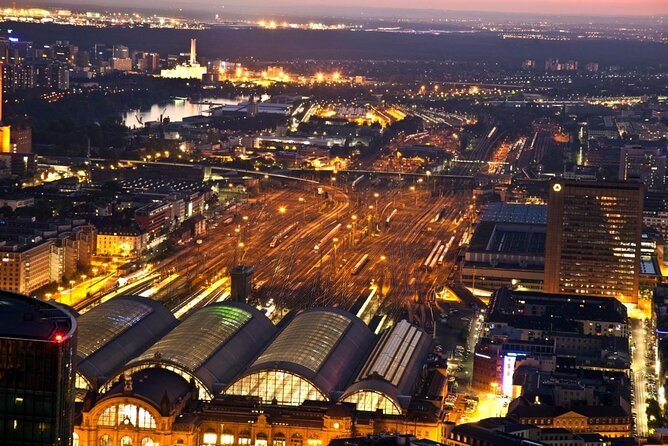
You start at 8:30 am at Frankfurt am Main Hauptbahnhof, then you ride. On coach days, the tradeoff is simple: you see a lot, but you also spend more hours sitting, and you need to be ready for longer days when traffic or construction shows up.
In city centers, expect walking. Prague Castle areas, Golden Lane, Old Town Square, and St. Stephen’s Cathedral area all involve uneven terrain and stairs in parts. Lucerne and Titlis also bring real walking, especially at viewpoints and on bridges.
Bring what makes long days easier: comfortable shoes, a small daypack, and a plan for hydration. Europe’s public bathroom situation can be unpredictable, and a little patience and flexibility saves stress.
And one more practical thing: this is a group with a maximum of 30, so meeting times matter. Several comments emphasized that being on time keeps the day running smoothly, while delays can shrink your time in each place.
Day 1: Frankfurt to Prague, your first evening in fairy tale mode
Day 1 starts with pickup at Frankfurt (Main) Central Station. You board a luxury coach, then enjoy a scenic ride through classic German countryside toward the Czech Republic.
You arrive in Prague in the evening. This is a good setup because you avoid most of the day’s peak crowds, and you can still enjoy Prague’s nighttime vibe from the start.
You are not going to cram full sightseeing into the first night, and that is fine. The real benefit is being rested enough for Day 2, when you tackle the major Prague Castle complex.
Day 2: Prague Castle, St. Vitus, Golden Lane, and Old Town Square
Prague’s second day is the core of the city, and it is well planned around viewpoints and landmark grouping. You start with the Prague Castle area, walking along the Royal Route toward the traditional coronation path of Bohemian kings.
From Castle Hill, you get classic skyline views over Prague’s red roofs. Then the tour moves inside the castle grounds, and you get that sense of scale that makes Prague feel like a living history museum.
Next comes St. Vitus Cathedral and the surrounding royal buildings, plus Golden Lane, the old thoroughfare lined with traditional buildings. This part matters because Golden Lane is compact and photo friendly, so you get variety without needing to travel far across town.
Later you connect with Old Town Square and the Astronomical Clock area. You also pass through the Charles Bridge area, which is one of the biggest “I’m really here” moments in Prague.
After lunch, you transfer to Bratislava for the night. The drawback to a day like this is that it moves fast, so if you love lingering, you will want to pick one or two spots to return to on your own time.
Onward connections from Frankfurt:

Day 3: Budapest, the Danube cruise, and the Buda viewpoints
Budapest is two cities stitched together, and this tour uses that idea in a smart way. You start with a Danube River cruise, which is one of the best ways to understand how Buda and Pest sit along the water.
The cruise experience is also practical. It gives you a visual map of what you will see on land later, so the city layout makes more sense when you start walking.
Then you shift into Buda and Pest culture. You visit the Budapest History Museum area at Castle Museum, and you may have time around exhibitions connected with Hungarian national culture. A lunch stop at Buda Palace is part of the rhythm of the day, which helps you avoid a frantic search for food.
On the Buda side, you get Fisherman’s Bastion, Matthias Church, and Gellért Hill for panoramic views. This trio is great because it covers both postcard architecture and serious sightseeing, plus the hill viewpoints give you a bigger sense of geography.
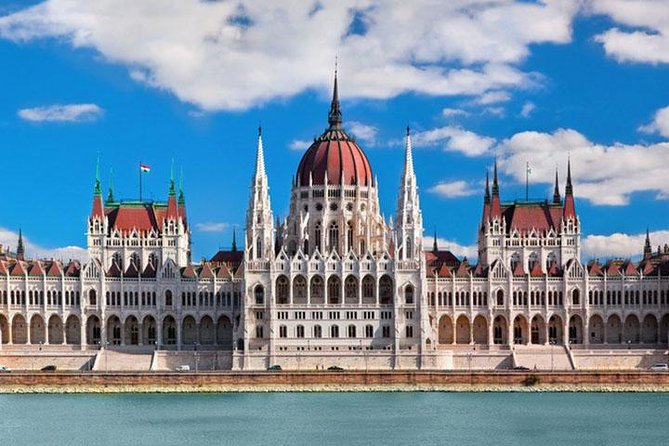
On the Pest side, the tour highlights Heroes’ Square and the Parliament Building from the riverside area. In the evening, there is even an optional traditional dinner with Hungarian dishes and folkdance if you want to lean into the culture side.
This day is one of the strongest on the tour because you get variety: water, churches, viewpoints, and a formal city core.
Day 4: Vienna’s Schönbrunn Palace, Hofburg, and St. Stephen’s Cathedral
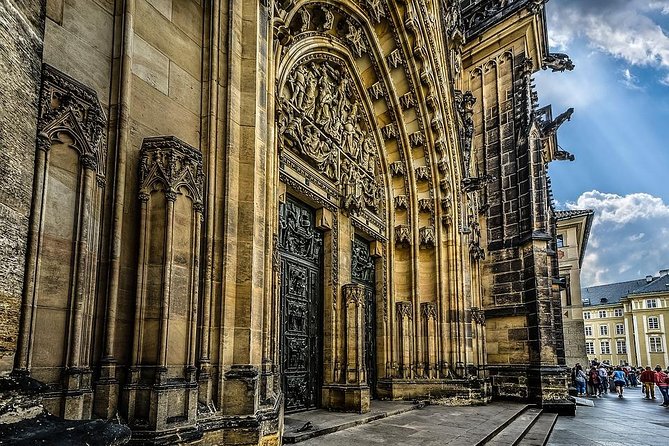
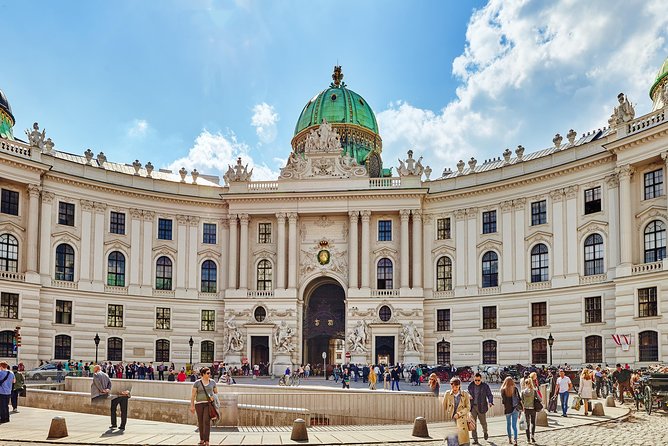
Vienna Day 4 is about big, polished landmarks, and you start with Schönbrunn Palace. You get the Rococo-style summer residence of the Habsburg dynasty, and it is an easy place to fall into that classic Vienna feel.
After lunch, you take a driving tour past major power and heritage buildings, including Hofburg Palace and other prominent landmarks. This matters because it saves time in a city where transit and parking would slow you down.
In the afternoon, you also stop around the Wiener Staatsoper area. Even if you are not doing an indoor tour, seeing the opera house exterior helps you connect Vienna’s identity with its arts legacy.
Then you finish around St. Stephen’s Cathedral and the Stadtpark area, including the famous Johann Strauss II statue. If you like music history, this is a satisfying pairing because Vienna’s classical culture is not just abstract. It is tied to actual streets and buildings.
There is also an optional idea for the evening, a Viennese waltz concert. Based on how people describe these add-ons, it is often the kind of extra that turns the day into a memory instead of just a schedule.
Day 5: Mondsee’s Sound of Music church and Munich’s Marienplatz
Day 5 has two very different moods, which is a smart way to keep the trip from blending together.
First you head to Mondsee, a lakeside town, and you visit Basilika St. Michael. The cloister church is known for its connection to The Sound of Music wedding scene, so if that story is part of your travel joy, this is an easy stop to get excited about.
Then you cross into Germany for Munich and time at Marienplatz and the New Town Hall. Marienplatz is central, and it gives you a relaxed contrast to castle-and-palace days. You also have a choice to enjoy a local beer garden moment or keep moving with shopping and strolling.
One practical note: Munich can feel expensive, so decide early whether you want one treat or several small ones. The tour gives you a rhythm, not a long pause, so you want your spending plan to match your time.
Day 6: Titlis Rotair, an ice cavern, Lucerne’s Lion Monument, Chapel Bridge, and Zurich
This is the day that changes the tone from city touring to pure wow. You leave bigger city areas and head toward the Swiss Alps.
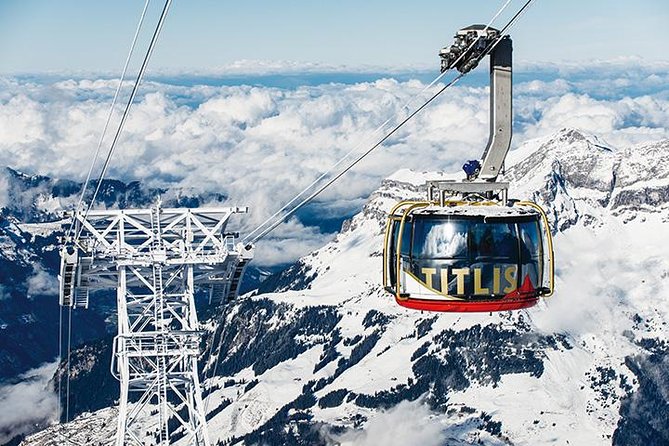
You start in Engelberg, then you have the option to take the cable car up to Mount Titlis. The details here are what make it memorable: you ride the Titlis Rotair, a revolving gondola that gives you changing views as you ascend.
At the summit, you can take in the sun terrace panoramas, then visit the 150-metre ice cavern through the core of a glacier. And if conditions allow, you can also walk across Europe’s highest suspension bridge for wide open mountain views.
After Titlis, you go to Lucerne. You get time around the Lion Monument with the Mark Twain connection, plus free wandering time for souvenirs like Swiss watches and fine chocolates. You then also have time around Chapel Bridge, one of Lucerne’s most recognizable spots.
There is mention of a possible photo stop in Liechtenstein if weather and traffic cooperate. You should treat that as a bonus, not a guarantee.
Finally, you continue to Zurich for an overnight stay. This works well because it turns the day into a smooth transition from mountains back to a major city atmosphere.
Day 7: Lake Zurich, Rhine Falls, Black Forest and Lake Titisee sweets, then back to Frankfurt
Day 7 starts in Zurich. You get a chance for a picture stop at Lake Zurich, then you head toward Rhine Falls, described as Europe’s biggest waterfall. Even if you do not go deep into museum-level experiences, this stop is perfect for a last-day nature burst.
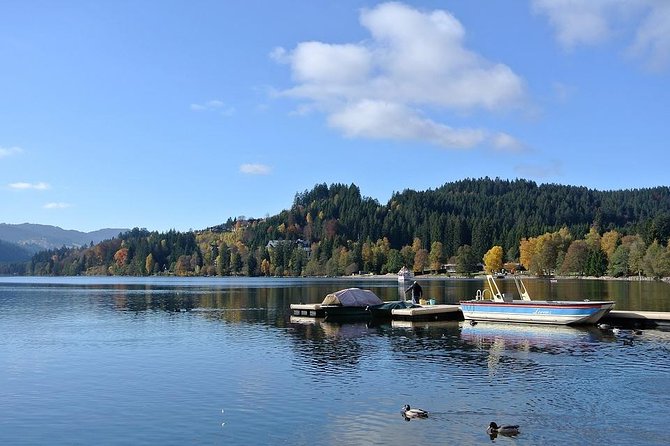
Then you cross back into Germany for the Black Forest and Lake Titisee. You are in folklore territory here, but the itinerary keeps it practical: you get time to stop at lakeside cafés and try Black Forest cherry gateaux, plus a chance to shop for souvenirs like cuckoo clocks.
There is also a demonstration of how cuckoo clocks work, which makes the time feel more than just pretty views. If you enjoy learning how things are made, this is a good final-day addition.
You end by returning to Frankfurt am Main Hauptbahnhof. For some people, it means saying goodbye to new friends and heading home. For others, it is a convenient launch point for more independent exploring in Germany.
Hotel quality, rooms, and how to protect your comfort
Hotels are included at a minimum 3-star level, with private facilities and a mix of twin, double, and single rooms. That is a solid baseline for a coach tour, and it helps you avoid the worst-case budget lodging.
Still, hotel quality can vary by city. There are real examples of mismatches, like rooms that did not feel as comfortable as expected, or hotels in areas that were less convenient than people hoped. If you care a lot about room size, quietness, or air conditioning performance, it is worth mentally preparing for some unevenness across multiple countries.
Also, check your own travel needs early. The luggage rule is one luggage up to 30 kg plus one small hand carry. If your packing style goes beyond that, you could feel cramped during the transfer days.
Optional dinners and concerts, when paying extra feels worth it
This tour includes several moments where you can pay extra for a more immersive night.
In Budapest, there is an optional traditional dinner with Hungarian dishes plus folkdance and music. People often describe this as one of the best ways to finish the day because you get culture with less effort, since you do not have to plan the evening yourself.
In Vienna, there is an optional waltz concert idea. Vienna is one of the best cities in Europe for this style of experience, and the tour schedule makes it easy to slot in without derailing your sightseeing.
The key is to treat optional choices as add-ons, not requirements. If you want a calmer evening, you can skip them and just eat locally near where you are staying, using the tour manager for reservations and directions.
Who this tour fits best, and who should reconsider
This tour fits best if you want a guided highlight reel with clear structure and you do not mind a fast pace. If you like seeing multiple countries, you get that in one go, and the mix of Prague, Budapest, Vienna, Munich, and Switzerland feels like a smart sampling strategy.
It also works well for solo travelers who want people around and a tour manager who keeps you moving. Several people praised guides for being friendly and for helping the group stay on track.
If you have mobility limits, the amount of walking across castles, cathedrals, bridges, and hillside viewpoints could be tough. And if you are traveling with younger kids, be realistic about long coach rides and frequent stops. This is not a slow family stroller route.
If you want a deep study of one city, you will probably feel stretched thin here. But if you want to leave with a strong sense of where you want to come back to, this is a good first taste.
Should you book this Frankfurt to Prague to Zurich tour?
I would book it if your top priority is seeing a wide slice of Europe quickly, with coach comfort and guided landmarks doing the heavy lifting. The Switzerland day alone, with Titlis Rotair and the ice cave, makes this tour stand out.
I would think twice if you hate walking, dislike fast schedules, or you know you are picky about hotel room quality. Because admissions, meals, and optional experiences are not included, you also need a budget mindset and a willingness to pay for what you want to do on the spot.
If you like your vacations organized, and you want to come home with photos and context for several countries, this is a strong pick.
FAQ
What time does the tour start in Frankfurt?
The tour starts at 8:30 am from Frankfurt (Main) Central Station, Am Hauptbahnhof, 60329 Frankfurt am Main, Germany.
How many breakfasts are included?
You get breakfast on 6 days during the tour.
Are attraction tickets like Prague Castle or cathedral entries included?
Admission tickets for attractions listed on the stops are not included, so you should expect to pay for those sites or other optional activities separately.
How much luggage can I bring?
You are allowed one luggage item on board up to 30 kg, plus one small hand carry (like a purse, backpack, or camera bag).
What is the maximum group size?
The tour has a maximum of 30 travelers.
Is gratuity included in the price?
No. Gratuities are €10 per person per day, collected in cash by the tour manager during the tour.
Fresh on the arrivals board for Frankfurt

Frankfurt Tours & Activities, compared.
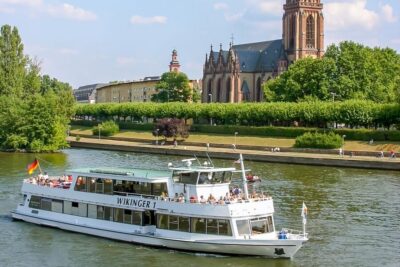
River Main Sightseeing Cruise with Commentary
Read our review →
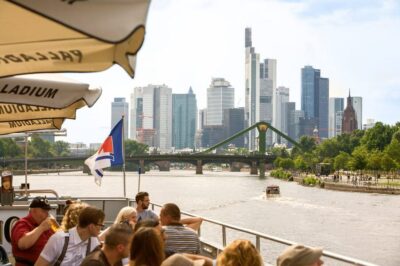
1-Hour Panorama Boat Cruise on the river Main
Read our review →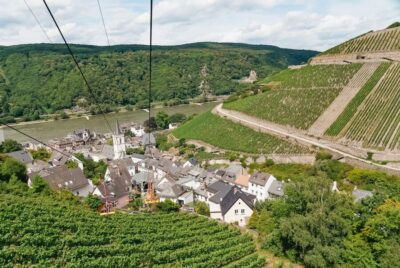
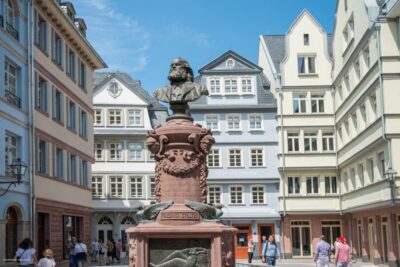
New Old Town and Highlights German-Language Tour
Read our review →
Rhine Valley Trip from Frankfurt including Rhine River Cruise
Read our review →
Browse the lists this tour appears in