
Reviewed · HISTORICAL TOURS
Berlin Uncensored: A History of Sex & Freedom
Berlin tells its sex story in full daylight. This 3.5-hour walk threads together sex science and Berlin’s LGBTQ history, from FKK nudism and Magnus Hirschfeld to Nazi persecution and today’s nightlife. I like that it is led by Jeff, a sociologist and certified sex educator, so the tour keeps moving between culture, facts, and real questions.
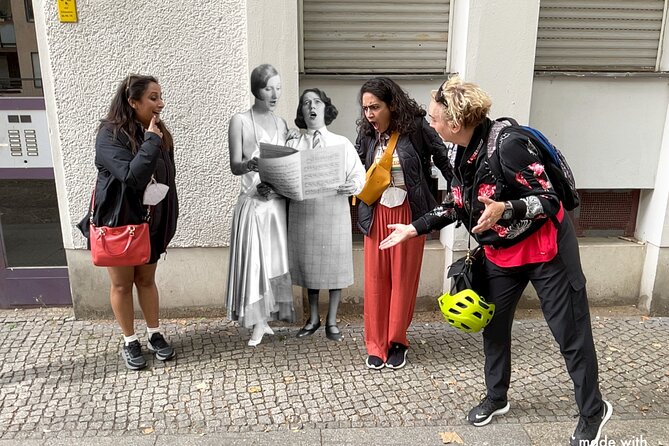
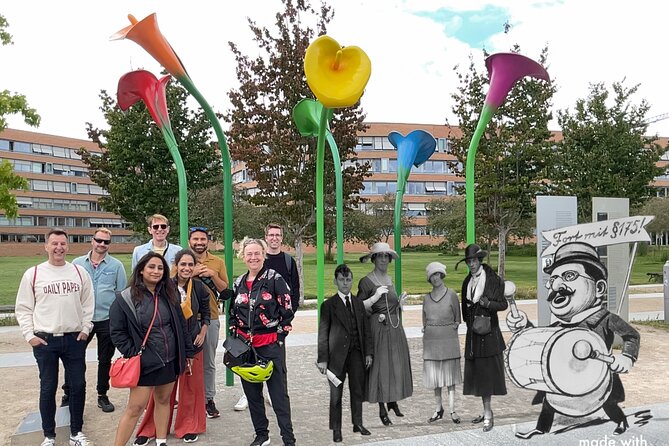
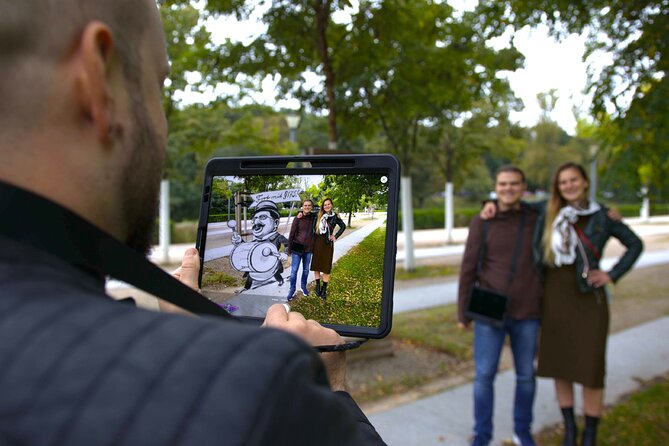
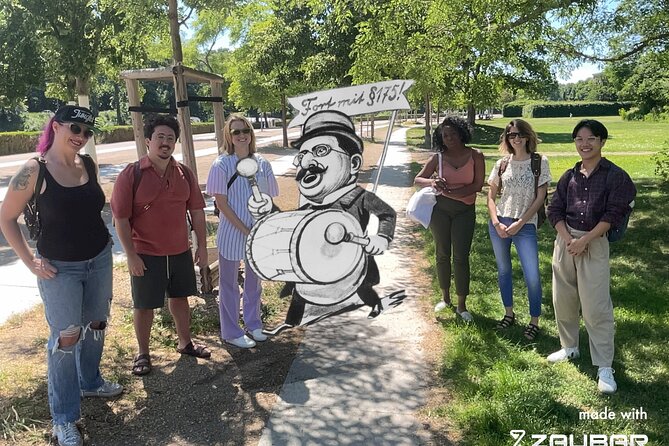
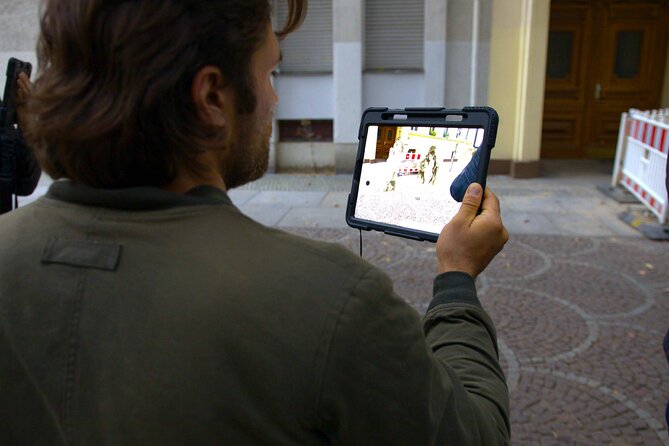
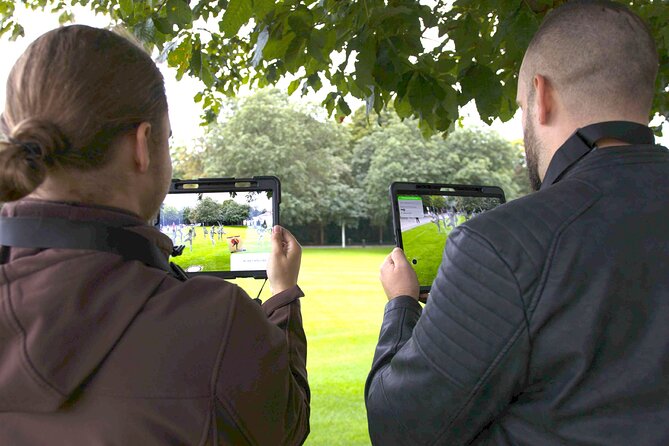
I also love the tech add-ons that make the past feel concrete, like the AR history elements plus the Mixies AR photo moments. One thing to consider: the tour covers serious material, including Nazi crackdowns on sexual freedoms, so keep your expectations adult and emotionally ready.
In This Review
- Key highlights that make this tour different
- A 3.5-Hour Walk Through Sex, Science, and Berlin
- Small group, real questions, and Jeff the sociologist
- Price and extras: what $82.90 buys you
- From FKK nudism at Nollendorfplatz to Hirschfeld at Magnus-Apotheke
- Nazis, pink triangles, and the cost of censorship
- Nightlife streets: prostitution, kink, and lesbian culture in Berlin
- Christopher Isherwood and Berlin’s gay men magnet before 1933
- The Eldorado Club stop and how openness got punished
- Cold War Berlin: East versus West, AIDS, and the Wall called the condom
- Ending at today’s Nollendorfplatz: Berghain, KitKat, and Folsom Europe
- Who this tour is best for
- Should you book Berlin Uncensored?
- FAQ
- How long is the Berlin Uncensored tour?
- What does the tour cost?
- Is the tour offered in English?
- What is the maximum group size?
- What is the minimum age?
- What happens if the tour is canceled due to extreme weather?
Key highlights that make this tour different
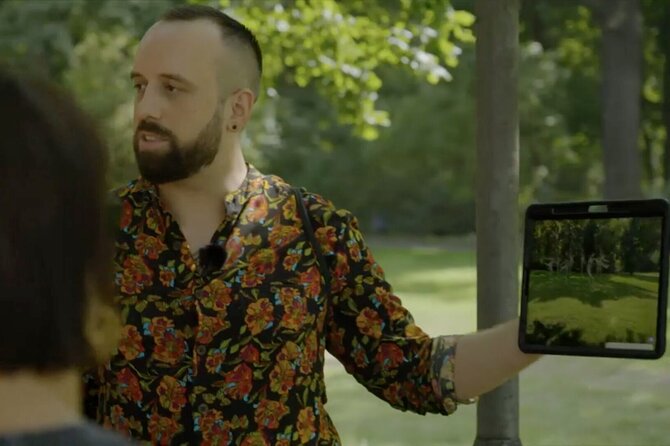
- Jeff’s sociologist approach keeps the focus on how power, law, and science shaped real lives
- Small group, max 10 means you actually get time to ask questions in a real conversation
- AR and 200+ archival visuals help you picture what these streets and institutions used to mean
- Stop-by-stop coverage across eras links FKK, Hirschfeld, persecution, and modern queer nightlife
- Sex-positive, trauma-aware tone is designed to be educational without being careless with sensitive topics
A 3.5-Hour Walk Through Sex, Science, and Berlin
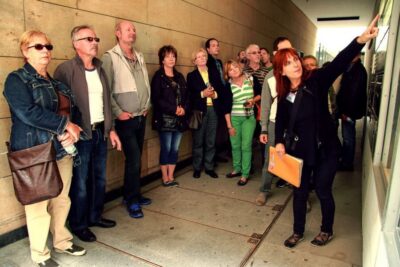
This tour is a guided walking experience that runs about 3 hours 30 minutes, built around one big idea: sex in Berlin is not just nightlife, it is also science, protest, repression, and change over time. You start in the afternoon, at 2:00 pm, and the route brings you back to the same meeting point when you’re done.
The pace is structured around short stops, typically 10 to 20 minutes each. That matters, because the topic has a lot of moving parts, from early nudism movements to Cold War policy differences.
If you like context more than shock value, you’ll probably enjoy this. The framing is practical. You learn what ideas people believed, what institutions tried to do, and what happened when the political climate shifted.
More centuries per city block:
- Berlin: Natural History Museum Entrance Ticket
★ 4.6 · 3,382 reviews - Berlin: 3-Hour World Heritage Cruise to Potsdam
★ 4.5 · 1,569 reviews - Berlin: History of the Third Reich Guided Walking Tour
★ 4.7 · 791 reviews
Small group, real questions, and Jeff the sociologist
Jeff leads the tour, and his background is a big part of why this feels grounded. He is described as a sociologist and a certified sex educator, which shows up in how the talk stays organized instead of drifting into guesswork. You get a chance to ask questions, and the group stays small with a maximum of 10 people.
In other words, this is not a lecture where you’re stuck listening and hoping you catch the one detail you care about. The format is closer to a guided discussion, with Jeff answering as you go. One of the best bits is the way the tour gives you permission to be curious without turning the experience into something disrespectful.
There is also a steady emphasis on being responsible with sensitive material. The Nazi-era sections can be heavy, but the tone is handled with care.
Price and extras: what $82.90 buys you
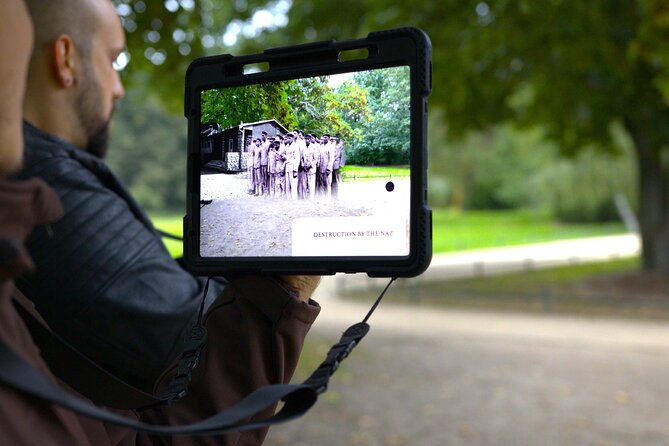
At $82.90 per person, you are paying for more than a route through the city. You get a guided walking tour led by Jeff, plus Augmented Reality elements meant to bring the history to life.
You also get Mixies, which are fun, personalized AR photos you can keep as a memory. In addition, the tour includes access to 200+ rare historical photos, videos, and archival materials. You are not just hearing stories, you are leaving with visual context you can revisit later.
Is it worth it? If you only want one stop in Berlin that sums up sex history, you might feel like it is too focused. But if you want a single, organized way to understand how Berlin became a hub for sex reform, sexual science, and LGBTQ life, this price feels fair for a guided experience with real interpretation and actual media support.
From FKK nudism at Nollendorfplatz to Hirschfeld at Magnus-Apotheke
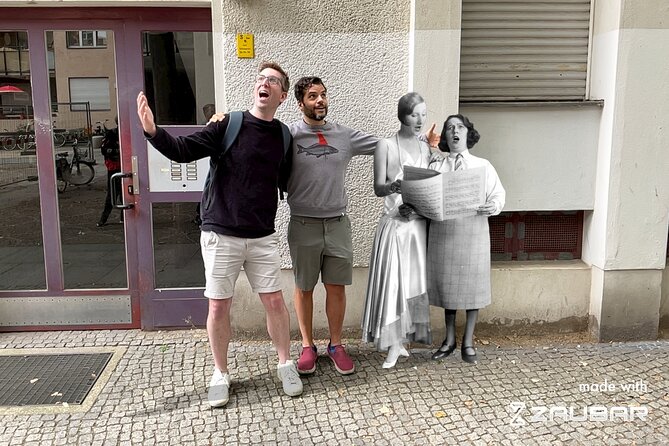
Your first stop is Nollendorfplatz, where the tour begins with Berlin’s long relationship with nudism, often referred to as FKK. You get a walkthrough of how body freedom movements stretched from the 19th century to modern life, and why nudism remained tied to Berlin’s lakes and parks.
This is a smart starting point. It tells you that “sexual freedom” is not one single trend. It includes ideas about nature, health, public space, and personal autonomy, not just nightlife.
Next you move to the Magnus-Apotheke stop, centered on Berlin’s Institute for Sexual Science, founded by Magnus Hirschfeld. This part is where Berlin stops feeling like a rumor and starts feeling like a real place in scientific history. You learn about groundbreaking research into desire, relationships, contraception, and gender identity.
The tour also covers the kinds of developments that matter beyond Berlin. You hear about early work connected to the rubber condom, and studies that are described as precursors to drugs like Viagra. You also learn that Berlin was a site of early gender affirmation surgeries, connected to figures such as Dora Richter, Lili Elbe, and Karl M. Baer.
Then comes the brutal pivot. The institute was destroyed in 1933 by the Nazis, erasing what could have been a revolutionary chapter in sexual science. This stop is short, about 20 minutes, but it packs in a lot of meaning. You leave with a clear sense of why Berlin became known for sexual reform, and why that story got violently interrupted.
Nazis, pink triangles, and the cost of censorship
The tour’s next major historical turn is the Monument to Homosexuals Persecuted Under the National Socialist Regime. This stop is about the crackdown on sexual freedoms and the way Nazi policy treated sexuality as something to control.
You learn how the regime censored sex, shut down erotic clubs, and outlawed sexual diversity. One of the key moments discussed is the Night of the Long Knives, including the execution of Ernst Röhm, who was identified as a high-ranking Nazi figure known to be homosexual.
The persecution extended beyond LGBTQIA+ people. The tour includes mention of sex workers and others targeted as degenerate. Many were arrested and sent to concentration camps, where they were marked with pink triangles. Later, those symbols were reclaimed by the LGBTQIA+ rights movement.
This is a stop you should take slowly. Even if you already know some Nazi history, the focus on sexuality changes how the story lands. It is not just about laws. It is about bodies, community, and punishment.
Also holding a platform in Berlin

Nightlife streets: prostitution, kink, and lesbian culture in Berlin
After the Nazi era, the tour takes you back toward pre-Nazi sexual life, including the places where erotic culture was openly practiced and where people found community in nightlife.
Stop 4 is Kurfürstenstraße. Here you walk through locations where prostitution was practiced openly, and where underground fetish and kink culture flourished long before it became a mainstream topic. You get the sense that Berlin did not treat desire as something hidden. It treated it as something people organized around, socially and commercially, even if society outside Berlin often judged it.
Then comes Schwerinstraße 9, another key stop tied to early 20th century lesbian life. You hear about Berlin as a magnet for lesbian communities, and you visit locations connected to that scene, including the famous Toppkeller. The story centers on women who defied societal norms and found space to meet, perform, and be seen.
Music and nightlife are part of the explanation here. You learn about Claire Waldoff, a cabaret singer associated with a lesbian identity, and you hear about the Lavender Song and how it connects queer identity to nightlife culture. The tour also mentions Josephine Baker, whose time in Berlin involved both adoration and racial discrimination.
This part is about more than who did what in bars. It is about social infrastructure. Nightlife was often one of the only ways to build community, and it shaped identity through art, lyrics, and performance.
Christopher Isherwood and Berlin’s gay men magnet before 1933
Stop 6 is a residential building tied to Christopher Isherwood. In the 1920s and early 1930s, Berlin pulled in gay men from across Europe, and Isherwood is treated like a key observer of that atmosphere.
You walk through areas connected to where he lived and socialized, and you connect his memoirs to a later cultural echo, including the adaptation that became Cabaret. You do not need to already know the book or the musical to appreciate this stop, because the tour uses it to show how literature captured the mood of the moment.
At about 10 minutes, it is not long, but it sets up why Berlin became known internationally. Ideas traveled through people, art, and writing, and when that political weather changed, it changed fast.
The Eldorado Club stop and how openness got punished
Next you visit Denns BioMarkt, where the tour discusses the Eldorado Club. In 1920s Berlin, Eldorado is framed as a place for drag performers, sexually open individuals, and even high-ranking Nazi officials before the crackdown on “degeneracy.”
You hear about Ernst Röhm and how he was known to frequent the club. The tour also includes a story about a journalist from the US magazine Vogue visiting Eldorado and describing a drag queen as the most beautiful woman in Berlin.
The stop ends with the same harsh reality you met earlier. Once the Nazis moved from dislike to policy, spaces like this got shut down. The tour uses this contrast to show how quickly tolerance can evaporate when the state decides certain identities are unacceptable.
If you are hoping for only nightlife stories, this stop gives you a serious twist. It keeps the focus on the human cost behind what might otherwise feel like a fun anecdote.
Cold War Berlin: East versus West, AIDS, and the Wall called the condom
Stop 8 is Internationale Stele GEGEN DAS VERGESSEN, and it is where the tour turns to the post-WWII split between East and West Berlin.
In West Berlin, you learn that a sexual revolution gained momentum, leading to a more open attitude toward relationships, pornography, and alternative lifestyles. In East Berlin, freedom was restricted in many ways, but public nudism became incredibly popular, tied to FKK culture.
This is where Berlin’s sexual story stops being one uniform “freedom” narrative. You get two different systems, each with its own strange logic. The tour also mentions that the Wall was referred to as the condom of the GDR. That line is meant to capture how something physical, the border, became part of public imagination and how sexual behavior got shaped by policy and propaganda.
The stop also connects to the AIDS crisis. You learn that a conservative politician is discussed in the tour as having saved thousands of lives during that time. Even with the short duration, about 15 minutes, it is clear the tour wants you to understand how politics affects public health, not just personal freedoms.
Ending at today’s Nollendorfplatz: Berghain, KitKat, and Folsom Europe
Your final stop brings you back to Nollendorfplatz, now framed as a starting point for modern Berlin’s openness and nightlife. Today, Berlin is described as one of the most sexually open cities in the world, with an enormous nightlife scene.
You learn about Berghain and its strict no-photo policy, plus other clubs such as KitKat Club and Insomnia. The tour also mentions Lab.Oratory, where electronic music and sexual exploration are connected.
Then the story widens from clubs to festivals with Folsom Europe, described as the largest fetish festival in the world, bringing thousands of visitors each year.
This ending works best if you walked through the earlier stops with your brain switched on. It feels like seeing the same city through different lenses. You notice that freedom in Berlin is not just a party mood. It is a long-running negotiation between society, policy, and culture.
Who this tour is best for
This is a strong fit if you want history with clear context. If you like learning how institutions, social movements, and political regimes shape sex culture, you’ll appreciate how the route is built around that. It is also a good choice if you like Q and A, because the small group size makes it realistic to ask questions.
It is less ideal if you want a light, breezy walk with zero heavy topics. The tour covers Nazi persecution and concentration camp history, handled responsibly, but it is still serious material.
The minimum age is 18, so everyone in the group is an adult. That matters for the tone and for the kind of questions people feel comfortable asking.
Should you book Berlin Uncensored?
Book it if you want a guided way to understand why Berlin has a reputation for sex-positive culture without reducing it to myths. You get a credible guide in Jeff, supported by a sociologist and sex educator approach, plus AR elements and Mixies photo moments to keep the experience memorable.
Skip it if you only want modern nightlife tips and nothing more. This tour is built to explain how you got from FKK and sex science to persecution and then to today’s clubs and festivals.
If you are comfortable with adult themes and you want the story behind the story, this is one of the better values in Berlin for an organized, question-friendly tour that connects science, LGBTQ rights, and political history in one walk.
FAQ
How long is the Berlin Uncensored tour?
It lasts about 3 hours 30 minutes.
What does the tour cost?
The price is $82.90 per person.
Is the tour offered in English?
Yes, it is offered in English.
What is the maximum group size?
The group size is capped at a maximum of 10 travelers.
What is the minimum age?
The minimum age is 18.
What happens if the tour is canceled due to extreme weather?
It can be canceled in extreme weather conditions like heavy rain or a storm, and you will be fully refunded.
Fresh on the arrivals board for Berlin

Historical Tours, compared.
City History Canal Sightseeing Tour on a Motorboat
Read our review →
Browse the lists this tour appears in