
Reviewed · FRANKFURT TOURS & ACTIVITIES
7-Day Taste of Central Europe Tour to Paris, Amsterdam, Brussels and more!
Seven days, four capitals, one handy bus pass. This Central Europe tour is built for people who want big sights without spending days on research, starting in Frankfurt and rolling through Amsterdam canals, Brussels landmarks, and classic Paris streets, with side trips to the Champagne region and Germany’s oldest city. It’s a coach-and-guided format where you trade freedom to plan for time saved and a smooth flow from one highlight to the next.
I especially like that your hotels and breakfasts are handled, so mornings start with less decision-making and more walking. I also liked the small-group feel, with guides I heard about by name on past departures, including Amanda, Lex Tang, Florian, and Uncle Ho, plus the practical way the tour manager keeps you on track without feeling like a drill.
One drawback to plan around is the tight timing. Even with daily free time set aside, you’ll still feel the push of a multi-city schedule, and the Paris hotel situation can vary by departure, with some ending up outside the most convenient downtown areas.
In This Review
- Key Things That Make This Tour Worth Your Time
- How the Tour Paces 7 Days Across Four Countries
- Frankfurt, Bonn, and Cologne Cathedral: Perfect Start Stops
- Amsterdam by Canals, Cheese, and Optional Keukenhof
- Brussels Atomium to Paris Streets: The Big Jump
- Paris in Two Days: Louvre, Seine, Versailles
- Reims Champagne and Luxembourg Grand-Duchy Walks
- Trier, Koblenz, and Rudesheim: Roman Walls to Rhine Wine
- Price, Hotels, and Extra Costs You Should Budget
- Should You Book This Central Europe Taste Tour?
- FAQ
- Where does the tour start and end?
- What time does the tour start?
- How long is the tour?
- How many nights of hotel are included?
- What meals are included?
- What is included in the price?
- What extra costs should I expect?
- Is the tour offered in English?
Key Things That Make This Tour Worth Your Time
- Six-night hotel stays plus daily breakfasts cut out the biggest logistics headaches.
- Coach comfort and a professional driver help on long travel days between countries.
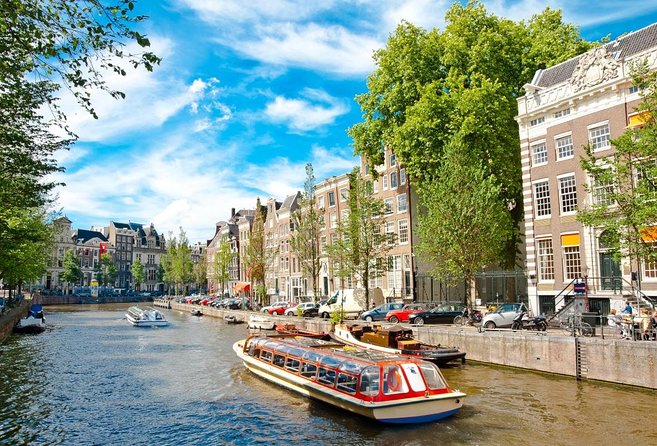
- Amsterdam with Zaanse Schans gives you both city sights and Dutch countryside icons like windmills and clogs.
- Paris in two full days includes major landmarks and a Seine River cruise option that makes the sightseeing feel connected.
- Reims and Luxembourg add variety beyond the usual capitals, with Champagne country and a walkable grand duchy.
- Roman Trier and the Rhine wine stop give your last day real texture, not just more driving.
How the Tour Paces 7 Days Across Four Countries
This is a classic “taste” trip. You get a run of major cities, but you’re not trying to master each one. That works well if you’re new to Europe, traveling solo, or simply don’t want to build an itinerary from scratch.
The basic rhythm is: morning sightseeing with the guide, a lunch and explore window, then travel by air-conditioned coach to the next base. Your group stays capped at 15 travelers, which helps the day feel manageable and makes it easier to meet people. You also get a tour manager on board, so questions about timing, where to eat, and how to get around are usually met fast.
Just know the tradeoff up front: you’re on a schedule. Multiple stops per day mean you’ll want comfortable shoes and a quick pace mindset. In places like rest areas, you may also run into the reality that facilities can cost money, so it helps to keep small change and avoid waiting until the last minute.
Also holding a platform in Frankfurt
- Frankfurt: River Main Sightseeing Cruise with Commentary
★ 4.3 · 5,127 reviews - Frankfurt: Hop-On, Hop-Off Grand or Express Bus Ticket
★ 3.9 · 2,088 reviews - Frankfurt: 1-Hour Panorama Boat Cruise on the river Main
★ 4.4 · 1,822 reviews
Frankfurt, Bonn, and Cologne Cathedral: Perfect Start Stops
The tour begins in Frankfurt am Main Hauptbahnhof, with an 8:30 am start time. From there you head to Bonn, then Cologne, setting a German foundation before you cross into the Netherlands.
Bonn is a good opener because it’s not only “famous,” it’s usable. You get an orientation walk and key sights like the Rococo-fronted town hall and Beethoven-Haus, tied to Ludwig van Beethoven’s birthplace. If you like cultural stops that feel human instead of museum-only, Bonn hits that sweet spot. It’s short, but it gives context before you move on.
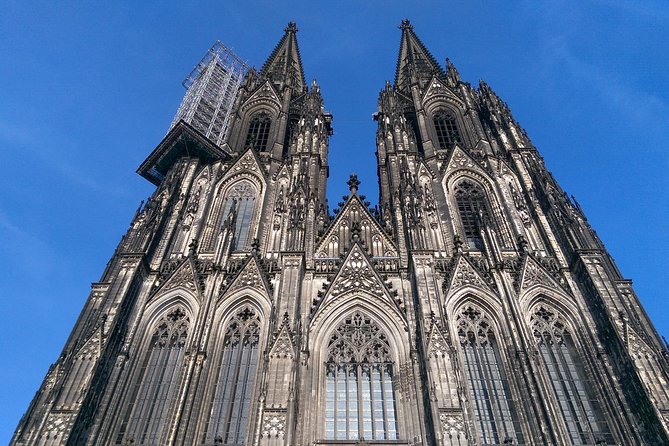
Then comes Cologne, and the big reason to care is the Cologne Cathedral, a UNESCO World Heritage Site. Going inside matters here. Even if you only spend about an hour, the cathedral scale is the kind of thing that resets your expectations about what’s possible in a single stop. After that, you’ve got free time to roam, shop, or grab a local beer before the drive to the Netherlands.
If you’re sensitive to big photo crowds, you’ll still have time to enjoy the sights, but you should expect peak-energy moments around major monuments.
Amsterdam by Canals, Cheese, and Optional Keukenhof
Amsterdam is where the tour feels most “different” from the rest of the route. You’ll spend time walking around central areas, plus get out into the Dutch countryside at Zaanse Schans.
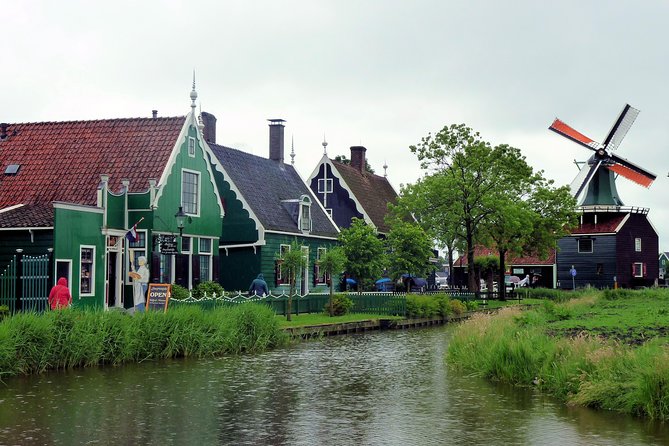
Zaanse Schans is the classic combo stop: clogs, cheese, and windmills. It’s popular for a reason. You see the iconic visuals that people imagine, and you get a look at how the region turned those symbols into everyday craftsmanship. The stop is typically about an hour, so it’s more taste than deep dive, but it’s enough to understand the vibe.
Back in Amsterdam, you’ll also pass a well-known diamond factory, where you can see cutting techniques tied to traditions practiced since the 16th century. If you’re the type who likes explanations behind craft, this is a nice change from only architecture.
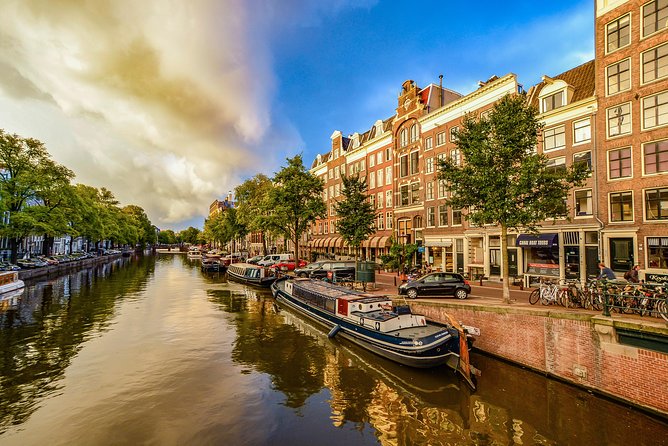
For the canals, your itinerary includes options like an hour-long canal cruise before dinner. Even if you skip it, you still get time around major squares such as Dam Square. And if your travel window lines up, Keukenhof Gardens may be included for departures between mid-March and mid-May, with millions of spring bulbs. That’s one of those “only if the timing is right” bonuses.
Net-net: Amsterdam here is structured, not overwhelming. You’ll see the big hits and still have room to shop and wander, but don’t expect total freedom to chase every side street at your own pace.
Brussels Atomium to Paris Streets: The Big Jump
Brussels works like a bridge. You get a quick hit of iconic architecture and a walkable orientation, then you continue on to Paris.
The Atomium stop is a perfect example of “memorable, not long.” It’s distinctive enough that even passing the area gives you something to photograph and talk about. After that, you move through central Brussels with an orientation that includes Grand Place and Manneken Pis. There’s also time for Belgian food shopping, and that’s a practical way to enjoy Brussels without turning it into a full culinary tour.
Then comes the drive into Paris. This is the point where you should reset your expectations about pace. Paris is the main event, and the itinerary spends more time here than any other city. It also means your day will feel fuller and more scheduled, especially around the landmark clusters.
One more practical tip: Paris days can run on firm time slots. If you’re the person who likes to linger in a museum wing for 90 minutes, plan to choose your battles.
Paris in Two Days: Louvre, Seine, Versailles
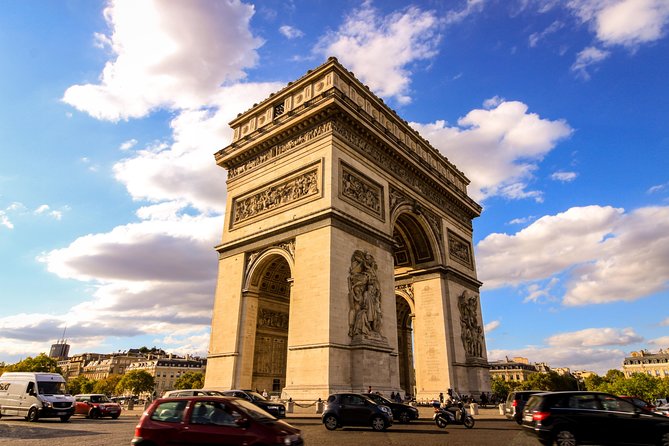
Paris is where the “taste” label matters. You do not get the entire city. You get the greatest hits, with enough breathing room to appreciate them.
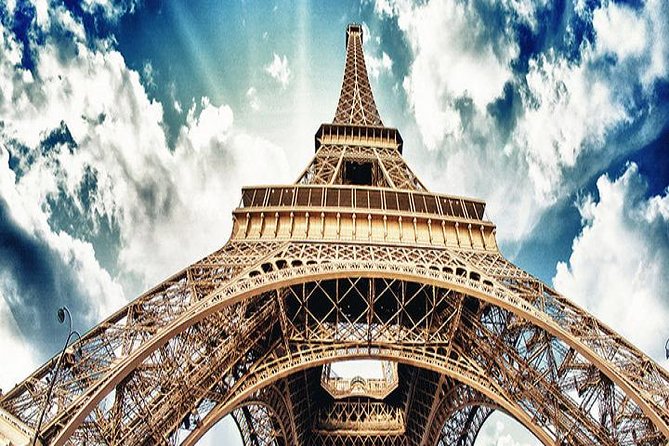
Day one focuses on the big monuments along the main axes. You’ll ride past the Champs-Elysées and Place de la Concorde, see the Arc de Triomphe, and you also get a short stop near the Eiffel Tower without climbing. You’ll then head to L’Hôtel National des Invalides, where Napoleon’s tomb is located.
Versailles is the signature afternoon add-on. The palace is a major time commitment, even when the stop is structured. You’ll typically have choices about how you use your time, whether that means pairing the palace visit with area roaming or mixing in lunch plans. Versailles is one of those places where seeing it once can change how you understand French history and power. Even if you’re not a monarchy person, the scale gives perspective.
Day two turns to art and classic Paris scenery. You’ll visit the Louvre Museum and see headline works like the Venus de Milo, Winged Victory of Samothrace, and Mona Lisa. A guided gallery option can help you avoid feeling lost in sheer volume, especially if you only have a few hours.
Then you get a Seine River cruise option that’s marked free in the plan. That matters because it’s a low-effort way to string together landmarks like Notre-Dame Cathedral and Pont Alexandre III into one visual story.
The afternoon adds things many people miss when they only do museums: the area around Palais Garnier and time around Galeries Lafayette Paris Haussmann, plus optional dinner and show ideas.
Do watch for a recurring reality on multi-day Paris tours: the hotels can end up farther from the most convenient downtown areas. Some departures have had less ideal accommodations, including limited nearby dining options. If you want to step out at night for casual food, location matters.
Onward connections from Frankfurt:

Reims Champagne and Luxembourg Grand-Duchy Walks
This part of the tour is smart because it breaks the capital-heavy pattern. You leave Paris and head into Champagne country for Reims, then continue to Luxembourg.
Reims is presented through its cathedral and the Champagne identity. You’ll visit Cathedrale Notre-Dame de Reims, an important heritage site tied to the coronation history of French kings. It’s one of those buildings where even a short visit gives you a strong sense of place, then you’re free to explore on your own after. Reims also acts like a palate cleanser, because you’re not surrounded by the same kinds of shopping streets and museum crowds as you were in Paris.
Luxembourg follows, and it’s a very different feel: a compact city that mixes modern energy with old-world corners. On foot, you’ll be introduced to key places such as Place de la Constitution and Pont Adolphe, with time afterward to wander. This stop is ideal if you want a calmer pace and more personal walking time.
If you’re a foodie, Champagne region routing is a good reminder: you don’t always need a formal tasting tour to get the point. You’re learning why the region matters, then having space to decide what to do with that knowledge later.
Trier, Koblenz, and Rudesheim: Roman Walls to Rhine Wine
Your final stretch starts in Luxembourg and pushes into Germany with Trier, Koblenz, and a wine stop in Rüdesheim, before returning to Frankfurt.
Trier is the surprise star. You get the Karl-Marx-Haus area view, tied to Karl Marx’s birthplace, then you move into the center for Porta Nigra, the best-preserved Roman city gate north of the Alps. This is a strong final-day memory because it feels ancient and real, not just decorative. Even if you’re only there for a set window, Porta Nigra is the kind of stop that makes you look twice at how old Europe is.
After Trier, you drive to Koblenz at the confluence of the Rhine and Mosel rivers. There’s flexibility built in, including an optional scenic Rhine boat cruise and the choice to grab lunch by the water. If you like easy scenic time, this works well. If you want more history, the boat might still be the better use of your limited tour time because the views change as you move.
Then you finish with a drive through Rüdesheim, a wine-making town, and return to Frankfurt for the medieval feel of Römerberg.
One more practical thought: this final day can feel busy. If you’re traveling on from the tour, give yourself buffer time, because the schedule is tight enough that you do not want to gamble with transit.
Price, Hotels, and Extra Costs You Should Budget
At about $968.14 per person, the value comes from what’s bundled. You’re paying for a coach, a tour manager, six nights of 3-star minimum hotels with private facilities, and breakfast (6). That’s a lot of the “expensive and annoying” parts grouped into one payment.
You should still budget for what’s not included:
- Gratuities: €70 per person
- Attraction tickets and optional activities (many are marked not included)
- Meals besides breakfast, plus drinks
- Optional experiences like the canal cruise, some museum add-ons, and the Rhine boat cruise if you choose it
- Any evening shows or special dinners you decide to add
Hotels are mostly described as solid, but Paris can be the exception. Some departures get a less convenient location and less comfortable rooms. That doesn’t ruin the trip, but it changes how relaxing your evenings feel.
Also, language experience can vary. Most guides do a good job, but you should assume that if your departure has language mixing, clarity matters. If English is essential, it’s worth confirming the guide language setup before you lock in.
Should You Book This Central Europe Taste Tour?
Book it if you want the smart shortcut: major cities, guided explanations, and hotels plus breakfasts handled, all within seven days from Frankfurt. It’s a good choice for first-timers and for solo travelers who like safe structure and a manageable group size.
Skip it or consider other options if you hate time slots. You’ll want to be comfortable with a schedule that moves often, plus extra spending for food and optional tickets. If you’re very picky about Paris neighborhood location or you need relaxed museum pacing, this format might frustrate you.
If you do book, pack for comfort, bring patience for tight days, and plan to treat this tour like a sampler menu. You’ll leave with clear favorites, then you can return later for the cities you want to experience at a slower, more personal pace.
FAQ
Where does the tour start and end?
The tour starts at Frankfurt (Main) Hauptbahnhof (Am Hauptbahnhof, 60329 Frankfurt am Main, Germany) and ends back at the same meeting point.
What time does the tour start?
The start time listed is 8:30 am.
How long is the tour?
It runs for 7 days (approx.).
How many nights of hotel are included?
The plan is built around 6-night hotel accommodation, and the itinerary notes that no hotel accommodation is provided on the last day.
What meals are included?
Breakfast is included for 6 days. Lunch and dinner are not included in the itinerary.
What is included in the price?
Included are 3-star (min.) hotel accommodation with private facilities, daily transportation by air-conditioned coach, the tour manager, and breakfast (6).
What extra costs should I expect?
Gratuities are €70.00 per person, and all optional activities and tickets not listed as free are not included. Meals and drinks besides breakfast are also not included.
Is the tour offered in English?
Yes, the tour is offered in English. If group sizes are small, English and Chinese speaking customers may be combined on the same bus with a guide who can speak both languages.
Fresh on the arrivals board for Frankfurt

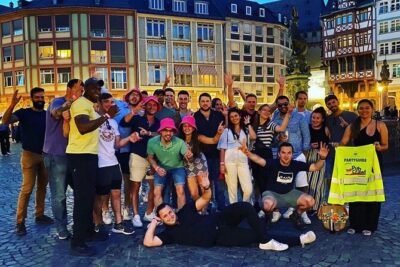

Frankfurt Tours & Activities, compared.
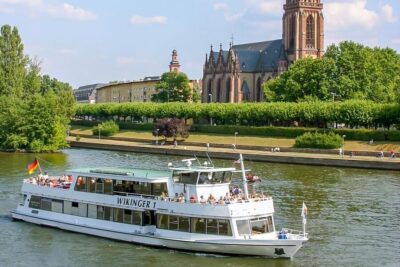
River Main Sightseeing Cruise with Commentary
Read our review →
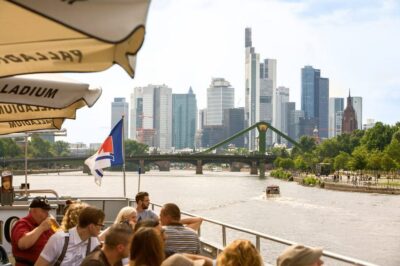
1-Hour Panorama Boat Cruise on the river Main
Read our review →
New Old Town and Highlights German-Language Tour
Read our review →
Rhine Valley Trip from Frankfurt including Rhine River Cruise
Read our review →
Browse the lists this tour appears in