
Reviewed · FRANKFURT TOURS & ACTIVITIES
21-Day Extensive European Highlights tour from Frankfurt: Germany, Czech Republic, Slovakia, Hungary, Austria, Switzerland, Italy, France, Netherlands, Belgium and Luxembourg
Eleven countries, one steady rhythm. You’ll roll from Frankfurt into Prague, across the Danube, through Vienna and the Alps, then down to Italy and on to France, the Netherlands, Belgium, and Luxembourg, all while a guide keeps the day moving and the big sights in reach. Expect 11 countries and major-name stops like the Swiss Alps.
I especially like the way this trip mixes headline architecture with a few hands-on moments. The chance to watch Murano glassblowers, ride a Titlis Rotair revolving gondola, and see how cities actually tick beyond postcard views makes the days feel more than just a checklist.
One thing to consider is the pace. This is an overview, not a slow travel vacation, so you should be ready for long coach days and quick-hit time windows at many stops.
In This Review
- Key things I’d circle before you book
- Price and what that number really buys
- Frankfurt start at 8:30 and the coach rhythm
- Prague Castle, St. Vitus, and the Royal Route feeling
- Bratislava transfer and the Danube-to-Budapest pivot
- Budapest: Danube viewpoints, Buda Palace time, and Fisherman’s Bastion
- Vienna’s palace power: Schönbrunn, Hofburg, and St. Stephen’s
- Mondsee and Munich Marienplatz for a change of mood
- Titlis Rotair and Lucerne’s Chapel Bridge picture-perfect core
- Zurich, Rhine Falls, and Black Forest cherry cake stops
- Cologne and the Rhine: cathedral time plus a Netherlands entry
- Dutch essentials: Zaanse Schans, Amsterdam canal ring, and Dam Square
- Brussels Atomium to Paris icons: how the route stages your first Paris views
- Louvre, Seine cruise, Palais Garnier, and Galeries Lafayette choices
- Lucerne to Milan to Venice: fashion streets and water-city highlights
- Vatican, St. Peter’s, and Rome’s Colosseum day
- Florence viewpoints, Ponte Vecchio, Pisa Square of Miracles
- Riviera stops, Monaco atmosphere, and a Cannes photo moment
- Paris return, Champagne and Reims Cathedral, then Luxembourg Grand Duchy
- Trier, Porta Nigra, and ending in Frankfurt after the Rhine-Mosel stop
- Should you book this Europe highlights tour from Frankfurt?
Key things I’d circle before you book
- Coach-first touring that keeps you moving across 11 countries, with a professional driver and an on-the-ground tour manager
- Swiss-Alps payoff via Mount Titlis (and a revolving gondola option) plus Lucerne’s signature sights
- Big-art days with real anchors like Prague Castle, the Louvre highlights, Vatican and St. Peter’s, and the Colosseum
- Craft and culture stops such as Murano glass demonstrations and a Florence leather workshop
- A “mostly guided” structure with free time built in, so you can shop, wander, or just decompress
Price and what that number really buys
At $2,798.05 per person for roughly 21 days, you’re paying for a package that covers the heavy lifting. You get modern air-conditioned coaching, a professional driver, an experienced tour manager, minimum 3-star hotel beds in twin rooms with private facilities, plus daily continental breakfast.
What you should budget separately is mostly optional stuff and a few known add-ons. Entrance fees and taxes are not included, though the plan states an €100 maximum for city entrance fees and taxes in Paris, the Czech Republic, Vienna, Venice, and Rome. You also have a mandatory cash tip of €10 per person per day collected by the tour manager.
When this is good value: if you want to see a lot of Europe without planning trains, transfers, and hotel logistics yourself. When it feels less worth it: if you’d rather slow down in one city and spend the money there instead of dividing it across many capitals.
Also holding a platform in Frankfurt
- Frankfurt: River Main Sightseeing Cruise with Commentary
★ 4.3 · 5,127 reviews - Frankfurt: Hop-On, Hop-Off Grand or Express Bus Ticket
★ 3.9 · 2,088 reviews - Frankfurt: 1-Hour Panorama Boat Cruise on the river Main
★ 4.4 · 1,822 reviews
Frankfurt start at 8:30 and the coach rhythm
Your trip starts at Frankfurt (Main) Central Station (Am Hauptbahnhof, 60329 Frankfurt am Main) at 8:30 am. The tour returns to the same meeting point at the end, so you’re not stuck trying to route yourself on your own.
This is a maximum 30 travelers style tour, and that matters. Smaller groups make it easier to ask questions and keep track of where you need to be, even when the schedule is packed. You also only get one main luggage item allowed (up to 30kg) plus one small hand carry.
A practical heads-up from how the routing is described: the structure can feel like an overview circuit. That means you’ll sometimes experience quick drop-offs and pick-ups that add to the total drive time. If you get car-sick or hate waiting around, pack accordingly and plan for frequent time on the coach.
Prague Castle, St. Vitus, and the Royal Route feeling
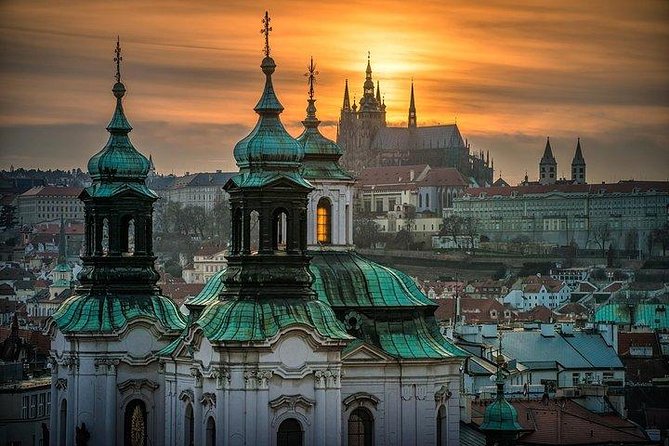
Prague is where the whole trip catches fire. You arrive in the evening, then the next morning starts with a walk along the Royal Route, tracing the traditional coronation path through the historic royal heart of Bohemia.
At Prague Castle, you get the classic skyline view over the red-roofed old city first, then time to tour the castle complex. After that, you move into the Gothic atmosphere of St. Vitus Cathedral, plus the Old Royal Palace area and stops like Golden Lane. Even if you’re not a hardcore medieval history fan, this is a strong visual way to understand why Prague became such a cultural magnet.
You’ll also finish the day by crossing Charles Bridge toward Old Town Square and the Astronomical Clock area. Just know entrance tickets aren’t included for these stops, so check what you’ll need to pay in advance to keep things smooth.
Bratislava transfer and the Danube-to-Budapest pivot
After Prague, the day’s transfer brings you toward Bratislava in the evening. The key value here is that it positions you for a full Budapest experience the next day, instead of making you arrive and instantly rush through everything.
Then Hungary takes over. Budapest is portrayed as two cities joined by the Danube, Buda on one side and Pest on the other. That framing helps you understand the day’s structure: viewpoints on the Buda side, wider civic sights on the Pest side.
Budapest: Danube viewpoints, Buda Palace time, and Fisherman’s Bastion
Budapest’s lineup is built around the city’s strongest visuals. You’re given a chance to consider a Danube river cruise (optional) as one of the best ways to see the “two halves” idea in motion.
You also get museum and palace-area time at the Budapest History Museum and the Budapest Palace lunch area, with optional exhibition exploring or souvenir shopping. After lunch, you shift to the Buda heights for Fisherman’s Bastion, the medieval Matthias Church area, and a climb up toward Gellért Hill for panoramic views.
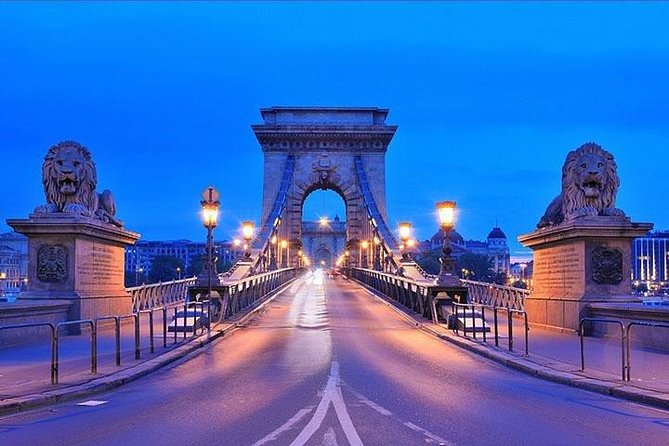
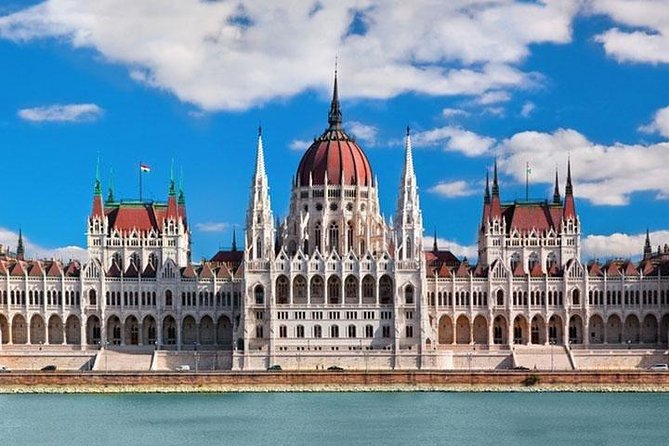
On the Pest side, you’ll see Heroes’ Square and you get a look at the Parliament Building from the riverfront area. If you want a food-and-music night, the plan includes an optional Hungarian dinner with traditional dishes and folkdance elements. Meals beyond breakfast are not included, so you’ll pay out of pocket, but this is one of those nights that can feel like a real cultural snapshot rather than just sightseeing.
Onward connections from Frankfurt:

Vienna’s palace power: Schönbrunn, Hofburg, and St. Stephen’s
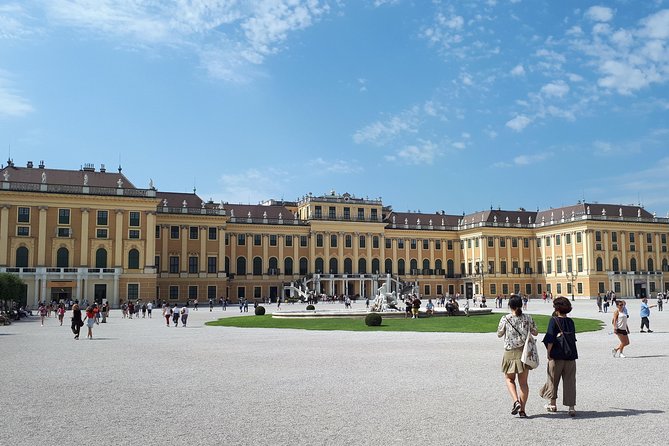
Vienna is the trip’s “classical Europe” reset. You start at Schönbrunn Palace, the Rococo summer residence connected to the Habsburgs, then move into the Hofburg zone with a driving tour past major landmarks like the City Hall and the Austrian Parliament.
In the afternoon, you’ll pass major sights including Wiener Staatsoper (opera house) and later options around St. Stephen’s Cathedral, plus time in Stadtpark, where the Johann Strauss II statue is part of the picture. This mix is useful because it gives you a sense of Vienna’s layers: imperial power, formal institutions, then the city’s musical identity.
You also get shopping time and dinner options. That’s a big deal in a multi-country tour because it helps you avoid the “everything is guided all the time” feeling, even if the overall pace stays brisk.
Mondsee and Munich Marienplatz for a change of mood
Between Vienna and Switzerland, the tour adds a smaller-town stop at Mondsee. You’ll visit the historic Basilika St. Michael, connected in popular culture to The Sound of Music wedding scene. Even if you only know a few details of that story, the setting gives you a calm break from palace grandness.
Then you cross into Germany for Munich, with time around Marienplatz and the New Town Hall area. The practical value here is that Munich gives you a more relaxed city-center rhythm before the Alps start taking over the scenery.
If you’re a beer-garden person, this is also one of the moments where the schedule practically begs for a simple local lunch or a cold drink. Not included, of course, but it fits the vibe.
Titlis Rotair and Lucerne’s Chapel Bridge picture-perfect core
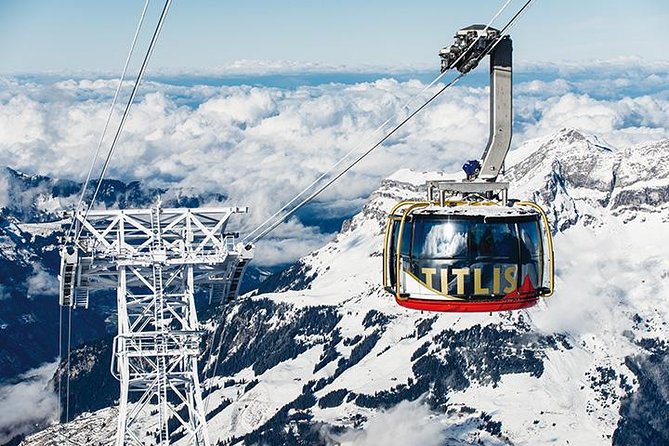
Switzerland is where the trip earns its name. You head to Engelberg, then options to ride the cable car up to Mount Titlis. The big highlight is the Titlis Rotair revolving gondola, described as the world’s first revolving gondola, which is the kind of detail that makes the trip feel specific rather than generic.
At the summit, you’re pointed to broad mountain panoramas and the idea of pausing on a sun terrace. There’s also mention of an ice cavern, which suggests an extra indoor option if the weather shifts.
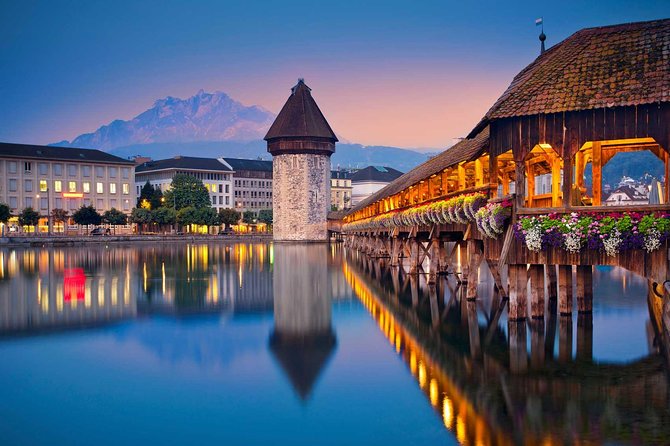
Then it’s Lucerne. You’ll see Chapel Bridge and the Water Tower area, plus preserved Baroque and Gothic architecture. The day also includes the Lion Monument, the famous Mark Twain reference spot for a very emotional piece of stone.
Lucerne gives you the best combination of city walking and Alps atmosphere. You get time to shop for Swiss watches and chocolates, and there’s even a possible photo stop if weather and traffic allow in a nearby tiny European stop. That kind of optional detour can make the day feel more flexible.
Zurich, Rhine Falls, and Black Forest cherry cake stops
Zurich rounds out the “Swiss cities” portion, with an optional or quick picture stop at Lake Zurich before moving to Rhine Falls, described as Europe’s biggest waterfall.
Then you cross back into Germany’s Black Forest region. You’ll stop at Lake Titisee, where you can pause at lakeside cafés, with Black Forest cherry gateaux called out as a local favorite. You also get a cuckoo clock demonstration chance and time to shop for souvenirs.
This segment is less about monuments and more about sensory Europe, food, and small-town atmosphere. It’s a good way to rebalance after the glacier and cathedral intensity of earlier days.
Cologne and the Rhine: cathedral time plus a Netherlands entry
After a night in Frankfurt, you head to Bonn and take an orientation stroll that includes Rococo-fronted town hall and the Beethoven-Haus museum area. Then you continue to Cologne, where you’ll go inside the city’s Gothic cathedral, a UNESCO World Heritage Site.
The rest of Cologne time is flexible for browsing shops or relaxing with a local beer. After lunch, the route pushes into the Netherlands, which is smart because it saves you from planning another transition day on your own.
Dutch essentials: Zaanse Schans, Amsterdam canal ring, and Dam Square
The Netherlands days are built around three classic ideas: windmills, canals, and royal-city-center energy.
You start with Zaanse Schans, a model area for clogs, cheese, and windmills. It’s the kind of stop where you can buy souvenirs fast, take photos without a long commute, and get a clear first impression of Dutch visual culture.
Then you go to Amsterdam. There’s a diamond factory stop where you’ll see unique cutting techniques practiced since the 16th century, which adds a practical “how the industry works” angle beyond just walking.
The schedule includes optional hour-long canal cruise time. Even if you skip it, the canal ring area and Dam Square orientation help you understand why Amsterdam is built for water-level life.
You’ll also see Dam Square and the Royal Palace area, plus free time for shopping or more sightseeing. If your dates fall between mid-March and mid-May, Keukenhof is included in the plan, with its millions of spring bulbs. If not, you’ll still get the Amsterdam anchor sights and time to explore on your own.
Brussels Atomium to Paris icons: how the route stages your first Paris views
From Amsterdam, the tour moves into Brussels. There’s a stop at the Atomium, tied to the 1958 World’s Fair, then an orientation in Brussels that calls in at Grand Place and Manneken Pis.
Then you head to Paris. Your first Paris day includes a drive along the Champs-Élysées to Place de la Concorde, plus a stop at Arc de Triomphe (viewing without climbing). You also get time around the Eiffel Tower area, described as without climbing, so you’re seeing it from the outside and moving on.
A useful detail here is the structure of choices. The plan offers an optional show in the evening and a trip to Versailles afterward. That means you can aim for a full day of royal Paris without feeling locked into one museum crawl style.
Louvre, Seine cruise, Palais Garnier, and Galeries Lafayette choices
Paris really opens up across two days with big-ticket sights and options that fit different energy levels.
The Louvre visit is framed around famous works like the Venus de Milo, Winged Victory of Samothrace, and Mona Lisa. There’s also an option for a guided gallery tour, which can help you avoid wandering endlessly in a building that is too huge for casual browsing.
Then you get a Seine River cruise with landmark views including Notre-Dame Cathedral and Pont Alexandre III. If you love photo moments, this is one of your best “set and forget” visual experiences because you move slowly past key buildings.
On the next stop pattern, you’ll spend time near Palais Garnier (opera house) and then move into the shopping zone around Galeries Lafayette Paris Haussmann. The plan also mentions an optional French dinner and show experience. If you prefer to keep money for later, you can use this block for shopping and a simple café break.
This is also where pacing becomes noticeable. Paris is iconic enough that even quick time windows feel meaningful, but you’ll want to treat the free time as real downtime, not as another “must do.”
Lucerne to Milan to Venice: fashion streets and water-city highlights
After the Paris segment, the tour transitions again toward Switzerland and then across into northern Italy.
The plan includes passing through Basel as a border point before arriving in Lucerne again, but this time the schedule focuses on landmarks like Chapel Bridge, the Water Tower, and preserved architecture with free time to shop or take pictures. If you’ve already seen Lucerne earlier, use the second visit as a chance to do a longer walk, not just the same photos again.
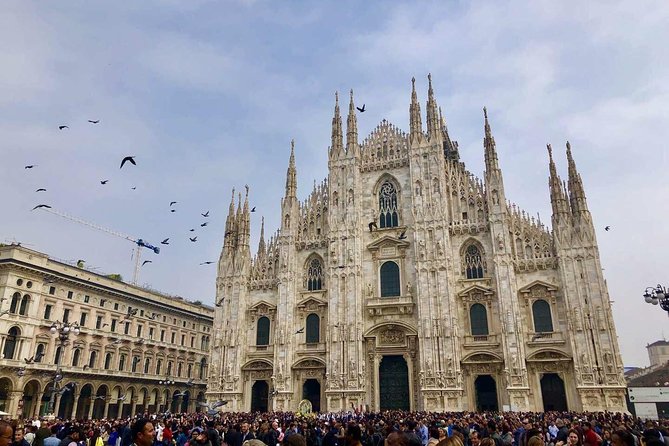
Then you drive into Milan, stopping at Milano Centrale and touring key sights like Duomo di Milano. You also get time at Galleria Vittorio Emanuele II, often described as one of the oldest shopping malls, where you can wander boutiques and choose a café lunch.
Then Venice. The Venice day starts with a water bus ride to San Marco Island, giving you a real lagoon approach rather than a land-only arrival. You’ll visit St. Mark’s Basilica and see points tied to the Doge’s Palace area, including the Bridge of Sighs views.
You’ll also see Murano glassmaking through a demonstration, and the plan mentions that an optional gondola ride is often a must for many people. Transfer to Rome happens in the afternoon, so keep your gondola expectations realistic based on time.
Vatican, St. Peter’s, and Rome’s Colosseum day
Rome is packed into a single big day, and the plan focuses on the central religious and historical anchors.
You’ll start in Vatican City, then visit St. Peter’s Basilica, described as home to Pope Francis and one of Christianity’s most significant sites. The plan also points to an optional Sistine Chapel tour to see Michelangelo’s painted ceiling.
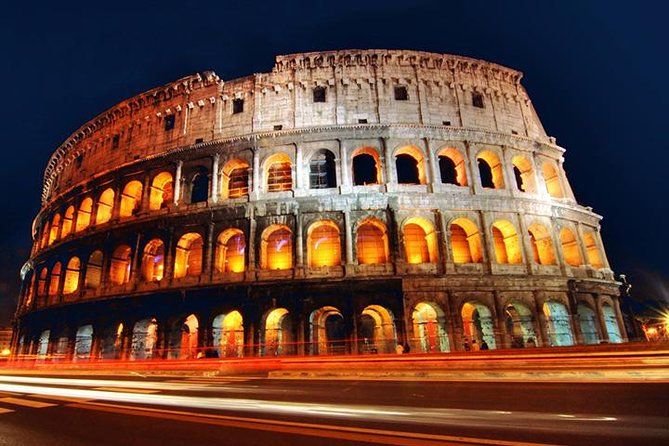
Then it’s the ancient Rome “photo and awe” section. You’ll visit the Colosseum, the Arch of Constantine, and you’ll have some free time for gelato and wandering. There’s no mention of a guided walkthrough inside the Colosseum beyond the visit, so be ready to get the sense of the scale through viewing and nearby stops.
If you’re the type who wants long museum time, this day will feel short. If you’re more about ticking major sights and moving on, it’s a strong highlight day that keeps Rome from dragging.
Florence viewpoints, Ponte Vecchio, Pisa Square of Miracles
Florence brings in the Renaissance in a more walkable, street-level way. You’ll start with a panorama from Piazzale Michelangelo, then head to Ponte Vecchio and see a workshop demo focused on leather craft, with time to purchase items if you want.
The walking highlights include Piazza del Duomo and Campanile di Giotto, with the route passing by the Uffizi Gallery exterior. You’ll also get free time to shop or watch street life at a café.
Then it’s on to Pisa. You get time to wander around the iconic Leaning Tower area and the Square of Miracles cluster, including the Cathedral and Baptistery described as centuries-old.
One note: after Pisa, the plan says you transfer toward a nearby Genoa area for stay, and it specifically notes there is no stay in Genoa and no visit to Genoa. So expect a sleep location that’s close rather than a full Genoa sightseeing day.
Riviera stops, Monaco atmosphere, and a Cannes photo moment
The route shifts to the Mediterranean style portion. You head to Monaco, with a drive along a famous stretch of coastline associated with the Formula 1 Grand Prix.
You’ll visit the Oceanographic Museum of Monaco, with stops that include time around the Prince’s Palace area and views that connect to places like the Cliffside museum. The plan also mentions the Cathedral where Grace Kelly is buried.
Then the schedule moves toward the Cannes area, where the Palais des Festivals et des Congrès is pictured as a key photo stop. The plan also includes a guided tour at the Fragonard Perfume Factory, plus time in Nice for lunch and local cuisine.
You’ll finish with an overnight in a city nearby Avignon, and the plan notes no stay in Avignon and no visit to Avignon. So use the “Riviera day” for the coastal atmosphere and the famous landmarks you came for, not for deep museum time.
Paris return, Champagne and Reims Cathedral, then Luxembourg Grand Duchy
The days around Paris become more variable depending on your branch of the overall route. The plan states there is a day that is essentially a scenic ride north to Paris, and then some guests continue onward the next day.
If you’re on the continuation path, you’ll leave Paris for the Champagne region and stop in Reims at Cathedrale Notre-Dame de Reims, noted as a key national heritage site connected to French kings coronations. From there, the tour goes into Luxembourg, the world’s only remaining Grand Duchy, and you’ll walk through areas including Place de la Constitution and Pont Adolphe.
Luxembourg city is a good “breather” between major capitals because it’s walkable and compact for an orientation style day. You’ll also have time for further exploration on your own, which is exactly what I’d want after a high-speed run through Italy and the Riviera.
Trier, Porta Nigra, and ending in Frankfurt after the Rhine-Mosel stop
Your final stretch is designed like a cultural wrap-up. You cross back into Germany and start with Trier, described as Germany’s oldest city and associated with Karl Marx. You’ll see the Karl Marx House from the outside.
Then you walk in Trier’s center with a cathedral area stop where the Holy Robe is preserved and occasionally displayed, plus the highlight Porta Nigra, the best-preserved Roman city gate north of the Alps. It’s a strong final “Roman legacy” moment that ties back to earlier Italy and builds a consistent thread across the route.
After that, you drive to Koblenz, at the confluence of the Rhine and Mosel rivers. The plan offers an optional Rhine boat cruise and a chance to enjoy lunch alongside the water.
Finally, you head back to Frankfurt and finish at Römerberg, where a medieval town hall anchors the plaza. This is a fitting close because it brings you back to the place you started, without needing extra transfers.
Should you book this Europe highlights tour from Frankfurt?
I’d recommend it if you want a guided, coach-based highlights circuit that covers an impressive amount of Europe without needing to plan the connections yourself. The combination of Prague Castle, the Louvre, Vatican and St. Peter’s, Swiss Alps scenery at Titlis, and the Roman and Renaissance anchors in Italy makes it a strong “greatest hits” route.
I’d think twice if you dislike tight time windows or you’re sensitive to long driving days. This kind of overview tour is still fun, but you will spend a lot of time relocating, and some stops are framed as stop-in-and-go rather than slow exploration.
A quick sanity check: if you know you want deep time in one city, pick that one separately. If you want the broad sweep, this tour is built for exactly that.
Fresh on the arrivals board for Frankfurt


Frankfurt Tours & Activities, compared.
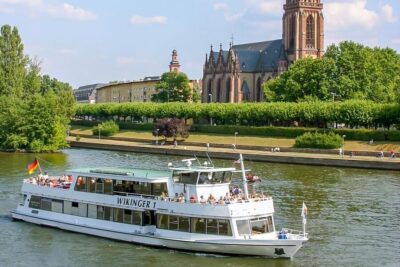
River Main Sightseeing Cruise with Commentary
Read our review →
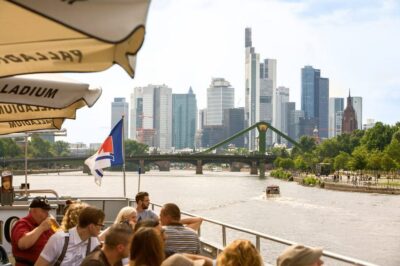
1-Hour Panorama Boat Cruise on the river Main
Read our review →
New Old Town and Highlights German-Language Tour
Read our review →
Rhine Valley Trip from Frankfurt including Rhine River Cruise
Read our review →
Browse the lists this tour appears in