
Reviewed · BREMEN TOURS & ACTIVITIES
The Dark Side of Bremen: Killers and Criminals
Bremen has a darker side you can actually visit. This tour focuses on the crooks, cads, and criminals that shaped Bremen’s reputation, with stories that run from the Middle Ages to the 21st century. I love how it turns crime history into real places, so you’re not just hearing dates.
What you’ll really enjoy is the way the guide uses old records and case details to make you think like the criminals themselves, including a couple of hands-on style mystery moments. The one major consideration: this experience is absolutely not suitable for children, and it can be heavy if you prefer lighter sightseeing.
In This Review
- Key highlights you should know
- A tour built for Bremen’s shadowy chapters
- Why the former prison built in 1900 matters
- Criminal archives, records, and why documents change the story
- Sentencing and executions, explained in place
- The “murder that wasn’t” and other case twists
- From Middle Ages to the 21st century, what actually changes
- How long is it, and how does the pacing feel?
- Price and value: what $16 buys you
- Who should book, and who should skip
- Practical tips for getting the most out of it
- Should you book The Dark Side of Bremen?
- FAQ
- Is the tour in German?
- How long is the tour?
- How much does it cost?
- Is this tour suitable for children?
- What is included in the price?
- What is not included?
- Where do we meet for the tour?
- Can I cancel for a full refund?
- Can I pay later?
- Who runs the experience?
Key highlights you should know
- Bremen’s criminal history across centuries, from medieval to modern cases
- A former prison built in 1900 that was once described as the most modern in Germany
- Criminal archives where you learn how crimes were documented and processed
- Sites tied to sentencing and executions, giving the city context beyond its postcard views
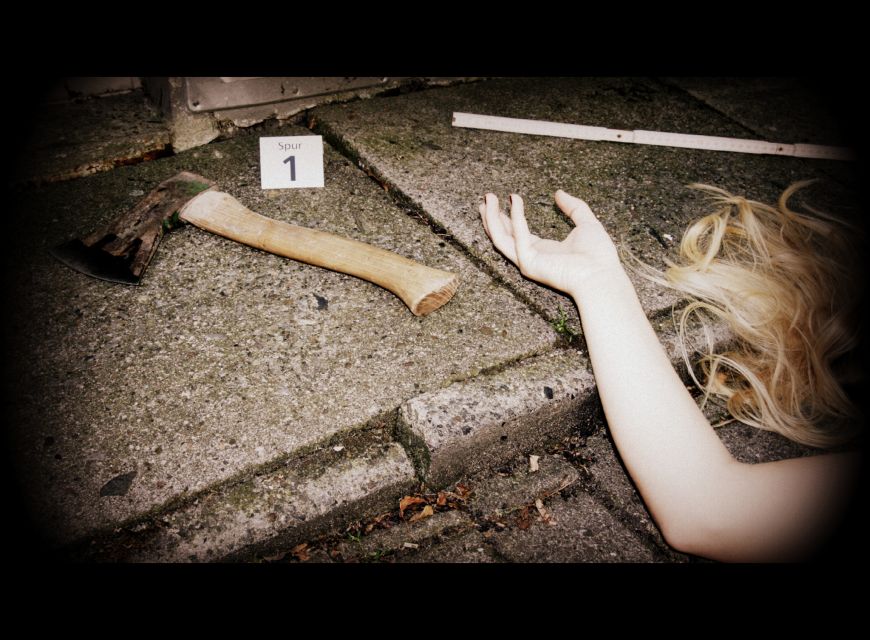
- Mystery-style storytelling, including a case described as a murder that wasn’t and a puzzling burglar death linked to fire extinguishers
A tour built for Bremen’s shadowy chapters
This is not a “crime facts and photos” stroll. You’ll follow a guided city route designed to show how criminal life, punishment, and public fear worked in Bremen long before modern police methods. If you like history that feels human, messy, and sometimes frightening, you’ll probably latch onto this fast.
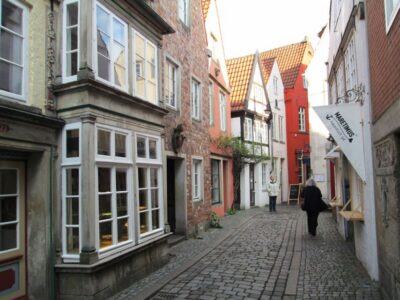
I like that the tour doesn’t treat crime as a separate theme park topic. It connects crimes to the physical city, so you start noticing how laws, courts, and prisons literally sit inside everyday urban space. That makes the stories feel less like entertainment and more like a local explanation of how Bremen handled its worst moments.
The tone is also clearly “dark side” from the start. You’ll hear about historic crimes ranging from deadly murders to elaborate heists, plus odd cases where the details get complicated. Just keep in mind that the emotional level is not for kids, which also means adults should come ready for serious material.
Also holding a platform in Bremen
- Bremen: Walking Tour in German with Night Guard
★ 4.7 · 2,922 reviews - Bremen: City Center Guided Walking Tour
★ 4.5 · 2,709 reviews - Bremen: Underground Guided Tour
★ 4.1 · 1,408 reviews
Why the former prison built in 1900 matters
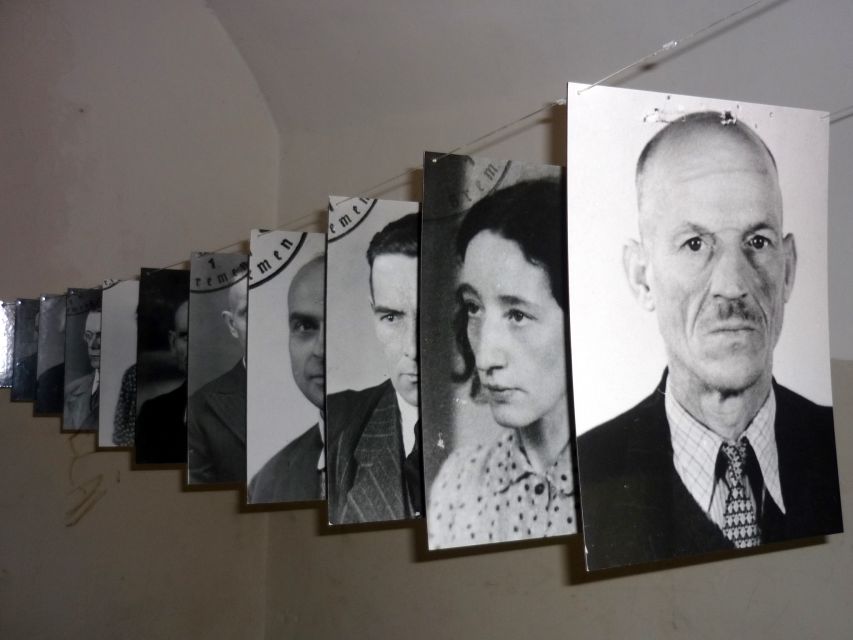
One of the tour’s anchors is the visit to a prison building constructed in 1900, described as the most modern prison in Germany at the time. That detail matters because it frames punishment not as an old, crude concept, but as something the authorities believed they could systematize and modernize.
When a place is built to be “modern,” it usually means a shift in how the system thought. You’re not just looking at walls, you’re learning the idea behind them: control, process, and accountability, set into architecture. Even without technical wording, the prison visit gives you a concrete way to picture how justice and incarceration were designed.
Also, this is where the tour’s “Bremen off the beaten path” angle really lands. Most first-time visitors see the city’s famous sights. Here, you see a piece of the justice machinery that helped shape what happened to people accused of serious crimes.
Criminal archives, records, and why documents change the story
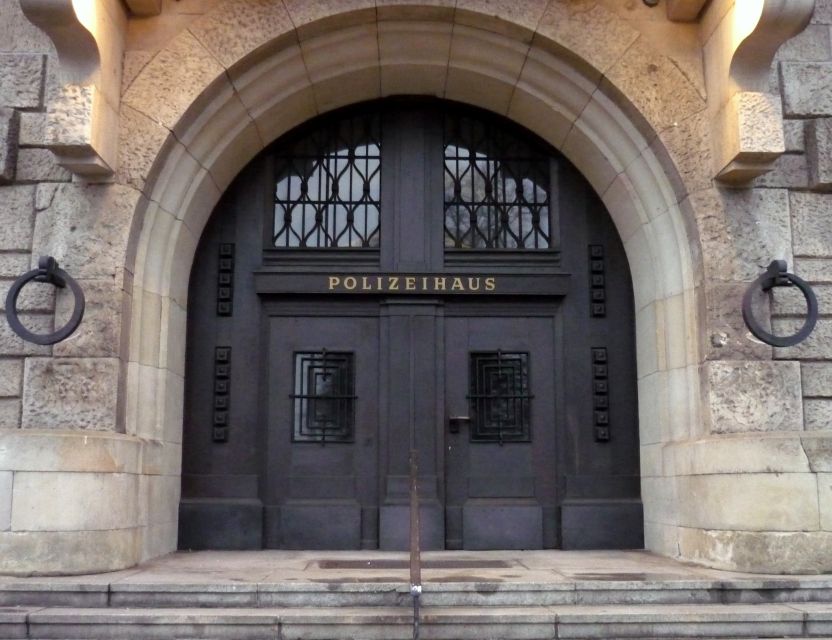
From the prison, the tour moves into criminal archives with your guide. This is the part where crime history starts to feel specific, not vague. Old records can turn a headline level story into something more grounded, because you’re hearing about how crimes were understood, written up, and handled.
This section is valuable because it changes how you interpret the city. Instead of just thinking about wrongdoing, you start thinking about the system around wrongdoing: investigations, documentation, sentencing, and the chain of decisions that follow an accusation. That’s how you get a fuller picture of the era, not just the sensational parts.
And if you’re a fan of true crime, this is likely one of the most satisfying segments. The tour is built around the idea that the guide can help you interpret historic evidence and case details in a way that stays clear for non-lawyers.
Sentencing and executions, explained in place
Another key stop theme is visiting places connected to sentencing and executions. These locations can be emotionally intense, but they’re also educational, because they show how punishment was carried out and witnessed. In many European cities, the sites of justice are mixed into the urban fabric, and Bremen is no exception.
What I find useful here is the way the guide ties the location to the story. You’re not just told that people were sentenced. You’re shown the type of place where those decisions mattered, and that makes the consequences feel immediate.
At this point in the tour, expect the tone to stay serious. You’ll hear blood-curdling tales of misdeeds, including deadly crimes. If you’re someone who gets squeamish, I’d treat this portion as the most intense section and plan your emotional energy accordingly.
The “murder that wasn’t” and other case twists
A standout feature of this tour is how it frames certain cases like puzzles. You’ll hear about a case described as a murder that wasn’t, yet still counted as a crime. That kind of twist does more than surprise you. It shows that justice is often about legal definitions and evidence, not just simple storylines.
The tour also includes examples that push you to think through details like a criminal. One moment focuses on explosive fire extinguishers and what that implies in a particular mystery. Another part asks you to figure out the puzzling death of a burglar.
I like this approach because it keeps the hour-and-a-half or two hours from turning into a lecture. Instead of only reciting events, the guide gets you mentally involved. You’re weighing possibilities, thinking about motive and opportunity, and noticing how small details can change what investigators believed.
Onward connections from Bremen:



From Middle Ages to the 21st century, what actually changes
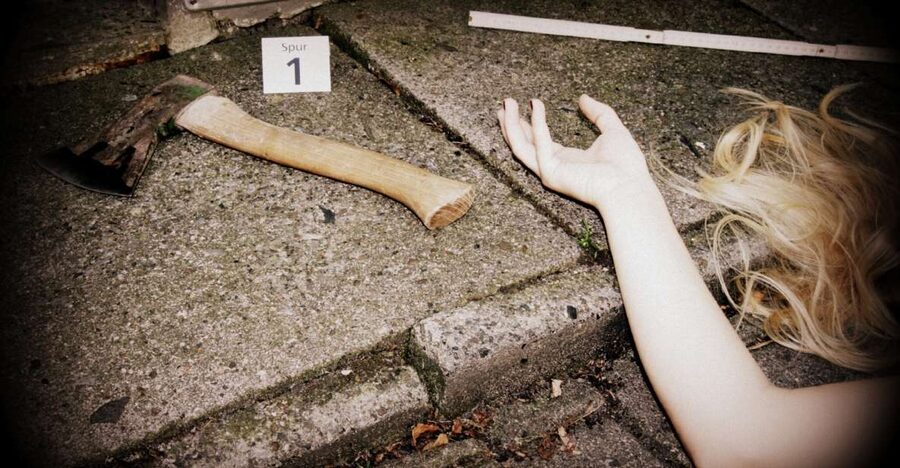
A good crime tour should do more than mention famous crimes. This one aims to connect criminal activity across a long timeline, from the Middle Ages to the 21st century. The value is in seeing how different periods handled wrongdoing, and how certain themes repeat even as technology changes.
Here’s what you can look for while you walk:
- How punishment evolves when societies modernize
- How record-keeping and archives influence what survives for us today
- How crimes shift from older “local” disputes to more organized patterns
You don’t need to be a history expert. The guide’s job is to make the transitions understandable. The best part is that by the time you reach the more modern end of the stories, you’ll have context for why older cases feel different, and why some patterns still echo.
How long is it, and how does the pacing feel?
The tour runs about 1.5 to 2 hours. That’s a sweet spot for a city experience like this because it’s long enough for a real story arc, without turning into a marathon where details blur together.
The pacing also matters with this topic. Crime history can easily become overwhelming if everything is delivered at full intensity. The guide’s structure, including the archives and puzzle-style moments, helps keep your attention and gives your brain a way to process the darker tales.
Based on the strong overall rating, the tour seems to land well for people who want an engaging guide who can sustain interest for the full time.
Price and value: what $16 buys you
At $16 per person, this tour is priced like an accessible experience rather than a premium museum package. For that money, you’re paying for a live experienced tour guide plus a focused city route that includes meaningful stops: the former 1900 prison, criminal archives, and locations tied to sentencing and executions.
The best value angle is not just that it’s cheap. It’s that the content is designed to be time-efficient. In under two hours, you get a guided story that connects place, record, and case detail.
What you should consider is what you want from your trip. If your idea of travel is sunny, light, and kid-friendly, this is not the right match. If you like Bremen beyond the typical postcard route, and you enjoy darker, true-crime style history, this price-to-content ratio can feel very fair.
Who should book, and who should skip
This tour is a strong fit if you:
- Enjoy true crime, legal history, or history that feels grounded in human decisions
- Want a Bremen experience away from the standard tourist checklist
- Prefer a guide who tells stories clearly and keeps you engaged
It is not suitable for children, and that rule alone should steer family plans elsewhere. Also, be honest with yourself about intensity. The tour’s selling point is killers and criminals, with deadly murders and elaborate heists, plus executions tied to real places.
If you tend to get uneasy around violent history, you might feel better choosing a lighter Bremen walk. But if you can handle darker subject matter and you want a guide to make it understandable, you’ll likely find this tour absorbing rather than just disturbing.
Practical tips for getting the most out of it
Because this is a city tour, plan to wear comfortable walking shoes. Bring a notepad or use your phone to jot down the cases or themes you want to remember. Crime stories connect better in your mind when you can reference details later.
One more practical point: the tour is German, so it’s best if you’re comfortable enough to follow spoken German for 1.5 to 2 hours. If you don’t speak it well, you might still pick up some context from visual stops, but the full experience depends on the guide’s explanations.
Should you book The Dark Side of Bremen?
I’d book it if you want Bremen in a darker register and you like your history to have teeth. For $16, you get a structured guided walk that hits a prison built in 1900, steps into criminal archives, and uses case details and mystery-style thinking to keep the material lively. It also seems to earn especially strong praise for how interesting and well told the full two hours can feel, even to locals.
I wouldn’t book it if you’re traveling with kids or if you want a gentle sightseeing vibe. This one is built for adults who are curious about crime history and the places where justice played out.
FAQ
Is the tour in German?
Yes, the live tour guide speaks German.
How long is the tour?
The tour duration is listed as 1.5 to 2 hours.
How much does it cost?
The price is $16 per person.
Is this tour suitable for children?
No. The tour is absolutely not suitable for children.
What is included in the price?
It includes a city tour and an experienced tour guide.
What is not included?
Transfers are not included.
Where do we meet for the tour?
The meeting point may vary depending on the option booked.
Can I cancel for a full refund?
You can cancel up to 24 hours in advance for a full refund.
Can I pay later?
Yes. You can reserve now and pay later.
Who runs the experience?
The provider is StattReisen Bremen e. V.
Fresh on the arrivals board for Bremen



Bremen Tours & Activities, compared.



Browse the lists this tour appears in