
Reviewed · CITY TOURS
Stuttgart: Ticket for the Miniature Worlds – Europe’s largest city model
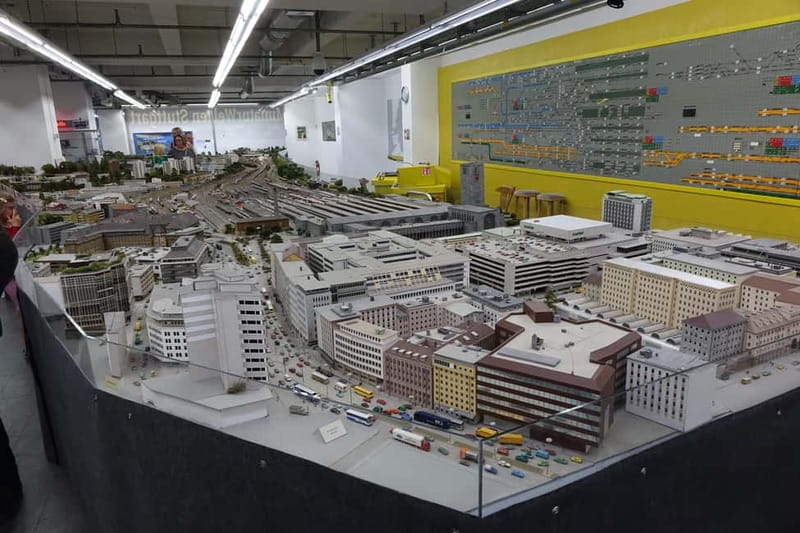
Stuttgart shrinks to a whole city. Miniaturwelten Stuttgart is all about the Miracle of Stuttgart, a massive model that turns the city of the 1980s into something you can walk through. I love how the focus stays sharp on the train station era, with details that feel surprisingly lifelike for a miniature world.
I also like the build story: this is not a kit. Wolfgang Frey spent 15 years researching, planning, and constructing the model from everyday materials, including waste items, paint, and glue. The result is a 1:160 scale city with hundreds of buildings, vehicles, trees, and even thousands of individual touches you will only notice if you slow down.
One possible drawback is language. Some parts are shown in the original language, and if you need clear English explanations, ask the team up front. Also note there is one step at the entrance, though separate barrier-free access is available if you need it.
In This Review
- Key things to know before you go
- From Hauptbahnhof to a tiny century in 180 m²
- The Miracle of Stuttgart: Europes largest city model, done in 1:160 scale
- Wolfgang Frey’s 15-year build: why the model feels personal
- The signal box recreation: where the history gets hands-on
- Small details with big impact: tombstones, streets, and vehicles
- How long it takes, and how to pace your visit without rushing
- Family time in Miniaturwelten Stuttgart: detective game and kid play stations
- Accessibility and entrance notes you should know
- Photos, etiquette, and the shop reality
- Value check: is $10 worth it in Stuttgart?
- Where this fits best in your Stuttgart day
- Should you book Miniaturwelten Stuttgart?
Key things to know before you go
- 180 m² of the Miracle of Stuttgart spreads across Europes largest city model space
- Wolfgang Frey built it over 15 years, and nothing is from prefabricated kits
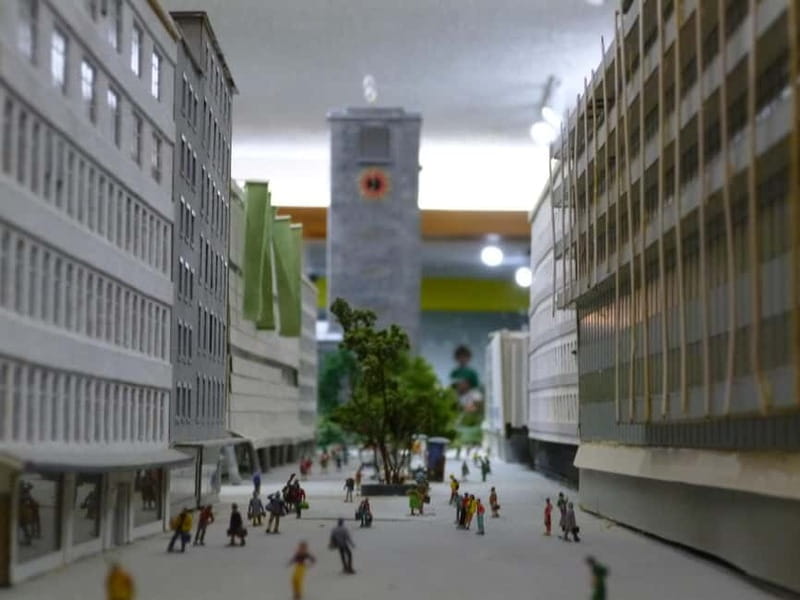
- Signalmen focus with a former functioning signal box, including an 8 meter control panel
- Thousands of one-off details like 2,500 hand-painted vehicles, 4,000 trees, and 2,500 tombstones
- Family-friendly add-ons include a detective search game and kid railway play stations
From Hauptbahnhof to a tiny century in 180 m²
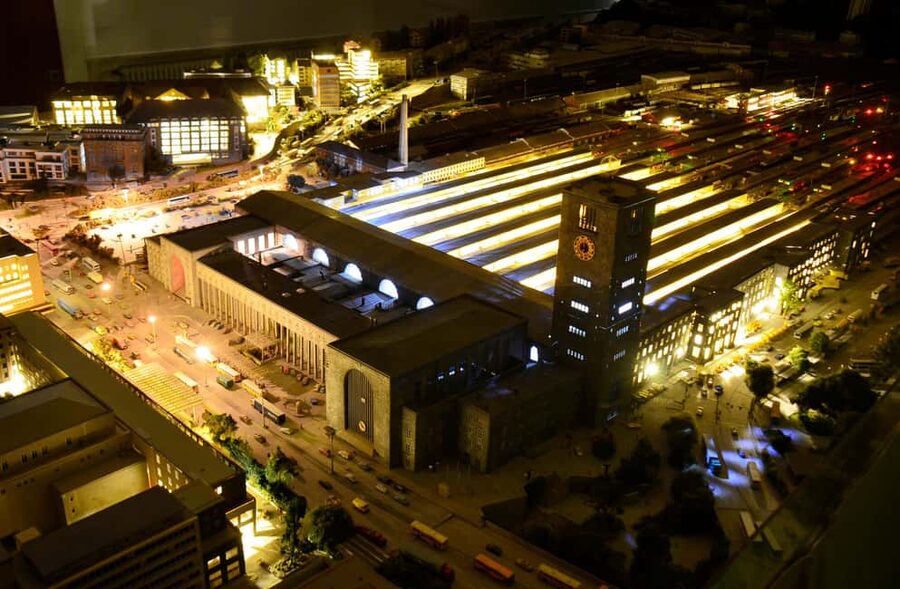
Miniaturwelten Stuttgart sits directly across from the main railway station, so you can fit it into almost any day. If you are bouncing between museums or doing a quick stop in Stuttgart, this is the kind of place that rewards a short, focused plan.
The exhibition area is big, though it does not feel chaotic. The model covers 180 m², and that scale matters. You get the fun of scanning big blocks first, then catching the finer work later. It is not just something to glance at while passing through. It is something you will keep circling back to, because your eyes find new layers each lap.
Plan on an average visit around 1.5 hours. If you are a train fan, or you like reading little scenes like a detective, you may naturally take longer. That is part of the point here, there is plenty to see and plenty to explain if you ask.
Also holding a platform in Stuttgart
- Stuttgart 24-Hour Hop-On Hop-Off Sightseeing Bus Tour
★ 4.4 · 1,647 reviews - Stuttgart: Mercedes-Benz Museum Entry Ticket
★ 4.8 · 1,400 reviews - Stuttgart: Guided Ghost Walking Tour
★ 4.5 · 867 reviews
The Miracle of Stuttgart: Europes largest city model, done in 1:160 scale
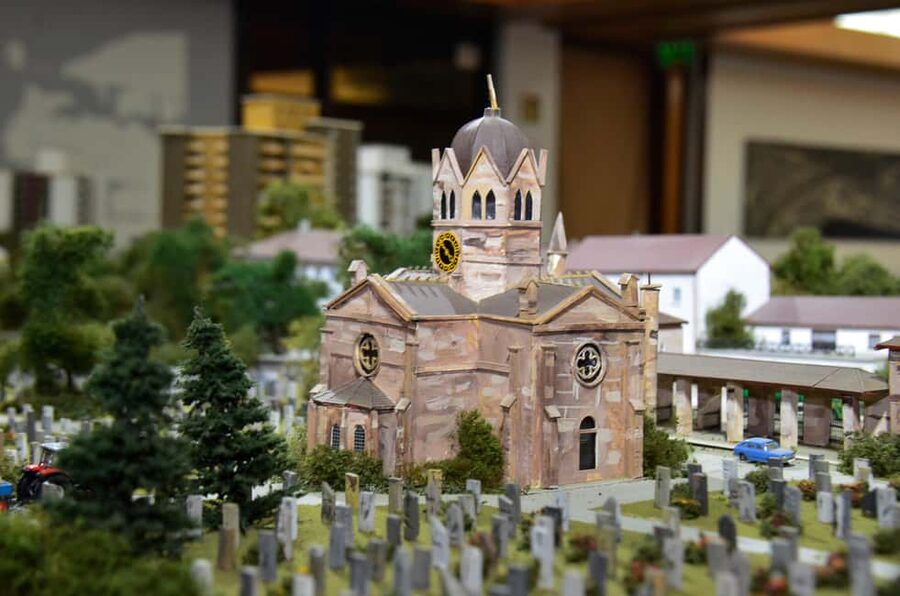
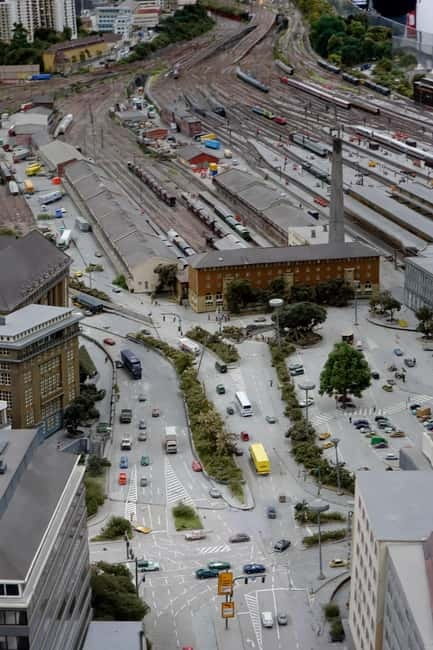
The headline is clear, Europe’s largest city model on 180 m². But the real magic is what that model actually is. It recreates Stuttgart in the 1980s and 1990s, including the vibe around the station district and the streets people would recognize from that time.
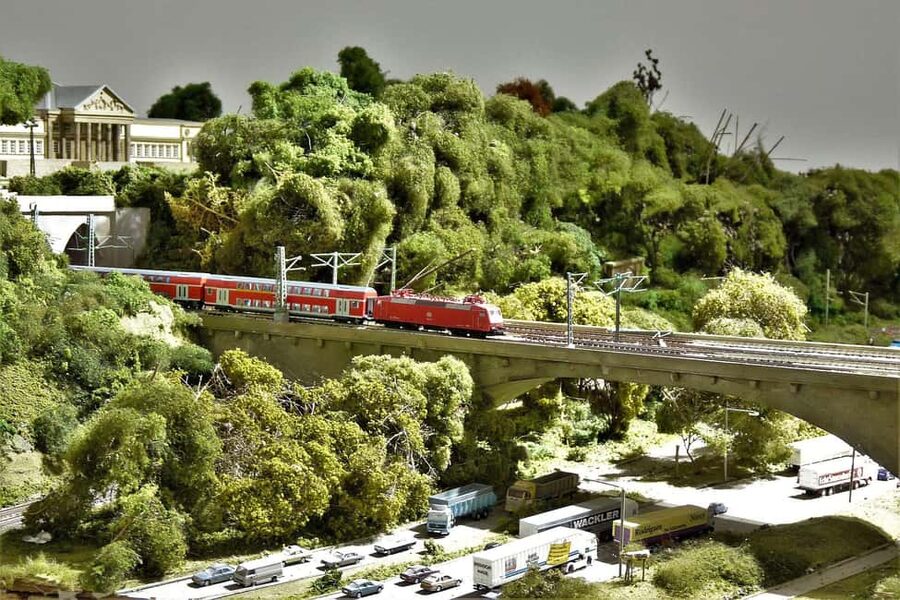
Everything is built at 1:160 scale, with over 450 buildings. You also get 2,500 hand-painted vehicles and about 4,000 trees. The numbers are big, but what matters is that each piece is meant to look like it belongs in the same world. Instead of generic blocks, you are seeing a city made from specific choices.
One detail I especially like is the approach to “everyday life.” The model includes small things like garbage cans and fences. That is where miniature scenes stop feeling like a toy and start feeling like a snapshot. You begin to see patterns too, like where roads were busier, where buildings clustered, and how the station area shaped everything around it.
And the story of the build matters just as much as the story of the city. Wolfgang Frey created the model with waste materials, bulky waste, paint, and glue. Nothing comes from prefabricated kits. In practice, that means the model has an uneven, human feel, because it reflects the builder’s decisions and time, not factory uniformity.
Wolfgang Frey’s 15-year build: why the model feels personal
A lot of miniature displays are impressive because of the size or because they are interactive. This one feels impressive because of authorship and patience. Wolfgang Frey is the person behind the work, and the construction took about 15 years.
That matters for two reasons. First, it explains why the details are so specific. You are not just seeing copies of buildings. You are seeing researched decisions about what to include and how to represent it. Second, it explains the uniform “voice” across the model. The city looks consistent because one mind designed it over a long stretch of time.
I also like that the exhibition makes room for background information. If you have questions, the team is happy to help, and explanations can pull you closer to what you are seeing. This is not just a walk-through where you stare and hope for context.
The signal box recreation: where the history gets hands-on
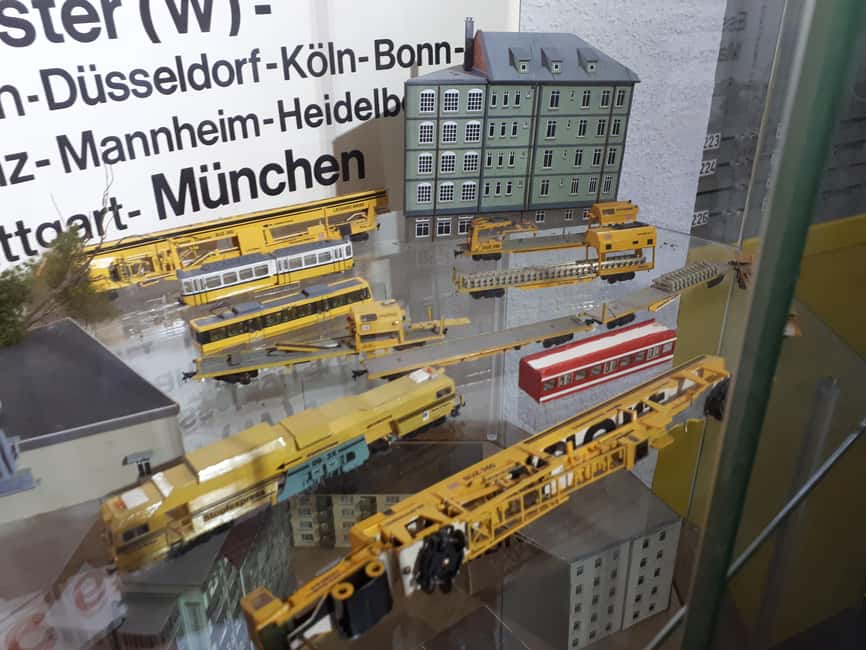
If the city model is the headline, the signal box is the moment that turns your attention into something practical. The model includes a former functioning signal box, with a long control panel and multiple control tables.
What you can focus on is the work of the station’s signalmen. The exhibit recreates that kind of operational world, not in a modern control-room way, but as a recreated system that you can understand by looking. If you like trains, rail operations, or just the idea of how people managed traffic before everything went digital, this is where you will likely slow down.
A standout measurement to remember: the signal box includes an 8 meter long control panel and 8 control tables. Those sizes give you the scale of the original work. In miniature, that size becomes a big visual anchor. It also makes it easier to follow the idea of how control points connect the whole station area.
If you are not a rail nerd, no problem. You can still enjoy the signal box as storytelling. It helps explain why the station district looks the way it does, and why trains and tracks are not just decorative elements. They are part of a system.
Small details with big impact: tombstones, streets, and vehicles
Once you have the big shapes in your head, start hunting for the tiny things. This is where the model rewards curiosity.
One number that jumps out is the inclusion of 2,500 individually made tombstones. That might sound like an odd choice for a city model, but it is exactly the kind of everyday realism that makes it feel lived-in. It also hints at how deeply the builder researched city components beyond the obvious skyline.
Then there are the trees, about 4,000 of them. In miniature, trees can easily look flat. Here, they become texture for the streets and built-up areas. When you look at neighborhoods, the “green breaks” help you understand how space was organized.
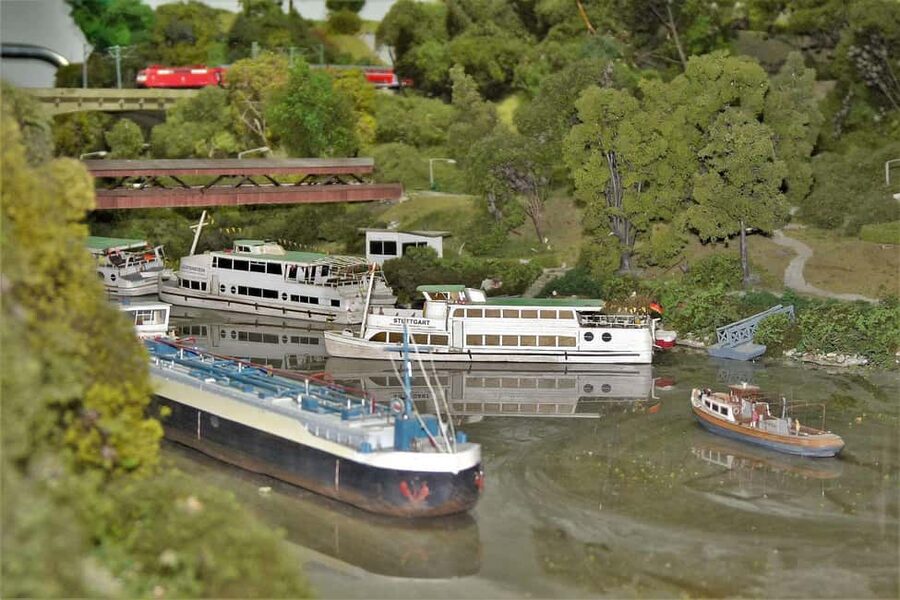
The vehicles are another eye-catcher. There are 2,500 hand-painted vehicles, and because they are hand-painted, you may notice variation in color, placement, and how they sit in the streets. Even if you do not memorize all of them, you get the impression that the builder placed them with intent, not random distribution.
My practical advice: take your first pass for the overall city and station area, then take a second pass with one goal. Pick something like garbage cans, fences, or street corners. You will find new details faster than you think.
Onward connections from Stuttgart:




How long it takes, and how to pace your visit without rushing
Average visit time is about 1.5 hours. But I think the smarter plan is to decide what you want from your time.
If you are here mainly for the city model, give yourself around 60 to 90 minutes. If you are here for rail and station operations, stretch it closer to 90 to 120 minutes if you can, because the signal box deserves attention.
Timing matters in one practical way. The venue suggests that for a peaceful visit, you aim for the last admission one hour before closing. That is a great tip for people who hate feeling hurried, and it also helps you see the model under consistent lighting.
One more thing: please do not touch anything. It is clearly part of preserving the facility, and it is common sense for a model made from thousands of tiny components.
Family time in Miniaturwelten Stuttgart: detective game and kid play stations
This is not only for adults who like models. The exhibition includes kid-focused extras that help younger visitors feel like active participants.
At the ticket office, there is a free children’s detective search game. You just ask the team, and it gives kids a reason to look closely instead of drifting past details. If you have children around primary school age, this kind of activity can turn a viewing into a quest.
There are also two model railway play stations for kids. That is a simple but smart add-on, because it gives kids an outlet without turning the rest of the exhibition into a hands-on playground.
For families, I like the idea of combining the detective game with the signal box viewing. Kids often love the idea that trains have rules and people run systems. Even when explanations are short, the station theme makes it easier for kids to connect dots.
Accessibility and entrance notes you should know
The venue is wheelchair accessible, and there is separate barrier-free access. Still, there is one step, so it is worth planning how you will enter.
If you are traveling with mobility needs, contact the team or ask at the entrance about the barrier-free route. The fact that they provide a separate access path is helpful, but you do not want to improvise after you arrive.
Photos, etiquette, and the shop reality
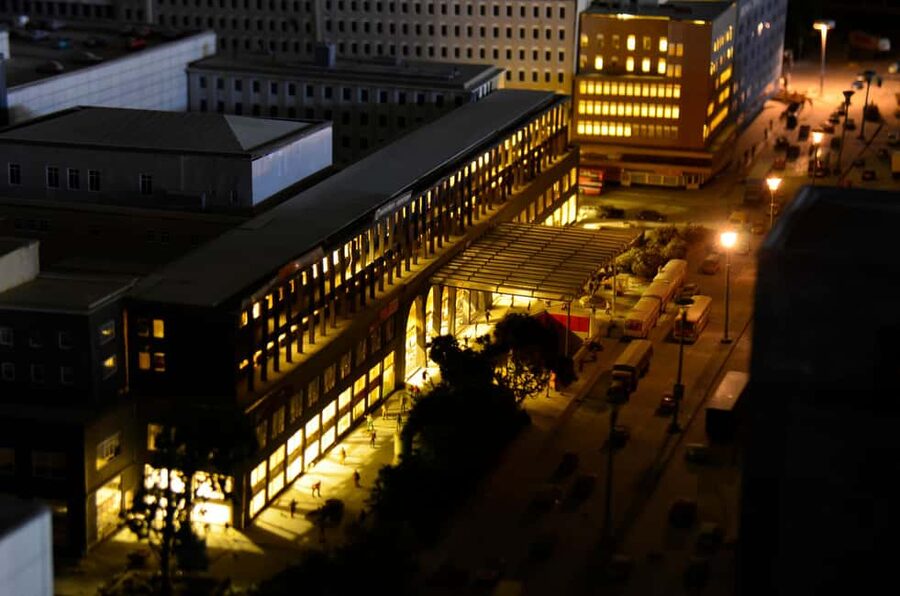
Photography is expressly permitted and welcome. This is a good place to bring your phone or camera, because the details are meant to be noticed.
One etiquette note: you should only photograph employees and other guests with their consent. That is a normal rule in smaller exhibitions, but it is good to remember before you start shooting portraits.
Souvenirs are available in the shop, but model railway items and souvenirs are not included with admission. If you want to buy something, set aside a little time to browse at the end when you are done exploring. If you are on a tight schedule, you can skip it and still get the full value from the model itself.
Value check: is $10 worth it in Stuttgart?
At around $10 per person, this is one of the easiest value decisions in Stuttgart if you like details. The key is what you actually get for that money.
You get entry to a huge, fully built city model, not a small exhibit. You also get the chance to receive background information from the team. That turns a simple ticket into a richer experience, because you can ask why certain choices were made or what the station elements represent.
You also get family extras at no extra cost. The detective search game and kid play stations mean you are not paying extra just to keep children engaged.
Then there is an extra value lever if you are already interested in model railways. You can get 50% off admission to the Märklineum in Göppingen if you present your GetYourGuide booking, within one year. That can make the whole trip feel like part of a larger rail-themed day.
If you are the type who likes looking closely at craftsmanship, the $10 price makes sense. If you only have a few minutes and hate stopping to read or observe, you may not feel the value as strongly. The model rewards patience.
Where this fits best in your Stuttgart day
This works well as:
- A calm indoor stop when Stuttgart weather is unpredictable
- A short add-on if you are already near the main train station
- A focused rail and transportation stop for hobbyists
- A family-friendly activity that keeps kids busy
It may not be the best use of time if you want a hands-off, fast-moving attraction with lots of obvious interactive tech. This is observation plus explanation. That is the trade.
But if your travel style includes looking closely and enjoying craft, you will likely feel satisfied.
Should you book Miniaturwelten Stuttgart?
I would book it if you want one paid ticket that gives you a full mini-city experience, especially if trains and station scenes are your thing. The model’s scale, the station signal box, and the hours of build work behind it make the price feel fair.
Skip it only if you dislike detailed viewing or you need guaranteed English at every moment. If language support is important, ask the team questions early so you get the most out of your visit.
Bottom line: this is a smart Stuttgart stop. You leave with the feeling that someone made something carefully for years, not something produced quickly for crowds.
Fresh on the arrivals board for Stuttgart


City Tours, compared.
1-Hour City Tour by Boat with Guaranteed Seating
Read our review →
Berlin City walk Government District and Places of Democracy
Read our review →
City History Canal Sightseeing Tour on a Motorboat
Read our review →
Browse the lists this tour appears in