
Reviewed · CITY TOURS
Stuttgart city library – an architectural tour
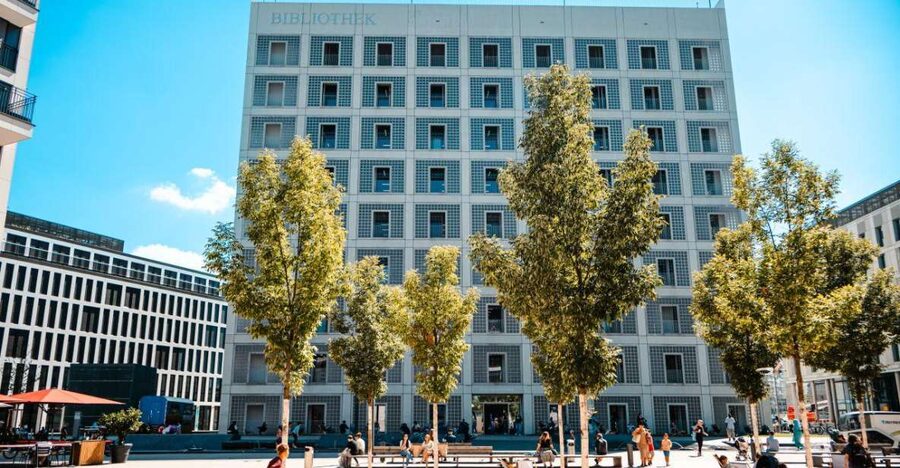
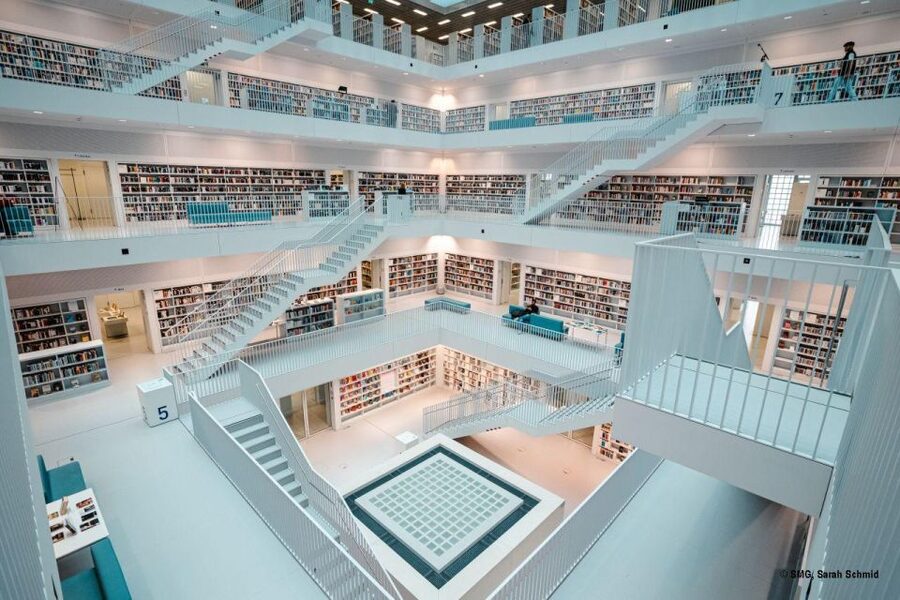
Light and geometry run this library. This Stuttgart City Library tour is interesting because the building was designed by Korean architect Eun Young Yi, and the whole experience is about how light and crisp shapes work together. I love the way the spaces feel engineered for clear sightlines, and I like how the design blends form with day-to-day function in a way that makes sense on the spot.
I also like that the guide keeps pointing you to details you might otherwise miss, especially the contrast between solid structure and quieter, empty areas inside. The one drawback to consider is that this is very architecture-first, so if you’re hoping for lots of stories about famous people or big historical drama, you may feel the focus stays pretty strict.
Plan on a calm, hands-on walkthrough of the library’s most meaningful design ideas in just 75 minutes. If you enjoy looking closely and asking yourself why a space is shaped the way it is, you’ll have a great time.
In This Review
- Key things to know before you go
- Why Stuttgart’s City Library is an architecture tour worth your time
- Getting to the meeting point near Milaneo without stress
- What you’re actually seeing: light, geometric shapes, and empty space
- Eun Young Yi’s design, explained in plain language
- Walking through the building like a design puzzle
- The 75-minute pace: enough time to notice, not enough to overthink
- German-speaking guide: who it suits best
- Value check: is $21 worth it for a library architecture tour?
- Practical considerations: luggage, kids, and comfort
- Food and drinks: plan around it
- Photography and respectful observation in a working public space
- Should you book the Stuttgart City Library architectural tour?
Key things to know before you go
- Eun Young Yi’s design logic is the star, so keep your eyes on how the building communicates through shape and structure.
- Light and geometry are the main theme, not an optional detail, so being mentally ready to “look” helps.
- Empty spaces matter here, and the tour helps you notice how breathing room is built into the layout.
- Form and function are tied together, so you’ll see why the design isn’t just visual.
- It’s a short, guided visit, which is great for busy days, but it limits how deep the explanations can get.
Why Stuttgart’s City Library is an architecture tour worth your time
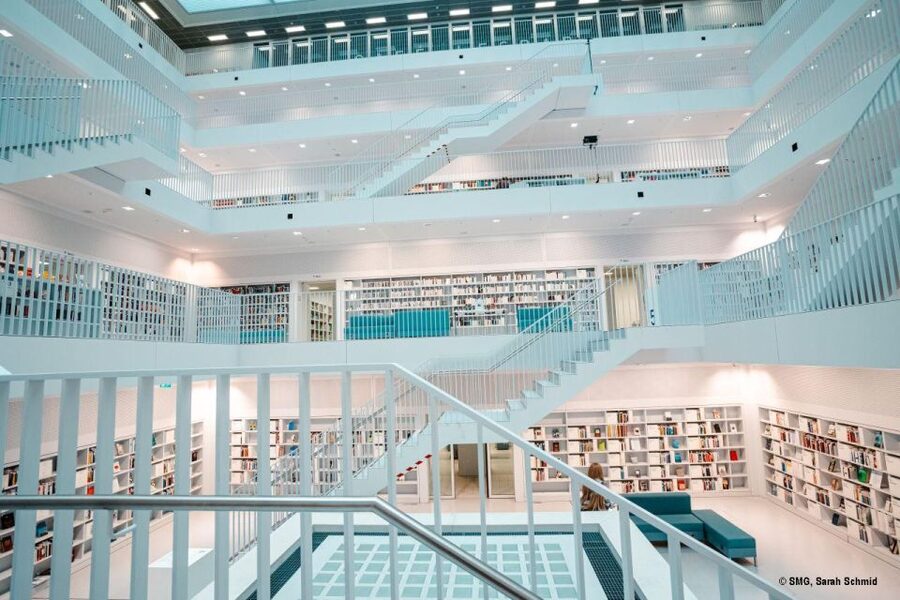
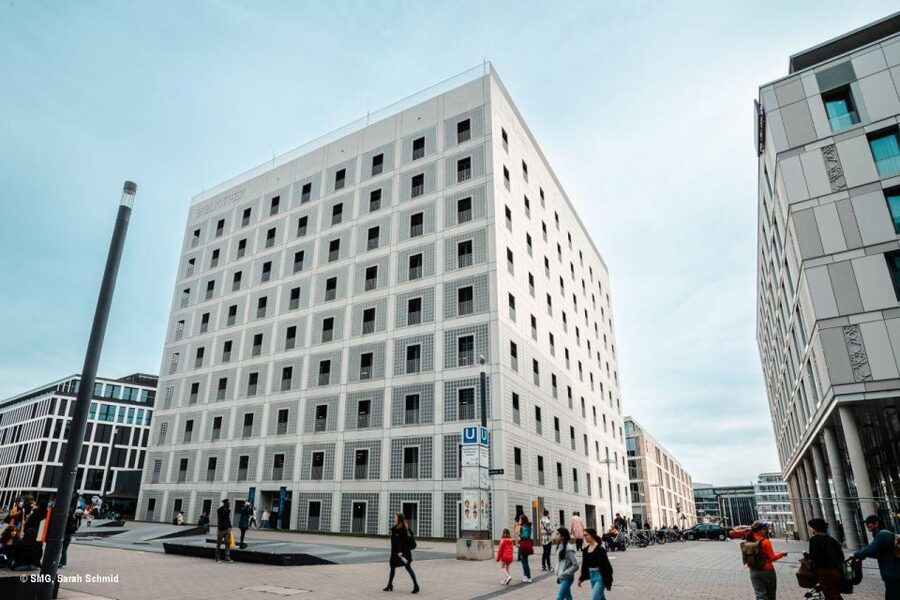
If you’ve ever had that feeling that architecture is either too abstract or too hard to read, this tour is a nice antidote. The Stuttgart City Library was designed by Eun Young Yi, and it comes across as confident, almost strict, in the best way. The building doesn’t hide its intentions. It shows you structure, and then it uses light to make the structure readable.
What you’re really touring is the relationship between three things: geometry, light, and how people move and gather. That last piece matters. A library is not a monument you just look at from a distance. It’s a place of encounter and exchange, so the design has to do more than look smart. It has to work.
You’ll also notice something that’s easy to forget when you travel fast. The tour’s power is in slow attention. In 75 minutes, you’ll learn how to “read” the building: which elements connect, where empty space is doing work, and how surfaces and openings change the mood.
Also holding a platform in Stuttgart
- Stuttgart 24-Hour Hop-On Hop-Off Sightseeing Bus Tour
★ 4.4 · 1,647 reviews - Stuttgart: Mercedes-Benz Museum Entry Ticket
★ 4.8 · 1,400 reviews - Stuttgart: Guided Ghost Walking Tour
★ 4.5 · 867 reviews
Getting to the meeting point near Milaneo without stress
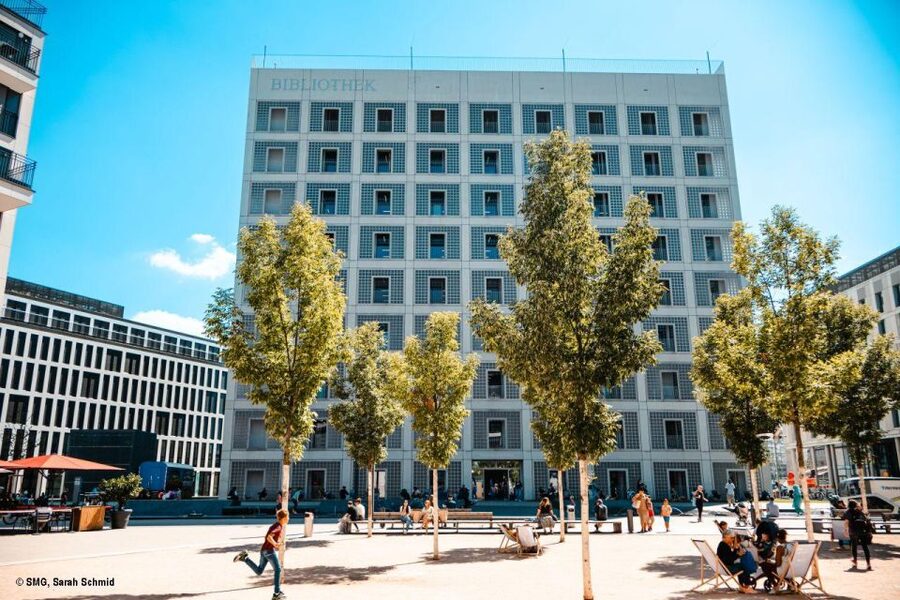
The meeting point is simple: you meet at the entrance opposite the Milaneo shopping center. If you’re already using Milaneo as your city anchor, this is a big plus.
A practical tip: arrive a few minutes early. Architecture tours like this run on timing because the explanations are tied to specific vantage points and the way daylight hits surfaces. Also, you’ll want to be ready to enter the space with your guide and group.
From there, the guide leads you into the main experience. This is not a “stand outside and admire” tour. The library is meant to be entered, so expect to spend your time inside and around the building’s key spatial ideas.
What you’re actually seeing: light, geometric shapes, and empty space
The tour’s core focus is the interplay of light and geometric shapes. You might think you know what that means, but in this building it’s more physical than you’d expect. The structure creates a kind of visual rhythm, and the light turns that rhythm into something you can feel while walking.
The tour also pays attention to empty spaces. Empty does not mean unused here. It’s about how the building creates pauses. Those pauses help people orient themselves, and they give the architectural lines room to breathe.
Then there are connecting elements. These are the parts that link one area to another, and the guide helps you see them as design choices rather than just practical corridors or transitions. The building’s “connective tissue” is part of the message. It’s how the library becomes a place where you can shift from quiet focus to casual encounter.
Eun Young Yi’s design, explained in plain language

You might come in knowing very little about the architect, and that’s fine. The point of the tour is to make the design understandable through observation.
Here’s the clearest way I can describe the design approach based on what the tour emphasizes: it’s uncompromising clarity. That means the building doesn’t rely on decorative busy-ness to impress you. Instead, it uses straightforward geometry and purposeful light effects to communicate its structure.
In practical terms, you’ll be thinking less about “What is the style?” and more about questions like:
- Why are the shapes arranged this way?
- How does daylight change your perception as you move?
- How does the design support reading, gathering, and passing through?
That’s the value here. Even if you’re not an architecture person, you’ll leave with a better sense of how modern public buildings can be both functional and expressive without turning into pure spectacle.
Walking through the building like a design puzzle
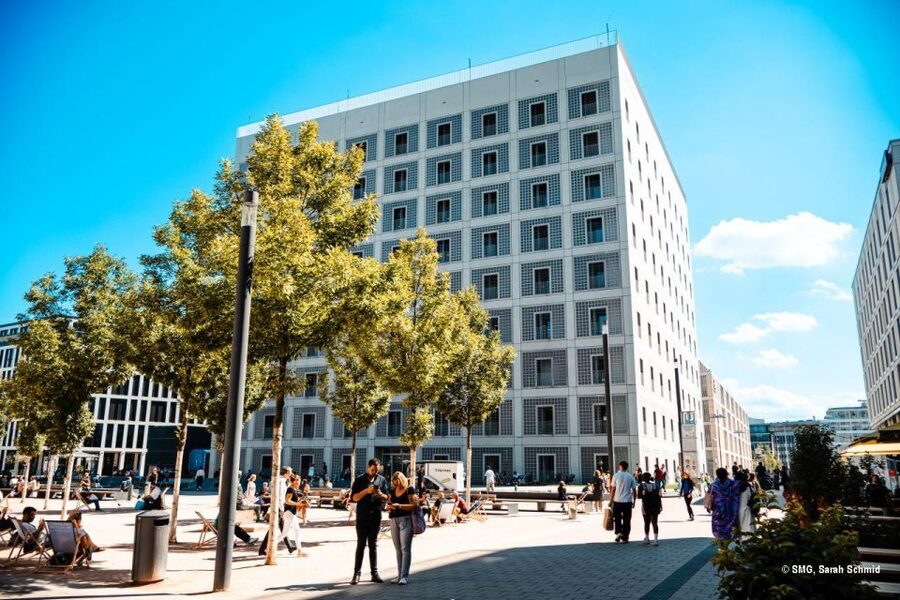
Since the tour is focused on the library itself, the “itinerary” is really a guided sequence of viewpoints and spatial themes. You’re not going to be hopping across multiple sites. Instead, you’ll move through the library experience in a way that keeps returning to the same questions: where does light fall, what shapes frame your view, and how do empty spaces and connectors shape movement?
Expect the guide to steer you to:
- areas where light interacts with angles and edges
- moments where geometry becomes easier to see because the space around it opens up
- transitions that show how people are guided through the building without feeling pushed
One more thing I’d watch for: the building’s sense of order. This is the kind of architecture where you can start feeling oriented quickly. Lines and connections often make navigation intuitive, even if you’ve never been there before.
Onward connections from Stuttgart:




The 75-minute pace: enough time to notice, not enough to overthink
The tour lasts 75 minutes. That’s a sweet spot. Long enough for you to see how the design works from different angles and distances. Short enough that you won’t get stuck in a lecture mode.
This duration also affects what the tour can cover. If you love architecture but also like deep academic explanations, you’ll likely find the time window means the guide focuses on the most important design ideas rather than every technical detail.
That’s also where the feedback balance comes in. Some people feel they want more architecture information, while others found it very informative and entertaining. Translation for you: go in ready to look, ask your own questions silently, and treat the guide as your key to interpretation rather than a full-on encyclopedia.
German-speaking guide: who it suits best
This tour includes a German-speaking guide. If you’re comfortable understanding German at least casually, you’ll get more out of the explanations. If you’re not, you can still enjoy the architecture, but you’ll miss some of the “why” behind the design.
Who this tour suits best:
- You like architecture and want a structured way to observe it.
- You enjoy design details like light effects and geometric composition.
- You want a calm, central activity in Baden-Württemberg that doesn’t demand a full day.
- You’re traveling with someone who likes looking closely, not just ticking off landmarks.
It’s less ideal if you want heavy storytelling, lots of restaurant stops, or a tour that plays more like a general sightseeing loop.
Value check: is $21 worth it for a library architecture tour?
At $21 per person for a 75-minute guided visit, the value depends on your travel style.
Here’s why it can be a good deal. You’re paying for interpretation. The building has enough presence to be interesting on your own, but the tour helps you understand what to notice: light, geometry, empty space, and connecting elements. For many people, that’s the difference between a quick “nice building” and a real architectural experience.
Also, the time matters. Seventy-five minutes is manageable. You can fit it between other plans without feeling like you’ve surrendered half a day.
The main value risk is your expectations. If you go looking for intense technical architecture content or lots of external context far beyond the building, you might feel it’s too short. If you go ready to see and listen, the price-to-experience ratio usually feels fair.
Practical considerations: luggage, kids, and comfort
This tour is straightforward, but there are a couple of constraints.
- Oversize luggage is not allowed. If you’re traveling with big bags, plan ahead so you can move comfortably through the library environment.
- It’s not suitable for children under 2 years. If you have young kids, you’ll want to think about how well a short guided visit works for them.
In terms of comfort, dress for indoor movement. Libraries can have different light conditions depending on where you’re standing, and architecture tours often involve staying in place long enough to observe patterns in light and shape.
Food and drinks: plan around it
Food and drinks are not included. That means you should treat the tour as a focused block of time and plan your meal schedule before or after.
If you’re pairing this with other city stops, I suggest leaving yourself a little buffer afterward. You might want extra time to look around after the guide’s main points land in your head.
Photography and respectful observation in a working public space
This is a library, so keep it respectful. The tour’s themes basically invite you to take photos, especially where light hits geometric surfaces. Just be mindful of how people are using the space.
My advice: prioritize photos that show relationships, not just single objects. Look for frames created by structure, lines that guide your eye, and areas where empty space helps the geometry read clearly.
Even if you don’t take many pictures, you’ll get a lot by practicing the same habit as you walk: pause, look, then move a few steps and see what changes.
Should you book the Stuttgart City Library architectural tour?
Book it if you want a short, design-focused experience with a German-speaking guide and you enjoy noticing how light and geometric forms shape your understanding of a space. It’s also a strong choice if you like modern architecture that’s functional first, expressive second.
Skip it or adjust expectations if you’re mainly chasing sweeping history or lots of narrative variety beyond the building. This tour is disciplined, and the building is the whole story.
If you’re the type who likes to come away with a new way to look at everyday spaces, this is a great use of 75 minutes in Stuttgart.
Fresh on the arrivals board for Stuttgart



City Tours, compared.

1-Hour City Tour by Boat with Guaranteed Seating
Read our review →
Berlin City walk Government District and Places of Democracy
Read our review →
City History Canal Sightseeing Tour on a Motorboat
Read our review →

Browse the lists this tour appears in