Reviewed · TOURS
Stralsund: Factory Tour with Fermented and Organic Tastings
A vinegar-stained window into fermentation life. You get a guided look at how lactic acid bacteria work with herbs, berries, roots, and spices, then you taste the results.
What I like most is the small-group pace and the chance to see production rooms that are normally off limits.
One thing to consider: this is a 1-hour experience, so if you want a long, sit-down class on fermentation chemistry, you may feel slightly rushed.
In This Review
- Quick take: why this Stralsund tasting tour is worth your time
- Entering the Stralsund fermentation factory, where the guide drives the story
- BIO-certified ingredients you can taste, herbs, berries, roots, and bacteria strains
- The production rooms that normally stay off limits
- From natural fermentation to products, you follow the steps in order
- More than human food, the company’s approach for animals and garden soil
- Tasting with your senses, what a good gut feeling tastes like
- Price and time: $11 for an hour that includes access and tasting
- Small-group practical tips, plus the rules that shape your visit
- Who should book this fermented-product tour in Stralsund?
- Should you book this Stralsund factory tour?
- FAQ
- How long is the Stralsund factory tour?
- How much does the factory tour cost?
- What languages are available for the live guide?
- Is the tour wheelchair accessible?
- What’s included in the ticket?
- Can I take photos or record video inside the factory?
- What are the cancellation and pay-later options?
Quick take: why this Stralsund tasting tour is worth your time
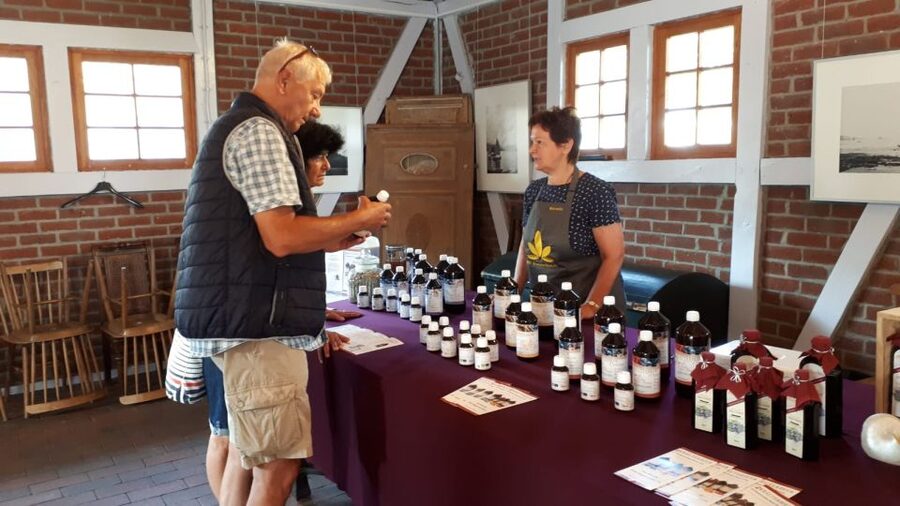
- Closed-to-public production rooms are part of the walk, not just a showroom
- 9 different strains of lactic acid bacteria shape the flavors you’ll sample
- Ingredients are BIO certified or approved for organic farming, including handpicked herbs and special berries
- The guide explains everyday principles behind the work, not only the process
- Tastings include in-house recipes aimed at a good gut feeling for people, animals, and gardens
Entering the Stralsund fermentation factory, where the guide drives the story
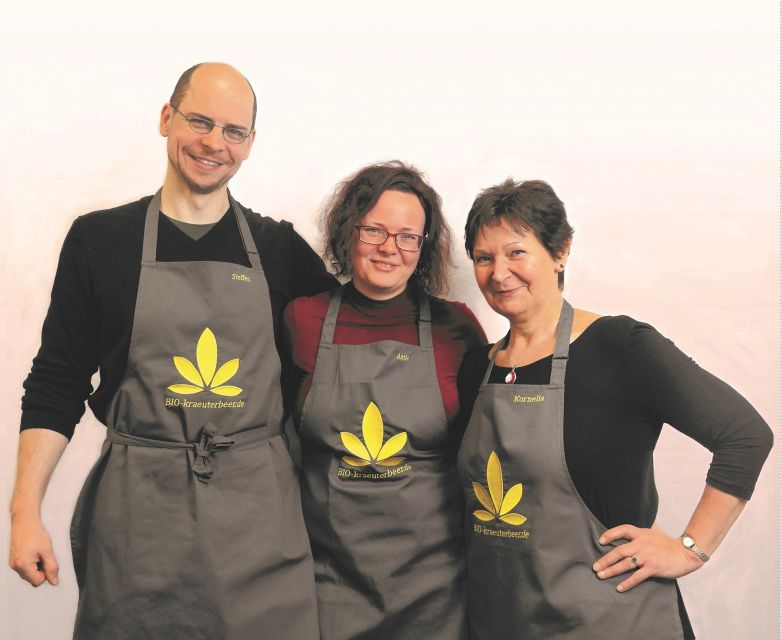
This tour is built for people who like food they can picture. It starts with a clear explanation of what the company makes, why fermentation matters, and how the team thinks about ingredients and habits day to day. You are not rushed through vague facts. You get a guided flow that connects the production steps to the final bite.
In a small group of up to 6, the guide can actually answer questions as you walk. That makes a huge difference in a place like this, because fermentation raises practical questions fast. Why those herbs? Why these berries? How do they manage the bacterial strains? You get straight answers in plain language, and you also get a bit of light humor along the way.
The “factory tour” part is real. You are walking where production happens, not only passing by large jars from behind a barrier. That is why I think this tour feels more honest than many tastings you might see elsewhere.
Next departures posted for Stralsund:
- Stralsund: Old Town Evening Tour with a Night Watchman
★ 4.7 · 20 reviews - Stralsund: Old Town Highlights Private Walking Tour
★ 5.0 · 5 reviews
BIO-certified ingredients you can taste, herbs, berries, roots, and bacteria strains
The heart of the experience is the ingredient story. You hear how the products use natural processes and organic inputs, with fermentation guided by lactic acid bacteria.
Here is what stands out from the process description:
- Handpicked herbs
- Special berries
- Roots and spices
- 9 different strains of lactic acid bacteria
Even before the tasting, this list helps you read the flavors. Fermented foods can taste simple if you only think in terms of salt or sourness. But when you know there are multiple bacterial strains and a specific mix of herbs, berries, roots, and spices, the tasting becomes a kind of guided listening with your tongue.
You will also hear that the products are BIO certified or approved for organic farming. That matters for two reasons. First, it signals the company starts with ingredients they consider compliant and consistent. Second, it keeps expectations realistic. This is not a tour about turning random leftovers into something magical. It is about repeating a process with controlled inputs, then using recipes to create different end results.
The production rooms that normally stay off limits
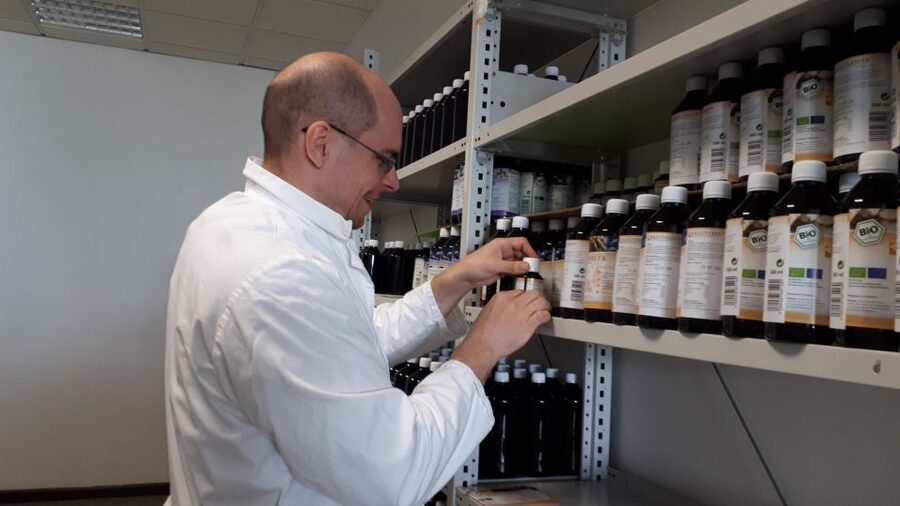
A big part of the value here is access. During the tour, you visit areas that are otherwise closed to the public, including production rooms tied to fermentation and handling.
Why you will care: fermentation is not one dramatic moment. It is a chain of steps that must be managed carefully, from mixing to timing and handling the finished product. When you see the space where that chain happens, the whole idea stops being abstract. It becomes practical.
I like that the guide connects what you see to what you will taste. You are not just touring equipment. You are learning what the company does so their everyday products can finally land in your hands.
Also, this is a family-run setup. The tone from the guide stays personal, not corporate. That shows up in the way they explain principles behind daily work, including the idea of good gut feeling extending beyond a single dinner plate.
From natural fermentation to products, you follow the steps in order
The tour gives you a guided sequence of what happens before the food reaches you. You learn the everyday principles that guide production and which steps the ingredients go through.
Even without a lab manual in your pocket, you can still understand the logic of fermentation-based production:
- Choose the organic ingredients that match the recipe goal
- Use lactic acid bacteria strains to run the fermentation naturally
- Let the process evolve before packaging and distribution
- Apply in-house recipes so the final taste is consistent and intentional
That “steps in order” approach is where the tour pays off. Many food tours only show the finished jar and say it tastes like something. Here, the flow makes it easier to trust the product and notice why one flavor might feel more herb-forward while another feels more berry-root spiced.
One detail that adds context: you hear that the company uses natural processes and relies on specific strains, rather than relying on shortcuts. That theme shows up again in the way they talk about the goal being a good gut feeling, not just a strong sour taste.
More than human food, the company’s approach for animals and garden soil
The tour does something smart. It avoids limiting the story to people-only nutrition. You learn that the company also makes products aimed at animals and for soil preparation.
This matters because it changes how you interpret fermentation. Fermented products can be thought of as a food step, but here fermentation connects to broader farm-life goals. The guide frames it around everyday practice: recipes and applications that touch stomachs, animal health routines, and garden preparation.
One of the most memorable parts of the whole experience is when the guide ties those uses back to the same principles you hear earlier. You start seeing fermentation as a system, not a single product category.
If you visit with someone who farms, keeps animals, or gardens, this segment is likely to land especially well. Even if you do none of those things, it gives you a wider lens on why the company does what it does.
Tasting with your senses, what a good gut feeling tastes like
The tasting is the moment where the tour stops being a lecture. You finally taste the products on site, guided by what you learned.
I like that the company doesn’t treat tasting like an afterthought. They explicitly connect the tasting to how the food feels on your tongue. That simple instruction helps you slow down. You start paying attention to sourness, herb notes, berry character, and spice warmth instead of rushing for a quick yes or no.
You may also notice that the guide frames the recipes as designed for different “gut” goals. The idea is not only your own stomach, but also your animals and your garden routines. Whether you are interested in that as a concept or you just enjoy the flavor, it adds meaning to each sample.
There is also a practical side. A tasting that is tied to the production story tends to make you remember flavors better. You leave with a mental map, not just a list of sour things.
Price and time: $11 for an hour that includes access and tasting
At about $11 per person for a 1-hour guided tour with tastings, this is mostly good value because you are paying for two things at once: guided access and guided flavor.
Food tours can get pricey when they include only a table of small bites and a staff member who reads marketing copy. Here, you get production room access plus a guided explanation of fermentation steps and ingredients. The small group size (limited to 6) also helps protect the value. In a bigger group, you might not get enough time to ask questions or hear explanations clearly.
The hour format is a fair trade-off. You should go in knowing it is short. You will likely finish with a strong sense of the process and the flavors, but you will not get an all-day course.
If your schedule is tight, this is one of those activities that can fit without feeling like a time sink.
Small-group practical tips, plus the rules that shape your visit
This tour has straightforward site rules. They may sound strict, but they exist for safety, cleanliness, and production control. Before you go, keep these in mind:
- No smoking (including indoors)
- No drones
- No weapons or sharp objects
- No video recording and no photography inside
- No alcohol or drugs
- No bare feet
That last point matters more than it sounds. You should wear comfortable shoes you can stand in. Since photography is not allowed inside, plan to rely on your notes and your memory. If you are hoping to take lots of pictures of tanks or fermentation rooms, you will need to adjust expectations.
Language is another practical detail. The guide can run in German, English, or French, so you can pick the session that works best for you. If you travel with someone who prefers a specific language, check the available guide languages for your time slot before you commit.
Also, because the group is small, showing up a few minutes early helps. The tour is only an hour long, so late arrivals can cut into tasting time.
Who should book this fermented-product tour in Stralsund?
Book this if you want:
- A short, guided look at fermentation with a real production setting
- Organic, bacteria-driven food explained in plain language
- A tasting that connects directly to what you just saw
- A family-run, character-filled operation rather than a big industrial display
You might skip it if:
- You are looking for a long educational seminar or hands-on fermentation workshop
- You plan to film or do heavy photo documentation inside
- You want a tour that is more about local history and less about food production steps
For most food lovers, this hits the sweet spot. It is not complicated, but it is not superficial either.
Should you book this Stralsund factory tour?
I think it is a strong yes if you like fermentation and want to see the process behind what you taste. The combination of production room access, organic ingredient focus, and a guided tasting makes the $11 price feel fair, even with the short 1-hour time window.
If you are the kind of traveler who loves practical food experiences, this fits your style. If you prefer long museum-like tours, plan to pair it with other Stralsund stops before or after.
If you do book, go in with two expectations: you will learn the steps behind the flavors, and you will taste them on site.
FAQ
How long is the Stralsund factory tour?
The tour lasts 1 hour.
How much does the factory tour cost?
The price is $11 per person.
What languages are available for the live guide?
The live tour guide speaks German, English, and French.
Is the tour wheelchair accessible?
Yes, the tour is wheelchair accessible.
What’s included in the ticket?
Your ticket includes a guided tour and a tasting of the products.
Can I take photos or record video inside the factory?
No. Video recording and photography inside are not allowed.
What are the cancellation and pay-later options?
You can reserve now and pay later. There is also free cancellation up to 24 hours in advance for a full refund.
Fresh on the arrivals board for Stralsund


Tours, compared.

Reichstag, Dome and Government District Guided Tour
Read our review →
Sex and Crime in St. Pauli Tour for Ages 18 +
Read our review →
1-Hour City Tour by Boat with Guaranteed Seating
Read our review →