
Reviewed · MUNICH TOURS & ACTIVITIES
Schwabing: Insider Tour! Neighborhood, Revolt, Secrets in Munich’s Cult District
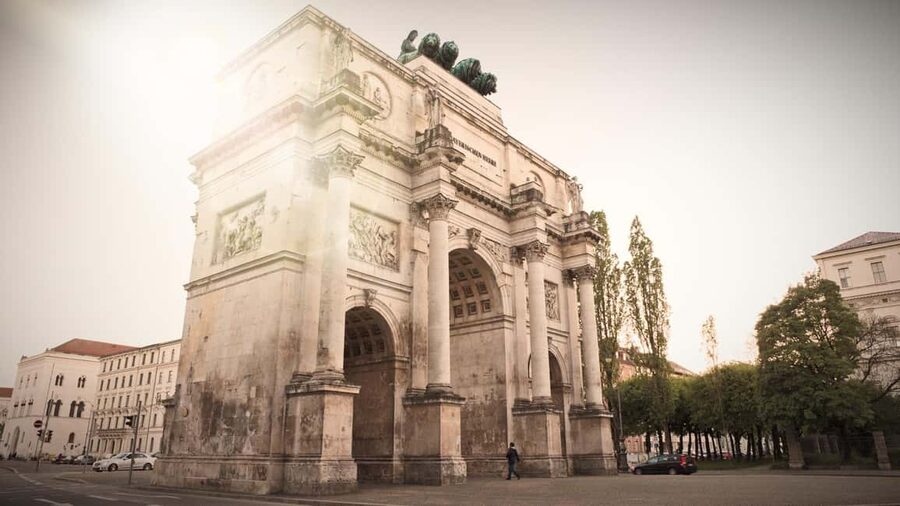
Munich turns odd in the best way. This walking tour through Schwabing is part street-history, part people-watching, and part reality check on the neighborhood myths that still cling to it. I liked the way guide Max keeps the stories grounded in what you can actually see outside your window.
Two things I especially enjoyed. First, the tour is led by a local Schwabing guide, so the anecdotes feel lived-in, not like a script. Second, you get historical photos and on-site comparisons that make the district’s changes feel immediate, even when you only walk for a short time.
One consideration: the tour is on foot in all weather and it runs in German. If you hate walking in rain or you need English throughout, plan accordingly.
In This Review
- Key highlights worth knowing
- Why Altschwabing works better on foot than by bus
- Meet at Münchner Freiheit, then start with a Deubl Glas Cube drink
- Walking time, group pace, and what the 1.5 to 3 hours really buys you
- Altschwabing across eras, from bohemian ideas to village calm
- Old photos on-site: how the comparisons make history stick
- Cabaret and party legend stops, Schwabinger 7, Crash, Drugstore
- The bohemian warning: enjoy the myth, but stay grounded
- Romantic farms near Munich’s most famous mile
- Guide Max: what makes this tour feel truly local
- Price and value: what $27 includes, and why it feels fair
- Weather and walking essentials, since it runs in all weather
- Language reality: you’ll hear German, and that shapes how to enjoy it
- Who should book this Schwabing walk
- Should you book Schwabinger Max?
Key highlights worth knowing
- Yellow-shoulder-bag guide at Münchner Freiheit so you can find the group fast
- Welcome drink at the Deubl Glas Cube (beer, soft drink, coffee, or tea)
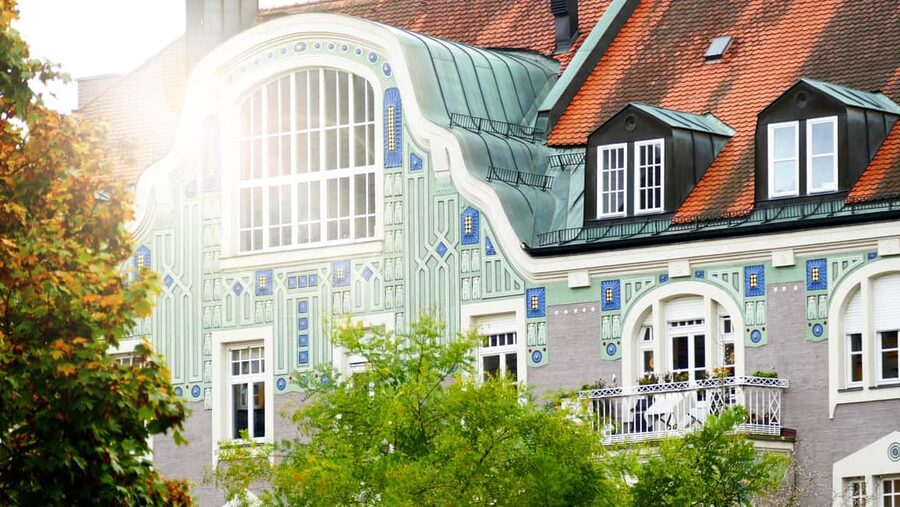
- Time travel through Altschwabing from quiet village days to cabaret and party fame
- Nightlife references with local flavor, including Schwabinger 7, Crash, and Drugstore
- Old photos and cards matched to real locations, so you see how the streets changed
- Weatherproof planning since it’s an outdoor, all-weather walk
Why Altschwabing works better on foot than by bus
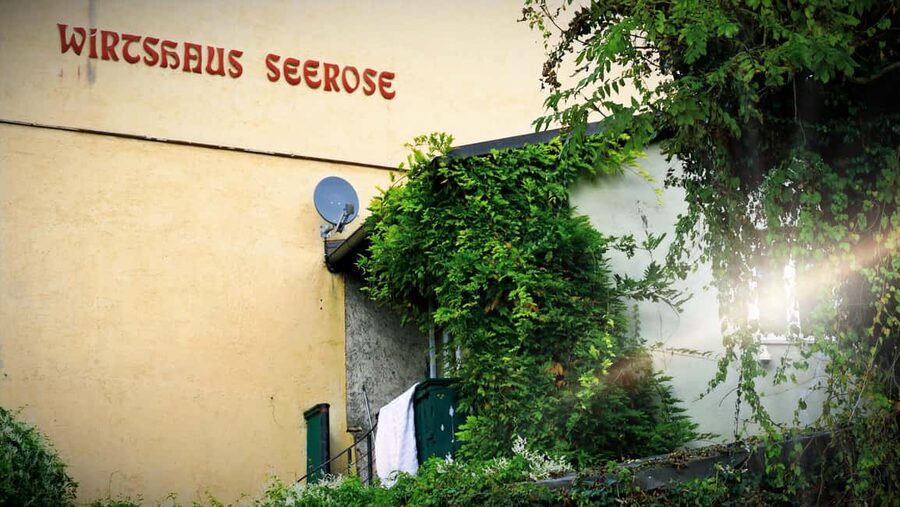
Schwabing is one of those Munich neighborhoods that sounds more mythical than it looks. On this tour, you trade the vague legends for concrete street corners and real building facades, so the “bohemian” story becomes something you can picture, not just repeat.
You also get a smart mix of tones. The tour brings you close to the artist-and-rebel mindset, and then nudges you to think critically about it, because not every romantic myth is harmless. That blend makes the walk feel like a conversation with someone who knows the area well enough to poke holes in the hype.
Also holding a platform in Munich
- From Munich: Neuschwanstein & Linderhof Castle Full-Day Trip
★ 4.6 · 14,646 reviews - Neuschwanstein & Linderhof Castle-Fairytale Day Tour from Munich
★ 4.5 · 7,275 reviews - Munich: Third Reich & WWII Walking Tour
★ 4.6 · 6,181 reviews
Meet at Münchner Freiheit, then start with a Deubl Glas Cube drink
The tour meeting point is easy to spot once you know what to look for. You meet in front of the 24h kiosk in the Deubl Glas Cube at the Münchner Freiheit bus stop, and Max will be wearing a yellow shoulder bag.
That first stop matters more than it sounds. A welcome drink at the Deubl Glas Cube (beer, soft drink, coffee, or tea) helps you settle into the group energy before you head out, and it gives you a calm start instead of a rushed scramble. It’s also a good moment to ask quick questions about what pace to expect, since the whole thing is on foot.
The practical upside: if you’re using public transit, Münchner Freiheit is a natural hub. You can arrive, meet your guide, and get moving without turning the start into a mini expedition.
Walking time, group pace, and what the 1.5 to 3 hours really buys you
The tour lasts about 1.5 to 3 hours, depending on timing. That range is useful because it means you can fit it into a half-day plan without sacrificing your entire afternoon.
In a neighborhood like Altschwabing, walking time is the whole point. You can’t “see” a creative district from a single landmark. You need those short segments between streets, where you notice how the vibe changes block by block, and where the guide can point out the small details that explain the bigger reputation.
You should expect comfortable walking shoes and frequent looking up. Even if you keep a relaxed pace, this kind of storytelling works best when you’re attentive, ready to compare what you’re hearing with what you’re standing next to.
Altschwabing across eras, from bohemian ideas to village calm
The tour’s main engine is time travel, and it moves in a clear sequence. You start with Altschwabing as the heart of Munich’s creative district, where painters, poets, and free spirits helped shape the neighborhood’s identity.
Then the story pulls back to earlier village life, when Schwabing was still a calmer community. That contrast is key. A lot of visitors only encounter Schwabing through modern impressions, or through the stereotype of artists roaming around at night. Seeing the earlier, quieter period helps you understand why the later reputation took hold so strongly.
Finally, the timeline turns toward cabaret and then toward the district’s party-mile era. You’re not just collecting names. You’re learning how the neighborhood’s social “role” evolved, which is why the same streets can feel different depending on which era you attach to them.
Old photos on-site: how the comparisons make history stick
One of the most enjoyable parts is the use of historical photos for direct on-site comparison. Instead of treating history like a lecture, the guide shows images and lines them up with the current scene.
That method works because it forces you to notice specifics. You stop thinking in generalities like “the area changed” and start seeing evidence: angles, street positions, and how the neighborhood’s face has shifted over time.
I also liked that it turns questions into something tangible. When you’re holding a visual reference in one hand and looking at the same kind of facade outside with the other, it becomes easier to ask, and easier for your guide to answer clearly.
Onward connections from Munich:

Cabaret and party legend stops, Schwabinger 7, Crash, Drugstore
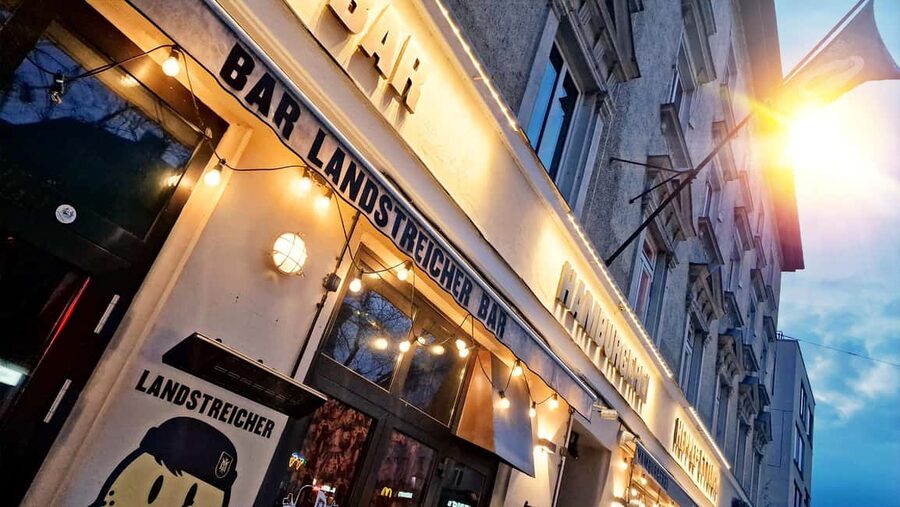
Schwabing has a nightlife reputation, and this tour points you to the references that keep coming up when locals talk about the past. You’ll follow the legendary party scene, including stops associated with Schwabinger 7, Crash, and Drugstore.
What’s valuable here is not the checklist of famous names. It’s the explanation of what those scenes meant culturally. Cabaret and nightlife in Schwabing weren’t only about going out. They were part of how people performed identity, gathered communities, and kept the bohemian story alive in public.
You’ll also get a sense of why this “cult district” feeling persists. Even if venues change, the neighborhood still carries echoes in the streetscape and in local memory. That’s exactly the kind of detail that makes a short walk feel richer than a longer, more standard sightseeing route.
The bohemian warning: enjoy the myth, but stay grounded
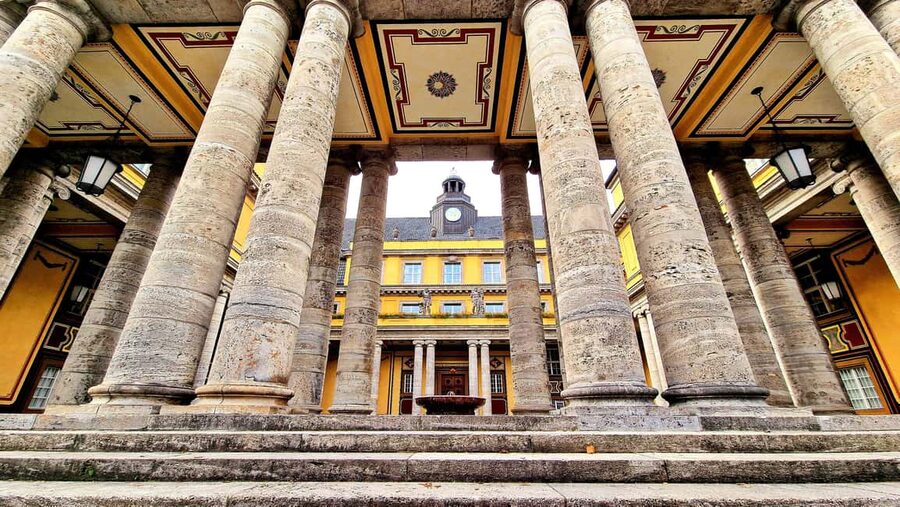
The tour’s tone includes an amusing warning: be careful not to fall for the delusional states of the bohemian. It’s playful, but it’s also practical.
Here’s how to think about it. If you arrive in Schwabing expecting an endless parade of romance and rebellion, you can miss what’s actually going on around you. The guide nudges you to enjoy the legend while also reading the room, so you understand how the neighborhood’s image can distort what people wanted, what they feared, and what they tried to hide.
That attitude keeps the tour from becoming pure nostalgia. You get entertainment, yes, but you also learn to treat the past as something that shaped behavior, not something that simply looks pretty in hindsight.
Romantic farms near Munich’s most famous mile
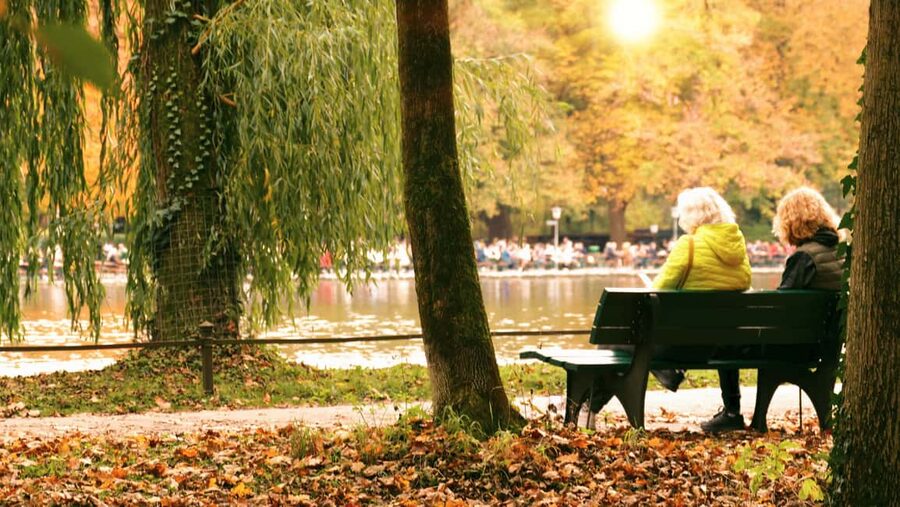
Not everything in Schwabing stories stays inside dense streets. The tour also includes romantic farms not far from Munich’s most famous mile.
This is a smart way to balance out the darker, more nightlife-leaning themes. It gives you a breather and it reminds you that Munich’s center does not have to be only concrete and crowds. You can see how the district’s creative mythology coexists with quieter, more pastoral pockets nearby.
Even if you don’t have time to explore the countryside on a separate day, this is an efficient way to get that contrast in the same outing.
Guide Max: what makes this tour feel truly local
Max is the star here. He’s a native of Schwabing, and his delivery comes through as authentic and natural, not forced.
From the experience of being out with him, what you’ll likely value most is how he connects stories to the physical neighborhood. One of the best compliments about his approach is that he knows lots of Schwabing specifics and can answer questions without hesitation. You’re not just hearing facts. You’re getting explanations that help you interpret what you’re looking at.
Also, you can take the “rain test” as a real indicator. The tour runs in all weather, and you’re not likely to get the kind of half-hearted slowdown that ruins the mood. If the sky turns gray, you’ll still be walking with intent and listening with purpose.
If you like his style, you may also hear references to his other tours, including a Monaco Franze-themed one. That’s a good sign that he’s not just reciting one era, he’s building a larger picture of Munich through different lenses.
Price and value: what $27 includes, and why it feels fair
At about $27 per person for 1.5 to 3 hours, this isn’t a “budget snack” tour, but it also isn’t priced like a premium private guide. The value comes from what’s included:
- A local guide who is native to Schwabing
- Neighborhood secrets and on-street storytelling
- A welcome drink at the Deubl Glas Cube
- Historical photos for direct on-site comparison
A free drink alone can make the total feel more reasonable if you were already planning to grab coffee or a beer nearby. The bigger value is the photo comparison and the time-spanning narrative, because those elements are difficult to recreate on your own unless you already know where to look.
What’s not included: food costs on the go. That means you should plan to cover snacks or a meal separately if you need something while walking. Tips for the guide are optional, so you can decide based on your comfort and satisfaction level.
Weather and walking essentials, since it runs in all weather
This is an outdoor tour. It takes place on foot and in all weather, so bring weatherproof clothing and comfortable shoes.
I’d treat this like a real “wear it for walking” decision, not a casual recommendation. Munich weather changes fast, and this kind of neighborhood exploration depends on staying upright and comfortable long enough to follow the story from stop to stop.
If you’re traveling in winter or shoulder season, dress for dampness and cold. Even if the tour stays upbeat, your enjoyment drops fast when your feet are soaked or your coat isn’t doing its job.
Language reality: you’ll hear German, and that shapes how to enjoy it
The tour is guided live in German. Some content may be shown in its original language, which is normal for this kind of neighborhood tour.
If you speak German, you’ll likely have an easier time catching the quick turns and the humor. If you don’t, you can still enjoy a lot of it because the photo comparisons and the visible street context carry a big chunk of meaning, but you should expect more reliance on visuals and short Q and A moments.
A simple strategy: bring a phone translation app and use it only when you truly need it. Too much translating can break the flow.
Who should book this Schwabing walk
This tour is a strong fit if you like neighborhoods that have personality, not just landmarks. You’ll enjoy it if you want an insider look at Altschwabing, including the bohemian creative streak, the cabaret era, and the nightlife mythology tied to Schwabinger 7, Crash, and Drugstore.
It also suits you if you appreciate history that you can see in place, thanks to the historical photos for on-site comparison. That’s especially good if you prefer small moments over big museum days.
It’s not suitable for children under 12, so keep that in mind if you’re traveling with younger kids.
Should you book Schwabinger Max?
Yes, if you want a short, focused walk that explains Schwabing beyond stereotypes. The combination of a native guide, a welcome drink at Deubl Glas Cube, and old photos matched to real locations gives you value that’s hard to replicate with casual wandering.
Book it if you’re comfortable walking for up to about three hours and you can handle German narration, or you’re okay letting the streets and visuals do part of the work. Skip it if you need an English-only guide or you’re not up for all-weather walking.
If Schwabing is on your Munich list and you want the neighborhood behind the headlines, this is one of the more practical ways to get there.
Fresh on the arrivals board for Munich


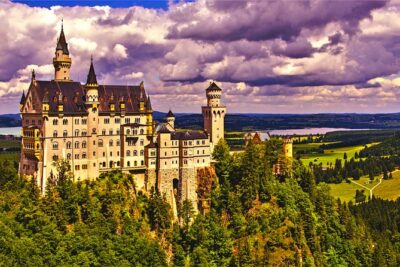
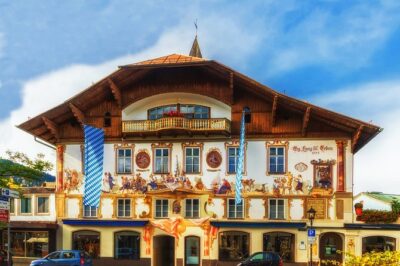
Munich Tours & Activities, compared.
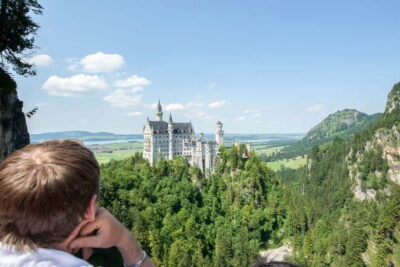
Neuschwanstein & Linderhof Castle Full-Day Trip
Read our review →
Neuschwanstein & Linderhof Castle-Fairytale Day Tour from Munich
Read our review →
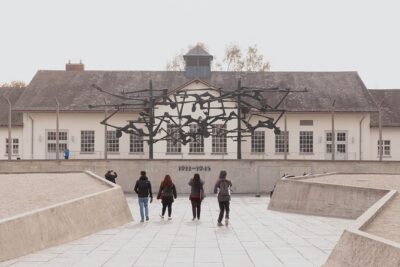
Dachau Concentration Camp Memorial Site Tour from Munich by Train
Read our review →
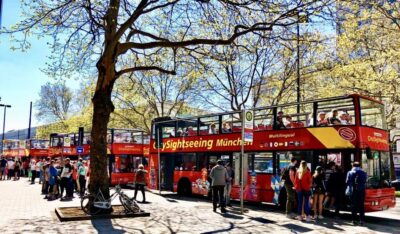
Munich Hop-On Hop-Off Tour: 1-Day or 2-Day Ticket
Read our review →
Browse the lists this tour appears in