
Reviewed · POTSDAM TOURS & ACTIVITIES
Potsdam: Entry to DAS MINSK Kunsthaus in Potsdam
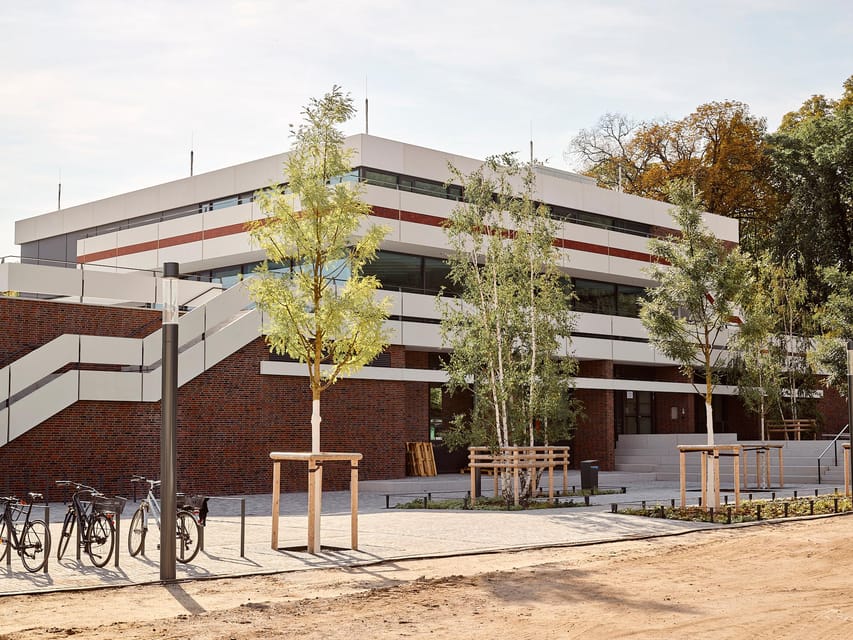
A trip to DAS MINSK can feel like art history with fresh air. In Potsdam, this former GDR terrace restaurant has become a Kunsthaus for changing shows of modern and contemporary work, including art tied to the former GDR.
I especially like how the building itself matters, the modernist architecture turns the visit into more than just looking at objects.
You’ll also enjoy the current group show, Soft Power, which uses textile design to question power relations in three chapters. One potential drawback: the tone can be heavy and emotionally intense, and you may want to plan for a self-guided visit that still leaves you wanting more context or orientation.
In This Review
- Key things I’d zero in on before you go
- DAS MINSK in Potsdam: From GDR Terrace Restaurant to Art House
- What you’ll see: Changing exhibitions with modern and contemporary focus
- Soft Power and textile design as a political tool
- The Hasso Plattner Collection angle: GDR works in fresh contexts
- Walking the building: architecture and urban history you can feel
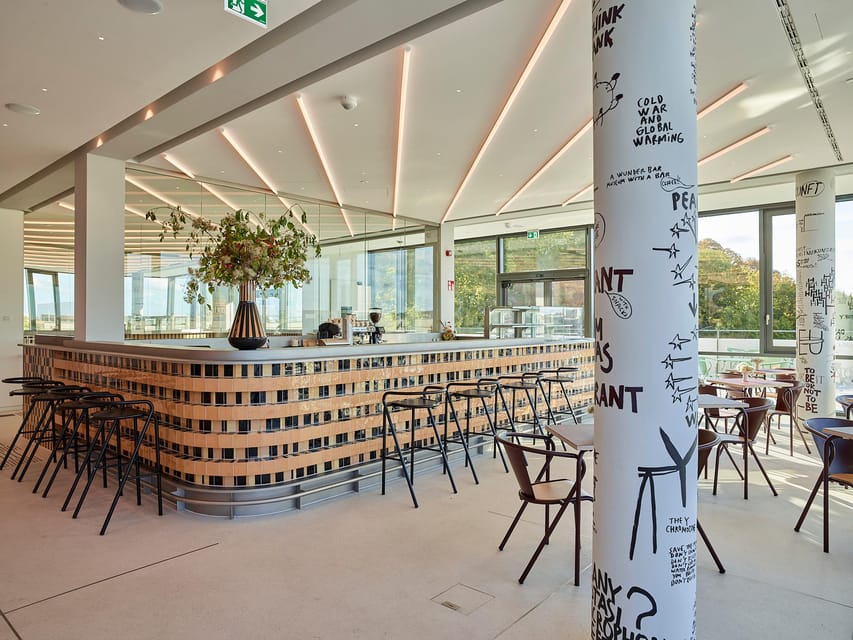
- Café HEDWIG: a real reason to stay past the last room
- Tickets, pace, and how to get the most from a 2-hour visit
- Price and value: how $11 buys a strong, focused experience
- Who should book DAS MINSK Kunsthaus, and who might want to skip
- Should you book DAS MINSK Kunsthaus in Potsdam?
- FAQ
- How long is the DAS MINSK visit?
- How much does it cost?
- What is included in the ticket?
- Are guided tours included?
- Can I skip the ticket line?
- Is it wheelchair accessible?
- What exhibition is currently shown in spring?
- Is there a café on site?
Key things I’d zero in on before you go
- A GDR-era modernist space, turned into an art house in Potsdam
- Soft Power in three chapters, focusing on textile design and power relations
- Artworks from the former GDR shown through new exhibition contexts
- Self-guided pacing for a visit that works well in about 2 hours
- Café HEDWIG for lunch, cakes, and coffee, with terrace views in summer
- Art mood check if you prefer lighter themes, the presentation can feel dark or unsettling
DAS MINSK in Potsdam: From GDR Terrace Restaurant to Art House
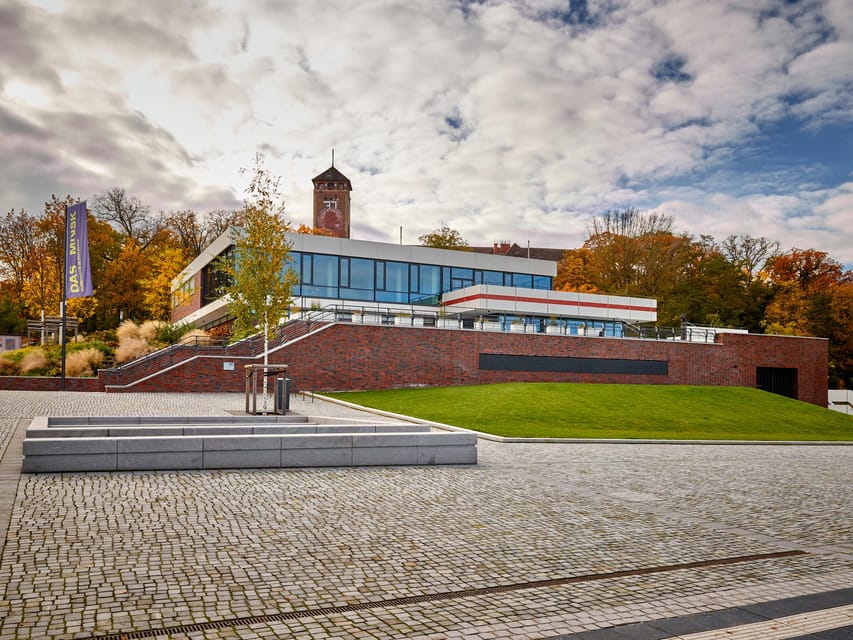
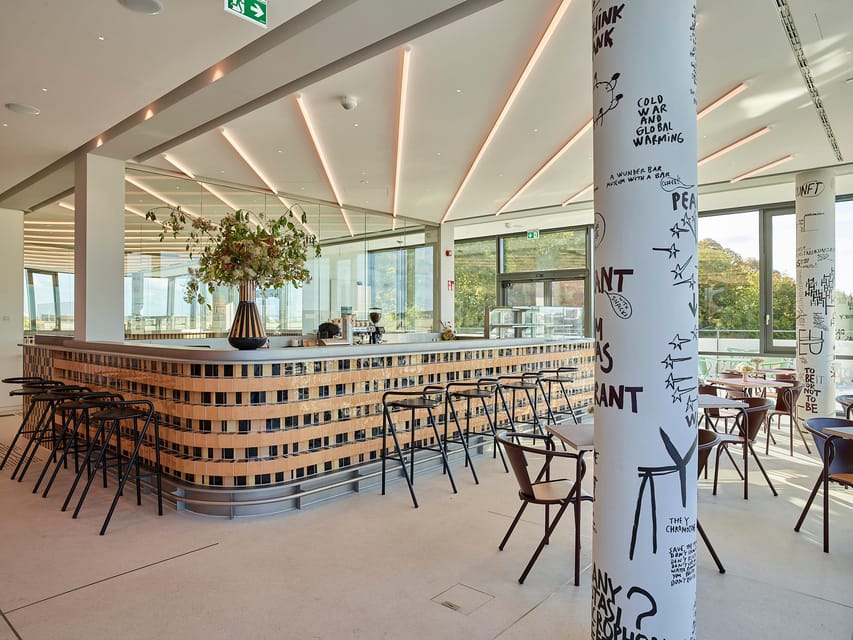
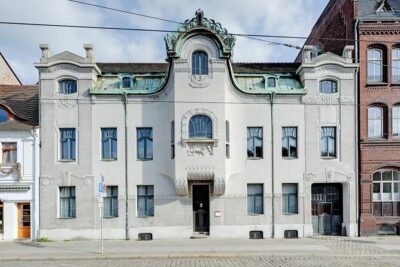
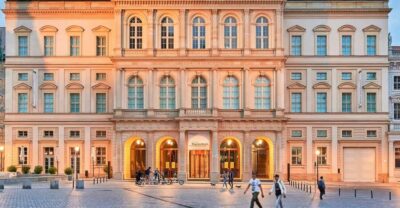
If you like places where the walls have something to say, DAS MINSK hits a sweet spot. The site used to be the terrace restaurant Minsk, built in the 1970s with a modernist look that feels very specific to the GDR era. Now, that same space is repurposed for art that’s meant to spark conversation, not just admiration.
I like that you are not only viewing art inside a museum, you’re also walking through an architectural shell that carries its own story. That makes the experience feel grounded in Potsdam and in the urban history of the city’s East German past.
Another practical plus is that this is not a huge, all-day commitment. The experience is built for a roughly 2-hour visit, so you can slot it in without wrecking your day or forcing you to “power through” rooms.
Also holding a platform in Potsdam
- Potsdam: City and Castles Tour
★ 4.7 · 3,721 reviews - Potsdam: Palace Tour by Boat
★ 4.5 · 2,369 reviews - Potsdam: Sanssouci Palace and Prussian Palaces Entry Ticket
★ 4.5 · 2,101 reviews
What you’ll see: Changing exhibitions with modern and contemporary focus
A big part of the appeal is the rhythm of changing exhibitions. DAS MINSK is designed to host modern and contemporary art, so your visit is likely to feel like a snapshot of what the Kunsthaus wants to spotlight right now.
This matters because the building is already a conversation starter. When the exhibition changes, the entire place feels different, as if the museum is asking, what does this room do to the art you see, and what does the art do to the room?
You can also expect works that connect to the former GDR. Those artworks are part of the Hasso Plattner Collection, and they show up here in new contexts rather than as a static historical display. The effect is that you’re not only reading the past, you’re seeing how the past can still be interpreted through contemporary curatorial choices.
Soft Power and textile design as a political tool
The current spring highlight is the group exhibition Soft Power. The key idea is that textile design is treated as more than decoration or craft. Here, it’s used as an artistic means of expression, and it’s explicitly framed as a way to question power relations.
The show is organized into three chapters, so you should expect the theme to unfold in sections rather than in one continuous wall of art. That structure helps if you like a clear “argument” as you move through a room. Instead of wondering what you’re supposed to be thinking, you can track how the exhibition reframes control, influence, and authority through textile-based artistic language.
If you’re the kind of person who enjoys symbolism, textures, and material choices, this is a good fit. Textiles are tactile by nature, and when they become part of a serious concept, they can make the message feel more personal and less abstract than a purely visual medium.
One thing to keep in mind: exhibitions that interrogate power relations can carry a heavier emotional weight. Even if you don’t find every piece equally compelling, the theme may still leave an impression.
The Hasso Plattner Collection angle: GDR works in fresh contexts
Many museum visits about history are either strictly chronological or strictly explanatory. DAS MINSK does something different. It brings artworks from the former GDR into the spotlight and places them into new exhibition contexts.
For you, that means you are not just watching the past get categorized. You’re seeing how those works can speak to questions that connect to the present, including how systems shape daily life and personal expression. That can be more engaging than a purely documentary approach because it asks you to interpret rather than only to memorize.
This is also a good setting for readers who like modern and contemporary art, but who want the historical layer without it taking over the entire visit. You get the art, you get the references, and you get a clear reason for why the collection belongs in this room.
Walking the building: architecture and urban history you can feel
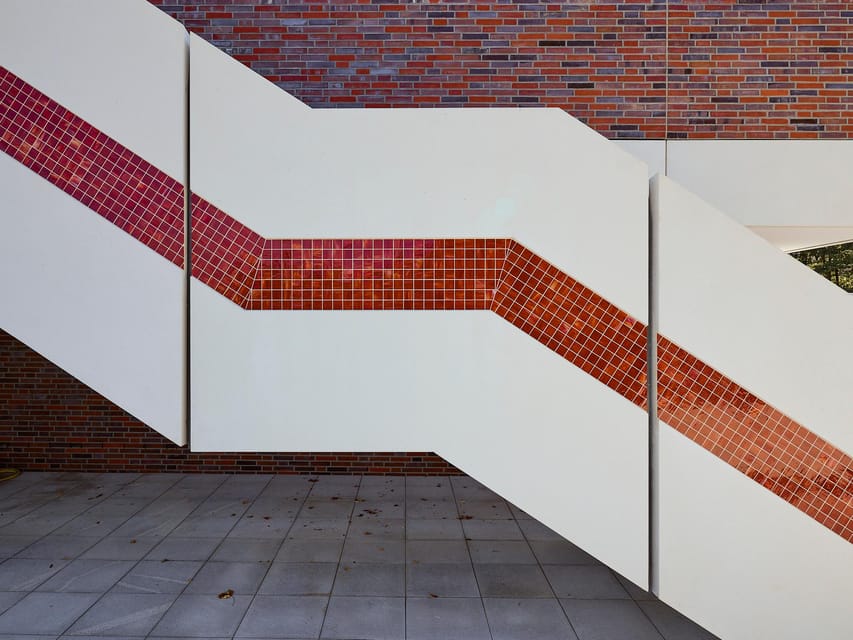
Since the former Minsk terrace restaurant dates to the 1970s and follows modernist GDR style, the museum experience includes a built-in layer of architectural context. Even if you don’t read every label, you’ll still sense that the space was designed for a different kind of gathering than a gallery is.
That contrast is part of the point. This Kunsthaus functions as a place of encounter between art and people, and the building helps explain why. A terrace restaurant suggests social contact, informal meetings, and casual community. An art house suggests reflection, attention, and interpretation. When the building switches identities, you naturally start noticing how the museum asks you to slow down.
If you’re visiting Potsdam for the broader story of the city, I’d treat DAS MINSK like a “small stop with big context.” It’s not trying to be the only place you learn history, but it gives you a smart lens on urban and cultural change.
Onward connections from Potsdam:
Café HEDWIG: a real reason to stay past the last room
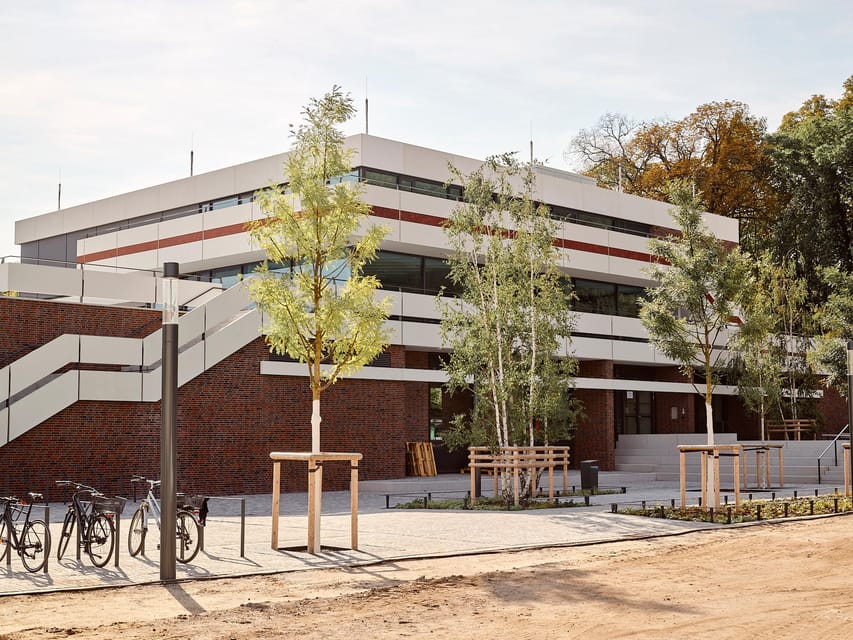
I love when museums make it easy to take a pause. Café HEDWIG is on-site and offers lunch, cakes, and coffee, which means you can keep the visit relaxed instead of feeling forced to rush.
The café also has terraces that, in the summer months, offer a great view over the city. Even if you plan to keep art as your main focus, this is a good way to recharge your head and reset your mood after you’ve seen the heavier themes of Soft Power.
Practical note based on what I’d expect from your day planning: if you have a choice of timing, aim for an hour where you’re not racing. Eat first or later, but don’t squeeze it so tight that you miss the chance to enjoy the atmosphere.
Also worth mentioning: one visitor specifically highlighted the toilets as gender-friendly, which is a small detail that can matter more than you’d think once you’re on the move.
Tickets, pace, and how to get the most from a 2-hour visit
This experience is simple by design. You get an entry ticket to the exhibitions, and that’s the core of your visit. Guided tours, events, and workshops are not included, so you should expect a self-guided route.
That setup is great if you like your own pace. At about 2 hours, you can move at an art-viewer’s speed instead of a group-rush speed. You can stop, step back, read labels when you want, and skip sections when you need to refocus.
Still, I’d be honest with myself before I go: if you prefer more hand-holding, you may feel like you’re missing an introduction. One booking feedback mentioned that instruction was lacking until after asking, and suggested that an audio companion could help. If you know you thrive on context, check what support options are available on-site when you arrive, then decide whether you want them.
For best results, I’d do this:
- Start with the exhibition that’s currently named, Soft Power, so you get the theme clearly.
- Then spend time on GDR-related works in the way they’re placed in this space, since the context is part of the value.
- Leave 15 to 30 minutes for the café, not as an afterthought, but as a clean ending to the visit.
Price and value: how $11 buys a strong, focused experience
At about $11 per person, the price feels fair for what you’re getting: entry to changing modern and contemporary exhibitions in a historically meaningful building, plus the option to add food and views via Café HEDWIG.
The value isn’t just the art content. It’s also the setting and the pacing. Two hours is enough time to engage without needing a full half-day plan, and that makes it easy to pair with other Potsdam stops.
Compared with museums that take most of your day, DAS MINSK is a smart choice when you want something thoughtful but efficient. And if you’re someone who appreciates material-driven art and political framing through design, Soft Power gives you a clear reason to be there rather than a vague browse-and-hope.
Who should book DAS MINSK Kunsthaus, and who might want to skip
This is a good match if you:
- Like modern and contemporary art, especially when it connects to real political and cultural questions
- Enjoy exhibitions organized by theme and concept, not just a list of artworks
- Want a museum experience that mixes art with architecture and urban history
- Would use the café break as part of your day plan
It may not be the best fit if you:
- Strongly prefer lighter themes and upbeat moods
- Want a fully guided experience where someone narrates the meaning start to finish
There is enough structure built into the exhibition format and the current Soft Power framing that you’ll still get something even if you don’t read every label. But if you know you hate ambiguity, you might want to plan for whatever interpretive support is available on-site.
Should you book DAS MINSK Kunsthaus in Potsdam?
I’d book it if you want a compact, meaningful art stop with a strong sense of place. The former Minsk terrace restaurant gives you a built-in layer of context, and Soft Power offers a focused thematic reason to look closely. Plus, Café HEDWIG is a practical win, especially with the terrace views in summer.
I would hesitate only if you know you avoid heavy or dark presentations. The exhibition theme is about power relations, so emotional tone is part of the deal. If that works for you, this is excellent value for a couple of hours in Potsdam.
FAQ
How long is the DAS MINSK visit?
The duration is about 2 hours.
How much does it cost?
The price is $11 per person.
What is included in the ticket?
Your ticket includes entry to the exhibitions.
Are guided tours included?
No. Guided tours, events, and workshops are not included.
Can I skip the ticket line?
Yes, the experience includes skip-the-ticket-line access.
Is it wheelchair accessible?
Yes, it is wheelchair accessible.
What exhibition is currently shown in spring?
The spring group exhibition is Soft Power, focusing on textile design as an artistic means of expression across three chapters.
Is there a café on site?
Yes. Café HEDWIG offers lunch, cakes, and coffee, and the terraces can offer city views in summer months.
Fresh on the arrivals board for Potsdam
Potsdam Tours & Activities, compared.
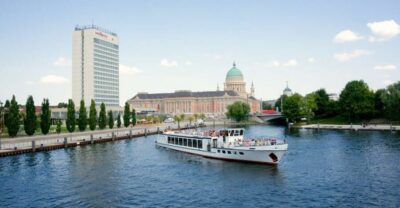
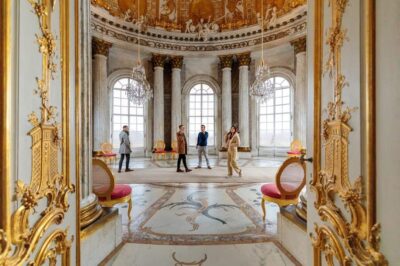
Sanssouci Palace and Prussian Palaces Entry Ticket
Read our review →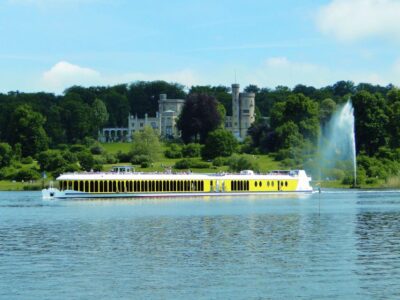
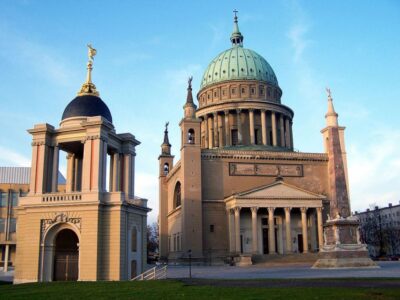
City and Palaces Tour Potsdam – Stadt- und Schloesserrundfahrt Potsdam
Read our review →
City Sightseeing Potsdam Hop-On Hop-Off Bus Tour
Read our review →Browse the lists this tour appears in