
Reviewed · WINE TOURS
Organic wine discovery tour with tasting at the Mohr-Gutting organic winery (Palatinate)
Fresh air, real wine work, and a warm family welcome.
This organic wine discovery tour at Bio-Weingut Mohr-Gutting in the Palatinate feels hands-on from the start, with a welcome glass of sparkling organic Prosecco and an actual walk-through of how the winery runs day to day. You also get a cellar visit that makes organic wine production feel tangible, not abstract, plus a guide who explains the why behind the farming choices.
What I like most is the tasting structure: four selected organic wines, including a future wine, tied together with on-the-spot context (and a Palatinate Federweißer moment that the guide introduces with real passion). The only thing to plan for is mobility, because the tour includes cellar stairs and it is not wheelchair accessible.
In This Review
- Key highlights to look for
- Organic winemaking at Bio-Weingut Mohr-Gutting, Palatinate style
- Welcome glass and the start in the wine press house
- The wine cellar walk: barrels, stories, and organic choices you can taste
- Federweißer in the Palatinate: a quick stop that changes the whole mood
- Four organic wines, including a future wine, plus snacks and water
- Price and value: why $21 is more than a cheap tasting
- Language, timing, and what to expect from the pacing
- Who should book this tour, and who should skip it
- Should you book the Mohr-Gutting organic wine discovery tour?
- FAQ
- How long is the organic wine discovery tour at Mohr-Gutting?
- What do I get during the tour?
- What wines are included in the tasting?
- Is there a Federweißer part of the tour?
- Is the tour wheelchair accessible?
- Can children join the tour?
- What language is the tour in?
- Is the tour suitable for pregnant women?
Key highlights to look for
- Welcome sparkling organic Prosecco to set the tone right away
- Press house to wine cellar route, so you see wine making steps, not just a tasting room
- Organic and sustainable viticulture explained in plain language
- Palatinate Federweißer introduction with extra care and enthusiasm
- Four wine tastings, including a future wine, plus water and snack sticks
- Personal attention from the winemaking family, with time for questions
Organic winemaking at Bio-Weingut Mohr-Gutting, Palatinate style
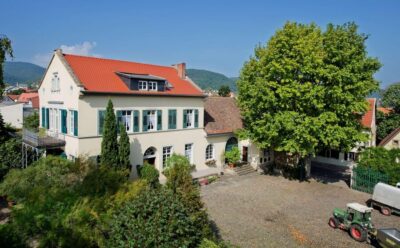
If you want wine tasting that feels tied to real work, this tour is a strong choice. It is built around the everyday rhythm of an organic winery, not around flash. The vibe is family-run and friendly, and it shows in how the guide talks to you like a person, not a ticket number.
Located in Rhineland-Palatinate, the Palatinate wine region is perfect for this kind of small-scale, practical tour. You get the sense that organic choices are not just marketing. They affect how grapes grow, how the winery plans, and how the final wine tastes in the glass.
The guide at Mohr-Gutting is Frau Simone Gutting. In the way she guides the experience, you can tell she has done the explanation many times, but she still makes it feel personal. She takes time for your questions, and the tour stays lively and clear, even when you ask about details like how red grapes can lead to different styles.
You should come ready for a straightforward, no-rush tasting and a real behind-the-scenes winery walk. You will be close to the process, including areas connected to pressing and the cellar, where the work is less polished and more honest.
More German kitchens, doors open:
- Neustadt: Wine tasting with cellar tour and vineyard visit
★ 4.8 · 5 reviews
Welcome glass and the start in the wine press house
The tour begins with a welcome glass of sparkling organic Prosecco. It is a simple start, but it matters. It gets you relaxed and in the right mood for the rest of the tour, and it also signals the focus of the experience: organic wines, not just a generic tasting.
From there, you head through the winery areas, starting with the wine press house. This is where the tour earns its “discovery” name. Instead of jumping straight to bottles, you see where grapes meet the start of transformation. Even if you are not a wine technical person, you will pick up the basic logic of the process and why organic viticulture matters later on.
Expect explanations that connect the dots: how organic growing is not only about avoiding certain inputs, it is about how grapes develop their character. You also learn how red grapes can create very different styles, including light Blanc de Noirs, fresh rosé, and classic red wine.
This is a great moment to ask questions. The pace works well for that, and Frau Simone Gutting is the kind of guide who answers without brushing you off. If you come with curiosity, you will leave with a few new mental bookmarks you can use when you taste wine back home.
The wine cellar walk: barrels, stories, and organic choices you can taste
The cellar is where the tour becomes truly memorable. You will move through the winery to the wine cellar and see the barrels, which the guide treats like characters with stories. That framing helps, because it turns a technical space into something understandable.
This part of the tour focuses on how the winery makes space for different wine outcomes. You learn how red grapes can end up as different styles, and you see how production decisions show up later. You are not just looking at equipment. You are getting the reasoning behind it.
Organic production comes up in a practical way. You do not need a chemistry degree to follow along, because the explanation stays grounded. The guide ties organic and sustainable viticulture to the end product, and you will start noticing that the tasting is not random. It is curated to show differences you can actually feel.
The cellar visit also sets expectations for what you should wear and bring. This is a working winery space with stairs, so think about comfortable shoes. The tour includes cellar stairs and is not wheelchair accessible, so plan your footing.
After the cellar tour, you are ready for tasting, but the nice part is that you are not going in blind. You have context from the press house and the walk through the winery spaces, which makes each wine more meaningful.
Federweißer in the Palatinate: a quick stop that changes the whole mood
One of the tour’s special highlights is the Palatinate Federweißer. You do not just see it mentioned. It is introduced with a lot of passion, and it functions like a palate and education moment rolled into one.
Even if you are not sure what to expect, this is the kind of local detail that makes a regional tour feel real. The Palatinate has its own wine culture, and Federweißer is part of that. Including it here is a smart move because it links the winery story to something the region actually cares about.
What I like about this stop is that it breaks the “only tasting bottles” routine. You get a local focus before the formal four-wine tasting. That creates a sense of progression: welcome, context through the winery walk, then a regional taste moment, and then the structured tasting of selected organic wines.
It is also a good point to slow down mentally. Ask how the winery thinks about this expression and where it fits among their releases. With a guide like Frau Simone Gutting, you are likely to get a friendly, direct answer rather than a rehearsed speech.
Four organic wines, including a future wine, plus snacks and water
The tasting portion is designed to be clear and satisfying. You will taste four selected organic wines from the winery’s range, and one of them is a future wine. That detail matters because it shifts the tasting from purely present-day sipping to a more future-facing view of the cellar.
A future wine tasting is valuable even if you do not consider yourself a wine nerd. It helps you understand that wineries are always working on more than the labels on the counter. You get a glimpse of how the winery thinks in timelines, not just in bottles.
Alongside the wines, you get water and small snack sticks. This is practical and smart. It keeps you comfortable during a 90-minute experience, especially if you are sensitive to tasting too fast. It also makes the tour feel hospitable rather than rushed.
As you taste, the earlier explanations start paying off. You learn to listen for differences tied to style, and you remember what you saw in the cellar. That is the real advantage here. The tour is not only about swallowing wine. It is about building your tasting instincts through context.
If you like guided tastings that keep things friendly and specific, this format is a good match. If you prefer self-guided wine drinking with no structure, you might find the guided flow a bit much. But given the price and the cellar visit, the guided structure is part of what makes this value work.
Price and value: why $21 is more than a cheap tasting
At about $21 per person for a 90-minute tour, you are paying for more than a glass or two. You get:
- a welcome glass of sparkling organic Prosecco
- a guided tour of the winery including the wine cellar
- tasting of four selected organic wines, including a future wine
- water and snack sticks
- personal attention from the winemaking family
That bundle changes the math. Many “tastings” in wine regions are just a pour session in a room. Here, your time includes a meaningful walk through production spaces. You also get guided interpretation, and the tasting is supported by explanations about organic viticulture and wine styles.
The other value factor is the family feel. When the guide takes time for questions, that is not just personality. It means you can clarify what you are tasting and why it exists. From the tone of the tour, it feels like you are learning, not performing.
So yes, the price is budget-friendly for what you receive, but the better point is that the tour feels well-matched to the time. Ninety minutes is long enough to learn a few real things and taste carefully, but short enough that it does not drag.
Language, timing, and what to expect from the pacing
The tour is guided in German. If you speak basic German, you will probably have an easier time catching the reasoning. Even without fluency, you can still follow because the experience is structured around a physical route and a clear tasting order. Wine tours like this rely on repetition of key ideas, like what organic viticulture means and how different styles come from red grapes.
The duration is about 90 minutes, so plan to arrive a few minutes early. The welcome Prosecco sets the tone, then you move through the winery and cellar. The tasting comes at the end, supported by water and small snacks.
A nice bonus for people who hate rigid planning is that it can be booked at short notice, and it is described as perfect for small groups. That usually helps with the quality of the question-and-answer time, and it keeps the family atmosphere intact.
Who should book this tour, and who should skip it
This is a good fit if you like organic wine that comes with context, and you want a guided tour that stays practical. You will enjoy it more if you are curious about how organic viticulture connects to wine style, not just the taste.
It is also a strong choice if you value personal exchange. With Frau Simone Gutting guiding, the tour is clearly designed for a friendly back-and-forth, including time for your questions.
But there are clear limitations:
- The tour is not suitable for children under 16.
- Kids are welcome to come, but they will not get any alcohol.
- It is not suitable for pregnant women.
- It is not wheelchair accessible due to cellar stairs.
If any of those factors apply, you should look for another option that better matches your needs. For everyone else, this is the kind of tour that can turn a casual wine stop into a real learning moment, without turning it into a lecture.
Should you book the Mohr-Gutting organic wine discovery tour?
I would book this if you want a compact, high-value experience in the Palatinate that combines a real winery walk with a structured organic tasting. The $21 price makes sense because you get a welcome Prosecco, a cellar visit, and four organic wines including a future wine, plus water and snacks.
I would also choose it if you like guides who explain with patience. Frau Simone Gutting’s style is described as very engaging, with personal attention and time for questions, and that matters because it helps you get more out of each pour.
Skip it if you cannot handle cellar stairs, if you need an alcohol-free setting for younger kids (the tour is not for under-16), or if it is not suitable for your situation. For the right traveler, this is an easy yes, especially if you prefer authentic, family-run wine experiences over scripted, high-volume tastings.
FAQ
How long is the organic wine discovery tour at Mohr-Gutting?
The tour lasts about 90 minutes.
What do I get during the tour?
You get a welcome glass of sparkling organic Prosecco, a guided winery tour, tasting of four selected organic wines, plus water and snack sticks.
What wines are included in the tasting?
The tasting includes four selected organic wines from the winery range, including a future wine.
Is there a Federweißer part of the tour?
Yes. The Palatinate Federweißer is introduced during the tour.
Is the tour wheelchair accessible?
No. The tour is not wheelchair accessible because there are cellar stairs.
Can children join the tour?
Kids are welcome, but they will not receive any alcohol. The tour is not suitable for children under 16.
What language is the tour in?
The live tour guide is German.
Is the tour suitable for pregnant women?
No. The tour is not suitable for pregnant women.
More Wine Tours in Neustadt An Der Weinstrasse
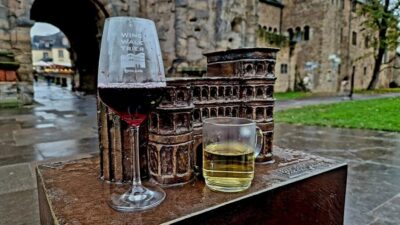
- Trier: Guided City Walk with Wine Tasting
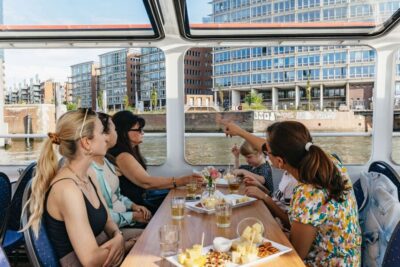
★ 4.8 · 979 reviews - Hamburg: Harbor Cruise with Wine and Cheese
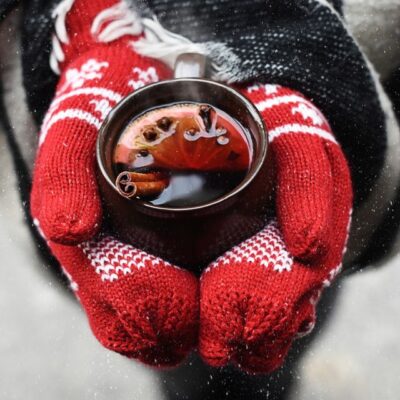
★ 4.7 · 795 reviews - Leipzig: Mulled Wine Motorboat Tour
★ 4.7 · 514 reviews - Trier: Discovery Tour – Germany’s Oldest Wine Cellar
★ 4.7 · 218 reviews
Fresh on the arrivals board for Neustadt An Der Weinstrasse
Wine Tours, compared.
Advent Tour with Stollen Tasting and Mulled Wine
Read our review →
Browse the lists this tour appears in