
Reviewed · WINE TOURS
Neustadt: Wine tasting with cellar tour and vineyard visit
A cellar tour with a real farming story. I like the organic, artisanal approach, and I also love how the tasting focuses on specific grape styles, especially Riesling and Burgundy. One thing to consider: this experience is not suitable for children under 16, and it is also not wheelchair-friendly since you’ll tour the cellar.
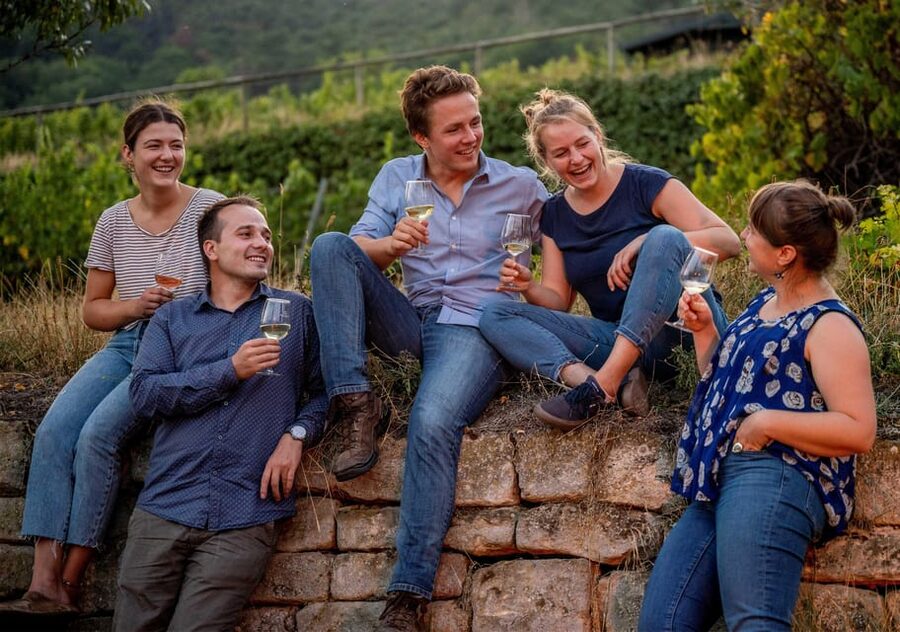
In 90 minutes, you’ll get a 7-wine tasting plus a guided tour that takes you from the historic barrel cellar to the house vineyard. Weather permitting, they hold the tasting in the garden, which makes the whole thing feel more relaxed and less like a lecture.
In This Review
- Key things that make this tour special
- Why this Neustadt tasting feels more like a working winery than a show
- Stolleis and the Palatinate focus: Riesling, Burgundy, and hands-on farming
- The tasting lineup: sparkling plus six wines, built around real grape styles
- Historic wooden barrel cellar: where aging turns into flavor
- The house vineyard visit: seeing the source without pretending you’re a farmer
- Price and value: is $34 for 90 minutes a fair deal?
- Practical tips to get the most out of your hour and a half
- Who should book this Stolleis tasting in Neustadt
- Should you book? My honest decision guide
- FAQ
- How long is the wine tasting with cellar tour and vineyard visit?
- What is included in the tasting?
- Do you visit both the cellar and a vineyard?
- Where does the wine tasting take place?
- Which languages are available for the live guide?
- What is the price per person?
- Is this tour suitable for children or teenagers?
- Can you cancel for a refund?
Key things that make this tour special
- Organic viticulture you can actually picture, not just a label on a bottle
- Riesling and Burgundy tastings that match the farm’s real focus
- Historic wooden barrel cellar tour, including how the wines mature over time
- House vineyard visit, so you see where the grapes come from
- Clear pacing with time for questions, with guides such as Yanna known for balancing info well
Why this Neustadt tasting feels more like a working winery than a show
This isn’t a big, flashy wine event. It’s a compact 90-minute look at how a long-running Palatinate wine family works day to day, season to season. You start with the wines, but you don’t stop there. The point is to connect what you taste with what the vines and cellar are doing behind the scenes.
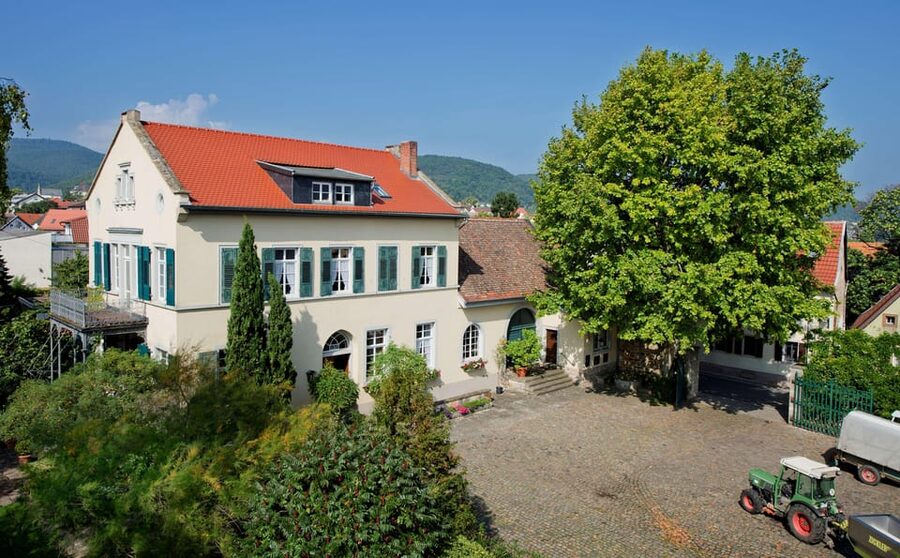
At Weingut Peter Stolleis, the story starts with people. The business is a classic Palatinate family operation in its twelfth generation, and you’ll hear how their philosophy shapes everything from vineyard decisions to cellar aging. The tour also keeps you grounded in practical realities: organic viticulture means more manual work, and it comes through when the guide explains what happens around harvest and how long the wines mature.
The other reason it works so well for many wine lovers is the format. You drink sparkling plus six wines, then you walk the site, so the tasting doesn’t float off on its own. It’s a simple flow: taste, learn, see, then learn again.
More German kitchens, doors open:
Stolleis and the Palatinate focus: Riesling, Burgundy, and hands-on farming
You’ll hear that their vineyards sit between Neustadt and Deidesheim, on what they consider the best sites in the Palatinate. That regional specificity matters because it keeps the conversation from going generic. Instead of talking only about wine flavor profiles, you get a more farm-first view of why the grapes they plant are the ones they emphasize.
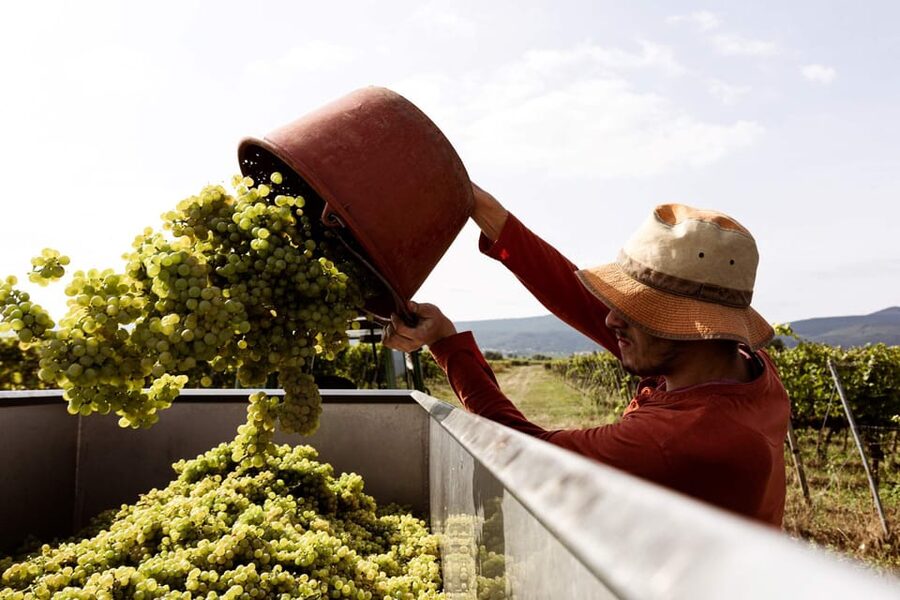
The viticulture here is organically certified, and they make clear what that means in practice. Organic farming is not just swapping inputs. It’s the kind of year-round manual effort that requires planning and labor. During the fall harvest, they bring in help from family, friends, and the surrounding area, with about 30 helpers pitching in. The result is a human-scale system that feels tangible when you’re hearing it while you’re about to taste their work.
Another detail that helps you taste with more context is the long maturation in their vaulted cellar. That’s not marketing fluff. Cellar aging and long development can strongly influence texture, aromatics, and how the wine finishes. When you later taste the lineup, you’ll probably catch how the guide’s story connects the timing and storage style to what’s in the glass.
The tasting lineup: sparkling plus six wines, built around real grape styles
The tasting includes one sparkling wine and six additional wines, for a total of seven pours. That’s a good number for a 90-minute visit. You get enough variety to make comparisons, and you still move through the experience without feeling rushed or stuck on one wine too long.
The two grape directions you can expect to hear about most are Riesling and Burgundy grape varieties. The Palatinate has a particular relationship with Riesling, and when the guide speaks about how the vines are grown and how the wines are matured, you’ll likely notice that the wines don’t get treated as anonymous “white wine.” They’re treated as expressions of a specific grape and a specific farming approach.
Here’s what makes this tasting more valuable than a basic pour-and-go session. The guide isn’t just naming grapes and telling you which one is sweeter or drier. You’ll get the winery’s philosophy, then you’ll taste wines that follow that logic. That helps you learn how to read the bottles you buy later, even if the label is unfamiliar.
If you enjoy comparing styles, this format is ideal. You can focus on how Riesling’s character reads in one wine, then how the Burgundy-style wines shift your palate. And because you’re tasting in a guided setting, you can ask questions while the wines are fresh on your palate.
Historic wooden barrel cellar: where aging turns into flavor
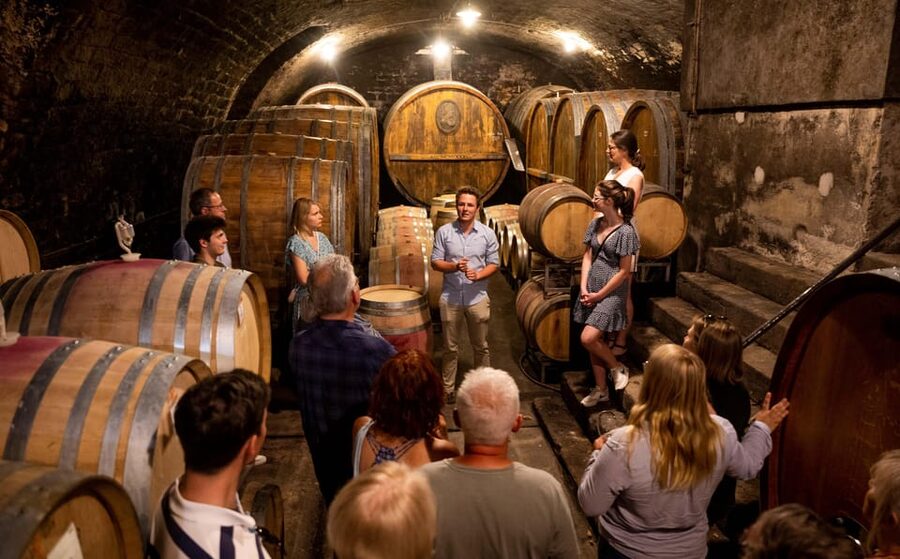
After the initial tastings, you head into the winery’s historic cellar. This part is a standout because it’s not a generic warehouse tour. You’ll see a guided look at the historic wooden barrel cellar, and you learn how that storage approach ties to aging and maturation.
Vaulted cellars can have a stable feel, and that stability is part of why cellars matter for wine development. Even if you’re not a chemistry person, you can taste the results later. Wood-barrel maturation can shape texture and aromatics, while the long timeframe matters for how a wine settles and integrates.
What I like in this section, and what I’d recommend you watch for, is the guide’s translation of process into sensory cues. When someone explains what happens in a barrel environment, it’s easier to taste things like how the wine feels on the palate, whether the aroma seems tight or more open, and how the finish develops.
Also, pace matters in a cellar. You want enough time to look up at the barrels, but not so much time that you get cold and distracted. Plan to dress for a temperature drop. Even in warm weather, cellars often feel cooler.
The house vineyard visit: seeing the source without pretending you’re a farmer
The tour continues with a visit to the house vineyard. This is where the experience clicks if you like understanding where wine actually comes from, not just what’s in the bottle. You’ll connect what you heard about organic viticulture with what you can see outdoors.
A house vineyard stop also helps you learn how wineries think about their own plots. Since Stolleis cultivates vineyards located between Neustadt and Deidesheim, that regional positioning is part of the narrative. Even if you don’t know every viticulture term, the guide’s explanations make the vineyard feel like a living system, not a scenic backdrop.
This is also the part where you can ask the best questions. If you’re curious about why certain grapes are chosen, or how farming choices show up in the glass, the guide is in the right setting to answer. And because you’ve already tasted, you can reference the wines you just drank, which makes the conversation more concrete.
If weather is good, there’s an extra plus. The wine tasting may take place in the idyllic garden first, and then you shift to the cellar tour and vineyard visit. That sequencing is comfortable. You get the outdoor start when conditions are pleasant, then you move indoors for the cellar portion.
Price and value: is $34 for 90 minutes a fair deal?
At $34 per person for about 90 minutes, this is priced like a serious, focused winery experience rather than a souvenir-only stop. The value comes from what’s included, not from how long it is.
You get:
- a guided tour of the historic wine cellar
- a tour of the house vineyard
- a structured wine tasting that includes one sparkling and six wines
That combination is what makes the price feel reasonable. A standard tasting without a vineyard and cellar visit can be cheaper, but it often gives you less context. Here, you’re paying for a real educational flow: taste first, then learn where and how the wine is made.
Also, because the tasting includes seven wines, you’re not stuck paying for just a couple of pours. This lineup lets you compare Riesling and Burgundy-focused styles in one session, and the guide can explain the why behind those choices. For wine fans, that kind of guided comparison can save money later, since you’ll start understanding what you actually enjoy.
Practical tips to get the most out of your hour and a half
This is a short tour, so small choices help. Here’s how I’d set yourself up for a smooth visit:
Wear comfortable shoes. You’ll be moving through the cellar and outdoors for the vineyard stop. In a cellar, you may also encounter uneven, older surfaces.
Bring a light layer. If you start outside, the cellar may feel noticeably cooler.
Arrive with a curious mindset, not a notebook. The guide is giving you vineyard and cellar context while you taste, so your best questions are the ones you can connect to what you’re drinking.
If you prefer sweeter or drier styles, you can mention that early. The tasting is guided in German and English, and a good guide will adjust pacing and explanation style based on what the group wants to know. In accounts of this experience, guides such as Yanna are praised for answering questions and keeping explanations at a steady, comfortable pace.
Finally, remember the eligibility note: it is not suitable for children under 16, pregnant women, or wheelchair users. If you’re unsure about your situation, it’s worth checking directly before you book.
Who should book this Stolleis tasting in Neustadt
This works best if you want an authentic winery lesson without committing to a full day. It’s ideal for wine lovers who enjoy:
- learning the vineyard story behind Riesling and Burgundy-style wines
- seeing a historic wooden barrel cellar up close
- getting a guided tasting that doesn’t wander off into generic trivia
It’s also a good pick for people who travel with friends of mixed wine interest. The cellar and vineyard tours add structure, so even if someone isn’t focused on the finer points of flavor, they can still appreciate what they’re seeing and hearing.
If your idea of wine tourism is only about very large tastings, big crowds, or tasting rooms with lots of merchandise, this may feel more modest. The strength here is farming and cellar craft, not hype.
Should you book? My honest decision guide
Book this if you want a compact, value-packed visit that links organic vineyard farming to what’s in the glass. The historic wooden barrel cellar tour and the house vineyard stop make the tasting feel earned, not random.
Skip it if you need wheelchair accessibility, are traveling with someone under 16, or if pregnancy makes this kind of cellar and outdoor touring unsuitable. Also skip it if you only want a quick taste at your own pace, with no guided explanation.
If you do book, go in expecting a real working focus on Riesling and Burgundy varieties. The best part is how the story tightens around you once you start tasting.
FAQ
How long is the wine tasting with cellar tour and vineyard visit?
The experience lasts about 90 minutes.
What is included in the tasting?
You’ll taste one sparkling wine and six wines.
Do you visit both the cellar and a vineyard?
Yes. The tour includes a guided visit to the historic wine cellar and a visit to the house vineyard.
Where does the wine tasting take place?
Weather permitting, the tasting takes place in the idyllic garden.
Which languages are available for the live guide?
The tour guide offers German and English.
What is the price per person?
The price is $34 per person.
Is this tour suitable for children or teenagers?
No. It is not suitable for children under 16 years old.
Can you cancel for a refund?
Yes. You can cancel up to 24 hours in advance for a full refund.
More Wine Tours in Neustadt An Der Weinstrasse
- Trier: Guided City Walk with Wine Tasting
★ 4.8 · 979 reviews - Hamburg: Harbor Cruise with Wine and Cheese
★ 4.7 · 795 reviews - Leipzig: Mulled Wine Motorboat Tour
★ 4.7 · 514 reviews - Trier: Discovery Tour – Germany’s Oldest Wine Cellar
★ 4.7 · 218 reviews
Fresh on the arrivals board for Neustadt An Der Weinstrasse
Wine Tours, compared.

Advent Tour with Stollen Tasting and Mulled Wine
Read our review →
Browse the lists this tour appears in