

Reviewed · LEIPZIG TOURS & ACTIVITIES
Music in Leipzig – Bach, Wagner and the Thomanerchor
Bach and Wagner share one walk. Leipzig is a trade and show town, but this 90-minute tour turns it into a music map. I like how the route follows the Leipzig Music Trail and links composers to real places, and I also like that you get specific landmarks, like St. Nicholas Church, tied to Bach’s early cantor work.
The one thing to consider is expectations. This is a city tour with musical examples, not a full concert night, and if church spaces happen to be closed at the time you visit, you may get less in-the-room music than you hoped.
In This Review
- Key points to know before you go
- Leipzig Music Trail: a music walk through composers’ hometowns
- Meeting at Markt 1 and getting your bearings quickly
- Street sounds and 18th-century musical examples in the city center
- St. Thomas Church Choir and the Thomanerchor connection
- Gewandhaus and the opera: Leipzig’s performance engine
- St. Nicholas Church: the Bach moment you actually remember
- 90 minutes with a private group up to 25: pace and Q&A feel
- Languages, guide quality, and why it matters for music tours
- Price and value: $188 per group for a focused Leipzig music orientation
- Who this Leipzig music walk suits best
- Should you book Music in Leipzig: Bach, Wagner and the Thomanerchor?
- FAQ
- How long is the tour?
- Where do we meet?
- What does the tour include?
- Is this a private group?
- What languages are available?
- How much does it cost?
Key points to know before you go
- Leipzig Music Trail route style, so the story stays connected to streets and buildings
- Street-noise musical examples that recreate how an 18th-century city would have sounded
- Thomanerchor focus with 800-year history and why the choir matters far beyond Leipzig
- Bach at St. Nicholas Church highlight, including the bust marking his 1723 first cantor performance
- Engaged live guidance with clear, theme-focused answers that keep the tour moving
- Private group up to 25 for a more relaxed pace and better Q&A
Leipzig Music Trail: a music walk through composers’ hometowns
Leipzig can feel like a serious, practical German city at first glance. It has the kind of commerce energy that keeps things moving. But then you start hearing names like Bach, Wagner, Mendelssohn, and Schumann, and suddenly the streets make sense as a music hub. This tour leans into that idea hard.
What I like about the Leipzig Music Trail approach is that it does not treat music like a museum label. Instead, you get a guided “music on the street” experience, where the route helps you connect institutions and people to the city layout around them. You also get the story of Leipzig as more than one composer’s address. You hear how multiple musical “engines” powered the city, from major performance venues to the choral tradition that became famous well beyond Germany.
This kind of walking tour is especially good if you like learning in small chunks. You do not need to memorize a hundred facts. You follow the guide’s thread, and the city does the rest.
Also holding a platform in Leipzig
- Leipzig: City History Canal Sightseeing Tour on a Motorboat
★ 4.7 · 7,671 reviews - Leipzig: The Original Night Watchman Bremme Tour
★ 4.5 · 3,815 reviews - Combo Tour in Leipzig: Guided City Tour & City Sightseeing
★ 4.7 · 2,317 reviews
Meeting at Markt 1 and getting your bearings quickly
You start in the old-town core, at Leipzig, Markt 1, Altes Rathaus (Old Town Hall), Museum Shop. That matters more than it sounds, because it sets you up where most of the major music story is within reach.
From this point, you can understand Leipzig in layers. The guide can point you toward how the city developed as a trade and show center, and then show you how music institutions flourished alongside it. If you are the type who gets lost when you arrive in a new city, starting at a landmark plaza like Markt 1 is a quiet win. You spend less mental energy figuring out direction, and more on hearing why each stop connects to Bach, Wagner, and the Thomanerchor.
Also, because this runs for 90 minutes, you get a focused session rather than an all-day marathon. It is long enough to build a coherent picture, short enough that you are not still thinking about the tour when you want dinner.
Street sounds and 18th-century musical examples in the city center
One of the coolest ways this tour brings Leipzig to life is through sound. You experience Leipzig with 18th-century street noise and musical examples along the walk. That kind of audio approach helps your brain stop treating music history like something that only happens on a stage.
Even if you already know a few famous melodies, the point here is context. Street noise changes how you imagine listening in the 1700s. It also helps you understand how music would have fit into daily life, not just special occasions. The guide uses this to connect what you hear to what you see in the city.
This is also where you get that “not too much, but enough” feeling. One verified booking noted that the tour delivered plenty of facts without drowning you in numbers. That makes sense for a format like this. You want names, places, and connections. You do not need a spreadsheet.
St. Thomas Church Choir and the Thomanerchor connection
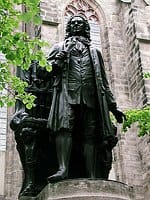
The tour shines a light on the St. Thomas Church Choir, the Thomanerchor. You do not just hear that the choir is famous. You learn why it matters, including its 800-year history and its role in Leipzig’s musical identity.
For you, the big takeaway is understanding how a choir can shape a city’s sound for generations. In Leipzig, the choir tradition is not a side story. It is part of the core. When you hear about the choir as an institution with longevity, you start to see why composers stayed connected to this kind of place.
This is also a tour that tends to answer questions well. One review highlighted that all questions were answered, and the guide’s enthusiasm carried the thematic connections. If you are curious about how choral traditions work, how they influence composition, or how Leipzig’s musical institutions linked together, you are in the right format. It is a guided explanation, not a passive lecture.
Practical note: the tour focuses on learning and orientation as much as it focuses on physical viewing. That’s helpful if you want the story even if you cannot access certain interiors at every moment.
Gewandhaus and the opera: Leipzig’s performance engine
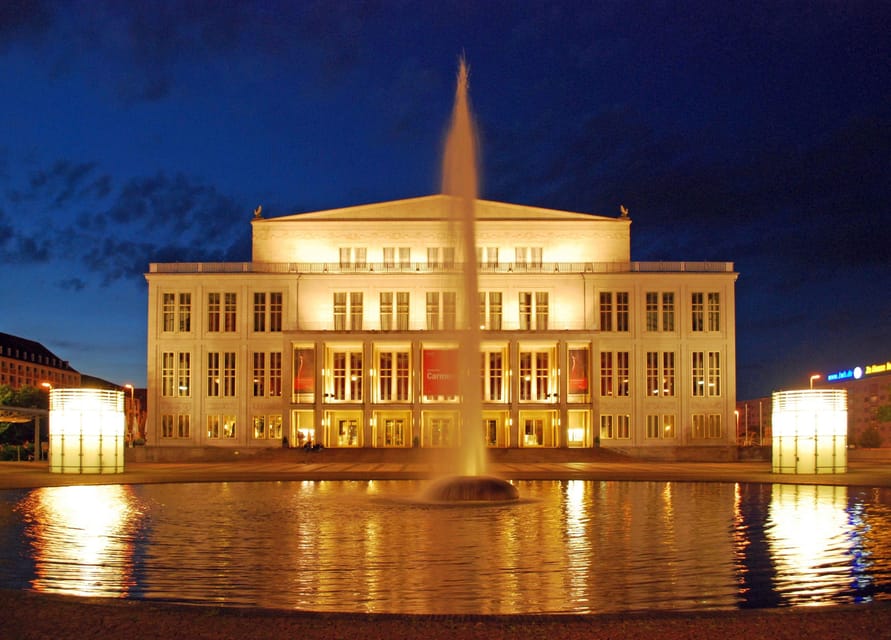
Leipzig’s music scene is not only churches. The tour also points you toward key performance centers, including the opera and the Gewandhaus. These are major anchors in the city’s public music life.
Here is why that matters for you: when you understand where music got heard, you stop thinking about composers as isolated geniuses. You start seeing them as part of a system: institutions that commissioned work, trained performers, and attracted audiences.
As you walk, you gain a sense of Leipzig’s layout as a music crossroads. The guide ties the street stops to musical museums, music history, and cultural centers connected to St. Thomas Church, the opera, and the Gewandhaus. Even if you do not go inside every venue, you leave with a mental map that helps you navigate the city on your own afterward.
And if you are the type who likes “what should I do next?” planning, this part of the story helps you decide whether you want to follow up with a concert, a museum visit, or another composer-focused walk.
Onward connections from Leipzig:




St. Nicholas Church: the Bach moment you actually remember
If you care about Bach, this is the stop. In the St. Nicholas Church, you note a bust of Bach marking his first performance as cantor in 1723. That one detail is the kind of anchor that sticks when you are touring, because it gives you a clear timeline point.
This is also where the tour’s overall strategy pays off. The earlier stops set up Leipzig as a place where musical roles mattered. Then this church stop grounds it in a specific early-life moment for Bach, which helps you understand why Leipzig was so influential for him.
What to do with this moment: look at the bust, then listen to what the guide explains around it. You do not need to force it into your own notes. Instead, let it act like a “peg” for the rest of the Bach story you are learning during the walk.
A balanced expectation point: one review mentioned churches being closed around the scheduled time, which reduced the amount of music they expected. You still should get the key orientation and story beats, but if you are very music-performance focused, keep your schedule flexible and be ready to adapt.
90 minutes with a private group up to 25: pace and Q&A feel
This tour runs for 90 minutes, and it is private, with a group size up to 25. That matters because it shapes how the guide can teach. Smaller private groups generally make it easier to ask questions and to steer the explanation when something catches your interest.
From the feedback, the tour’s style tends to be informative without turning into a date-heavy talk. One booking described the tour as very informative, with not too many numbers but many facts, and that all questions were answered. Another praised the guide as engaged, competent, entertaining, and authentic, with enthusiasm that made the connections feel real.
So for you, the experience is likely to feel guided, not scripted. Expect theme-based links, composer context, and an effort to keep the flow lively as you move through the historic center.
Practical tip: bring comfortable shoes. This is a walking city format. Also, if you have specific composer interests, jot one or two names before you go so you can ask targeted questions.
Languages, guide quality, and why it matters for music tours
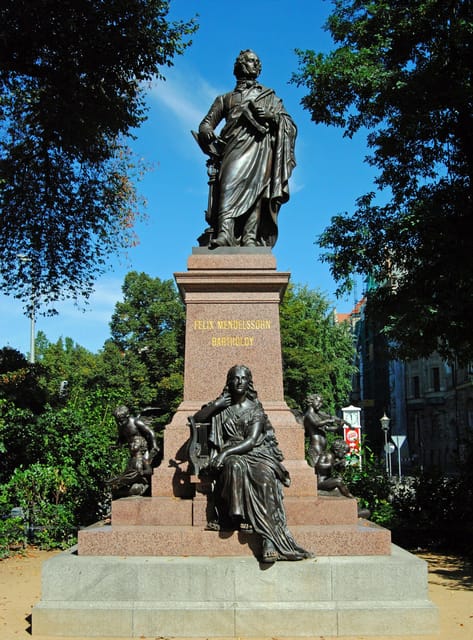
The live guide is offered in Spanish, English, French, German, Italian, and Russian. That matters because music history tours can get frustrating if the guide’s wording is vague or too technical. Here, the experience is built around clear explanations and a conversational flow.
The guide quality also seems to be a standout. One review named the guide Tom and praised his engaging, authentic style and how his enthusiasm tied connections together. That kind of teaching makes a big difference on tours like this, where the goal is to help you connect a composer name to a street corner, not just recite facts.
If you travel with a group that includes different language needs, being able to choose among several languages is a real convenience. It also helps maintain that “everyone is hearing the story” feeling, instead of splitting attention across language gaps.
Price and value: $188 per group for a focused Leipzig music orientation
The price is $188 per group up to 25, for a 90-minute city tour. Since it is priced per group rather than per person in the details provided, the value depends on how many people you bring.
Here is how I would judge the value: you are paying for a guided walk that covers multiple pillars of Leipzig music life. You get the Leipzig Music Trail concept, street sound storytelling, and specific landmark meaning at St. Nicholas Church tied to Bach’s 1723 first performance as cantor. You also get structured context about the Thomanerchor (St. Thomas Church Choir), plus the city’s other major performance institutions like the Gewandhaus and the opera.
If you are traveling with family, friends, or a small private group that wants a coherent introduction without buying multiple separate tickets, this format often works well. Also, 90 minutes is a realistic length that fits into a busy Leipzig schedule, so you are not sacrificing an entire day for orientation.
If you are a strict concert seeker, though, this may feel like the wrong category. Think of it as music history you can walk through, not as a staged performance.
Who this Leipzig music walk suits best
This tour fits best if you want a guided introduction to Leipzig’s musical identity in a short time. You should especially consider it if:
- You are interested in Bach and want a clear, memorable tie to St. Nicholas Church and the 1723 cantor detail
- You want the Thomanerchor and St. Thomas Church Choir story, including the 800-year perspective
- You are curious how Leipzig connects multiple composers, including Richard Wagner, to specific institutions like the Gewandhaus and opera
- You prefer guided context and Q&A over self-guided wandering
It is also a good fit for people who like learning with place-based storytelling. The sound elements and the trail approach help you remember the city, not just the facts.
Should you book Music in Leipzig: Bach, Wagner and the Thomanerchor?
Book it if you want a practical, guided music overview of Leipzig with clear landmark focus, especially around Bach and the Thomanerchor. The trail style and the sound-based 18th-century street flavor help the story stick.
Skip it, or temper expectations, if you are hoping for a long, performance-heavy event. This is a 90-minute city tour with musical examples, and church access can affect how much music you experience in the moment.
If you want the kind of Leipzig “map in your head” that makes the rest of your trip easier, this is a solid way to start.
FAQ
How long is the tour?
The tour lasts 90 minutes.
Where do we meet?
The meeting point is Leipzig, Markt 1, Altes Rathaus (Old Town Hall), Museum Shop.
What does the tour include?
It includes a city tour with a competent guide.
Is this a private group?
Yes. It is a private group, with a group size up to 25.
What languages are available?
The guide is available in Spanish, English, French, German, Italian, and Russian.
How much does it cost?
It costs $188 per group (up to 25 people).
Fresh on the arrivals board for Leipzig





Leipzig Tours & Activities, compared.

City History Canal Sightseeing Tour on a Motorboat
Read our review →

Combo Tour in Leipzig: Guided City Tour & City Sightseeing
Read our review →



Browse the lists this tour appears in