Reviewed · MUNICH TOURS & ACTIVITIES
Munich Residenz: Private Tour with artists and historians
Royal rooms, serious stories, zero snooze.
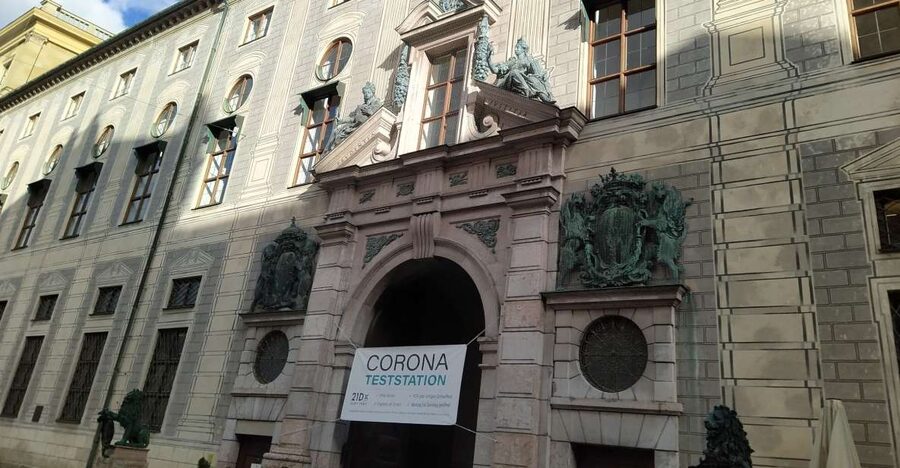
This private Munich Residenz tour mixes art talk with Bavarian history as you move through the palace’s famed 139-room world with your guide. I especially like how the guide thinks like an artist while explaining what you are seeing, not just what happened.
You get two big wins: first, the focus on specific artworks and wall details, including the standout Green Gallery, where paintings come with technical context. Second, the palace stories connect to real Munich traditions, including how Oktoberfest traditions link back to the residence culture. One drawback to plan for, the tour is a fast walk through a lot of ground, so if you prefer a slow, self-paced museum day, this may feel a bit brisk.
In This Review
- Key things that make this tour worth your time
- Why the Munich Residenz feels different from a normal museum
- Meet your artist-historian, the guides behind the magic
- Entering the palace: getting oriented fast in a 139-room world
- The Green Gallery and why painting technique matters
- Royal life in practice: Wittelsbachs, daily living, and room purpose
- Ludwig II’s garden mood, then the Wagner connection
- Oktoberfest traditions: the palace link you can actually explain
- Late-king style and palace grandeur, explained so it clicks
- What you see outside: a palace shaped by WWII
- The practical side: shoes, rain plans, and what to avoid
- Duration and pacing: why 2 hours can feel both perfect and short
- Skip the ticket line, but remember the museum entry note
- Value at $160 per person: when a private artist guide is worth it
- Who should book this tour?
- Should you book this Munich Residenz private tour?
- FAQ
- How long is the Munich Residenz private tour?
- Where do we meet the guide?
- Is museum entry included?
- What languages is the tour offered in?
- Is the tour wheelchair accessible?
- Is this tour suitable for children?
Key things that make this tour worth your time
- Artist-guide perspective: You learn how art works, not just who owned the rooms.
- Green Gallery highlight: Paintings are explained with a technical lens that keeps you looking longer.
- Royal drama that clicks: You hear about King Ludwig II and his affair with Richard Wagner.
- Munich tradition connections: Your guide ties Oktoberfest traditions back to court life.
- Palace scale without the confusion: You get a structured route so you are not wandering blind.
- WWII exterior context: The story continues outside, where the building’s damage matters.
Why the Munich Residenz feels different from a normal museum
The Munich Residenz is not a museum people wandered into by accident. It was a lived-in seat of power, so the walls carry an energy that goes beyond display cases. When you tour it with a private professional artist guide, you start noticing how architecture, room purpose, and royal taste all reinforce each other.
Even if you have seen photos of ornate interiors, you will still be surprised by the feel of the place. It is grand, yes, but the bigger point is the setting. The residence shaped ceremonies, hosted important figures, and reflected the way Bavarian rulers wanted to present themselves. That is why a guided format works so well here: you get the “why” behind what you see, not just a list of rooms.
Also holding a platform in Munich
- From Munich: Neuschwanstein & Linderhof Castle Full-Day Trip
★ 4.6 · 14,646 reviews - Neuschwanstein & Linderhof Castle-Fairytale Day Tour from Munich
★ 4.5 · 7,275 reviews - Munich: Third Reich & WWII Walking Tour
★ 4.6 · 6,181 reviews
Meet your artist-historian, the guides behind the magic
This tour is private, which matters. Instead of being squeezed into a large group, you are working with a guide who can slow down when a painting pulls your attention or when a historical thread needs explaining again.
Guides can include artists and historians such as Paul Riedel, and you may also encounter guides like Freya, based on recent tour experiences. Either way, the common thread is an art-first communication style. The guide brings the same curiosity you would hope for if you were learning from a talented person who really loves the subject.
What that means for you in practice: you are likely to get explanations that connect technique to emotion. For example, when you look at decorative schemes and wall art, you are not only told what they show. You are also encouraged to notice how they are built, arranged, and used to project status.
Entering the palace: getting oriented fast in a 139-room world
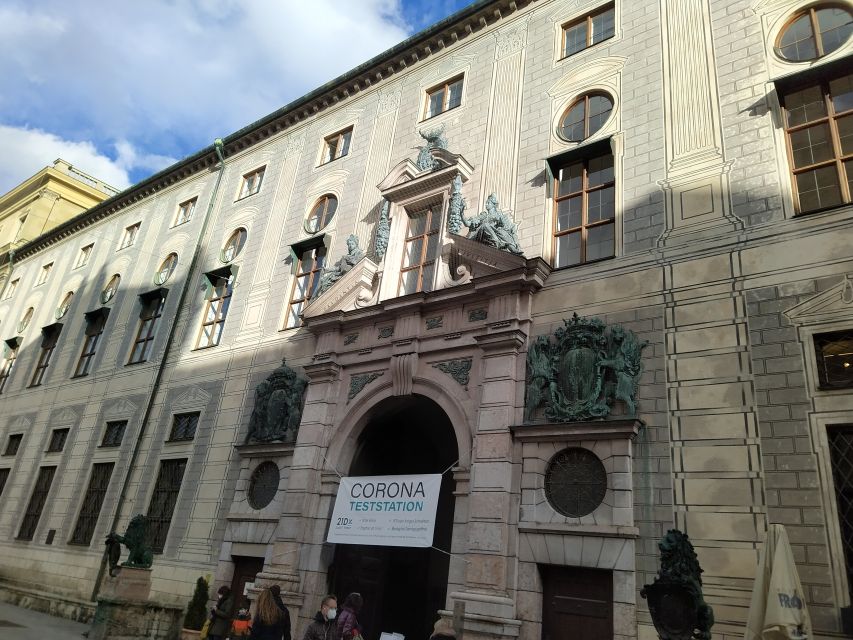
The palace is famous for its sheer scale, but the smart move is not trying to see every room like a checklist. You are on a guided route that helps you understand the palace layout and the “story” of how these spaces were used by the Wittelsbach family and later royal residents.
You start at the Munich Residenz and then begin moving through the interior for about two hours of guided time. That time length is ideal for most people because you get meaningful highlights without turning the experience into a marathon. If you go in expecting to relax, you will still feel the pace, but it will be purposeful.
You will also want to bring the right mindset. This is not only visual sightseeing. It is listening, comparing, and learning how the residence reflects Bavarian court life. The guide helps you connect early royal years to the rooms you are standing in, so the palace feels less like a maze and more like a timeline.
The Green Gallery and why painting technique matters
The standout interior moment for many visitors is the Green Gallery, and for good reason. It is not just beautiful. The guide explains different paintings and gives technical background so you understand what you are looking at.
This is one of those places where technique changes your viewing. Once you know what to watch for, you spend more time in front of the walls. You stop treating the art as a blur of color and start noticing how composition, details, and subject choices reinforce the message of each work.
Expect your guide to point out features that most visitors miss when they only read captions. You get a chance to ask questions in a private setting, which can turn a “pretty hallway” into a personal art lesson. If you love visual details, this is likely to be one of your favorite stops in Munich.
Royal life in practice: Wittelsbachs, daily living, and room purpose
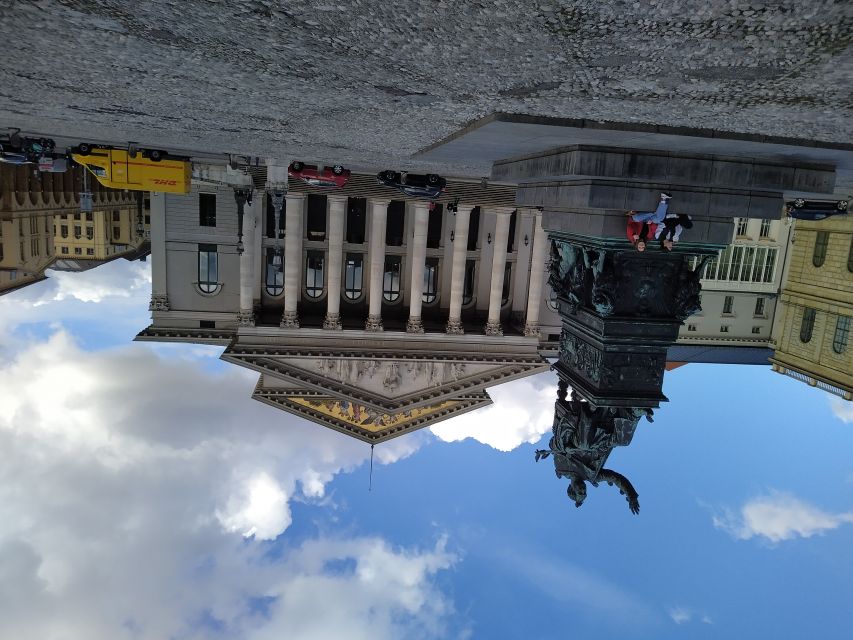
A palace tour becomes real when it shifts from decoration to human behavior. Here, the guide ties the spaces to the way Munich’s rulers lived and how the Wittelsbach family shaped court culture. You will hear about early years, how royal life worked, and where and how residents spent time.
As you wander through rooms, the explanations help you interpret what you are seeing. For example, you start understanding why certain rooms feel ceremonial, why others feel more private, and how that difference fits into the larger story of power and tradition.
This is also where the tour’s artist angle helps. An artist guide notices room rhythm, sight lines, and how visual design steers your eye. That makes the palace feel more coherent, and it helps you remember what you saw later, not just in the moment.
Onward connections from Munich:


Ludwig II’s garden mood, then the Wagner connection
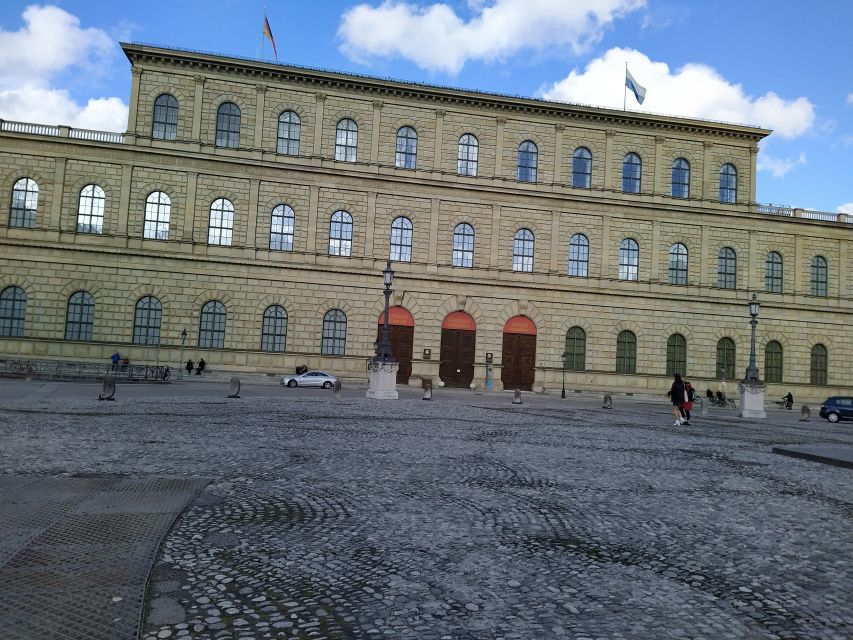
One of the more compelling threads is King Ludwig II and how his choices influenced the cultural life around him. You will spend time reflecting on the historical events connected to the residence and then hear about Ludwig II while moving through areas tied to his legacy, including time in the garden setting.
Then comes the famous story connection: the interesting affair between King Ludwig II and Richard Wagner. This is not treated like gossip. It is presented as a way to understand Ludwig II as a patron, a cultural force, and a ruler whose tastes shaped how art and music mattered at court.
Why this is valuable for you: it gives context. Instead of viewing Wagner as a name in music history, you connect him to a real place where royal decisions and artistic priorities overlapped. That turns Munich into more than a stopover. It becomes a map you can follow in your head.
Oktoberfest traditions: the palace link you can actually explain
Munich loves traditions, and Oktoberfest is the one most people arrive expecting to understand by walking into beer tents. But this tour adds a different angle. Your guide explains Oktoberfest traditions and how they connect back to the residence and the court culture that helped shape Bavarian celebration style.
You do not need to be a festival expert. The point is that you walk away able to explain the connection. You start seeing how public celebration grew out of court traditions and how the culture of ceremony traveled from palace walls into street life.
If you visit in September or early October, this added context can make the festival feel more grounded. You are not just enjoying a party. You are noticing echoes of older traditions.
Late-king style and palace grandeur, explained so it clicks
The residence also tells a story through style. You will hear about the unique style associated with Europe’s late kings and why the palace interiors carry that sense of royal presentation. This part is less about memorizing terms and more about learning what to look for.
A guide with an art mindset helps you read the design choices as messages. Ornament suggests authority. Artwork reinforces identity. Room layouts support ceremony and control attention.
Even if you only catch part of the explanation, you will still benefit. The palace does not need you to be an expert. It only needs you to slow down enough to notice the “designed effect” behind the beauty.
What you see outside: a palace shaped by WWII
After the interior, the story continues with the exterior. The palace exterior was nearly destroyed during WWII, and that detail matters. You will learn about what happened and what to watch for now, because the building’s survival and scars are part of the Munich story, not just an engineering note.
This outside section gives you a clean contrast to the interior. Indoors, the palace is about artistry, status, and royal routine. Outside, it becomes about resilience and the cost of conflict. You end up with a more complete understanding of what the residence represents in modern Munich.
The practical side: shoes, rain plans, and what to avoid
You will be walking as you move room to room, so comfortable shoes are non-negotiable. Since the tour runs rain or shine, plan for wet pavement and keep your footing steady. You do not want sore feet cutting your attention during the Green Gallery moment.
Also note the restriction on luggage or large bags. Travel light, or plan to store baggage elsewhere so you can move freely.
This tour is not suitable for children under 10, so if you are traveling as a family, this is probably not the best fit for younger kids. For adult couples, solo art lovers, and history buffs, the private setting makes the time feel efficient.
Duration and pacing: why 2 hours can feel both perfect and short
The guided portion is listed at about 2 hours, with a typical range of 2 to 3 hours depending on starting times and how the tour flows. In practice, a two-hour palace tour can feel like the perfect length because you get key highlights without losing your energy.
But it can also feel short in the best way, because the residence is so full of detail. The better the guide, the more your attention locks on, and you end up wanting just a bit more time in the rooms that grabbed you.
If you are the type who always says, I wish we had more time at the museum, this tour can still work, because it gives you an organized path and teaches you what to look for so you can return later on your own.
Skip the ticket line, but remember the museum entry note
One of the nice practical perks is skipping the ticket line. Less waiting means more time actually inside the residence with your guide.
The one thing to keep in mind: museum entry is not included. So you will want to plan for your entry ticket separately. The tour fee is mainly paying for the private professional guide and the guided art and history interpretation.
Value at $160 per person: when a private artist guide is worth it
At $160 per person for a 2 to 3 hour private tour, you should look at value in terms of what you gain. You are paying for a guide who can interpret art, connect it to Bavarian court history, and adjust the pacing for your group.
This is not a bargain price, but it also is not just about “having someone talk while you look.” The artist-historian angle matters because you get explanations tied to technique and room context. If you care about art details or historical connections, that interpretive layer is exactly what you cannot replicate as easily with a generic audio guide.
If you are traveling as a pair, it can feel especially good because the private format keeps questions flowing and you are not competing for space. If you only want a casual stroll and you do not care much about art interpretation, you might find less value in a private format.
Who should book this tour?
Book it if you want more than a postcard tour. This is a smart choice for people who:
- love art and want practical context for what they are seeing
- enjoy stories that connect rulers, music, and Munich traditions
- prefer private or small-group pacing over crowds
- want a structured way to understand the residence without guessing
Skip it if you:
- want a fully self-paced museum day
- are traveling with very young children
- dislike listening-heavy tours where history and art are discussed continuously
Should you book this Munich Residenz private tour?
Yes, if your goal is to leave with an explanation you can repeat. I think this kind of tour works best when you want to understand how the palace functioned as a stage for Bavarian life, not just when you want to take photos of ornate rooms.
The combination of artist-led art commentary, royal story threads like Ludwig II and Richard Wagner, and the Munich tradition connection tied to Oktoberfest makes it a high-impact use of a half-day. If you show up with comfortable shoes and a willingness to listen, you will likely feel like the residence finally made sense.
FAQ
How long is the Munich Residenz private tour?
The tour duration is listed as 2 to 3 hours.
Where do we meet the guide?
Meet your guide in front of the Munich Residenz.
Is museum entry included?
No. Museum entry is not included.
What languages is the tour offered in?
The live tour guide speaks English and German.
Is the tour wheelchair accessible?
Yes, the tour is wheelchair accessible.
Is this tour suitable for children?
It is not suitable for children under 10 years old.
Fresh on the arrivals board for Munich

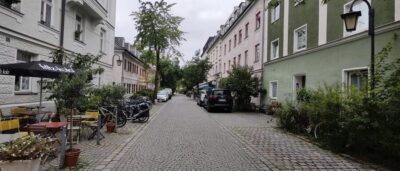




Munich Tours & Activities, compared.
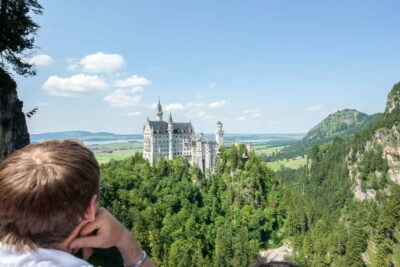
Neuschwanstein & Linderhof Castle Full-Day Trip
Read our review →
Neuschwanstein & Linderhof Castle-Fairytale Day Tour from Munich
Read our review →
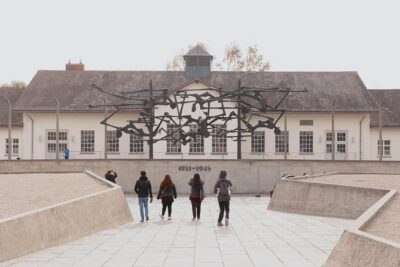
Dachau Concentration Camp Memorial Site Tour from Munich by Train
Read our review →
Munich Hop-On Hop-Off Tour: 1-Day or 2-Day Ticket
Read our review →