Reviewed · MUNICH TOURS & ACTIVITIES
Munich: Old Town Culinary Tour
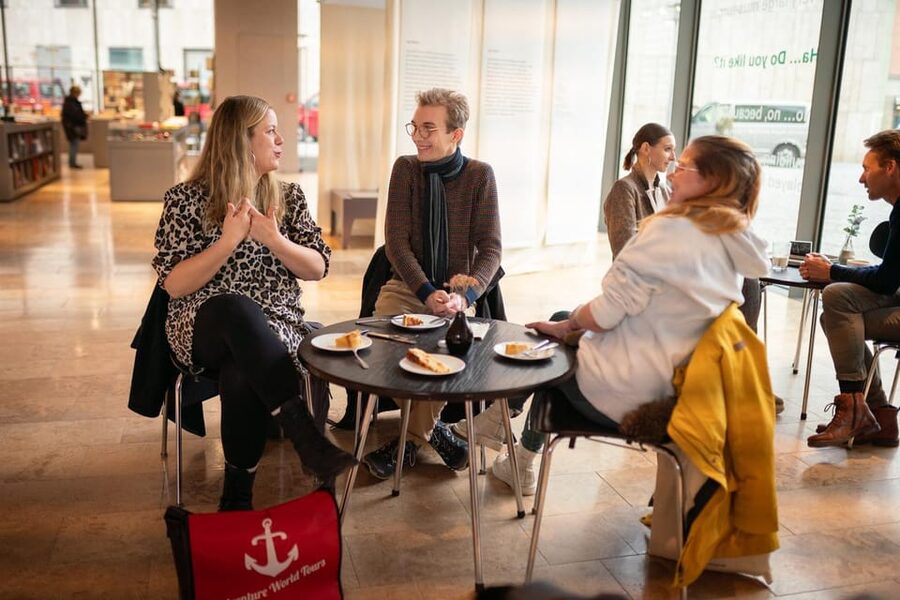
Munich’s Old Town tastes way better with a guide. This 3-hour walk pairs five tastings with classic landmarks like Marienplatz and the Frauenkirche, plus the kind of Bavarian food lore you will never get from a map. I love the small-group feel that keeps things relaxed, and I love how the guide, Eddi, mixes humor with practical insider context. You’ll get the food culture behind pretzels, Weisswurst, Leberkäse, and even sweet bakery items, while also seeing how the city fits together.
One thing to plan for: tastings are included, but drinks are not, and there can be optional add-on purchases, including a chocolate stop that some people felt was pricey.
In This Review
- Key highlights worth your time
- Why this Munich Old Town food walk beats eating solo
- Starting at Rathaus-Glockenspiel: the Marienplatz setup
- Rosenstraße 7 tasting stop: where snack meets story
- Mariensäule and St. Peter’s Church: photo stops with legend fuel
- The Prälat-Zistl-Straße 10 tasting: Bavarian comfort with a local pace
- Jüdisches Zentrum München: a thoughtful sight pause
- Gewürze der Welt and the Behindertenparkplatz area: spice culture and quick bites
- Viktualienmarkt and Dreifaltigkeitspl.: the market finale
- Price and value: what $51 buys in practical terms
- Practical tips for getting the most from this walk
- Who should book this tour, and who might skip it
- Should you book? My take
- FAQ
- How long is the Munich Old Town Culinary Tour?
- Where does the tour start?
- What is the price per person?
- Are drinks included in the tour price?
- How many tastings are included?
- What language is the live guide?
- Is a seat guaranteed?
- Can I cancel for a full refund?
Key highlights worth your time
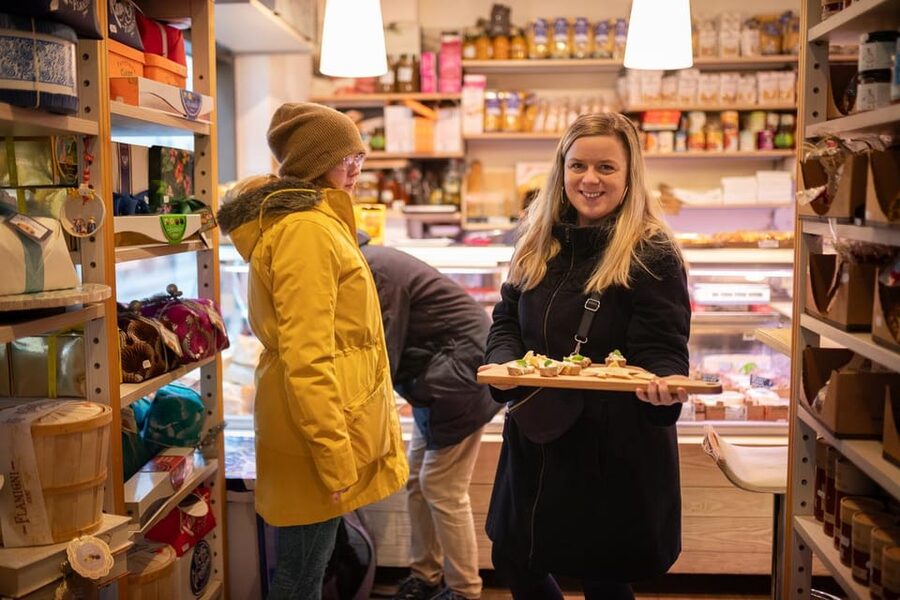
- Five tastings across Old Town at selected spots, built around Bavarian staples and specialties
- Eddi’s humor plus insider stories so the landmarks feel personal, not just photographed
- Marienplatz and Frauenkirche area coverage early, so you get your bearings fast
- Viktualienmarkt stop with a proper local-food market vibe
- Spice and snack moments that explain Bavarian comfort food in plain language
- Photo stops at key landmarks like Mariensäule and St. Peter’s Church
Why this Munich Old Town food walk beats eating solo
If you want Munich, you usually have two routes: walk the sights, then search for food, or follow your nose until your stomach wins. This tour gives you a third option, a smart combo. You get a guided route through the historic core, and you also get food stops that connect what you are tasting to why it exists in Bavaria.
That matters because Munich food culture is not random. It is tied to local routines, market life, and the city’s old social spaces. Instead of just eating Leberkäse or whatever is handed to you, you learn how Bavarians talk about these foods, where they show up, and what people historically considered the right kind of comfort.
I also like that the tour is not just about eating. The guide builds in photo stops and sightseeing around major points like Marienplatz, the Frauenkirche, and St. Peter’s Church. Even the stop at the Jüdisches Zentrum München adds another layer, so the day does not turn into a single-note snack sprint.
The biggest practical win is pacing. You are on foot for about three hours, and the tour keeps breaking the walk into short segments. That helps if you want to do a city day without feeling like you are racing for a train later.
Also holding a platform in Munich
- From Munich: Neuschwanstein & Linderhof Castle Full-Day Trip
★ 4.6 · 14,646 reviews - Neuschwanstein & Linderhof Castle-Fairytale Day Tour from Munich
★ 4.5 · 7,275 reviews - Munich: Third Reich & WWII Walking Tour
★ 4.6 · 6,181 reviews
Starting at Rathaus-Glockenspiel: the Marienplatz setup
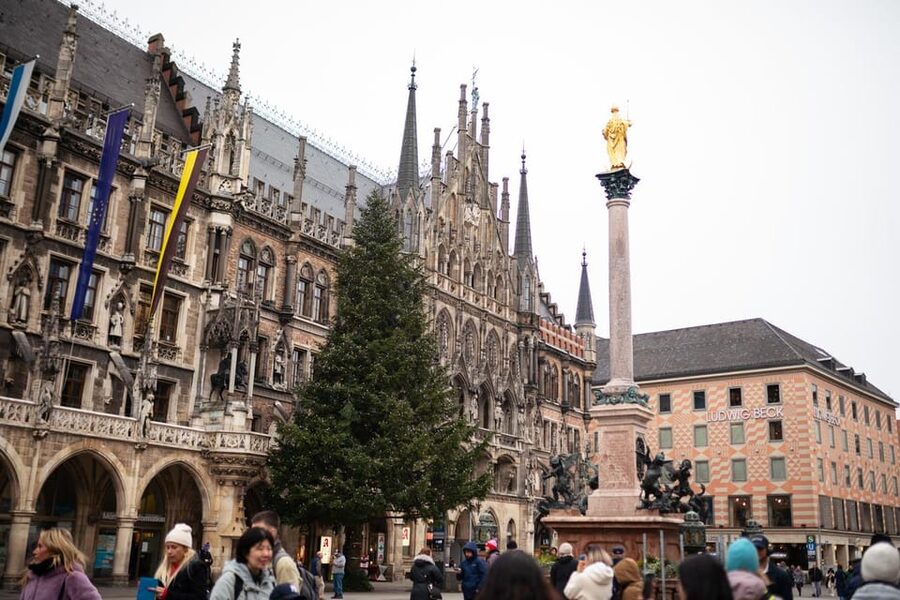
You begin at Marienplatz 8, right at the entrance to the Glockenspielturm. This is a great starting point because Marienplatz is Munich’s classic center of gravity. Within minutes, you get to see why the city orients itself around this square.
The tour kicks off with the atmosphere of the area and the landmark energy of the Rathaus-Glockenspiel. From there, you move into the Old Town lanes and the surrounding sights. Even if you already know Munich, starting here helps you avoid the common mistake of feeling lost during your first hour.
Then the guide does the thing that makes this type of tour work. Eddi keeps the route moving at an easy tempo, with enough structure that you do not spend your time looking at your phone. At the same time, he leaves space for the fun parts: stories, small legends, and food-history explanations that connect back to what you just tasted.
One small consideration: the tour is guided in German. If your German is basic, you can still enjoy it, especially because tastings and landmarks make the experience easy to follow. If you want the highest level of detail, a little familiarity with German helps.
Rosenstraße 7 tasting stop: where snack meets story
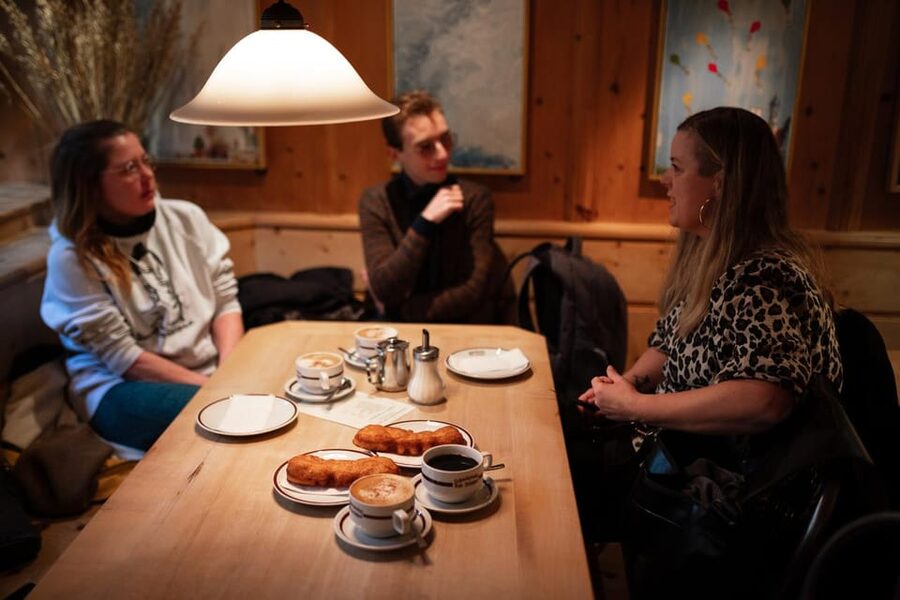
One of the first food moments happens at Rosenstraße 7, with about a 15-minute guided stop and tasting. This is early on purpose. You get food in you before the sightseeing blocks start stacking up.
Rosenstraße is the kind of place where you can walk past shops without noticing what is special about them. A guide changes that. You do not just taste Bavarian food; you hear the background that makes it make sense. Expect an emphasis on Bavarian classics, the kind of everyday comfort foods people keep coming back to.
In one example from the experience people describe, the Leberkäse moment stands out. If you have never tried Leberkäse, think of it as a dense, savory specialty that feels like Munich food in a single bite. You may also run into other local snack-style items during the tastings, including bakery-based foods and rich fillings that go well with the Old Town setting.
This stop is also a good temperature check for you. If you are the kind of eater who likes to try one new thing and then move on, you’ll feel comfortable. If you prefer a full sit-down meal first, you might find the bite-size format more like grazing. Still, that is the point here: the tour is about learning through taste while you move.
Mariensäule and St. Peter’s Church: photo stops with legend fuel
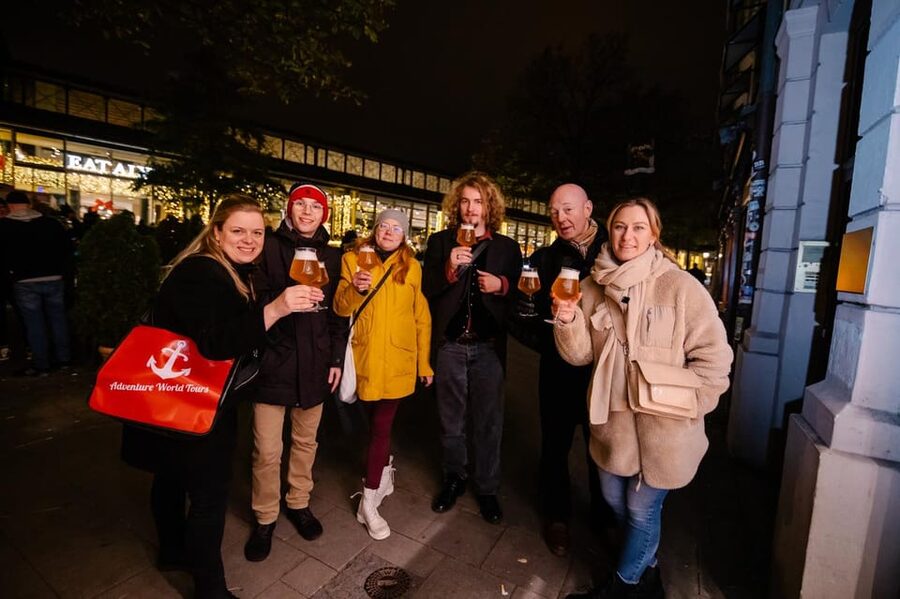
After Rosenstraße, the route includes photo stops and guided storytelling at Mariensäule Munich and St. Peter’s Church. These are not just places to stop and take a picture. The guide uses them to talk about the city’s myths and the legends people keep repeating.
This part is where the tour becomes more than eating. When Eddi links food culture to the city’s wider identity, you start seeing Munich as more than a list of landmarks. You begin to understand how people used to gather, shop, celebrate, and build traditions around both church life and everyday markets.
St. Peter’s Church is one of those spots that always looks impressive in a photograph because it anchors the view. The tour uses it as a reset point, then sends you deeper into the Old Town rhythm.
If you are sensitive to walking, this segment helps because you are not stuck moving continuously. You get short viewing breaks. If you love photography, these photo stops give you time to frame shots without feeling rushed.
A possible drawback here is minor but real. Since it’s a walking tour with photos, you will not linger like you would on a museum schedule. If you want long viewpoints or deep time inside a church, you might want to plan a separate stop later.
The Prälat-Zistl-Straße 10 tasting: Bavarian comfort with a local pace
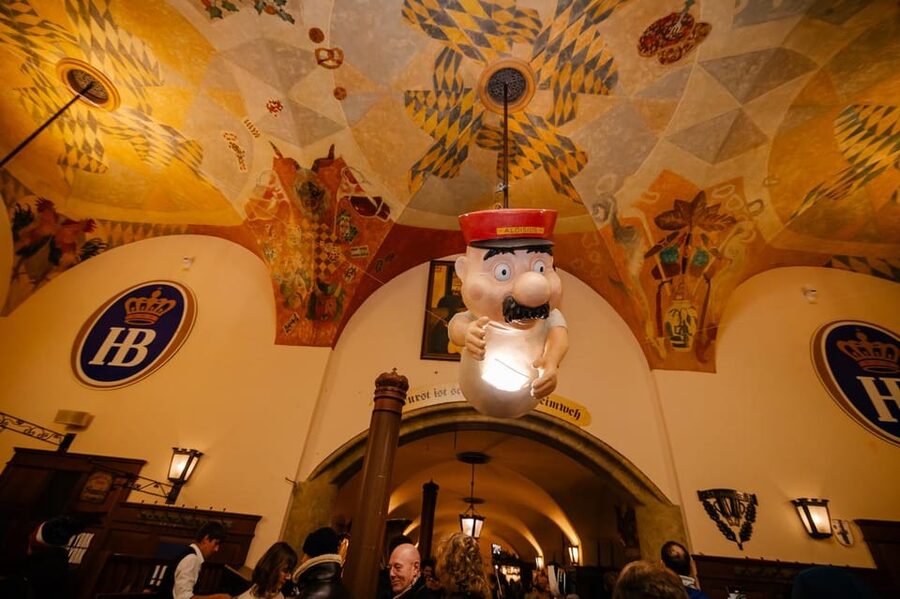
Next up is Prälat-Zistl-Straße 10, another guided stop with tasting time (about 20 minutes). This is one of the key stops for the food side. The route is building toward the market area, and the tastings here help you understand the range of Bavarian flavors.
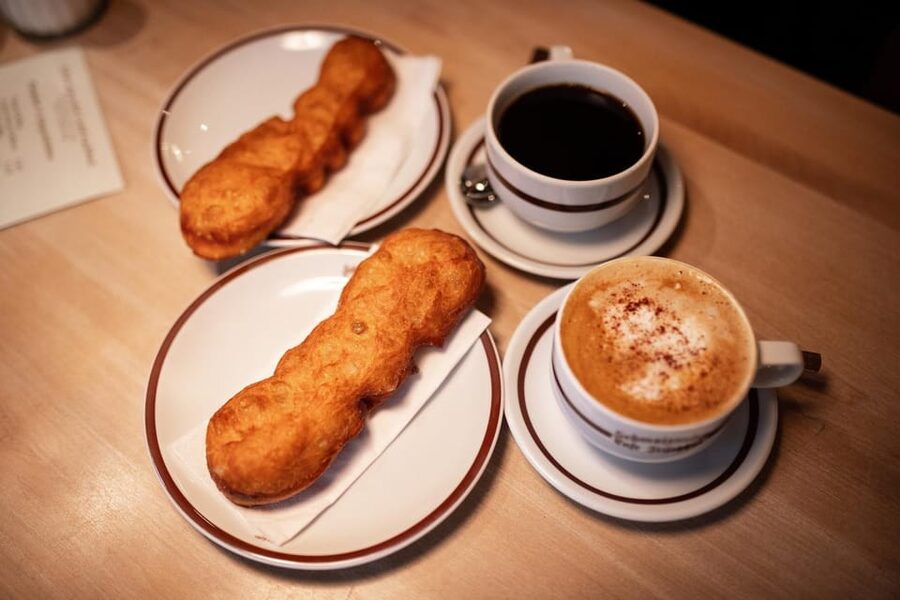
Bavarian food can feel heavy in the best way: savory, filling, built for real hunger. That is why tastings often include items like Leberkäse and other rich pastries or spreads. One highlight people talk about is Schmalzgebäck and a broader range of flavors that go beyond just one meat-and-bread story.
What I like is the way the guide explains what makes the flavors Bavarian instead of simply naming dishes. He frames the food culture as something that came from real needs, real markets, and real habits, not just tradition for tradition’s sake.
This is also where you should pay attention to how you feel. If you hit multiple savory bites in a row, you might want to pace your eating. The tour keeps time moving, but you can slow down and savor. That makes the tastings more memorable and keeps you from feeling stuffed before Viktualienmarkt.
Onward connections from Munich:

Jüdisches Zentrum München: a thoughtful sight pause
The walk includes a photo stop and sightseeing around Jüdisches Zentrum München, plus guided context and a short walking segment (around 20 minutes listed). You will likely hear how local culture and community history shaped the city, not just the most famous postcard spots.
It is one of those stops that adds weight. Food tours can accidentally turn into a candy-colored version of a city, all flavor and no context. This helps balance that out.
I suggest taking a moment here to look slowly around you, then listen to what the guide shares. Even if your attention is tuned mostly to the next bite, a historical pause like this makes the rest of the tasting stops feel more grounded.
The main practical upside: you get a structured break in the route. It is still on foot, but you are not sprinting straight from taste to taste.
Gewürze der Welt and the Behindertenparkplatz area: spice culture and quick bites
The tour then moves through Gewürze der Welt for another guided sightseeing and tasting stop (about 20 minutes). This is the moment where you see how much spices and flavoring traditions matter in Bavarian food culture. You are not just tasting meats and pastries. You are tasting how the city builds flavor through seasoning and old trade influences.
One of the most praised parts of this tour is the spice tasting. If you like learning what changes flavor with small ingredient differences, this stop is the one you’ll remember later when you see the same flavors in a shop window.
Right after that, the itinerary includes another tasting stop tied to an area called Behindertenparkplatz. The name sounds odd, but what matters here is that it is part of the food run and you get another bite-sized taste while the guide keeps telling city stories.
These two stops together are good for balance. If you felt like you were getting only savory, the spice angle adds variety. If you felt like you were learning too much, these tasting moments keep it fun.
Viktualienmarkt and Dreifaltigkeitspl.: the market finale
Viktualienmarkt is where Munich starts to feel like a living pantry. The tour includes a guided stop and tasting here, with time listed at about 25 minutes. This is also where you might notice a shift in mood. Markets are loud, visual, and full of smells, so the experience becomes more grounded and less lecture-like.
In particular, people appreciated the way the tastings fit the market vibe. The food at Viktualienmarkt tends to feel like the kind of place locals would browse, nibble, and chat. If you like street-market energy, this is your payoff.
After that, you have a photo stop and guided time around Dreifaltigkeitspl. 1A, followed by a finish at Dreifaltigkeitspl. 1. Ending here keeps you close to the historic core, so you can continue exploring without needing extra transit planning.
One sweet note: there is a chocolate-related moment during the tour that some people loved for taste, while another person felt the pricing was high enough to skip additional purchases. If you have a sweet tooth, go with a plan. If you do not, it still counts as part of the story of Bavarian treats.
Price and value: what $51 buys in practical terms
At $51 per person, this tour is priced like a mid-budget experience, not a bargain snack. The value comes from three things you get together: a guided walk, five selected tastings, and structured sightseeing through the Old Town.
Tastings alone can add up quickly in Munich, especially when you are sampling items across different places rather than ordering one thing at a single restaurant. Then you add the guide and the route logic. Instead of spending your time guessing where to go next, you get a plan that hits major landmarks and also routes you into food stops you might miss.
The best value case is when you care about food culture and you want context. If you just want to eat your way through Munich, you could do that on your own. But if you want the why behind pretzels, Weisswurst, Leberkäse, and also the sweet side like striezel and knieküchle, the guide time is doing work for you.
Also, the tour can run with small groups, even as few as two people in at least one described booking. That changes the feel. You get more personal pacing, more direct answers, and more time for the guide to tailor tips to your questions.
Practical tips for getting the most from this walk
Bring a mindset of sampling, not ordering. This tour is designed around short tastings, so you will not leave full from a single main dish. Pace yourself. If you know you tend to eat fast, slow down a bit so you can enjoy the later stops like Viktualienmarkt.
Wear comfortable shoes. This is a walking tour with multiple sightseeing and photo pauses, and the best landmarks show up when you keep moving.
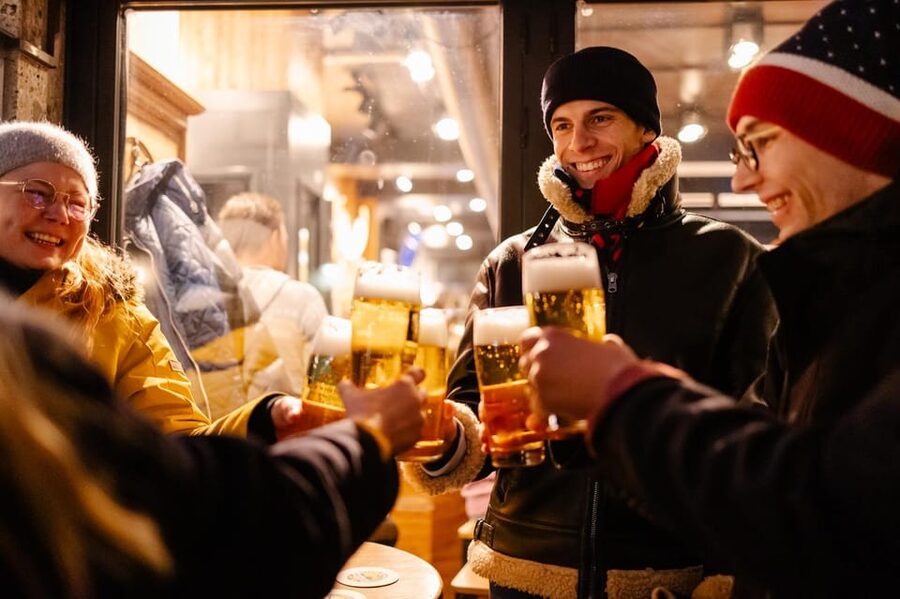
If you do not drink alcohol or you simply want water, plan on buying your own drinks because drinks are not included. That also helps you avoid impulse purchases if you want to keep control of your food budget.
Language matters too. The guide is German, so if you speak very little German, focus on the food names and the guide’s explanations. The tastings make the story easier to follow even when you miss a word.
And if sweets are your weakness, decide in advance. Some people felt a chocolate stop was expensive for what it is. You can still enjoy it, but go in ready, or you might end up paying for the extra purchase moment when you did not plan to.
Who should book this tour, and who might skip it
Book this if you want Munich in one afternoon without turning it into a checklist. It works well for first-timers because you cover the Old Town core and you get help connecting dishes to local culture. It also works for repeat visitors, because the guide’s stories can make familiar landmarks feel new.
It also fits you if you like guides who can explain without sounding stiff. Eddi is described as competent, courteous, and funny, and that matters for a walking tour where you want a lively rhythm.
Consider skipping if you want a long sit-down meal, or if you dislike market-style sampling. This is not a restaurant crawl with huge plates. It is tasting-based sightseeing.
Should you book? My take
If you like your travel days to include both food and storytelling, I’d book it. The combination of Old Town sights, bite-size tastings, and a guide like Eddi who handles humor and insider details is exactly the kind of structured experience that makes cities click faster.
The only clear reasons to hesitate are simple. You might not want to pay for optional extras like pricey sweets, and you should remember that drinks are not included. If those two points are fine, this tour is a strong use of a 3-hour window in Munich.
FAQ
How long is the Munich Old Town Culinary Tour?
The tour lasts 3 hours.
Where does the tour start?
The meeting point is Marienplatz 8, 80331 Munich, at the entrance to the Glockenspielturm.
What is the price per person?
The price is $51 per person.
Are drinks included in the tour price?
No, drinks are not included.
How many tastings are included?
You get five selected tastings at five different locations in Munich’s Old Town.
What language is the live guide?
The live tour guide speaks German.
Is a seat guaranteed?
A guaranteed seat is not included.
Can I cancel for a full refund?
Yes. You can cancel up to 24 hours in advance for a full refund.
Fresh on the arrivals board for Munich
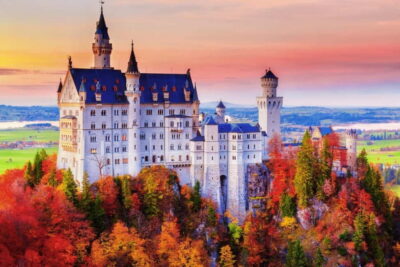

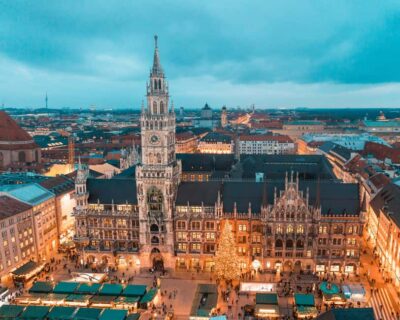

Munich Tours & Activities, compared.
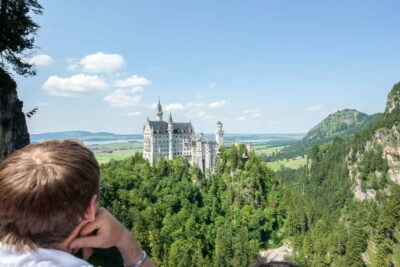
Neuschwanstein & Linderhof Castle Full-Day Trip
Read our review →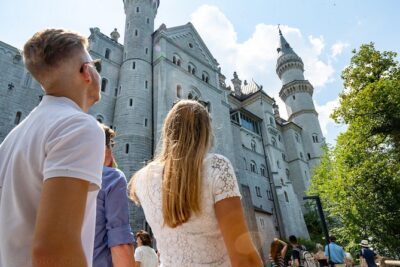
Neuschwanstein & Linderhof Castle-Fairytale Day Tour from Munich
Read our review →
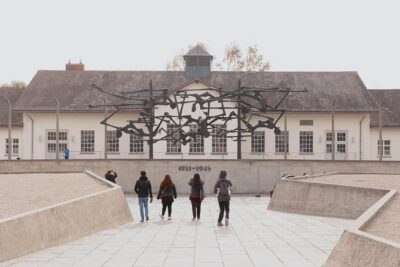
Dachau Concentration Camp Memorial Site Tour from Munich by Train
Read our review →
Munich Hop-On Hop-Off Tour: 1-Day or 2-Day Ticket
Read our review →