
Reviewed · 3-HOUR EXPERIENCES
Munich: 3-Hour Culinary Nightwatch Tour
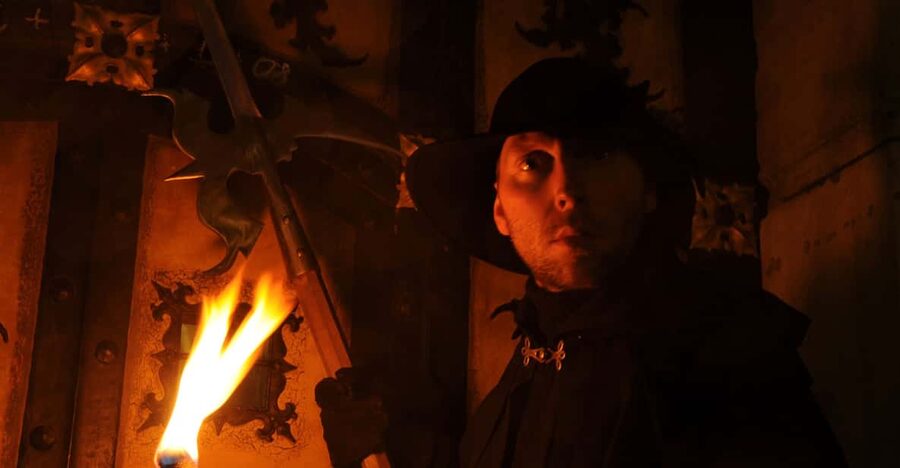
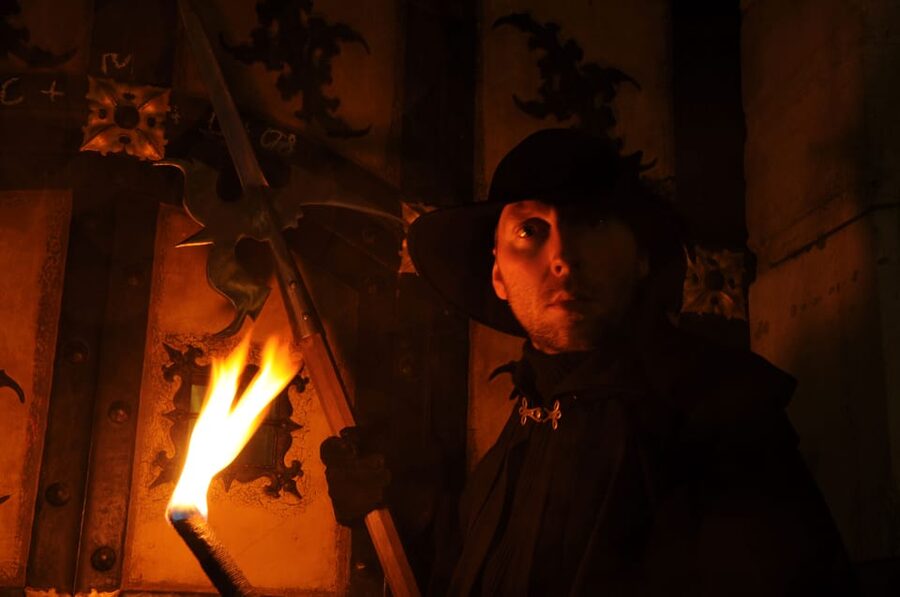
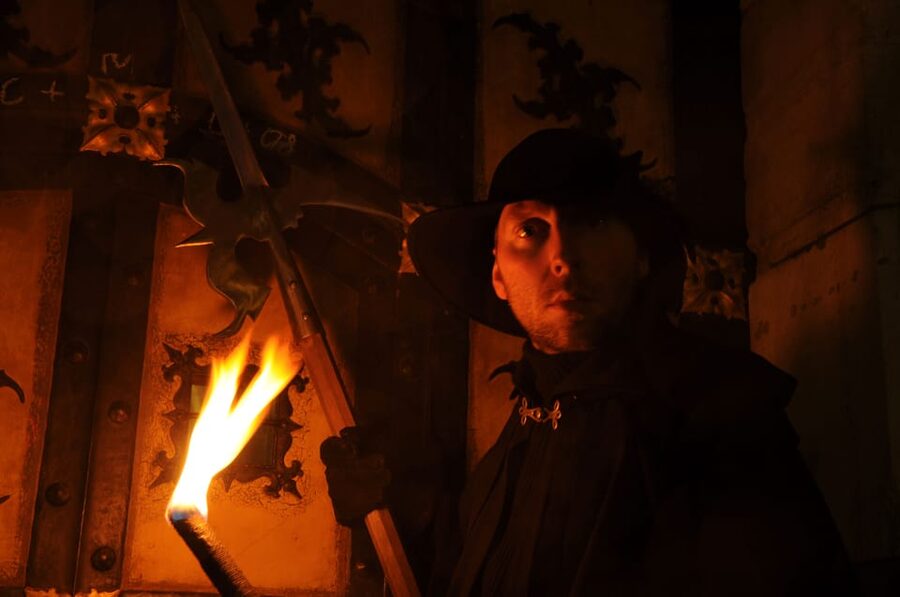
A night watchman in Munich changes the whole feel. You get a 3-hour walk through old-town sights with medieval storytelling and real food stops to keep you going after dark. It is built like a mini evening performance, not just sightseeing.
Two things I like a lot: the historical costume nightwatchman as your guide, and the fact that you are not walking on an empty stomach. You start with a hearty nightwatch meal and drink, then end with dessert and a nightcap, so the timing actually works as a night plan in itself.
The main drawback to consider is group comfort and expectations around the food. Some groups can get tight, and the meal quality can be uneven depending on the evening, so it helps to manage expectations and arrive ready to enjoy the show first.
In This Review
- Key things worth knowing before you go
- Munich after dark, with a costumed guide who tells the town like a story
- Finding your night watchman at Marienplatz (and what to look for)
- Taverns first: the meal and drink that actually set the mood
- St. Peter’s Church and the cemetery stories that stay with you
- Old Town Hall on Salzstraße, city gates, and a spire rebuilt in the 1970s
- Torture chamber, prison, and the Old Court, plus a walk near the 12th-century wall
- Gruftgasse and Schäfflergasse: grime, legends, and the wine vs beer twist
- Frauenkirche towers, Promenadeplatz, and the palaces you pass without realizing
- Salvatorkirche host desecration and the Theatiner Church, Henriette Adelaide, and her son
- The route winds back to the tavern: dessert and a nightcap
- Price and value for an $88, 3-hour night plan in Munich
- Who this tour is best for, and who should skip it
- Should you book the Munich 3-Hour Culinary Nightwatch Tour?
- FAQ
- How long is the Munich 3-Hour Culinary Nightwatch Tour?
- Where do I meet the night watchman?
- What should I look for to find the guide?
- What’s included with the tour besides the walking?
- Is the tour guided in German?
- Is the tour wheelchair accessible?
- How much does it cost?
- Can I cancel for a refund?
- Is there a pay later option?
- Where does the tour take place?
Key things worth knowing before you go
- You start at Marienplatz near the Mariensäule, with your guide wearing a BIG BLUE BAG labeled Weis(s)er Stadtvogel.
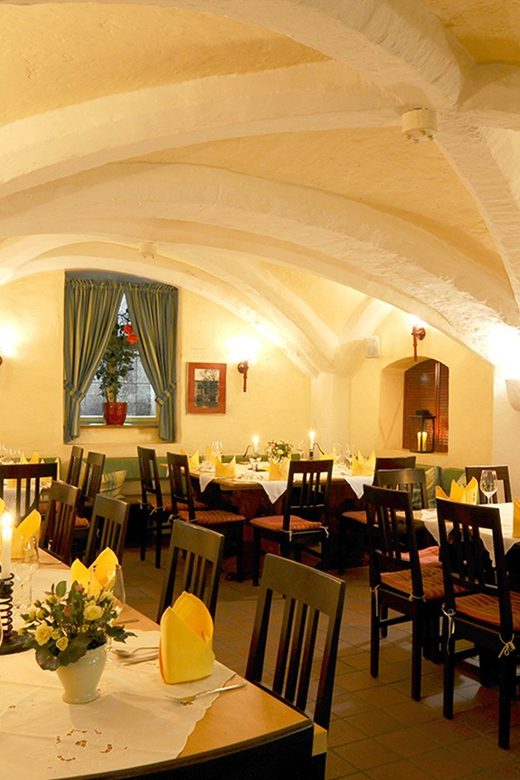
- Food is part of the tour, with a first tavern stop for meat and bread plus a hearty drink, and a final stop for dessert and a nightcap.
- You cover major old-town landmarks like St. Peter’s Church, the Old Town Hall on Salzstraße, and the Frauenkirche towers.
- The stories lean dark and specific, including cemetery customs at St. Peter’s and tales tied to Salvatorkirche.
- You learn medieval Munich details, like why wine was a favorite drink on Schäfflergasse, not beer.
- The guide is live in German, so it is best if you are comfortable following a German tour.
Munich after dark, with a costumed guide who tells the town like a story
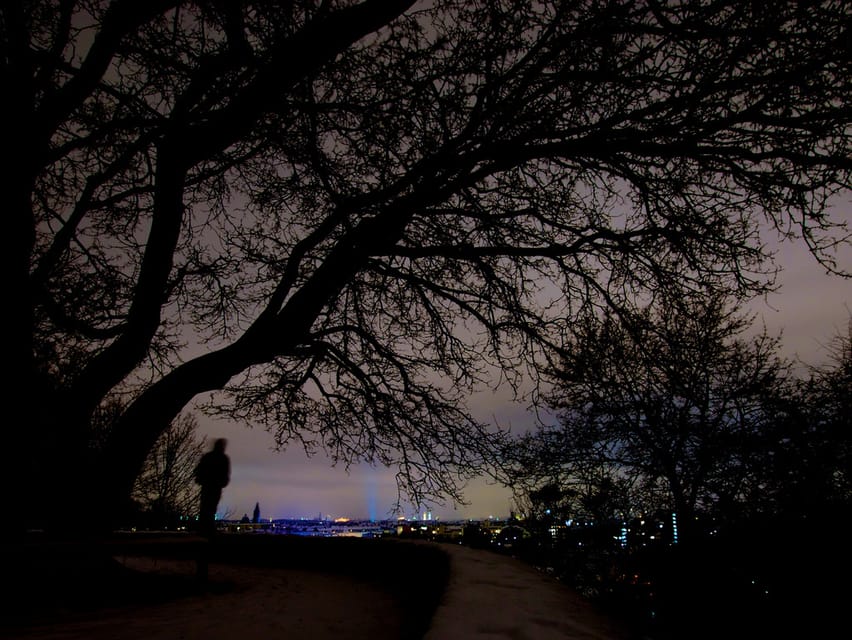
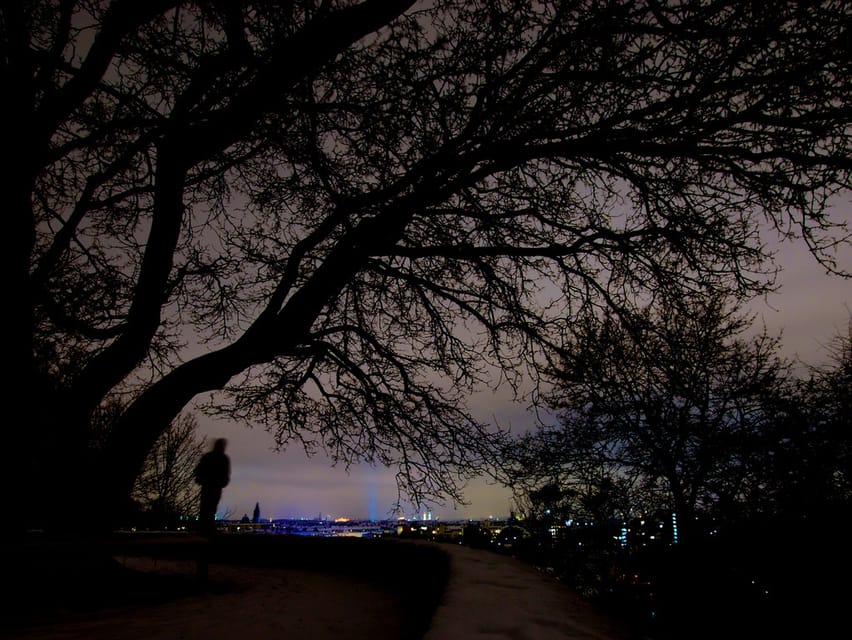
Munich at night has a slower rhythm. Streetlights soften the edges of the old center, and the city feels more like it did before cars, before crowds, and before the modern map. That is exactly why a nightwatch tour works so well here.
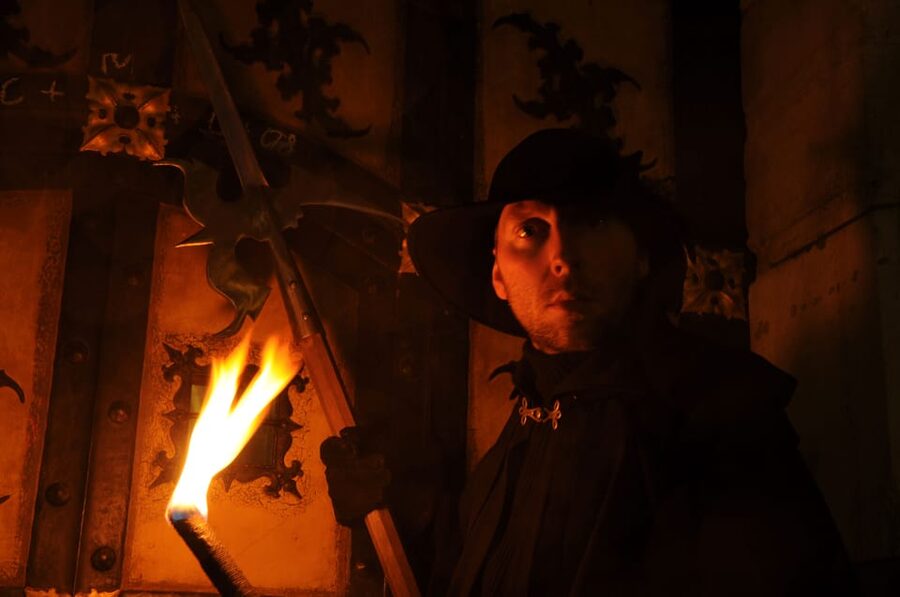
This experience turns that setting into a timed narrative. You walk the streets with a night watchman, dressed for the role, and you hear stories that range from funerary customs to prison and torture sites. It is not gentle trivia, it is entertainment with facts you can picture.
If you like guided walks where the guide actually performs, you will probably enjoy the pacing. The tour is only three hours, but it uses that time for atmosphere, not just checklists.
Also holding a platform in Munich
- From Munich: Neuschwanstein & Linderhof Castle Full-Day Trip
★ 4.6 · 14,646 reviews - Neuschwanstein & Linderhof Castle-Fairytale Day Tour from Munich
★ 4.5 · 7,275 reviews - Munich: Third Reich & WWII Walking Tour
★ 4.6 · 6,181 reviews
Finding your night watchman at Marienplatz (and what to look for)
The meeting point is very specific, which helps when you are trying to meet up after dark. You meet at the Mariensäule at Marienplatz in Munich. Your guide will be wearing a BIG BLUE BAG with white letters reading Weis(s)er Stadtvogel, so you can spot them even in a busy square.
This matters more than it sounds. When tours start at a central hub like Marienplatz, the real stress is figuring out who the guide is. A visible marker like that bag is practical and makes the whole evening feel smoother right from the start.
Also, the guide is a live German-language guide. If you speak some German, you will catch the details. If you do not, you may still enjoy the atmosphere and visuals, but the storytelling is the core of the value here, so consider your comfort level with German.
Taverns first: the meal and drink that actually set the mood
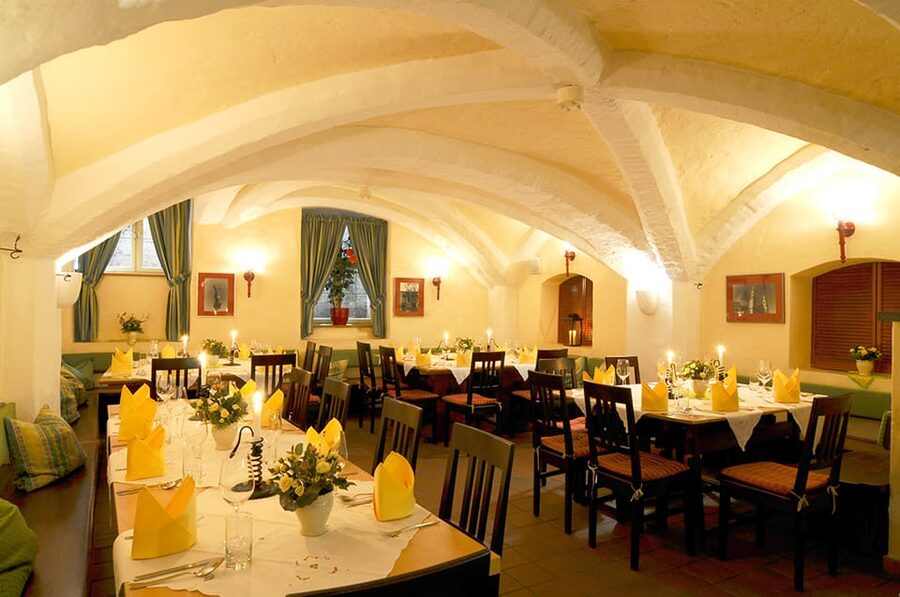
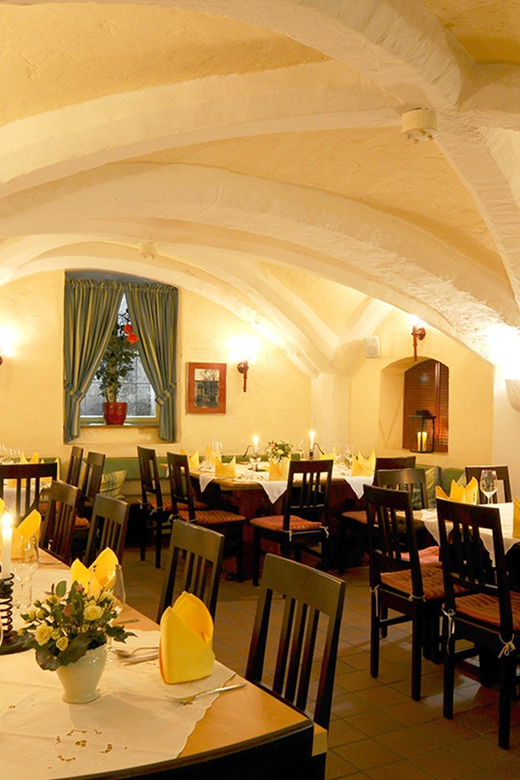
Right after meeting, you head to a quaint tavern for the nightwatch meal. This is not just a coffee break. The tour’s food stop is described as a hearty setup, with meat and bread plus a drink to gather strength.
That is a smart design for a wintery-feeling city walk or simply an evening when you might otherwise eat too late. You are given fuel early, so you can focus on the route and the stories instead of hunting for dinner mid-tour.
The tour also ends with another food moment, which is part of why this works as a standalone evening plan. You return to the tavern and can finish with dessert and a nice drink. That closing stop turns it into a full arc: fuel at the start, storytelling through the old streets, then a sweet, warm landing.
One practical consideration: the meal quality can vary, and group size can make seating feel tight. If you are picky about dinner, treat the food as “part of the experience” rather than a fine-dining promise. The value is really in the combination of costume, stories, and structured time with stops.
St. Peter’s Church and the cemetery stories that stay with you
After the first tavern stop, the route begins in earnest through Munich’s old town. The night watchman guides the group through alleys and streets with a clear tone: you are meant to keep to the mission, and you might hear reminders about avoiding dishonorable folk.
One of the first big stops is St. Peter’s Church. From there, the tour shifts into cemetery territory, including details about funerary customs, epitaphs, and how burials were handled. The description includes some grim specifics, like foul-smelling corpses and missing church pews, so this is not a squeamish-friendly tour.
Why do I think this part is valuable? Because it shows how daily life and death were woven into the city’s routines. It is easier to understand a place when the guide connects architecture to human behavior, even when the subject matter is dark.
If you like guides who bring places to life with concrete, sometimes uncomfortable details, you will likely find this section the most memorable.
Old Town Hall on Salzstraße, city gates, and a spire rebuilt in the 1970s
Next, you reach the Old Town Hall on Salzstraße, a historic street in the old center. The night watchman tells stories about the old city gate and includes an unexpected modern link: the reconstruction of the spire in the 1970s.
That mix is a good reminder of something you might forget when walking in historic districts. Cities are not time capsules. The past is layered with rebuilding, repairs, and changes driven by politics, safety, or simple wear and tear.
Salzstraße works well at night because it feels like a corridor into older Munich. With the guide speaking in character, it becomes less like “passing by” and more like moving through chapters.
Onward connections from Munich:

Torture chamber, prison, and the Old Court, plus a walk near the 12th-century wall
As you continue, you pass by sites tied to punishment and detention, including a torture chamber and prison. The route then brings you to the Old Court, and from there you follow the trail where the original city wall from the 12th century once stood.
This is where the tour’s tone shifts from church-and-cemetery to power-and-control. It is a different kind of story, but it is still tied to the same question: how did Munich work, and who held authority?
After that, you leave the moated castle and head west. Even without a map full of labels, you start to get a sense of movement through the city’s old borders. You see how the city wall shaped travel routes and where key civic spaces likely clustered.
If you like urban history with a physical route, this portion gives you that. You are walking in the spaces where the stories took place, not just hearing abstract background.
Gruftgasse and Schäfflergasse: grime, legends, and the wine vs beer twist
The route includes Gruftgasse, where you hear gruesome tales. Then you move into Schäfflergasse, and this is one of those details that helps you understand medieval Munich in a way that normal sightseeing often skips.
In this story, you learn that in medieval Munich, wine was the drink of choice, not beer. It is a small line, but it hits a big theme. Traditions can be real, but they are also historically specific. Munich’s drinking culture has shifted over time, and the guide uses the street itself to explain why.
Schäfflergasse is also the kind of street where the lighting at night helps. The narrow lanes and older facades make the conversation feel more grounded. You can almost hear how a messenger or nightwatchman would have moved through this area.
And then, as the tour goes on, you start seeing how the “dark tales” theme is part of a broader nightwatch role. The guide is not only scaring you. The mission is to keep order, watch for trouble, and report what is happening inside the city’s walls.
Frauenkirche towers, Promenadeplatz, and the palaces you pass without realizing
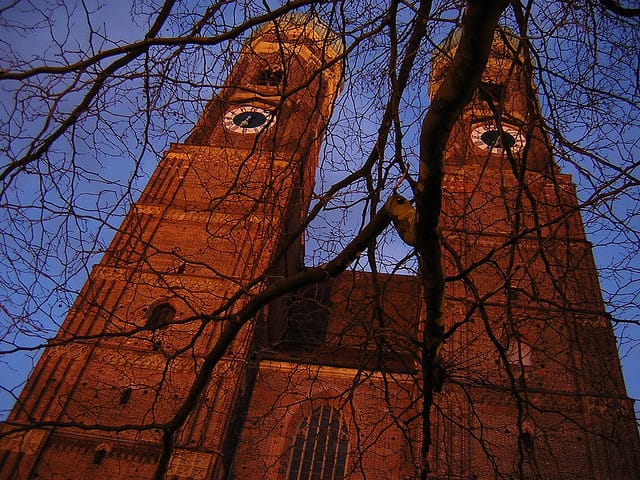
Later you reach Frauenkirche, with a focus on its two towers. This is one of Munich’s key landmarks, and seeing it during a night walk gives it a different emotional weight than a daytime photo stop.
After that, you pass Promenadeplatz, plus Palais Portia and Palais Holnstein. These are the kinds of stops that can be easy to ignore on your own, because you might not know what you are looking at or why it matters.
A nightwatch guide helps here by threading them into the story. Instead of “Here is a palace, keep walking,” you are more likely to get a reason for its place in the narrative of the old city.
Even if you are not a hardcore architecture person, this section gives you a sense of scale and status. You start to understand who built what, and where power and culture showed up around the same streets.
Salvatorkirche host desecration and the Theatiner Church, Henriette Adelaide, and her son
The tour does not stay safely in church interiors or polite anecdotes. You hear about a shocking event tied to Salvatorkirche, described as a host desecration. That is heavy content, but it is also exactly the kind of medieval dramatic episode that shaped rumor, memory, and civic identity.
Then comes the Theatine Church, and the tone shifts again into biography. You learn about Henriette Adelaide, and specifically that her son made sure the Theatine cloister was built.
That detail is useful because it connects a person to a physical place. You are not only hearing about what happened, you are also seeing how outcomes are built into the city.
In a three-hour walk, it is a strong mix. You get institutional stories, personal stories, and landmark stops. That blend is often what keeps a night tour from feeling repetitive.
The route winds back to the tavern: dessert and a nightcap
After the big landmarks and final church stories, the tour returns to the tavern. This is the wrap-up portion where you can end the evening with dessert and a nice drink.
I like this structure because it gives you closure. Many guided walks just stop and send you back into the night. Here, you get a final sit-down moment, which makes it easier to digest what you heard and what you saw.
It also makes the tour feel like more than a stroll with talking. It feels like a planned night out with a clear beginning, middle, and end.
Price and value for an $88, 3-hour night plan in Munich
At $88 per person for about three hours, you are paying for more than direction. You are paying for the nightwatch experience: a historical costume guide in German, two tavern food moments, and a structured route through major old-town stops.
Here is the value logic I see:
- You get two included food phases. That matters in Munich, where dinner can swallow your evening.
- You get performance-style storytelling. This is not a quiet museum guide. It is built around character and dramatic details.
- You get a tight route that includes several standout sights like St. Peter’s Church, Old Town Hall, and Frauenkirche in one evening.
The main “watch-outs” are practical. The group can feel crowded because the experience happens in tavern spaces and narrow streets. If you want lots of elbow room, try to arrive early and keep an eye on where you stand when the group stops.
Food quality also seems to vary. One person found the meal medium and did not love the dessert ending arrangement. That does not mean it is always bad, but it is fair to say the dinner is not the headliner. The headliner is the nightwatch character and the story-driven route.
Another small reality check: the tour can run a bit longer than three hours. If you have a strict next reservation, consider building in buffer time.
Who this tour is best for, and who should skip it
This nightwatch tour fits best if you want:
- a guided walk that feels like a show
- lots of old-town landmarks in one evening
- a tour that includes food and a built-in night plan
It is also a great match if you enjoy darker medieval topics but still want the experience light enough to be fun. The stories are described as gruesome and include cemetery and punishment details, so you should be prepared for that tone.
You might skip it if:
- you want purely cheerful history
- you are sensitive to graphic or grim storytelling themes
- you strongly prioritize restaurant-quality meals over the guided experience
If you speak German or at least follow spoken German well, you will get more out of every stop. If you do not, the evening can still be enjoyable for the sights and atmosphere, but the storytelling is where the value is concentrated.
Should you book the Munich 3-Hour Culinary Nightwatch Tour?
I would book it if you want a ready-made evening in Munich old town, with costume-guided storytelling plus included tavern food. It is a smart choice when you want your night to feel planned, not improvised, and when you like your history with theatrical energy.
I would think twice if you are aiming for a gourmet meal first, because the food is part of the format rather than the main promise. Also consider group comfort, since some evenings can get tight.
If you are flexible, open to spooky medieval details, and ready to spend three hours walking and listening, this tour offers a lot for an $88 night plan.
FAQ
How long is the Munich 3-Hour Culinary Nightwatch Tour?
The tour lasts 3 hours.
Where do I meet the night watchman?
You meet at Mariensäule at Marienplatz, Munich.
What should I look for to find the guide?
The guide will be wearing a BIG BLUE BAG with the white words Weis(s)er Stadtvogel.
What’s included with the tour besides the walking?
The tour includes a nightwatch meal and a drink at the first stop, plus dessert and a nightcap at the end.
Is the tour guided in German?
Yes. The live tour guide is German.
Is the tour wheelchair accessible?
The tour is listed as wheelchair accessible.
How much does it cost?
The price is $88 per person.
Can I cancel for a refund?
Yes, free cancellation is available up to 24 hours in advance for a full refund.
Is there a pay later option?
Yes, you can reserve now & pay later.
Where does the tour take place?
It is a Munich experience in Bavaria, Germany.
Fresh on the arrivals board for Munich

3-Hour Experiences, compared.



Munich’s Beer Halls and Breweries: 3-Hour Guided Tour
Read our review →
Browse the lists this tour appears in