
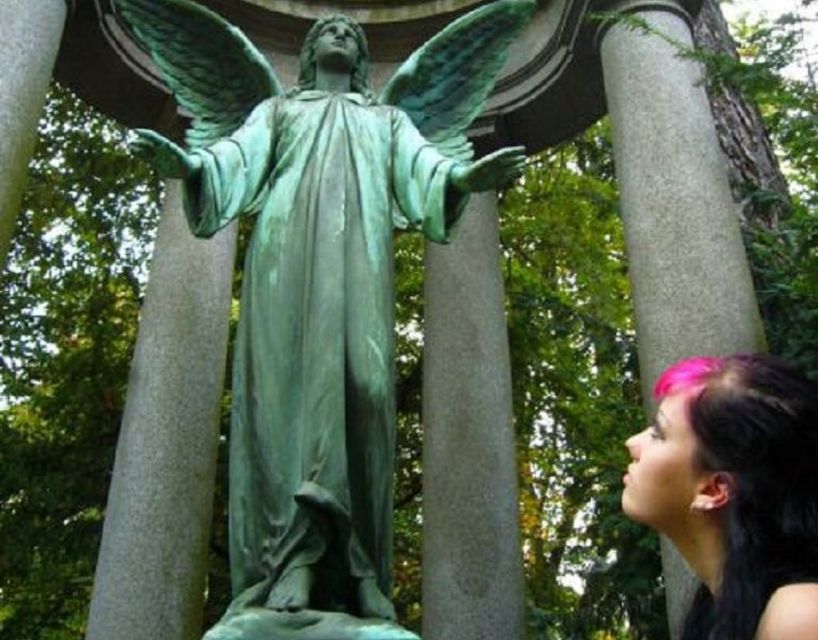
Reviewed · LEIPZIG TOURS & ACTIVITIES
Leipzig: Guided Tour of the Southern Cemetery
Cemeteries can teach you how cities think. The Leipzig Southern Cemetery (Südfriedhof) is that kind of place, consecrated in 1886, and built as a park-like memorial with huge monuments, hundreds of sculpted tombs, and deep art-history meaning. I like how the scale hits you fast: it is Leipzig’s biggest cemetery at 82 hectares, and you feel the design as you move through it.
What makes this tour especially worthwhile is the guide’s voice. With Herr Paul, you get a lively, cheerful explanation that links Leipzig’s story to the cemetery’s story, and it lands because his knowledge feels both broad and practical. One thing to consider: the tour is in German, and while the listing says wheelchair accessible, it also says it is not suitable for people with mobility impairments, so you should double-check whether your specific needs can be accommodated.
In This Review
- Key highlights to look for
- Leipzig South Cemetery, the 82-hectare “open-air museum” in Leipzig’s south
- Meeting at the main entrance, then getting oriented fast
- Otto Wittenberg’s planning: how the cemetery feels like a designed park
- The huge cemetery monument and the around 500 works of funerary art
- Famous graves across business, science, art, and architecture
- The largest columbarium north of the Alps, and how remembrance evolves
- Two hours on the ground: what you will get, and what you will not
- Price and value: $16 for a focused, story-led cemetery tour
- Who this Südfriedhof tour suits best
- Should you book the Leipzig Guided Tour of the Southern Cemetery?
- FAQ
- How long is the Leipzig Southern Cemetery guided tour?
- What does the tour cost?
- Where do I meet the guide?
- Is the tour offered in English?
- What is included in the price?
- Are food and drinks included?
- Is the tour wheelchair accessible?
- What should I bring?
- What is the cancellation policy?
Key highlights to look for
- Südfriedhof’s huge monument field with many funerary monuments to read like public art
- Around 500 works of funerary art, so you are not just seeing graves, you are seeing design
- Otto Wittenberg’s park planning, tied to a wider tradition of designed memorial landscapes
- Graves of major entrepreneurs, scientists, artists, and architects, connecting commerce and culture to the city
- Europe-scale architecture, including the largest European cemetery building mentioned for the site
- The largest columbarium north of the Alps, adding a modern layer to remembrance
Leipzig South Cemetery, the 82-hectare “open-air museum” in Leipzig’s south
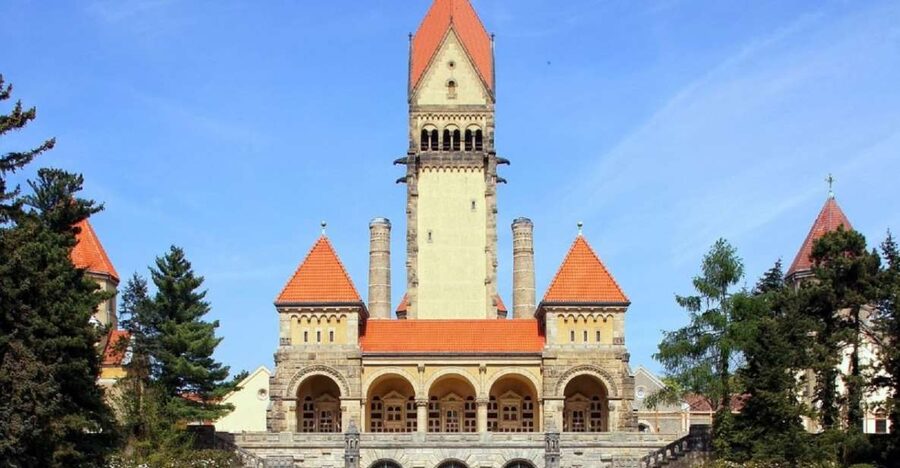
Leipzig’s Südfriedhof is one of those places that changes your sense of what a cemetery can be. It is not only about individual graves. It is an area monument that brings together multiple art and planning ideas in one unified space.
The basics matter because they explain the experience. At 82 hectares, it is the largest cemetery in Leipzig. It sits in the south of the city, near the Monument to the Battle of the Nations. That location gives you an immediate sense of “this is part of Leipzig’s public story,” not something hidden away.
Then there is the art-history weight. This cemetery is described as one of the most important in Europe in terms of culture and art history, and it is tied to named design heritage through Otto Wittenberg, who was a pupil of Lenné. In other words, your walk is also a walk through a specific approach to public space and commemoration.
Also holding a platform in Leipzig
- Leipzig: City History Canal Sightseeing Tour on a Motorboat
★ 4.7 · 7,671 reviews - Leipzig: The Original Night Watchman Bremme Tour
★ 4.5 · 3,815 reviews - Combo Tour in Leipzig: Guided City Tour & City Sightseeing
★ 4.7 · 2,317 reviews
Meeting at the main entrance, then getting oriented fast
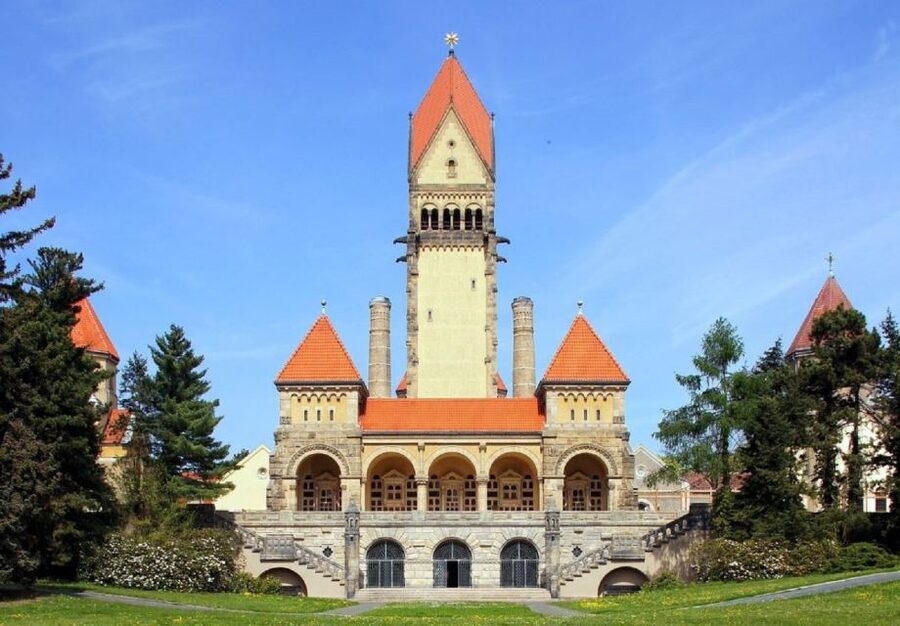
The tour meets at the main entrance, where the guide is waiting for you. That matters more than it sounds, because a cemetery like this can feel like a maze if you show up on your own.
In the first stretch of the walk, you will likely get a “how to read the place” moment. You start learning what to look for, and you learn how the monuments relate to each other across the grounds. This is where a short, focused tour format shines. In two hours, you want guidance that helps you pick up patterns instead of wandering randomly.
Practical tip: wear comfortable shoes. Cemetery surfaces and paths can be uneven, and you will want your feet to be happy. Bring water too, especially if you are visiting in cooler months and then still end up with long stretches in open air.
Otto Wittenberg’s planning: how the cemetery feels like a designed park
One of the most interesting pieces of the Südfriedhof story is that the site is not just a collection of tombs. It is an overall creation, described as uniting a “park creation” connected to Otto Wittenberg.
That design connection changes how you experience the cemetery. Instead of treating graves as isolated points, you start seeing them as part of a broader plan. You can sense how the grounds guide you, how sightlines and space make some monuments feel more important, and how the “public monument” idea fits a cemetery that is also a park-like place.
This is one reason I like going with a guide here. You will likely learn what the design is trying to do. In a place where people usually come quietly, the tour helps you notice the deliberate thinking behind the layout.
The huge cemetery monument and the around 500 works of funerary art
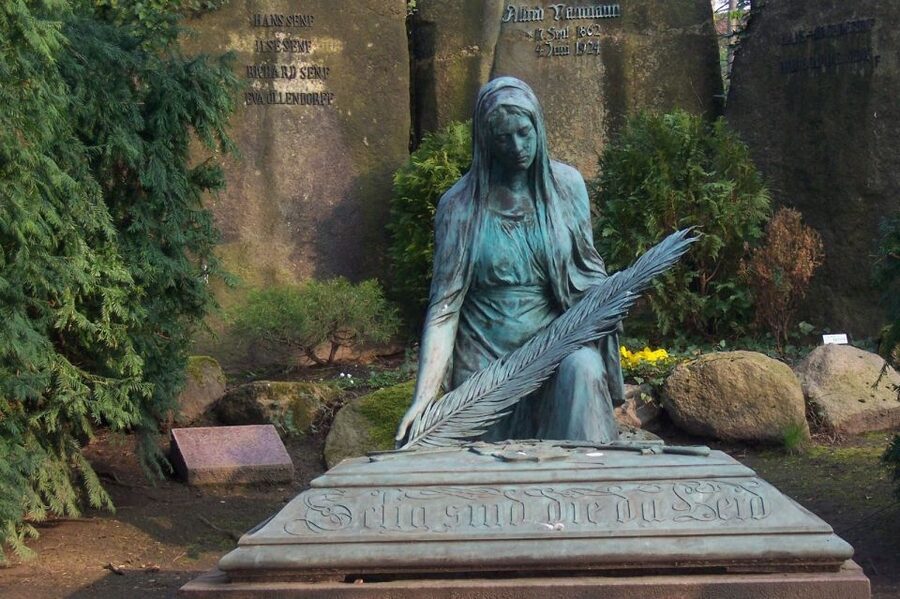
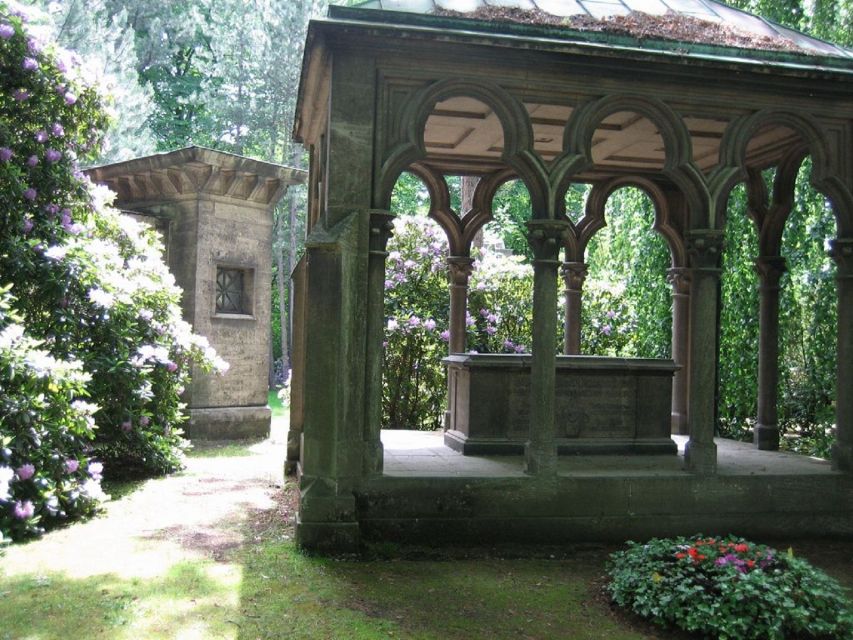
If you want to understand why this cemetery is famous, focus on the art. The Südfriedhof contains around 500 important works of funerary art, and the sheer variety is part of the impact.
You will see numerous funerary monuments, including a huge cemetery monument that is a clear visual anchor. Standing near major monuments in an environment like this can be emotionally intense, but the tour framing helps you hold two ideas at once: respect for the dead, and interest in the living culture that created these memorials.
Here is what I think is the practical value of the tour in this section. Cemeteries tend to reward people who know what to look for. Even when you recognize names on stones, you might miss the “why” behind styles, placement, and symbolism. A guide can point out connections you would never guess on your own, and the reviews you provided underline that exact sort of learning moment.
Also noted for the site: it includes the largest European cemetery building mentioned in the description you shared. That kind of claim tells you this is not a small-town graveyard. This is architecture and memorial design at a big scale.
Famous graves across business, science, art, and architecture
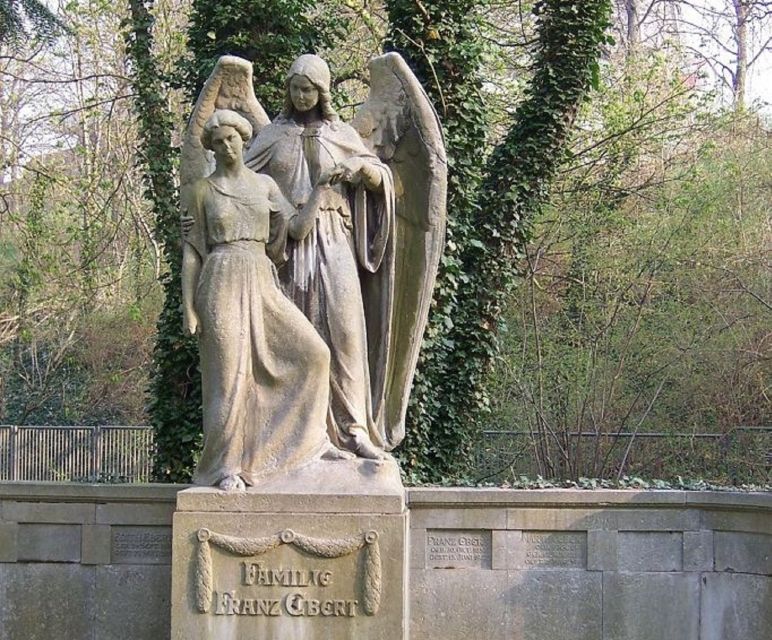
A cemetery tour can go two ways: either it turns into a facts-only list of names, or it becomes a story about a city. This one leans into the second.
You will learn about graves of important entrepreneurs, scientists, artists, and architects. That mix is valuable because it shows you how Leipzig valued different kinds of achievement. It is a reminder that a city’s history is not only politics and dates. It is also what people built, studied, created, and sold.
The guide, including Herr Paul, is praised for connecting the history of Leipzig with the history of the cemeteries. That connection is exactly what you want in this kind of tour. You are not walking through random markers. You are walking through a map of who shaped the city and what kinds of contributions the community chose to remember.
If you enjoy cultural history, you will likely get more out of this tour than you expect. If you just want photos and a quick stroll, you might find the two-hour pace a bit structured. But if you like learning as you walk, this is the sweet spot.
Onward connections from Leipzig:




The largest columbarium north of the Alps, and how remembrance evolves
Another highlight in the description is the largest columbarium north of the Alps. A columbarium is a reminder that memorial practices change over time, and that cemeteries do more than freeze history. They adapt.
Seeing a columbarium as part of a site like the Südfriedhof gives you a fuller understanding of the cemetery’s timeline. You are not only looking at traditional gravestones and sculptures. You are also looking at a form of remembrance that reflects different social needs and different ideas about how people want to be remembered.
A guided tour helps here too. Without context, you might view the columbarium as just another structure. With guidance, you can understand how it fits into the larger memorial plan of the cemetery.
Two hours on the ground: what you will get, and what you will not
This tour runs for about 2 hours. That timing matters. In a place this large, two hours cannot cover everything. Instead, it is set up for a meaningful overview: highlights, key art elements, and the most important stories.
Think of it as a guided introduction. You leave with a new “mental map” of what makes the Südfriedhof important: the park-like design, the concentration of funerary art, the major monuments, the mix of famous categories of people, and the major architecture and columbarium feature.
What you might not get is a full, line-by-line reading of every monument. That is not the point here. The point is to help you recognize the big ideas so that if you return later, you will know what to look for and why.
Price and value: $16 for a focused, story-led cemetery tour
At $16 per person for a 2-hour guided tour, this is strong value if you care about interpretation. What you are paying for is not access to a locked site. It is the guide’s ability to connect art, city history, and memorial meaning into something you can actually understand while you walk.
If you go unguided, you can still enjoy the scale and the sights. But you might miss why certain parts feel more important, what the cemetery is known for in art history, and which features are truly standout, like the major cemetery monument, the large funerary art collection, the major architecture, and the columbarium claim.
I also like that it is a short commitment. For $16, you can fit it into a Leipzig day without feeling like you spent half your trip standing in silence and not knowing what you are looking at.
Who this Südfriedhof tour suits best
This is a great choice if you like:
- Art history on foot, especially sculpture, monuments, and public memorial design
- City history that connects names and achievements to place
- A guided experience that explains what you are seeing, not just where to stand for photos
It is also a good option for people who like structured walking. The “tour format” helps you move through a large area without losing your sense of direction.
One more note on fit. The information you shared lists wheelchair accessible, but it also says it is not suitable for people with mobility impairments. If you have mobility needs, treat that as a reason to confirm details with the operator before you book.
Should you book the Leipzig Guided Tour of the Southern Cemetery?
Book it if you want a guided, story-led way to experience Südfriedhof, especially if you care about how memorials reflect culture and art. A big plus is the guide experience: Herr Paul is repeatedly praised for being cheerful, enthusiastic, and deeply knowledgeable, with a teaching style that connects Leipzig’s history to the cemetery’s history. If you want a fresh perspective on cemeteries as public art and city memory, this tour is a strong bet.
Skip it or consider another format if you only want total quiet and zero talking, or if you prefer an English-speaking guide, since the tour is listed as German.
If you are deciding between a quick self-walk and a guided introduction, I would choose the guided tour here. For $16 and two hours, you gain the context that makes the monuments, funerary art, and architectural features actually mean something.
FAQ
How long is the Leipzig Southern Cemetery guided tour?
The tour lasts about 2 hours.
What does the tour cost?
The price is $16 per person.
Where do I meet the guide?
The guide will be waiting for you by the main entrance.
Is the tour offered in English?
No. The live tour guide language is German.
What is included in the price?
The guide is included.
Are food and drinks included?
No. Food and drinks are not included.
Is the tour wheelchair accessible?
The activity is listed as wheelchair accessible, but it also states it is not suitable for people with mobility impairments. If you have mobility concerns, confirm your needs with the provider before booking.
What should I bring?
Bring water and comfortable shoes.
What is the cancellation policy?
You can cancel up to 24 hours in advance for a full refund.
Fresh on the arrivals board for Leipzig




Leipzig Tours & Activities, compared.
City History Canal Sightseeing Tour on a Motorboat
Read our review →

Combo Tour in Leipzig: Guided City Tour & City Sightseeing
Read our review →




Browse the lists this tour appears in