

Reviewed · LEIPZIG TOURS & ACTIVITIES
Leipzig: Courtyards, Houses, Trade – Passage Tour in German
Leipzig passages feel like secret shortcuts. This 2-hour Courtyards, Houses, Trade walk is all about the city’s older shopping and trading routes, shaped by the practical demands of Leipziger Messe. You’ll move through covered corridors, small courtyards, and passageways that are sometimes busy, sometimes quietly tucked away.
I really like two things here: you get Mädler Passage as a standout architectural stop, and you also learn how the passage system was built for real movement, goods, and people. The route blends old and newer passages and exhibition-house links, so you do not get stuck in one time period.
One watch-out: the tour is German-only, so it may not work well if you need English. Also, it is short, so you will see a lot of highlights, but not everything in deep detail.
In This Review
- Key things you will notice on this passage tour
- Start at Katharinenstrasse 8, in the middle of Leipzig’s old trade area
- Mädler Passage: the Leipzig stop that makes the whole tour click
- Leipziger Messe courtyards: shopping space that started as practical fair support
- Old and new corridors: what changes after exhibition houses enter the picture
- Courtyards and houses as living architecture, not dead monuments
- Two hours of walking: how to plan your day around it
- Price and value: $18 for a guided system of Leipzig’s trading routes
- Who should book this Leipzig passage tour
- Should you book this Leipzig Courtyards, Houses, Trade passage tour?
- FAQ
- Is this tour offered in English?
- How long is the tour?
- What is the price?
- Where does the tour start?
- Are entrance fees included?
- Are food and drinks included?
- Is there a live guide?
- What kind of cancellation policy is available?
- Can I reserve and pay later?
- Who runs the tour?
Key things you will notice on this passage tour
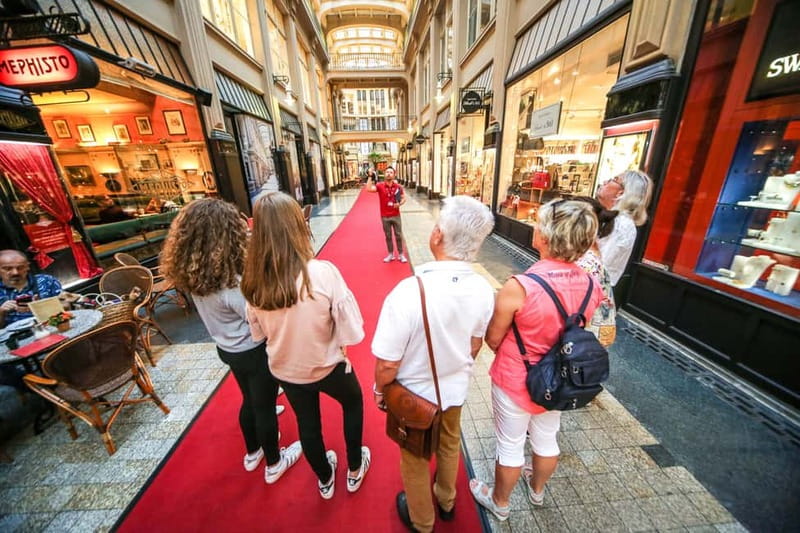
- Mädler Passage is the architectural headline and it gives you an instant sense of Leipzig’s trading culture.
- Passages made for logistics, not just sightseeing, so the walking routes make more sense as you go.
- Courtyards connect shopping and movement, especially around the Messe world.
- Old corridors meet newer exhibition-house design, showing how the system evolved.
- A trained guide keeps it moving, with an experience that most people describe as short, interesting, and well run.
Start at Katharinenstrasse 8, in the middle of Leipzig’s old trade area
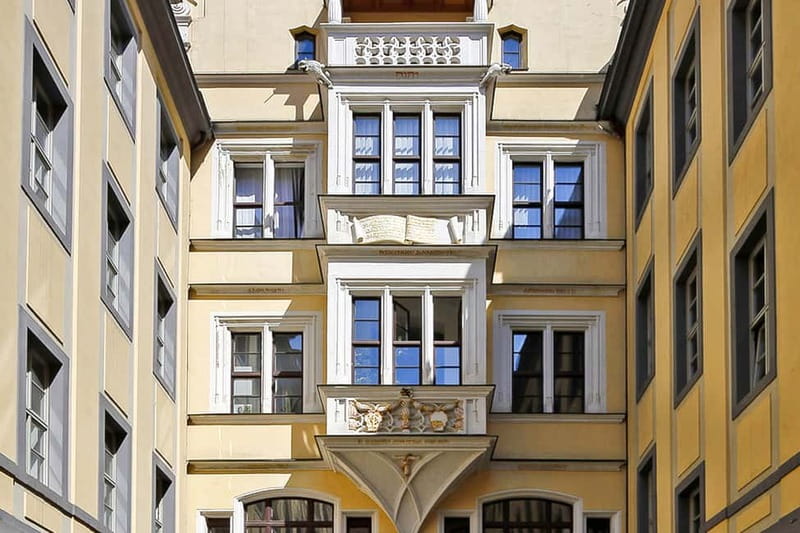
The tour meets at the tourist information office at Katharinenstr. 8. That’s a sensible start, because it puts you right near Leipzig’s core pedestrian lanes and allows the guide to stitch the story together as you walk.
This is a live guided experience led by a trained guide, and the practical value is that you do not just drift through alleys. You get “why it’s here” explanations as you pass through different kinds of passages, from larger, well-known stretches to smaller, less-used corridors.
You’re also dealing with a tight time window, 2 hours total. That means pacing matters. The best way to get value is to wear comfortable shoes and stay mentally ready for frequent turns and narrow spaces, especially around passage entries and courtyard thresholds.
Also holding a platform in Leipzig
- Leipzig: City History Canal Sightseeing Tour on a Motorboat
★ 4.7 · 7,671 reviews - Leipzig: The Original Night Watchman Bremme Tour
★ 4.5 · 3,815 reviews - Combo Tour in Leipzig: Guided City Tour & City Sightseeing
★ 4.7 · 2,317 reviews
Mädler Passage: the Leipzig stop that makes the whole tour click
If you want one place that anchors the tour, it is Mädler Passage. The experience is designed to take you to the most splendid passage in Leipzig, and the point of that stop is bigger than Instagram-worthy architecture.
Here’s what I think matters for you as a visitor: Mädler Passage helps explain why Leipzig developed a network of covered, connected routes in the first place. Once you see a passage with that kind of presence, the smaller corridors you visit later start making sense. They stop feeling random, and start feeling like part of a system.
What to look for while you’re there:
- Architectural character that feels both formal and built for flow, not just decoration
- The sense of a “route,” meaning you can picture where people moved during fairs and trade periods
- The way the passage connects into the surrounding city fabric, so you understand it as part of daily life
The mild drawback is simple: because it is such a highlight, it can feel busy compared with the quieter side passages. If you like slow, empty streets, you might prefer the smaller stretches before or after the big moment.
Leipziger Messe courtyards: shopping space that started as practical fair support
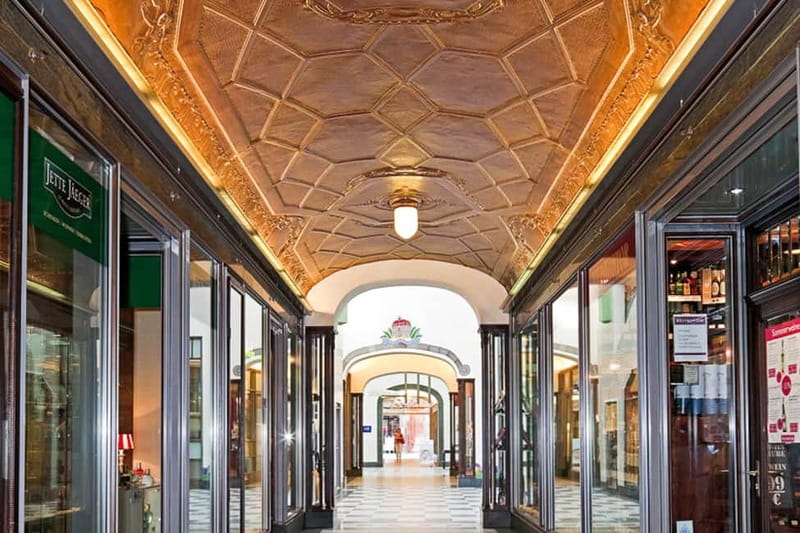
One of the most interesting ideas in this tour is that the courtyards of Leipziger Messe were among the first shopping centers. That flips a common sightseeing assumption. You might expect courtyards to be leftover leftovers, but here they function like support infrastructure for trade.
The city’s commercial rhythm shaped the built environment. During major market periods, Leipzig needed routes where visitors and merchants could move without constantly turning around or fighting weather. The tour’s storyline uses a Goethe quote to capture the idea that the world was gathered in a nut shell, which you can feel when you realize how compact the passage network can be.
Why this matters to you:
- It turns your walk into a “movement lesson,” not just a “photo walk.”
- You start noticing how passages and courtyards guide traffic patterns.
- You can better imagine how horse-drawn carriages would have navigated the town, since the design helped avoid awkward U-turns.
Also, you get a sense of how Leipzig adapted. The tour explains that with the construction of exhibition houses, the present-day passages were created. That gives you a useful timeline in your head, even if you do not stop at a museum.
Old and new corridors: what changes after exhibition houses enter the picture
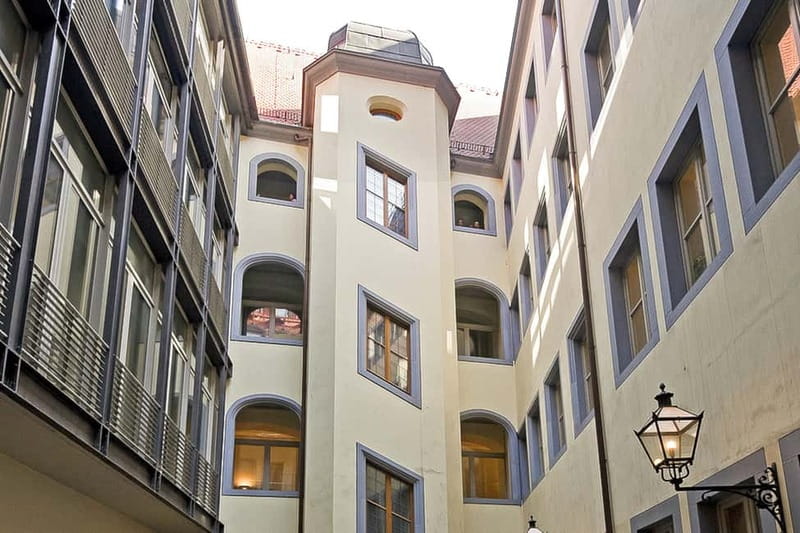
The tour deliberately mixes large and small, old and new, and corridors that are more visible with others that are less used. That variety is not random. It’s a practical way to show how a trading city evolves while still keeping traces of older needs.
Here’s how I’d interpret what you’ll experience:
- Older stretches show the logic of connected commerce, where you want people to keep walking.
- Newer links reflect changes in how fairs and exhibitions bring crowds together.
- Less-used passages help you understand the full layout, not just the most photogenic segments.
It also adds texture. Leipzig is not only about one grand building. It is about networks. Once you walk those networks with a guide, you start seeing the city in connected routes, courtyards, and chokepoints rather than isolated landmarks.
A small consideration: because you’re moving between different corridor types, there can be moments where it feels like you’re “just walking.” That’s normal on this kind of tour, but the guide’s explanations are what turn that walking into understanding.
Courtyards and houses as living architecture, not dead monuments

This isn’t a tour that stops at one big square and ends. It stays with the in-between spaces: passages, courtyards, and exhibition-house surroundings. That’s where Leipzig’s personality lives for people who like architecture you can actually walk through.
The architectural diversity is a real benefit. You will see the charm of places that look historic but still function as part of the city’s walking system. Even if you are not an architecture expert, you can still appreciate the variety, because the spaces have different scales and moods.
A good way to get more from the experience is to keep asking yourself a simple question: what problem would this space solve for traders or fair visitors? That question makes the tour feel more meaningful, and it helps you remember more than one or two stops.
Onward connections from Leipzig:




Two hours of walking: how to plan your day around it
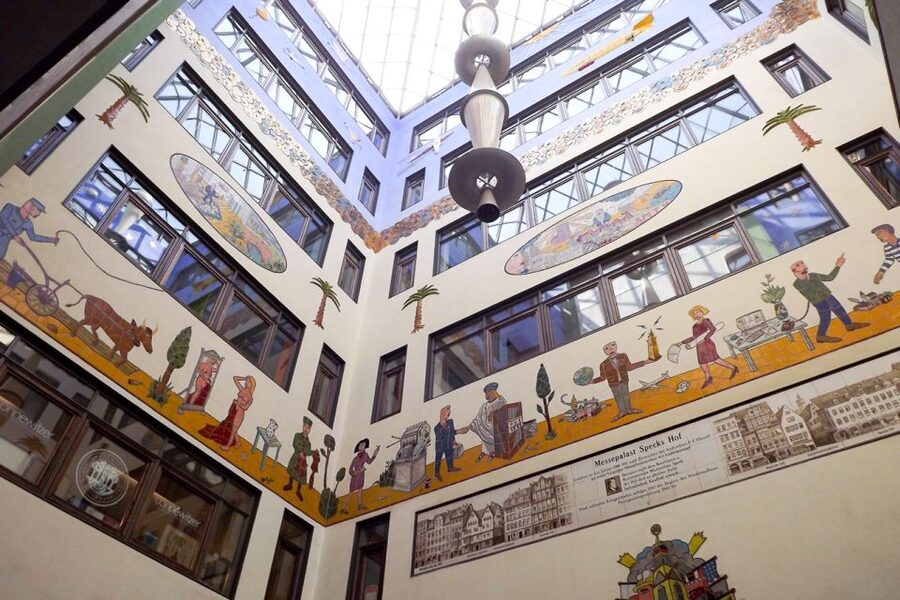
At 2 hours, this is a focused outing. It’s long enough to give context and enough time to visit the main passage highlight, but short enough that you can stack it with other Leipzig sights the same day.
My practical advice:
- Schedule it earlier in your Leipzig day if you want the city layout to make more sense afterward.
- If you plan to explore on your own after, bring a little curiosity. You’ll start noticing passage entrances and courtyard connections you might have missed otherwise.
- Since entrance fees are not included, you’re not forced into museum budgeting during this stop.
Because you’re in a German-language tour, it helps to be comfortable catching the rhythm of spoken German. If you’re not, you might still enjoy the architecture, but you’ll lose some of the “why” that makes the route worth it.
Price and value: $18 for a guided system of Leipzig’s trading routes
At $18 per person for a 2-hour guided tour, the value is mainly in the guided storytelling plus the specific architectural focus. You are not paying for a museum ticket. You’re paying for context, route knowledge, and a trained guide who knows how to connect passages to Leipziger Messe needs.
If you like walking tours, you’ll likely feel it’s good value because:
- You cover a compact area rather than spending time commuting
- You get a featured stop like Mädler Passage
- You learn the functional reason behind courtyards and corridors
Just keep in mind what isn’t included. Personal expenses, food and drinks, and any entrance fees are on you. For a 2-hour walk, that usually means bringing a water bottle and planning simple snacks before or after.
Who should book this Leipzig passage tour
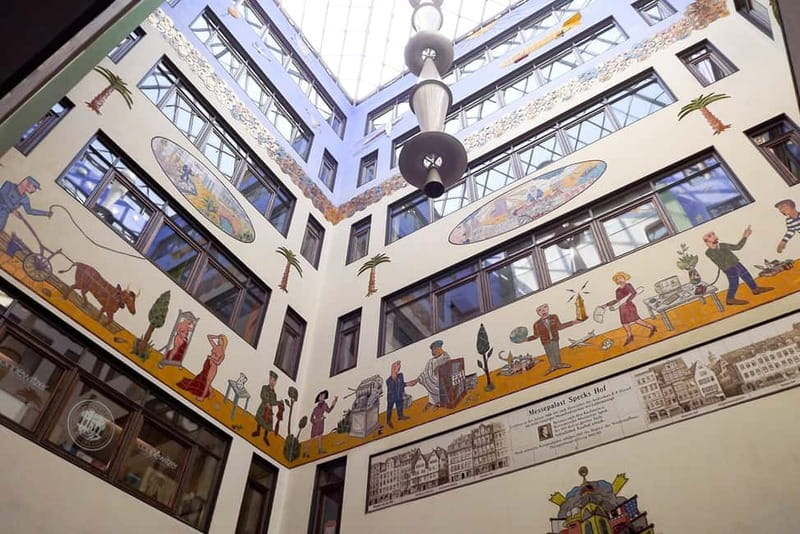
This tour is a strong match if you:
- Like cities that have history you can walk through, not just read about
- Enjoy architecture and small-scale spaces like passages and courtyards
- Want a short, structured outing with a guide, rated high for being informative and well run
It may not be your best fit if you:
- Need an English tour and cannot follow German explanations
- Want a long, in-depth museum-style experience (this is about walking and seeing a connected system)
Should you book this Leipzig Courtyards, Houses, Trade passage tour?
I’d book it if your travel style includes focused walking, architecture you can immediately understand, and a story tied to how Leipzig actually worked during trade and fair periods. With a 4.8 out of 5 score from 230 bookings, and with praise centered on how interesting and varied the tour feels in a short time, it’s clearly landing well for visitors who want structure and atmosphere.
If German-only is a deal-breaker, skip it. Otherwise, treat this as a smart first or middle stop in Leipzig, one that helps you read the city as a network of routes, courtyards, and trade spaces.
FAQ
Is this tour offered in English?
This tour is only available in German.
How long is the tour?
The duration is 2 hours.
What is the price?
The price is $18 per person.
Where does the tour start?
The meeting point is the tourist information office at Katharinenstr. 8, Leipzig.
Are entrance fees included?
No. Any entrance fees are not included.
Are food and drinks included?
No. Food and drinks are not included.
Is there a live guide?
Yes. The tour includes a live tour guide.
What kind of cancellation policy is available?
You can cancel up to 24 hours in advance for a full refund.
Can I reserve and pay later?
Yes. You can reserve now & pay later.
Who runs the tour?
The experience provider is Leipzig Erleben GmbH.
Fresh on the arrivals board for Leipzig

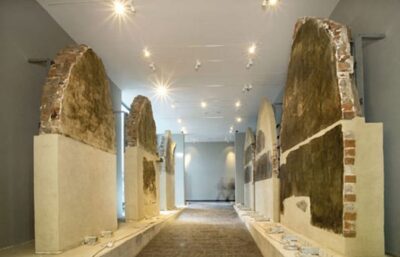




Leipzig Tours & Activities, compared.

City History Canal Sightseeing Tour on a Motorboat
Read our review →

Combo Tour in Leipzig: Guided City Tour & City Sightseeing
Read our review →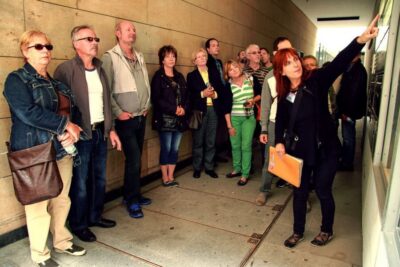


Browse the lists this tour appears in