
Reviewed · GUIDED WALKS IN HAMBURG
Hamburg: Walking Tour for School Groups
Hamburg turns into a classroom in 90 minutes. You get school-group focus, plus three age-fit options so the visit actually fits how students learn.
What I love is how the tour anchors big ideas to specific places, not just names on a sign. You’ll see Speicherstadt and then move toward the newer harbor world, with a guide who keeps the story moving for younger listeners and teenagers.
One possible drawback: the St. Pauli option is 14+, and it can include talk tied to nightlife and behavior, like alcohol-related moral reminders. That theme may land better for some groups than others, so teachers should match it to their students.
In This Review
- Key things that make this Hamburg tour work for schools
- A 90-Minute Hamburg Walking Lesson Plan You Can Actually Use
- Choose Your Route: Speicherstadt and HafenCity, Altstadt, or St. Pauli
- Speicherstadt and HafenCity
- Hamburg’s Altstadt
- St. Pauli
- Speicherstadt and HafenCity: UNESCO Warehouses to Elbphilharmonie Plaza
- Why Speicherstadt is such a strong learning anchor
- HafenCity and the Elbphilharmonie Plaza shift gears
- A small planning note
- Hamburg’s Altstadt: Kontorhäuser, City Hall, and Church-Centered Civic Life
- Kontorhäuser: the commercial architecture students can spot
- City Hall and main churches: civic identity in stone
- The port section ties it back to Hamburg’s core
- St. Pauli by Day: Reeperbahn Stories for Students 14 and Up
- Daytime Reeperbahn is a specific kind of lesson
- What to watch: moral reminders can be a hit or miss
- Who should pick St. Pauli
- How the German Guide Makes School Groups Feel Seen
- Age-fit storytelling beats facts-only touring
- Sociocultural conflicts get handled as background, not just trivia
- Weather disruptions get managed
- Price and Value: $294 Per Group for Up to 25 Students
- What to Plan Before You Go (So It Runs Smoothly)
- Pick the right age route
- Expect rain or shine
- Meeting point can vary
- Bring water and snacks if needed
- Should You Book This Hamburg School Group Walking Tour?
- FAQ
- How long is the Hamburg walking tour for school groups?
- Is this tour only for school groups?
- What tour options are available in Hamburg?
- Does the tour take place in bad weather?
- Is St. Pauli suitable for all students?
- Is a guide included?
- What should we bring?
Key things that make this Hamburg tour work for schools
- Three routes tailored for kids and teens (Speicherstadt and HafenCity, Hamburg’s Altstadt, or St. Pauli)
- UNESCO Speicherstadt warehouse complex as a hands-on history lesson
- Modern HafenCity and Elbphilharmonie Plaza to show Hamburg today, not just yesterday
- Kontorhäuser, City Hall, and churches to give students real architectural context
- Reeperbahn stories during the day with an age limit that keeps expectations clear
- Guides that adapt to school needs, with presentation that stays age-appropriate
A 90-Minute Hamburg Walking Lesson Plan You Can Actually Use
A walking tour for a school group has one job: keep attention and give you something solid in a short time. This one hits that goal by running for 90 minutes and staying focused on key areas of Hamburg that students can quickly connect to the bigger story of the city.
You also benefit from the fact that it’s a private group format, priced per group (up to 25). That matters. It means you are not squeezed into a random crowd schedule, and your students are more likely to stay engaged when the guide can set the pace for your class.
The guide language is German, and the tour includes a live guide only. So if your students understand German well, you’ll likely get the best results. If not, you might want to prepare some key vocabulary ahead of time, especially for architecture and port terms.
Finally, bring comfortable shoes. You’ll be walking, and this tour runs rain or shine, so plan layers and quick-dry gear.
More Guided Walks in Hamburg
- Hamburg: Guided Walking Tour for Magic Fans
★ 4.8 · 1,992 reviews - Reeperbahn Walking Tour with St. Pauli Local
★ 4.8 · 577 reviews - Hamburg: Speicherstadt Walking Tour with Coffee Tasting
★ 4.6 · 360 reviews
Choose Your Route: Speicherstadt and HafenCity, Altstadt, or St. Pauli
The biggest decision is which of the three routes matches your students’ age and interests. All options are designed for children and adolescents, but St. Pauli comes with a specific minimum age.
Speicherstadt and HafenCity
This route mixes Hamburg’s trade past with its modern face:
- Historical Speicherstadt, the world’s largest warehouse complex, listed as a UNESCO World Heritage Site
- Modern HafenCity
- Elbphilharmonie Plaza, Hamburg’s latest landmark
If you want a “then and now” story, this is your best bet.
Hamburg’s Altstadt
This route is about the city core and what shaped it:
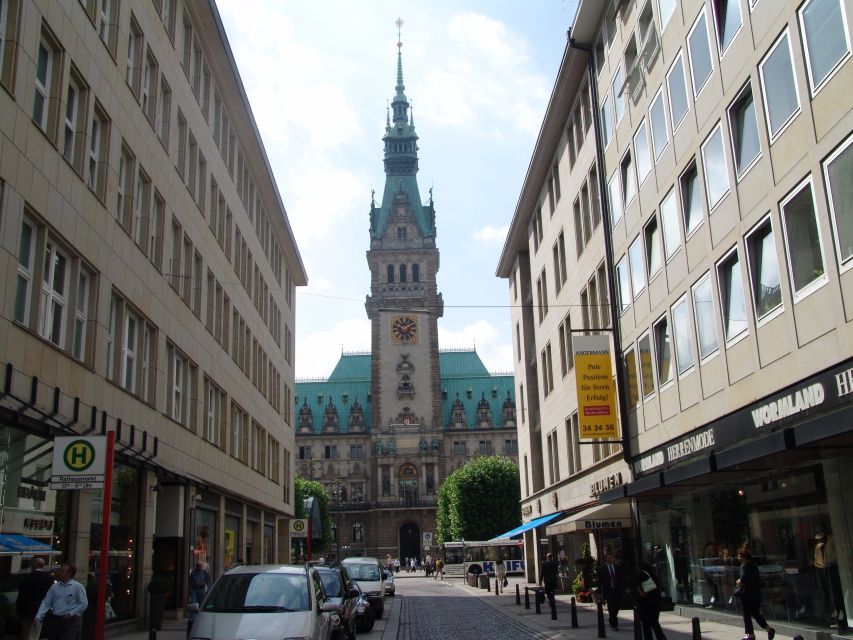
- Historic Kontorhäuser
- City Hall
- The city’s main churches
- A guided look at the most interesting part of the port
This is the route to pick when you want a classic city-introduction tour with architecture and civic life tied together.
St. Pauli
This one is different in tone. It’s the “nightlife stories, daytime walking” version:
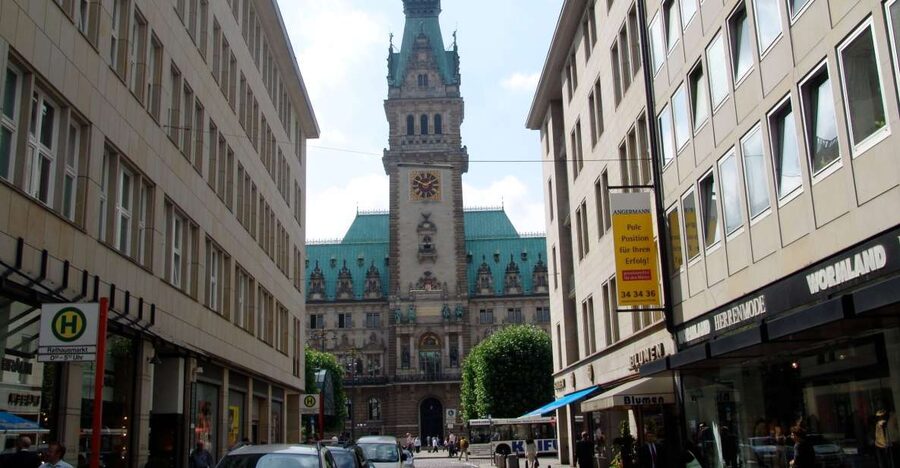
- The Reeperbahn during the day
- Facts and stories about the area’s exciting nightlife
But it’s only suitable for children at least 14 years old. So think carefully about your group maturity and your school’s comfort level with nightlife themes.
More German cities at walking speed:




Speicherstadt and HafenCity: UNESCO Warehouses to Elbphilharmonie Plaza
If you pick Speicherstadt and HafenCity, you’re signing up for a clear contrast. First you walk through a place built for storage and logistics, then you transition to Hamburg’s newer public waterfront identity.
Why Speicherstadt is such a strong learning anchor
Speicherstadt is not just “an old neighborhood.” It’s described as the world’s largest warehouse complex and a UNESCO World Heritage Site. That instantly gives you a learning hook: Hamburg built this system to move goods, manage trade, and connect the port to the rest of the world.
For school groups, that matters. Students tend to remember places when you explain what the place was designed to do. A warehouse complex is easy to visualize: space for goods, order, rules, and movement. A good guide can turn that into a story about how a port city thinks.
HafenCity and the Elbphilharmonie Plaza shift gears
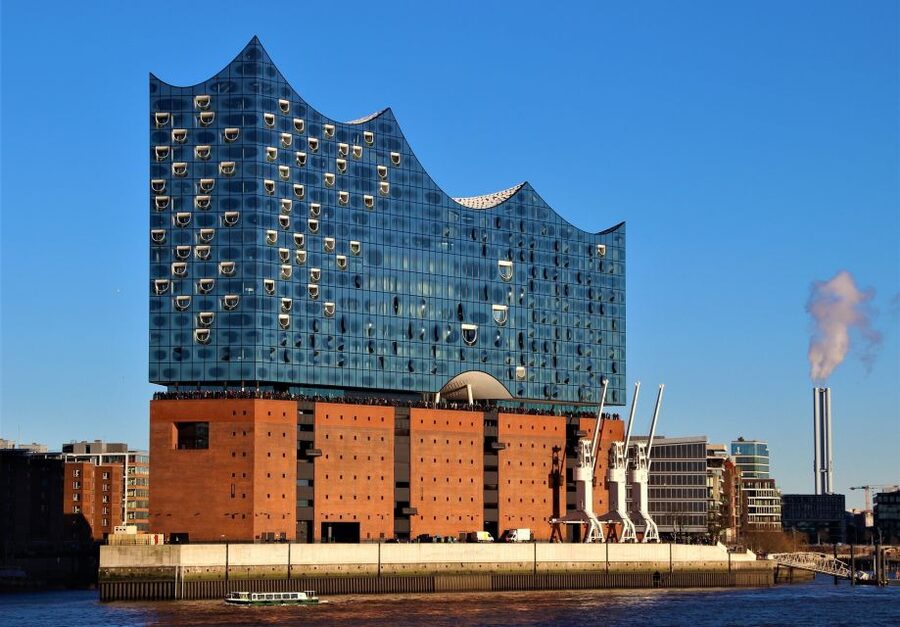
Then you move into HafenCity, Hamburg’s modern waterfront area. The tour includes Elbphilharmonie Plaza, described as the city’s latest landmark. Even if students don’t know every cultural detail yet, the name signals something big: Hamburg invested in this area and built a modern public space.
This is where the tour becomes practical for teachers. Students can see the city’s layers. They get a comparison they can talk about back in class: How did Hamburg function in the past, and what does it prioritize now?
A small planning note
This route is a great option if your group enjoys both history and contemporary landmarks. If they mostly want adventure and stories rather than architecture, your guide’s storytelling style will make or break the experience. One of the strongest themes from the feedback is that guides pitch the material to the age level, and that helps here.
Hamburg’s Altstadt: Kontorhäuser, City Hall, and Church-Centered Civic Life
Altstadt is the route that helps students get their bearings. It’s city-core focused, so it works as a “here’s how this city is organized and why it matters” lesson.
Kontorhäuser: the commercial architecture students can spot
You’ll see Kontorhäuser, which are key historic office building types associated with trade and commerce. For students, this is a way to connect Hamburg’s port economy to what you can still see on the street today.
Instead of treating history as a list, the tour ties it to form. Students can point at buildings and say, this is where business lived. That kind of concrete visual connection is one reason short walking tours work in a school setting.
City Hall and main churches: civic identity in stone
The tour also includes City Hall and the city’s main churches. Even without going super deep on religious doctrine, students can learn how cities organize power and community. City Hall represents governance. Churches often represent social life and long-term community roots.
This is where you can expect the tour to feel more structured. The stops are “big public places,” and students usually do well when a guide keeps each stop to a clear purpose: what it is, what it signaled at the time, and why it still matters.
The port section ties it back to Hamburg’s core
Altstadt tours can become abstract unless they tie back to the port. This route does that by including the most interesting part of the port. That connection is gold for students. Hamburg is a port city, and this framing helps them understand that the city core did not grow in isolation.
One drawback to keep in mind: if your students want only modern sights, Altstadt can feel more traditional. It’s not a problem, just a mismatch possibility.
St. Pauli by Day: Reeperbahn Stories for Students 14 and Up
St. Pauli is the choice for groups that can handle a more sensitive topic. It’s also the route with the strictest age requirement: only suitable for children at least 14 years old.
Daytime Reeperbahn is a specific kind of lesson
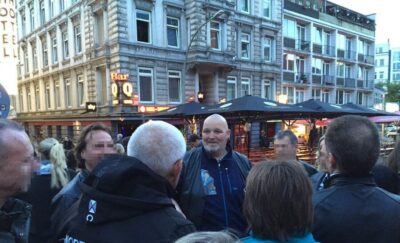
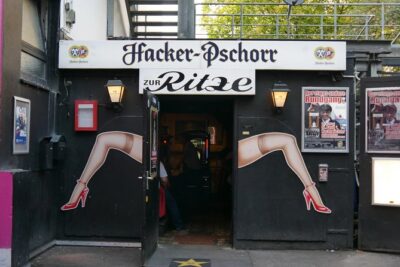
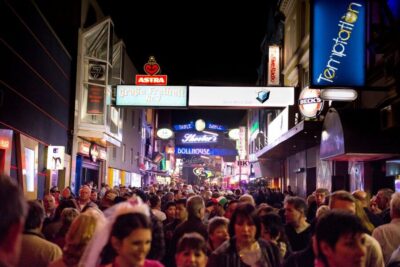
You’ll walk the Reeperbahn during the day, and the guide shares stories and facts about the area’s nightlife. That daytime framing is smart. It lets students understand the reputation of a place without the full-on nightlife environment.
This option can be excellent if you want students to learn about how cities handle entertainment districts, social behavior, and consequences. It also gives you a chance to discuss media versus reality.
What to watch: moral reminders can be a hit or miss
Here’s the one key caution that shows up in feedback: some groups didn’t love the guide’s moral hints, like reminders tied to alcohol consumption. That doesn’t mean the tour is wrong. It means you should know your group.
If your students respond well to direct guidance, this route can be a great conversation starter. If your students tend to shut down when adults get moral, plan a pre-talk and an open Q and A afterward so the message lands as information and reflection, not lecture.
Who should pick St. Pauli
Pick it if:
- Your students are at least 14
- Your group can discuss nightlife topics respectfully
- You want stories and social context more than architecture
Skip it if:
- Your group is younger
- You want a purely historical or landmark-heavy route
- You know your students react poorly to sensitive behavior reminders
How the German Guide Makes School Groups Feel Seen
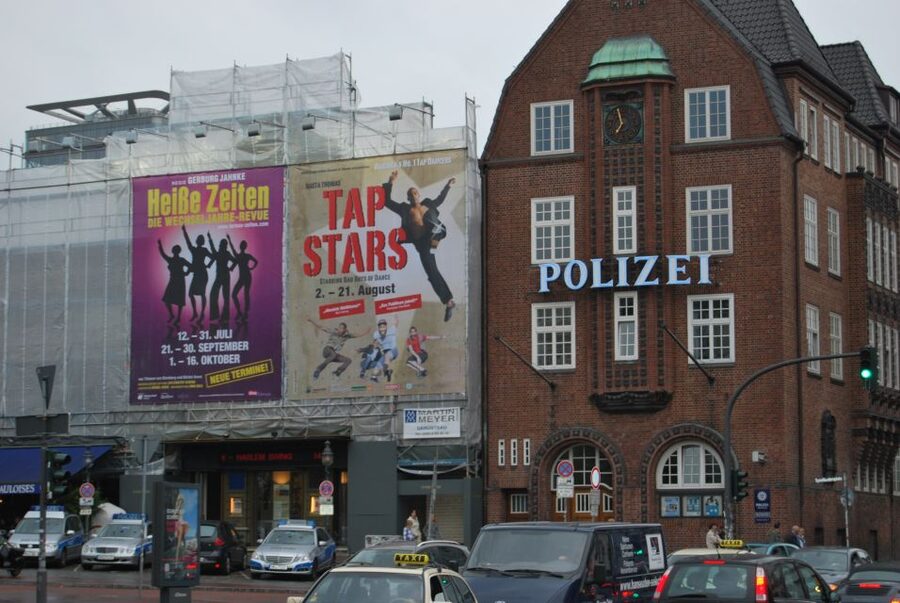
The single most praised element across the feedback is how the guide fits the material to the students. That’s not just nice. It’s a real advantage in a classroom setting where attention spans are uneven.
Age-fit storytelling beats facts-only touring
The feedback describes tours as a mix of history, society, and personal stories and experiences. That mix is powerful for schools. Pure facts can slide off. Personal and social context helps students understand why history and culture affect real people.
One highlight from the feedback is that the guide handled group needs well. That means your students are less likely to feel ignored or talked past. It also suggests the guide adjusts their pace and explanations based on the group.
Sociocultural conflicts get handled as background, not just trivia
Another praised theme: the guide included background information about sociocultural conflicts in Hamburg in the past and in today’s world. That kind of material can turn a simple walking tour into a thinking exercise.
Just keep your role in mind as the adult in charge. It helps if you know which topics you want to follow up on in your own classroom discussions.
Weather disruptions get managed
A strong practical point from feedback: when weather made a tour need to be canceled on short notice, the organizers worked to provide an alternative. In a school setting, that kind of care matters because one disrupted outing can ripple into your whole school day.
Price and Value: $294 Per Group for Up to 25 Students
Let’s talk money in a way that helps you plan. The price is $294 per group up to 25, and the tour includes a live guide.
That means your cost per student depends on how full your group is. If you’re near the maximum of 25 students, the math works out to about $11.76 per student for the 90-minute guided experience (just dividing $294 by 25). If your class is smaller, the per-student cost rises, but you still get the value of a private format.
Where the value comes from:
- You’re paying for a guide and an organized set of stops
- The duration is long enough to feel like a real program, not a quick photo walk
- You get school-appropriate routing by age category
Where you do need to plan extra costs:
- There’s no hotel pickup or drop-off
- Food and drinks aren’t included
So if your school day includes lunch timing, snack breaks, or transportation changes, build buffer time. Also, comfortable shoes are on you, not included, so plan for that.
What to Plan Before You Go (So It Runs Smoothly)
A walking tour can go either way based on prep. Here’s what you should have handled in advance.
Pick the right age route
The tour is only for school groups, and St. Pauli has a clear minimum age of 14. Match the route to your student age and maturity level. It will save headaches and make the discussion flow better.
Expect rain or shine
This tour takes place rain or shine. That means you should pack for weather and be ready for a wet, but moving, walk. Quick-dry layers and rain protection can turn a frustrating day into a workable one.
Meeting point can vary
The meeting point may vary depending on which option you book. Build time to confirm exactly where you’re meeting on the day. For school logistics, clarity beats improvisation.
Bring water and snacks if needed
Food and drinks aren’t included. If your students get hungry mid-walk, you’ll want to handle water and snacks through your own school plan.
Should You Book This Hamburg School Group Walking Tour?
Yes, you should book it if you want an easy-to-run, school-focused introduction to Hamburg with options that match your students’ age. The biggest reason is fit: three route choices, a German live guide, and a format that’s built for school groups rather than generic sightseeing.
Pick Speicherstadt and HafenCity if you want a strong history-to-present comparison, with UNESCO credibility and a modern landmark like Elbphilharmonie Plaza. Pick Altstadt if you want architecture and civic life tied to the port. Choose St. Pauli only if your class is at least 14 and your group can handle nightlife-related themes respectfully.
If you want, tell me your students’ age range and which route you’re leaning toward, and I’ll help you decide based on what kind of story your group is most likely to enjoy.
FAQ
How long is the Hamburg walking tour for school groups?
The tour lasts 90 minutes.
Is this tour only for school groups?
Yes, this tour is only for school groups.
What tour options are available in Hamburg?
You can choose from Speicherstadt and HafenCity, Hamburg’s Altstadt, or St. Pauli.
Does the tour take place in bad weather?
Yes, the tour takes place rain or shine.
Is St. Pauli suitable for all students?
No. The St. Pauli walking tour is only suitable for children at least 14 years old.
Is a guide included?
Yes. A tour guide is included.
What should we bring?
Wear comfortable shoes, since it is a walking tour. Food and drinks are not included, so you may want to plan those separately.
Fresh on the arrivals board for Hamburg
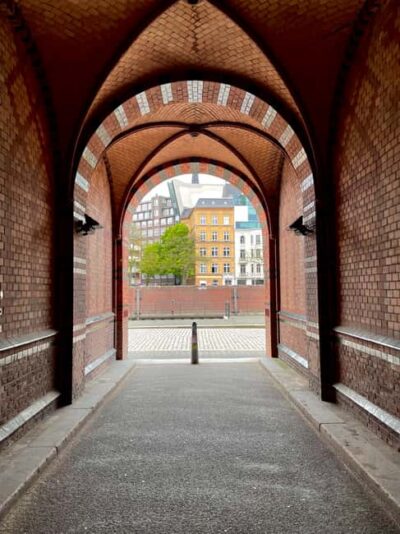



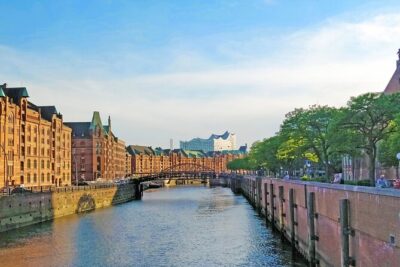
Guided Walks in Hamburg, compared.
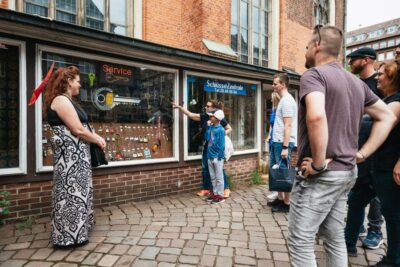




Browse the lists this tour appears in