
Reviewed · HISTORICAL TOURS
Hamburg: UNESCO-World Heritage Sites Tour
Hamburg reads like a business manual. In just 2 hours, this UNESCO walk helps you connect Kontorhäuser and the Speicherstadt to the way trade shaped the city. I love how the guide explains the office buildings as real workspaces, including the stories of clerks and money counting tables, and I also love the red-brick warehouse atmosphere plus the hands-on-feeling port talk with pictures and spice samples. The one drawback is simple, the route is short, so if you want museum time or deeper reading at each building, you will likely want a second visit.
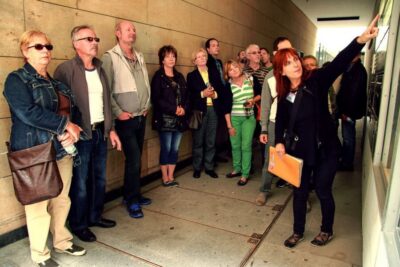
One reason this works is the pace. When a guide like Albert is on the mic, you get lots of solid, well-organized information without feeling rushed, and the voice comes through clearly enough that you can keep walking and still follow the details. The tour runs in all weather, so wear layers and shoes that can handle wet sidewalks, because this is a walking day even when the sky decides to misbehave.
In This Review
- Key Highlights
- A 2-hour UNESCO walk that focuses on trade, brick, and port life
- Starting at Jacobikirche, where the tour lines up with the center
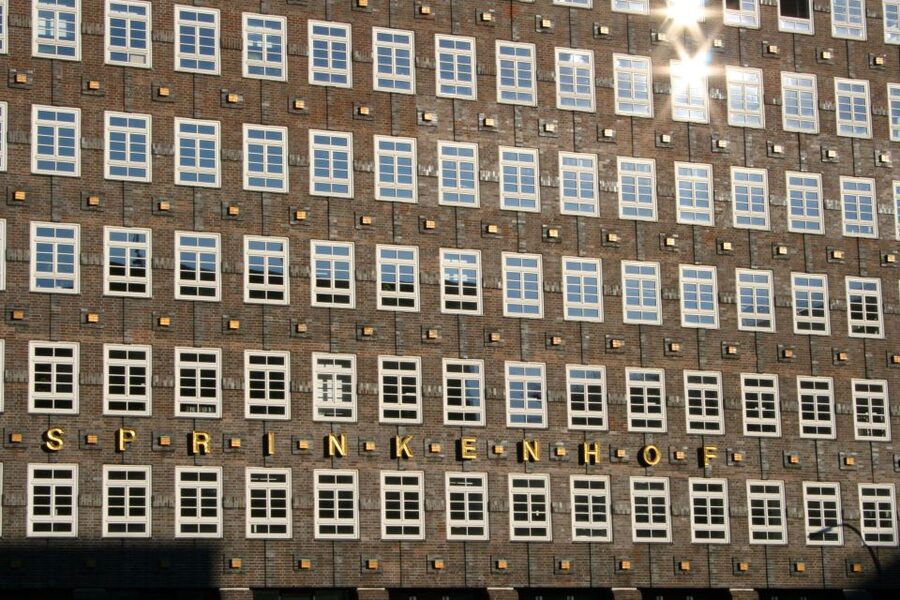
- Sprinkenhof and the Kontorhäuser idea behind Hamburg’s office power
- Chilehaus and Meßberg: architecture with a money-counting story
- Speicherstadt warehouses: red brick, old rope winches, and carpet storage
- Dar es Salaam Square to Magdeburg Harbour: canals, modern docks, and big maritime landmarks
- The ferry segment and port stories with spice samples
- Price and pace: why $18 feels fair for a guided UNESCO route
- Should you book this Hamburg UNESCO tour?
- FAQ
- How long is the Hamburg UNESCO World Heritage Sites Tour?
- Where does the tour start?
- What is the tour guide language?
- What sites and areas will the tour cover?
- Is there a ferry ride during the tour?
- What can I expect in Speicherstadt?
- Will the tour run in bad weather?
- How much does the tour cost?
- Is there a cancellation option?
Key Highlights
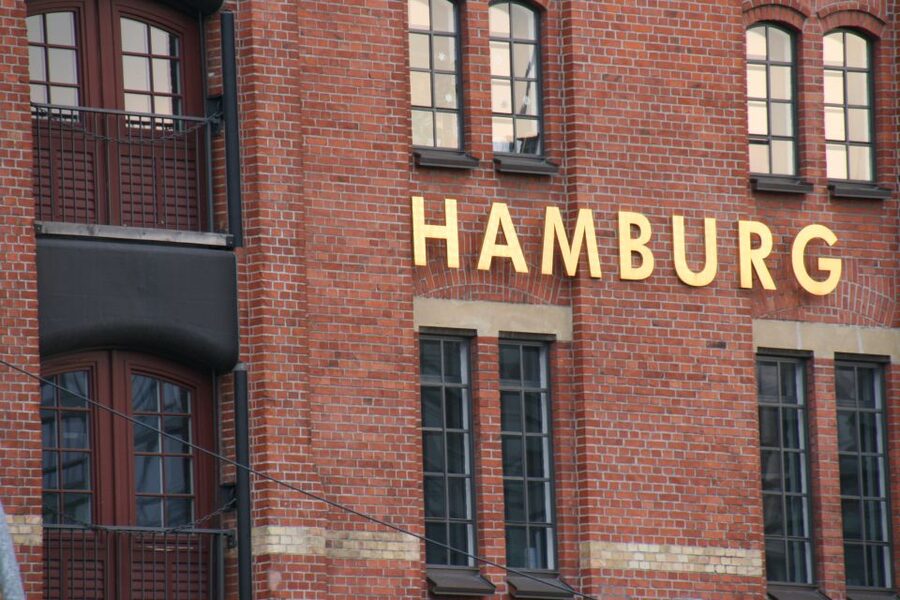
- Kontorhäuser explained like a workplace, not just a pretty facade
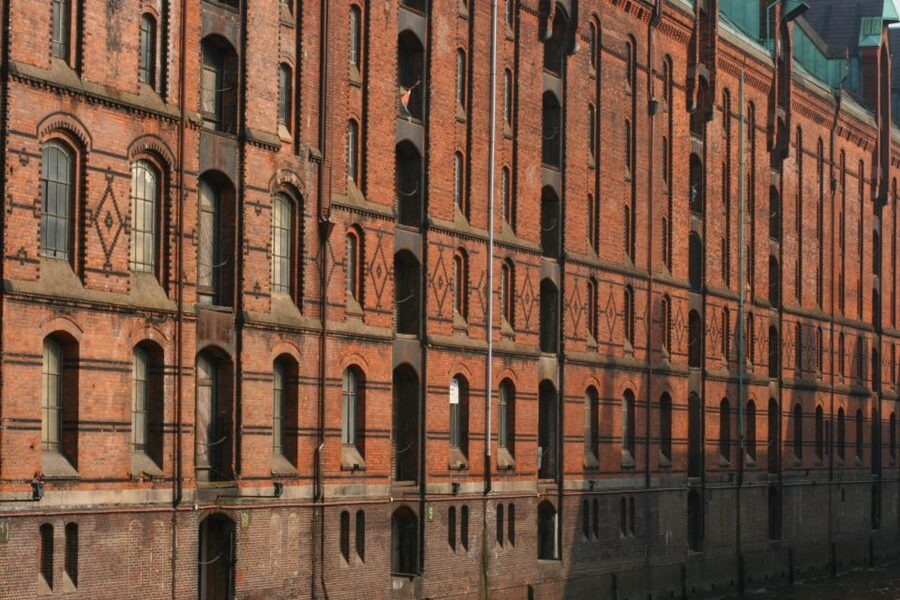
- Speicherstadt red-brick storehouses, with details like old rope winches and carpet storage
- Chilehaus and Meßberg stops, where architecture ties back to Hamburg’s trading ambitions
- Canals, dock promenades, and Elbe viewpoints, plus a strong old-versus-new contrast
- Saturday-only ferry segment, for a quick taste of the harbor from the water
- Port workings with pictures and spice samples, to make the trade story feel real
A 2-hour UNESCO walk that focuses on trade, brick, and port life
This is the kind of tour that makes a city feel understandable fast. Hamburg can look like a mix of historic brick and modern construction, and the whole point here is to connect those visuals to what was happening economically and socially as the city grew. You are walking through two UNESCO-linked areas that show different sides of that growth, the office power of the Kontorhäuser side, and the warehouse and shipping system of the Speicherstadt side.
With a two-hour format, you are not expected to absorb everything like a textbook. Instead, you get the map in your head. By the end, you will know what to notice if you keep walking on your own: the logic of storage, the logic of shipping, and the logic behind why certain buildings look the way they do.
The value also comes from how practical the tour is. It is not only architecture talk. You also hear about the port and trade networks, with pictures and actual spice samples used as story prompts. That is an efficient way to translate what you might otherwise find abstract, especially if you are not a maritime-history expert.
More centuries per city block:
- The Local Tour of Hamburg Historic Centre
★ 5.0 · 1,058 reviews - Hamburg: Speicherstadt Historical Guided Walking Tour
★ 4.7 · 71 reviews - Hamburg Historic Old Town and WW2 Walking Tour in Small Group
★ 5.0 · 39 reviews
Starting at Jacobikirche, where the tour lines up with the center
You meet at Jacobikirche, at the corner of Bugenhagenstraße and Barkhof. That location is useful because it places you near the city core and makes it easier to follow the route on foot afterward, even if you are not traveling with perfect local maps.
From there, the tour moves into the city’s historic center and toward the business district. If you like starting with a clear orientation moment, this is the right setup. You also avoid the common problem where tours begin far out and you spend the first stretch trying to figure out where you are.
Practical tip: arrive a few minutes early. Even if the streets look familiar, the meeting corner can be busy at walking time, and you do not want to start late and feel like you are sprinting to catch up.
Sprinkenhof and the Kontorhäuser idea behind Hamburg’s office power
One of the strongest parts of the experience is how it treats the Kontorhäuser as working tools. You are not only learning what they look like, you are learning what they were for in Hamburg’s growth story. The tour frames these prominent office buildings as symbols of economic expansion and worldwide influence.
You also hear the human side of the equation. The guide connects the buildings to the routines of clerks and to the idea of money counting tables. That matters because it stops the buildings from turning into pure sightseeing objects. You start to see them as infrastructure for trade work.
What I like about this stop type is that it gives you a mental category you can reuse while wandering on your own later. When you see other large office buildings in Hamburg, you will likely understand why the city shaped its commercial architecture the way it did.
A small consideration: office-building exteriors can be harder to read at street level if the group is moving quickly. Listen closely in the first moments, because once you are in the middle of the walk, you will be focused on the next stop.
Chilehaus and Meßberg: architecture with a money-counting story
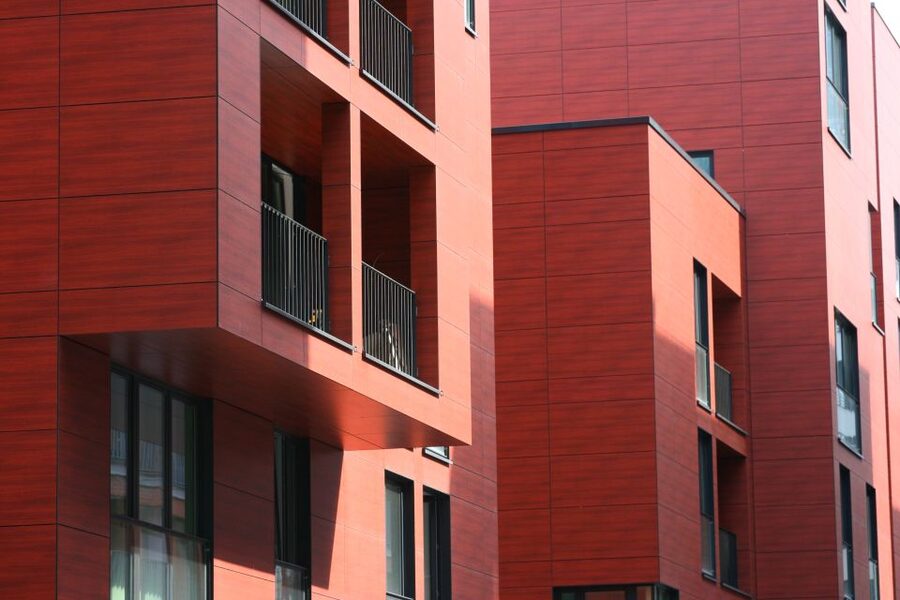
Chilehaus is a highlight for good reason. It is the kind of building that makes you look twice, because it reads like both architecture and ambition. Here, the tour connects the impressive shape back to Hamburg’s era of growth, the same era that fed the demand for efficient trading workplaces.
Meßberg continues that thread. Instead of treating the route as disconnected photo stops, the guide keeps returning to the theme of how the city organized itself for commerce. You are learning what the buildings represented, which is often more useful than memorizing a few dates.
This portion of the walk is also where you start to notice contrasts. You see how the business-district world fits into the larger city story, setting up what comes next in Speicherstadt and the harbor zones.
If you are the type who likes architecture details, you will likely enjoy this section most when you slow down for a few seconds at the edges of the group, then let the guide catch you back up. That way you are not just listening, you are also matching the story to what your eyes are seeing.
Speicherstadt warehouses: red brick, old rope winches, and carpet storage
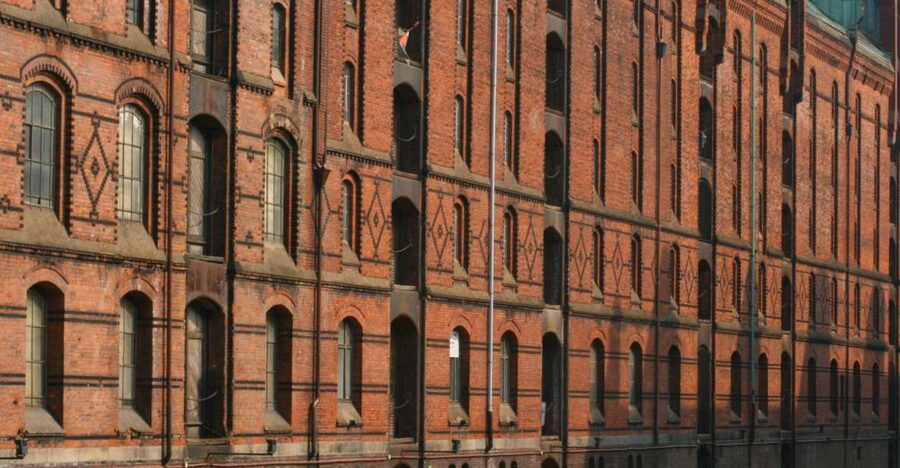
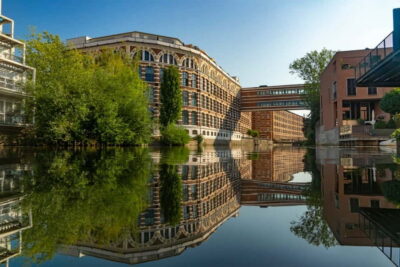
Now you get into the part most people picture when they think Hamburg: the Speicherstadt district. This is where the tour leans into the texture of the city. The historic red-brick storehouses create a mood, and the guide helps you understand why these warehouses mattered.
You learn about the exceptional variety of the area, not just in terms of buildings, but also in the working systems around them. That is where details like old rope winches and carpet storage come in. Those bits are not random trivia. They give you a sense of how goods moved and how storage was managed, especially in a port city where logistics is everything.
Another great element is the contrast. You do not just stay in the historic brick world. The walk also shows you dock promenades, canal views, and modern architecture nearby. That old-brick-versus-new-construction juxtaposition is part of Hamburg’s personality, and the tour makes sure you do not miss it.
One more thing you might appreciate: the views over the river Elbe. This helps the story expand beyond walls and into the physical reality of shipping routes.
Practical tip: Speicherstadt can feel cooler and can be damp when the weather turns. Wear a layer you can keep on during photo pauses, and keep your camera ready, because the best angles often appear in short windows between group movement.
Also holding a platform in Hamburg



Dar es Salaam Square to Magdeburg Harbour: canals, modern docks, and big maritime landmarks
As the walk continues, you shift from warehouse density toward harbor-facing viewpoints. Dar es Salaam Square is one of the stops that helps you connect the Speicherstadt atmosphere to the wider port system, including the international character of trade that brought goods into Hamburg.
Then you finish at Magdeburg Harbour. This is a smart ending point because it is not just a random location. It is tied to major maritime landmarks in the area, including the International Maritime Museum and the Überseequartier.
Even if you do not go inside museums on this tour, finishing near those landmarks gives you clear next steps. You know where to head if you want to extend your day, and you know why that area matters.
What you will likely notice here is the change in vibe. Warehouses give way to promenade energy and broader lines of sight. The guide’s framing helps you interpret what you see as part of one story, not three separate neighborhoods.
Consideration for photo lovers: harbor areas can have wind. Keep your lens hood or small gear protected, and expect that you may need to wait a minute for a clearer view while the group stays together.
The ferry segment and port stories with spice samples
There is a short trip by ferry included, but only on Saturdays. If you are traveling on a weekend and you can plan around it, that ferry piece is worth the extra attention. Water views change how you understand both the warehouses and the harbor geometry. It is one of those quick experiences that makes the city feel less like a map and more like a working system.
Even when the ferry is not running, the port talk is a key part of the experience. The guide uses pictures and samples of spices to explain how the port works. That is clever. People remember senses and examples, and spice samples are a way to anchor the idea of global trade in something you can almost picture even before you see the docks clearly.
This is also where the tour’s focus on worldwide influence makes sense. Hamburg grew by connecting local logistics to global demand, and the guide keeps bringing it back to that link.
If you are not a fan of sensory samples, you do not have to overthink it. This is more about using the samples as a prompt to talk about the shipping and storage story, not about turning the tour into a tasting event.
Price and pace: why $18 feels fair for a guided UNESCO route
At $18 per person for a two-hour, German-speaking guided walk, the value is mostly about what you get for your time. A good guide does more than point at buildings. You get context, and you get it while you are standing in the exact spots where the story becomes visible.
This is also a tour with a manageable rhythm. The overall pace is designed so you can keep up without feeling like you need to race from stop to stop. And because the guide speaks clearly, you can actually listen while walking, which is not always true on short city tours.
Who this is a great fit for:
- First-time Hamburg visitors who want a focused introduction
- People interested in architecture, especially office-building history and warehouse systems
- Travelers who like practical storytelling, not just facts
- Anyone who would enjoy port context without needing a full museum day
Who should think twice:
- If you want extensive museum time or long explanations at each stop, two hours may feel tight.
- If you do not speak German, this tour may not be the best match, since the tour guide is German-speaking.
One last practical note: the tour runs in all weather conditions, so plan outfits with that in mind. A two-hour walk can feel much longer when you are cold and uncomfortable.
Should you book this Hamburg UNESCO tour?
I think you should book it if you want an efficient, story-driven introduction to two UNESCO-linked sides of Hamburg, the Kontorhäuser and the Speicherstadt warehouse world. The guide-led focus makes the buildings more than background, and the inclusion of port explanations with pictures and spice samples gives the experience a memorable edge. If you are lucky enough to get a guide like Albert, you are likely to enjoy the clear voice and the way the information stays organized and easy to follow.
Skip it only if your main goal is museum immersion or slow, sit-down time. This tour is built for walking and context, not for extended indoor visits.
If you are in Northern Germany and you want a high-value use of a couple hours in Hamburg, this is an easy yes.
FAQ
How long is the Hamburg UNESCO World Heritage Sites Tour?
The tour duration is 2 hours.
Where does the tour start?
You meet at Jacobikirche, at the corner of Bugenhagenstraße and Barkhof.
What is the tour guide language?
The tour is guided in German.
What sites and areas will the tour cover?
You will explore a UNESCO World Heritage walk connected with the Kontorhäuser areas, the Chile House, and the Speicherstadt district, finishing at Magdeburg Harbour.
Is there a ferry ride during the tour?
Yes, there is a short ferry trip, but it runs only on Saturdays.
What can I expect in Speicherstadt?
You will see the historic red-brick storehouses and learn about details such as old rope winches and carpet storage, along with views from the canals and dock areas.
Will the tour run in bad weather?
The tour takes place in all weather conditions, so dress appropriately.
How much does the tour cost?
The price is $18 per person.
Is there a cancellation option?
Yes. You can cancel up to 24 hours in advance for a full refund.
Fresh on the arrivals board for Hamburg

Historical Tours, compared.
City History Canal Sightseeing Tour on a Motorboat
Read our review →

Browse the lists this tour appears in