
Reviewed · HAMBURG TOURS & ACTIVITIES
Hamburg: Private Tour – Schanzenviertel & Karolinenviertel
Hamburg has two faces, and this walk shows both. I really like how the tour explains the Schanzenviertel backstory from the early defense post to today’s hangout streets, and I also love the mix of culture and atmosphere at Rote Flora, plus a practical detour tied to Tim Mälzer’s world. It is the kind of guided outing that gives you context, not just photos.
One thing to plan around: the tour finishes at Messehallen, so if you have dinner reservations elsewhere, give yourself extra buffer.
In This Review
- Key highlights to look for
- Getting oriented at Sternschanze, then walking into Hamburg’s back streets
- Schanzenviertel: the Schanze defense post story meets modern street life
- Karolinenviertel and the former cattle abattoir that ties it together
- Rote Flora: a quick stop with big neighborhood meaning
- A detour to Tim Mälzer’s Bullerei for a friendly reset
- Feldstrasse bunker in Heiligengeistfeld: the past made concrete
- Photo opportunities and how the guide shapes the tone
- Price and private-group value for a 2-hour Hamburg neighborhood story
- Who should book this Schanzenviertel and Karolinenviertel private tour
- Should you book this Hamburg private tour?
- FAQ
- Where is the meeting point for the tour?
- How long is the Hamburg private tour?
- How much does the tour cost?
- Is this a private tour?
- What language is the tour guide?
- What major stops are included?
Key highlights to look for
- Sternschanze start point: You begin at Sternschanze U-Bahn, exit Sternschanzenpark, in the middle of the action.
- Schanzenviertel with real neighborhood history: Learn how the Schanze defense area became a residential district.
- Karolinenviertel + the former cattle abattoir link: This is the practical, physical thread connecting both districts.
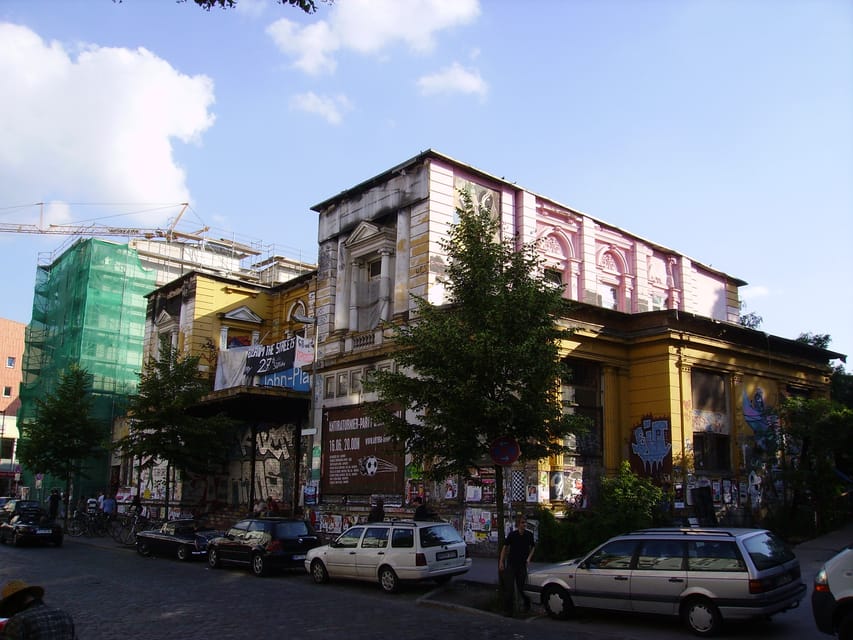
- Rote Flora stop: A quick, focused cultural visit that helps you read the neighborhood with better context.
- Heiligengeistfeld bunker at Feldstrasse: Short but memorable, because you see what people used to build for survival.
- Guides who bring emotion and humor: Past groups praised the clarity and personality, including guides like Frau Evers and local resident Basti.
Getting oriented at Sternschanze, then walking into Hamburg’s back streets
This tour is built for people who want to understand Hamburg in human scale. You start at Sternschanze U-Bahn (exit Sternschanzenpark), which is a smart entry point because it puts you close to the everyday rhythms of the area. From there, you shift away from main streets and into the smaller streets, back courtyards, and older sites that make Schanzenviertel and Karolinenviertel feel like lived-in neighborhoods rather than a theme park.
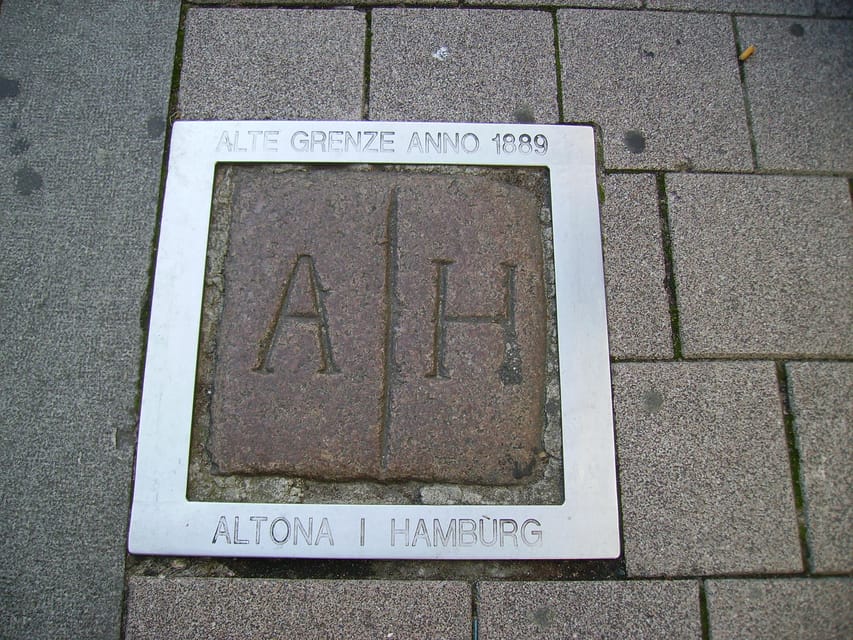
The big idea is that these districts grew out of “in-between” land. The neighborhoods sit in what used to be the forelands of Hamburg, in front of older embankments. That matters because it helps explain why industrial leftovers, practical spaces, and later residential street life all overlap in the same few blocks. On a standard city tour, you might miss that layering. Here, your guide keeps pointing to it.
Also, this is a private group. The booking is priced per group (up to 15), so if your travel style is question-friendly, you are set up well. And since the tour is guided in German, it is best if you are comfortable enough to follow German explanations at walking pace.
Also holding a platform in Hamburg
- Hamburg: Sex and Crime in St. Pauli Tour for Ages 18 +
★ 4.7 · 17,793 reviews - Hamburg: 1.5-Hour Harbor and Speicherstadt Day Cruise
★ 4.6 · 14,200 reviews - Hamburg: 90-Minute Evening Lights Harbor Cruise
★ 4.5 · 7,728 reviews
Schanzenviertel: the Schanze defense post story meets modern street life
The Schanzenviertel part is your first deep context hit, and you get a focused 30-minute guided walk here. The tour frames the Schanze as an early defense post for Hamburg, which instantly changes how you read the neighborhood. Suddenly those street corners feel less random. You start to notice how a place designed for protection could later become a residential district.
What I like most about this segment is the contrast. The area has moved from working-class roots into a well-known, trendy neighborhood. That transition is not just a modern makeover story. Your guide also helps you see the strain that can come with popularity, because recent years have included regular demonstrations and neighborhood-level problems. You get a balanced view that makes it harder to reduce the district to one headline.
Practically, this is also where the tour earns its “go off the main road” promise. You are guided past smaller independent shops and side streets, the kind of places you might not detour for on your own. The short walking format is useful too. It keeps you from burning time in transit and lets you actually look at details.
If you care about seeing the city through local eyes, this is the district where that works best.
Karolinenviertel and the former cattle abattoir that ties it together
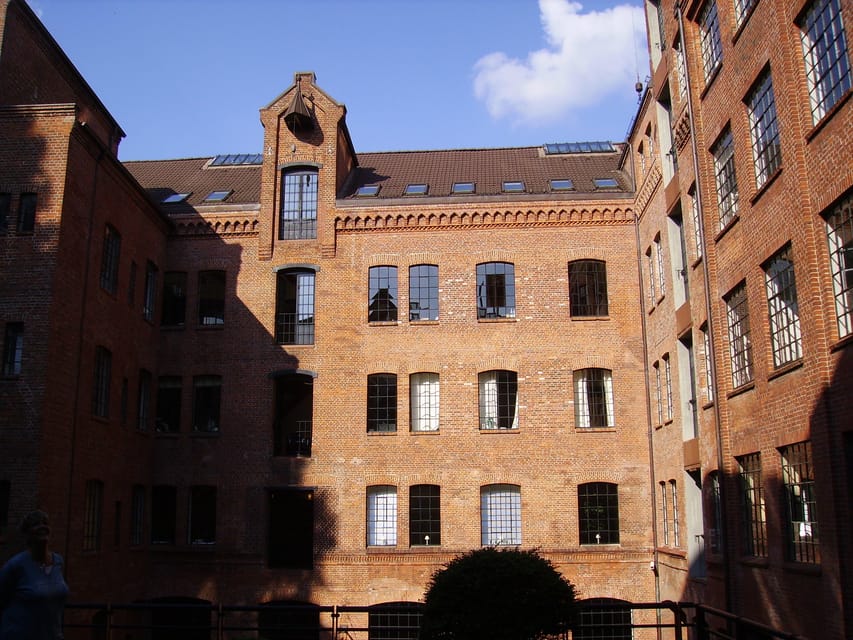
After Schanzenviertel, you shift into Karolinenviertel for about 20 minutes of guided time. This is where the tour leans into the “infrastructure history” angle: not just famous landmarks, but the working spaces that shaped day-to-day life.
The standout here is the former cattle abattoir, described as a connector between Karolinenviertel and Schanzenviertel. Even if you do not know anything about industrial Hamburg, this kind of stop gives you a concrete reason the districts feel linked. It is not just geography. It is function. This is how the neighborhood layout can reflect what was built to serve a city before modern traffic, modern retail, and modern residential redevelopment took over.
This is also the segment where you may notice how the tour balances present-day style with older, practical elements. Your guide encourages you to look at the old factory sites and back courtyards. That makes the walking experience feel like a guided reading of the district, not a list of sights.
If you are the type who enjoys city history that feels physical, not dusty, you will probably enjoy Karolinenviertel more than you expect.
Rote Flora: a quick stop with big neighborhood meaning
You then reach Rote Flora for a short, 10-minute guided visit. This is one of those places where a brief stop can still do a lot of work for your understanding, because it connects the neighborhood’s cultural identity to its broader story.
The tour treats Rote Flora as more than a photo opportunity. You get just enough guided context to understand why this type of cultural space is part of the district’s character. The pacing is tight on purpose. You are walking tour-close to everything, so you get a taste without dragging the day.
What makes this stop valuable is the timing. By the time you get here, you already have the defensive, working, and industrial framing in your head. So Rote Flora lands as a cultural layer rather than a random building you only recognize because it sounds famous.
A detour to Tim Mälzer’s Bullerei for a friendly reset
Next comes a detour to the Bullerei, Tim Mälzer’s restaurant in Hamburg. The tour does not position it as a full meal stop. Instead, it’s a quick, atmosphere-based detour that shows how a recognizable media personality fits into the neighborhood’s current identity.
I like this part because it gives your brain a break. After industrial and bunker context, you get a more casual, modern anchor. Even if you do not eat, the detour helps you keep the tour grounded in the district as it exists today.
If you want to turn this into a meal, plan carefully. The tour duration is listed at 2 hours, and your actual walking time can feel full because the guide is giving context along the way. A short food stop during the tour may not be guaranteed unless your guide includes it as part of the detour flow.
Onward connections from Hamburg:




Feldstrasse bunker in Heiligengeistfeld: the past made concrete
One of the most memorable stops is the bunker in Heiligengeistfeld, specifically the Feldstrasse bunker. You get about 10 minutes guided here, and for that short time, it can hit hard, in a good way.
This is the tour moment that reminds you Hamburg’s story is not only about commerce and culture. The bunker is a physical reminder of survival planning and the kind of city-scale preparation that shapes a place for decades. Even without a deep timeline, the guided explanation helps you understand why the bunker exists where it does and why it still matters to local memory.
From a travel value perspective, this stop is efficient. You get a meaningful historical object without spending half your day at a museum. And because you are walking through the neighborhood, the bunker feels like part of the district’s structure, not a distant exhibit.
Photo opportunities and how the guide shapes the tone
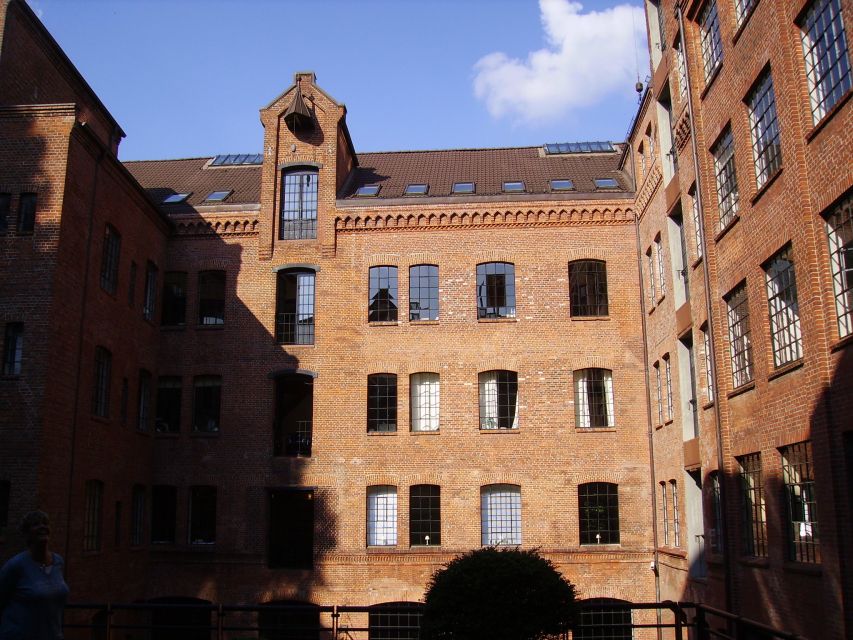
The tour promises fantastic photo opportunities, and you do get them, but the better part is what the guide helps you photograph. This is not just about capturing street corners. It is about framing the layers: older industrial shapes, back courtyard passages, the contrast between working spaces and later residential street life, and the way cultural sites sit in the same walking radius.
You also get guidance about how to interpret the district beyond whatever high-profile headlines you might know. Some of the area’s recent years have been defined in part by demonstrations and tensions. A good guide handles that topic without turning it into fear. Instead, it becomes context for why people care about this place.
Past bookings have praised the guides for being clear, entertaining, and emotionally honest. Some groups specifically mentioned Frau Evers for her explanation style, and another review highlighted Basti, described as a resident who offered insights that felt personal and sometimes emotional. That kind of guiding makes the tour feel less like a scripted lecture and more like a conversation with local understanding.
Price and private-group value for a 2-hour Hamburg neighborhood story
The price is $294 per group, up to 15 people, for a 2-hour private tour. Put another way: you are paying for a small-group, guided walking format that mixes neighborhood history with specific stops you might not think to visit on your own.
Is it worth it? It can be, especially if your group wants more than a generic city overview. Neighborhood tours are often where you get the best value per minute because you spend your time on sights you can walk right past. This tour is also built around specific locations like Rote Flora, Tim Mälzer’s Bullerei detour, and the Feldstrasse bunker, so you are not just hearing theory.
That said, you should decide based on your priorities. If you only want classic landmarks and broad city views, this may feel too focused on one area and its social history. If you want to understand how neighborhoods change, and you like walking through streets that still show their past, this price can make sense fast.
Also keep in mind timing. The tour duration is listed at 2 hours, but at least one booking noted it ran close to 3 hours. So if you have a hard reservation, plan a small buffer and do not schedule the next event at the minute.
Who should book this Schanzenviertel and Karolinenviertel private tour
This is a great fit if you:
- Want neighborhood history tied to real streets, not just monuments
- Enjoy cultural stops like Rote Flora and like understanding why they matter
- Like photo-friendly walking routes that take you into smaller back areas
- Travel with a group where private guiding helps everyone ask questions
- Prefer German-guided experiences and can comfortably follow in German
It might be less ideal if you:
- Need a very fixed end point for a tight schedule, since the tour ends at Messehallen
- Are only interested in light, purely entertainment-style sightseeing
Should you book this Hamburg private tour?
If your idea of a great day in Hamburg includes understanding how districts evolve, this is a strong pick. You get a compact format that covers Schanzenviertel and Karolinenviertel, plus three kinds of anchors: culture (Rote Flora), modern identity (Bullerei detour), and historical infrastructure (the Feldstrasse bunker and the old cattle abattoir). The guide-led context is the main value.
I would book it when you can give yourself time after the tour to get to dinner or your next stop. The route ends at Messehallen, so treat that as your planning anchor. If you do that, you will likely come away with a much clearer, more human sense of Hamburg’s youngest-feeling districts and the reasons locals still care about them.
FAQ
Where is the meeting point for the tour?
The meeting point is Sternschanze U-Bahn station, exit Sternschanze at Sternschanzenpark.
How long is the Hamburg private tour?
The duration is 2 hours.
How much does the tour cost?
The price is $294 per group, up to 15 people.
Is this a private tour?
Yes, it is a private group tour.
What language is the tour guide?
The live tour guide speaks German.
What major stops are included?
The tour includes Schanzenviertel and Karolinenviertel guided walks, a visit to Rote Flora, a detour to Tim Mälzer’s Bullerei, the bunker in Heiligengeistfeld (Feldstrasse Bunker), and the former cattle abattoir area that connects the two districts. It finishes at Messehallen.
Fresh on the arrivals board for Hamburg

Hamburg Tours & Activities, compared.
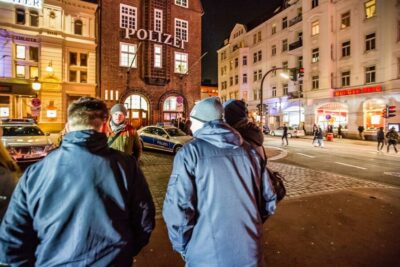
Sex and Crime in St. Pauli Tour for Ages 18 +
Read our review →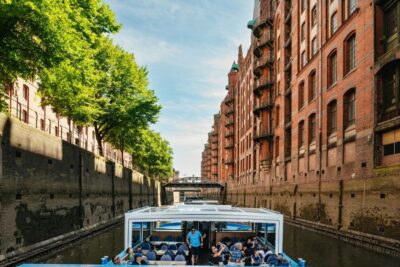
1.5-Hour Harbor and Speicherstadt Day Cruise
Read our review →

Reeperbahn Lust & Laster Tour for Adults Only
Read our review →Browse the lists this tour appears in