
Reviewed · HAMBURG TOURS & ACTIVITIES
Hamburg: Kunsthalle Entrance Ticket
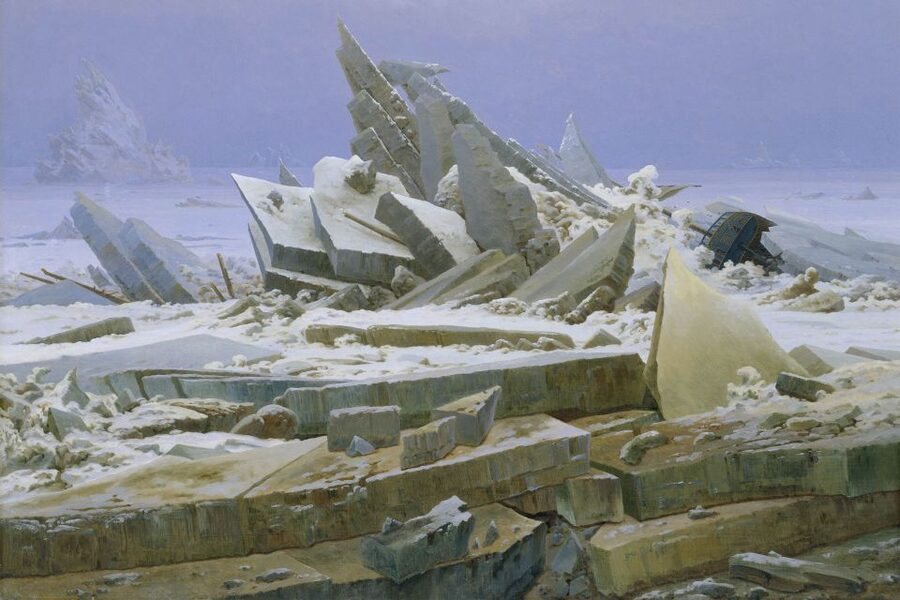
Hamburg has a knack for turning art into a full day plan. With one entrance ticket, you can pace yourself through eight centuries of European painting and beyond, from medieval altarpieces to today’s big-name contemporary artists. I especially love how the museum organizes clear “chapters” of art history, and how the famous works sit alongside the lesser-known pieces that make your eye smarter. One heads-up: you’ll need to manage your time, because with permanent collection access plus special exhibitions, it is easy to run out of energy before you run out of masterpieces.
This is a smart pick if you want cultural depth without committing to a long guided tour. The ticket is simple, the museum is built for self-guided wandering, and the audio guide options help you choose between a quick overview and a slower, gallery-by-gallery read. If you are traveling with larger bags, plan a locker stop first so you are not slowed down.
In This Review
- Key things I’d zero in on first
- One ticket, eight centuries, and how to feel your way through
- Planning a 1-day art route without getting tired
- Old Masters: medieval northern Germany to Renaissance and the Dutch Golden Age
- Caspar David Friedrich’s Wanderer above the sea of fog
- 19th-century art: German giants plus French Realists and Impressionists
- Modern art: the Brücke influence and early 20th-century voices
- Contemporary art at the Kunsthalle: Richter, Warhol, Nauman, and more
- Food inside the museum: Das Liebermann and The Cube with Inner Alster views
- Audio guide choices and practical tips that save time
- Price and value: is $21 worth it for a full art day?
- Should you book the Hamburger Kunsthalle entrance ticket?
- FAQ
- What does the Hamburger Kunsthalle entrance ticket include?
- Is the audio guide included?
- How can I get the audio guide, and what language is it in?
- Does the ticket cover special exhibitions too?
- How long is the ticket valid?
- Where can I store larger bags or luggage?
- Is the museum wheelchair accessible?
Key things I’d zero in on first
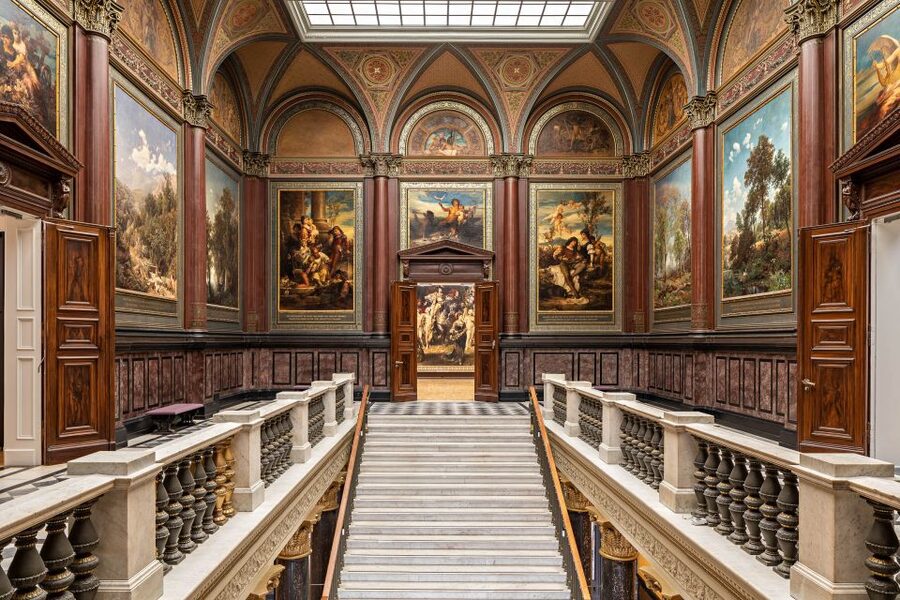
- Eight centuries under one roof, so your day has a natural storyline
- Wanderer above the sea of fog as a must-see anchor (Caspar David Friedrich)
- Old Masters sections with big names like Lucas Cranach the Elder and Rembrandt
- 19th-century German art with Friedrich, Runge, and Liebermann plus French Realists and Impressionists
- Modern and Contemporary rooms that include Brücke, Richter, Warhol, and more
- Café breaks in the pillared hall, plus a food option with Inner Alster Lake views
One ticket, eight centuries, and how to feel your way through
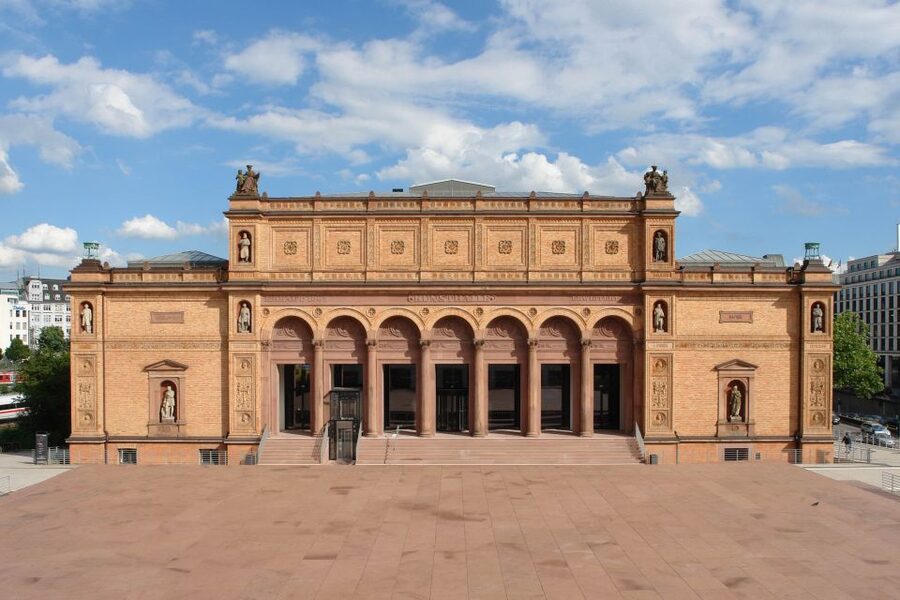
The Hamburger Kunsthalle is one of northern Germany’s key art museums, and it is also one of the largest. What makes it such a good value is the way the museum turns a big collection into a day you can actually finish. Instead of one long maze, you get clear eras that help you connect what you are seeing.
With your entry ticket, you get access to the permanent collection, and the museum also runs special exhibitions throughout the year. That means you can build a “main route” around the permanent highlights and then sprinkle in special exhibitions when they catch your interest. You’ll see this museum does not just store art, it teaches you how the styles changed, how ideas shifted, and how artists used light, myth, religion, and modern life as their subject matter.
A practical point for your expectations: this is not a fast in-and-out museum. Even if you are not reading every label, eight centuries still take time. If your goal is to look longer at fewer works, you’ll probably have a better day than if you try to sprint through everything.
Also holding a platform in Hamburg
- Hamburg: Sex and Crime in St. Pauli Tour for Ages 18 +
★ 4.7 · 17,793 reviews - Hamburg: 1.5-Hour Harbor and Speicherstadt Day Cruise
★ 4.6 · 14,200 reviews - Hamburg: 90-Minute Evening Lights Harbor Cruise
★ 4.5 · 7,728 reviews
Planning a 1-day art route without getting tired
Your ticket is valid for one day, and you’ll want to check the starting time options for your day. In practice, that means you should arrive ready to start on your schedule and then stick to a route.
Here’s a pacing strategy that tends to work well in a big art museum like this:
1) Start with your “anchor works.” Pick a couple famous names you genuinely want to see so your day has goals, not just wandering. For this museum, your anchor could be Caspar David Friedrich’s Wanderer above the sea of fog.
2) Move by era, not by impulse. The museum’s structure across Old Masters, 19th-century art, Modern art, and Contemporary art makes it easier to follow the timeline.
3) Plan one sit-down break. Even a short stop at the café helps you reset. The Kunsthalle has food options inside, including Das Liebermann and The Cube.
4) Save special exhibitions for the end. If you start chasing specials immediately, it is easy to lose time before you reach your “core” permanent collection.
If you are the type who likes to slow-walk, you might spend a little more time with drawings, altarpiece details, or paintings that reward close looking. If you prefer big-name highlights, you can still keep it enjoyable by focusing on the major artists named across each section.
Old Masters: medieval northern Germany to Renaissance and the Dutch Golden Age
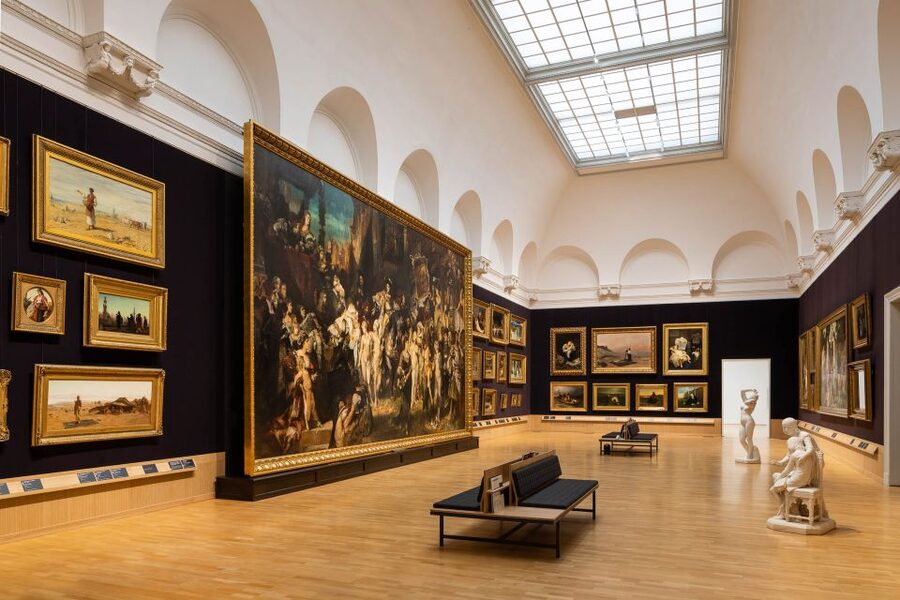
The Old Masters part of the permanent collection is one of the best ways to begin because it shows you how European art developed before the museum’s later movements. You get a sweep across periods, but you also get recognizable artists and schools that make the timeline feel real.
This section includes northern German medieval painting, including altarpieces by Bertram von Minden and Master Francke. That is a great entry point because altarpieces can feel like whole worlds. Even without deep religious knowledge, you can notice how artists built storytelling into composition, symbolism, and figure placement.
Then the route moves toward Renaissance work you probably already know by name. You’ll encounter works by Lucas Cranach the Elder, Hans Holbein, and Paris Bordone. If you like portraits, myth scenes, or the sense of craft in older painting, this is the part where the museum often gives you that classic “how did they do this?” feeling in brushwork and detail.
Finally, you reach the Dutch Golden Age, with 17th-century highlights like Rembrandt van Rijn, Pieter de Hooch, and Anton van Dyck. For me, this is where you start to feel how different regions had their own visual language, and how Dutch painters in particular handled light and everyday realism.
A drawback to keep in mind: Old Masters can demand patience. If you only have the energy for a quick glance, you may miss what makes these works special. But if you give yourself small pauses and pick a few works per sub-section, you can still have an excellent day.
Caspar David Friedrich’s Wanderer above the sea of fog
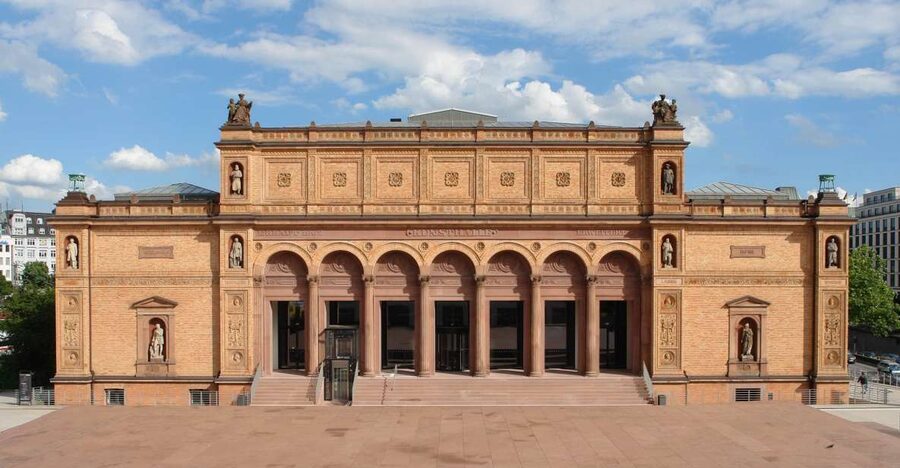
If you are coming to the Kunsthalle for one iconic image, this is it. The museum highlights Wanderer above the sea of fog by Caspar David Friedrich, and it acts like a time marker inside your day.
What I like about using this painting as an anchor is that it helps you understand the emotional shift into later centuries. Friedrich’s work is not just about scenery. It’s about mood, distance, and how the viewer is asked to think, not just look.
So when you see it, take 30 to 60 seconds longer than you think you need. Look at the way the figure is positioned and how the scene turns into atmosphere. Then, use that mental note to compare what you saw before in the Old Masters galleries, where meaning often sits more in religious or mythological storytelling.
Also, if your audio guide is available in both English and German, you can use it here to connect the artwork to its context without getting lost in reading every label.
19th-century art: German giants plus French Realists and Impressionists
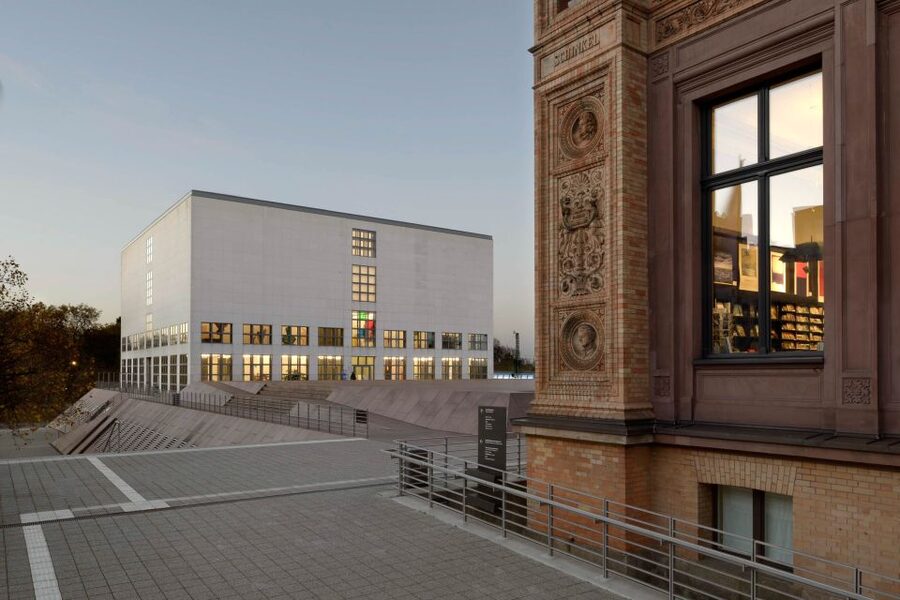
After the Old Masters, the 19th-century collection adds a new kind of drama. This section is known for extensive holdings that include major names like Caspar David Friedrich, Philipp Otto Runge, and Max Liebermann.
This is a strong moment in the museum because it is where you start seeing modern ideas begin to form, even if the artwork is still rooted in classical subjects. Runge’s work is often about color and emotional tone, and Liebermann is tied to shifts in painting style in Germany as the century advanced.
The museum also includes pivotal works by French Realists and Impressionists. That matters for your day because it gives you a cross-country lens. You can compare how French artists pushed the look of everyday life and how German painters responded to changing interests in modernity, light, and perception.
In other words, this part is not just “more paintings.” It’s where you can start to notice the growing break from older rules of what art should look like and how it should behave.
If you are trying to keep your day from turning into sensory overload, this is a good place to slow down. Choose a small set of works by Friedrich or Liebermann, then spend a few minutes comparing a French piece to what you just saw.
Onward connections from Hamburg:




Modern art: the Brücke influence and early 20th-century voices
The Modern art part is where the Kunsthalle becomes visibly more experimental. It gives you the eventful first half of the 20th century, and you see the pressure of new ideas landing on canvas.
There are standout paintings from the Brücke group, and that is a big clue about what you will feel in this section. Brücke art often carries energy and a directness that can feel less polished by older standards. If you like bold color, strong forms, and a kind of emotional front-facing style, this section can hit hard in a good way.
The museum also includes significant bodies of work by artists such as Edvard Munch, Paul Klee, Wilhelm Lehmbruck, Paula Modersohn-Becker, Lovis Corinth, and Max Beckmann. That lineup helps you understand how “modern” did not mean one single style. It meant different artists reacting to the same modern world in different ways.
A key benefit for you: modern art here is not just a random scatter. It’s presented as a progression from earlier centuries, so you can follow how techniques and intentions evolved.
The consideration: if you tend to get impatient with abstract or emotionally intense work, Modern art can feel like a lot on the eyes. Try this: pick one artist you connect with in this section, then let the rest of the room serve as a supporting cast.
Contemporary art at the Kunsthalle: Richter, Warhol, Nauman, and more
The Contemporary section is where the museum shows it is not stuck in the past. The international collection includes major works by Bruce Nauman, Gerhard Richter, Jenny Holzer, Nan Goldin, Andy Warhol, Richard Serra, and Sigmar Polke.
You might think contemporary art means you either love it or you don’t. In reality, the biggest advantage here is the chance to practice a different kind of looking. Contemporary works often reward pattern recognition, symbolism, and the idea that meaning might sit partly in what you bring to the gallery.
For example, Gerhard Richter’s presence often nudges you to think about how images can be treated, blurred, fragmented, or questioned. Warhol pushes you toward thinking about repetition, mass culture, and the artwork as an object inside a system of media. Jenny Holzer can shift the experience toward language and public meaning. Bruce Nauman and Richard Serra are often about space and form, which changes how you physically experience the room.
If that sounds like a lot, you do not have to master it. Just slow down for a few works. Read the label once, stand a bit longer, then look again without reading. That second look is where contemporary art starts to make sense.
Food inside the museum: Das Liebermann and The Cube with Inner Alster views
A good art day needs a planned reset, and the Kunsthalle helps with that. There’s the newly refurbished café Das Liebermann, which returned to its former location in the impressive pillared hall of the Kunsthalle.
That setting matters. Even if you only grab a drink or a snack, you get a change of pace inside a beautiful space. It also makes the museum feel more livable, not like a strict route through rooms.
For a bigger break, there is also The Cube, located in the Gallery of Contemporary Art. It offers crossover cuisine with a regional focus, and one of the strongest features is the view of the Inner Alster Lake. If you want a pause that includes scenery, this is where you go.
You’ll also find a daytime menu with snacks and lunch options, and in the evening The Cube moves to an à la carte dinner menu. That means you can keep your day flexible if your timing runs late.
Audio guide choices and practical tips that save time
The audio guide is not included with your ticket. It is offered both for tours through the collection area and for current special exhibitions.
You have two ways to get it:
- A loan device available at the ticket desk, with a fee of €6
- The Hamburger Kunsthalle app, which you can download for free
The audio guide is available in English and German, and it works for both the permanent collection areas and special exhibitions.
This matters because it helps you choose your style. If you want a quicker visit, you can treat the audio like a highlight reel. If you want more meaning, you can use it as a structured path through eras.
Also pay attention to bag rules. Bags larger than DIN A4, backpacks, umbrellas, and larger luggage items like suitcases and trolleys must be deposited. Lockers are available, so plan a few minutes at the start. Doing that early keeps your day smooth, and you can focus on art instead of awkward bag management.
Wheelchair access is available, so the museum is set up for visitors who need it.
Price and value: is $21 worth it for a full art day?
At about $21 per person, this entrance ticket can be a strong value if you want a one-day art plan with real range. The price includes the entrance and access to the permanent collection.
The audio guide is extra, and the loan device costs €6 if you choose that route. You can also go app-only for free, which can reduce extra costs.
What you get for the money is the big picture: eight centuries of European art, plus the option to experience special exhibitions if you want them. That combination is why this ticket feels fair. You are paying for breadth and depth, not just one room.
If you are someone who enjoys reading art labels and connecting artists across time, you’ll likely feel you squeezed a lot out of the ticket. If your goal is to see a couple famous works and call it a day, you might still enjoy it, but you should go with a tighter plan so you do not feel rushed.
Should you book the Hamburger Kunsthalle entrance ticket?
Book it if you want a structured art history day without the commitment of a long guided tour. This is especially worth it if you like European painting from medieval altarpieces to Impressionism and into modern and contemporary names like Rembrandt, Munch, Klee, Richter, Warhol, and Serra.
I would skip or reconsider if you only have a short time in Hamburg and hate museums with lots of rooms. Also, if you know you get overwhelmed by audio and label reading, you may prefer a shorter museum plan or a different type of attraction, because the Kunsthalle works best when you let it guide your pace.
One extra hint from recent bookings: one verified booking simply called it perfect, and another highlighted very beautiful films. If your visit lines up with special exhibitions that use film or video, leave a little time for those sections so you can catch them without stress.
FAQ
What does the Hamburger Kunsthalle entrance ticket include?
Your ticket includes the entrance to the Hamburger Kunsthalle and access to the permanent collection.
Is the audio guide included?
No. The audio guide is not included with the entrance ticket.
How can I get the audio guide, and what language is it in?
You can borrow an audio guide device at the ticket desk for a €6 fee, or use the Hamburger Kunsthalle app. The audio guide is available in English and German.
Does the ticket cover special exhibitions too?
Your ticket includes access to the permanent collection. Audio guides are offered for tours through both the collection area and current special exhibitions, so you can use the audio guide if you also visit special exhibitions.
How long is the ticket valid?
The ticket is valid for 1 day. You should check available starting times for your chosen day.
Where can I store larger bags or luggage?
Bags larger than DIN A4, backpacks, umbrellas, and larger luggage items such as suitcases and trolleys must be deposited. Lockers are available.
Is the museum wheelchair accessible?
Yes, wheelchair access is available.
Fresh on the arrivals board for Hamburg


Hamburg Tours & Activities, compared.
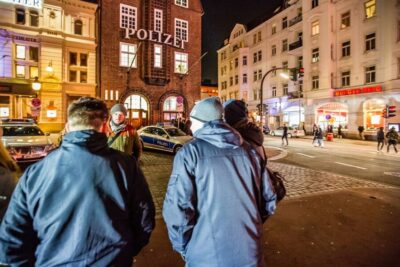
Sex and Crime in St. Pauli Tour for Ages 18 +
Read our review →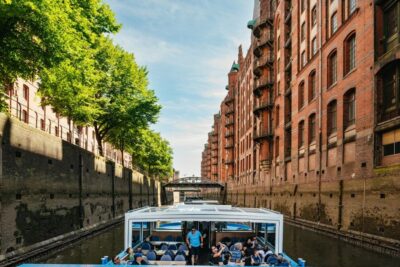
1.5-Hour Harbor and Speicherstadt Day Cruise
Read our review →


Reeperbahn Lust & Laster Tour for Adults Only
Read our review →Browse the lists this tour appears in