
Reviewed · GUIDED WALKS IN HAMBURG
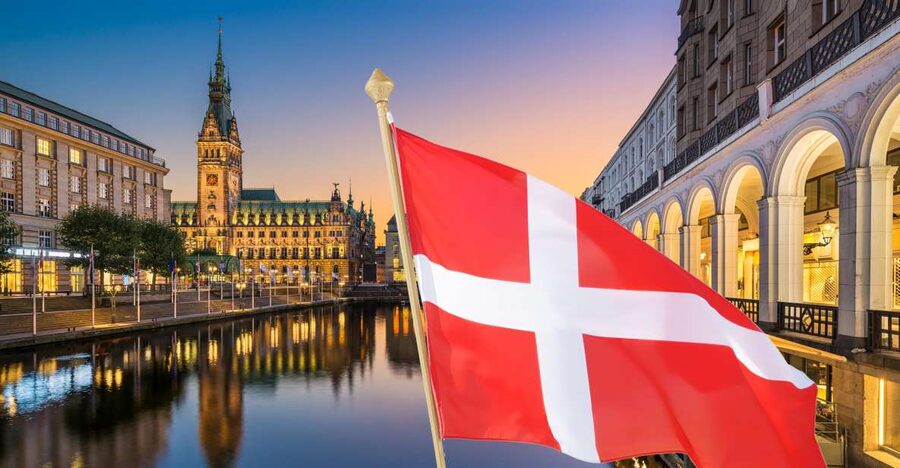
Hamburg: Guided Walking Tour in Danish
Hamburg changes when you hear it in Danish, and this guided walk makes the city’s story click. I especially love how the tour links centuries of trade and rebuilding, from the Hanseatic era to the wartime memory at St. Nikolai, and I also love the sharp contrast between historic Speicherstadt and modern HafenCity, capped by the dramatic Elbphilharmonie. If you do not read or listen to Danish well, that is the one real drawback, because the live licensed guide speaks Danish throughout, and the pace is built for that.
You also get a smart, focused format. It runs about 2 hours, with a group size up to 30, starting at Swatch Jungfernstieg and ending at Platz d. Deutschen Einheit, with the guide using historical visual aids to keep the big timelines straight. It runs rain or shine, so wear comfortable walking shoes and plan for outdoor time, especially as you move between districts.
In This Review
- Key highlights worth showing up for
- The Danish angle that makes Hamburg’s timeline easier
- Meeting at Swatch Jungfernstieg, then walking into the center
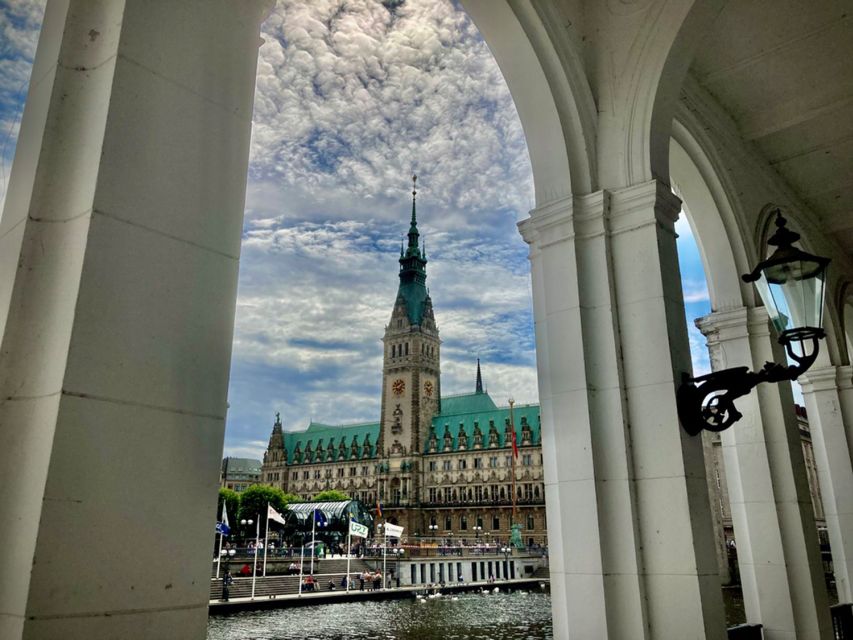
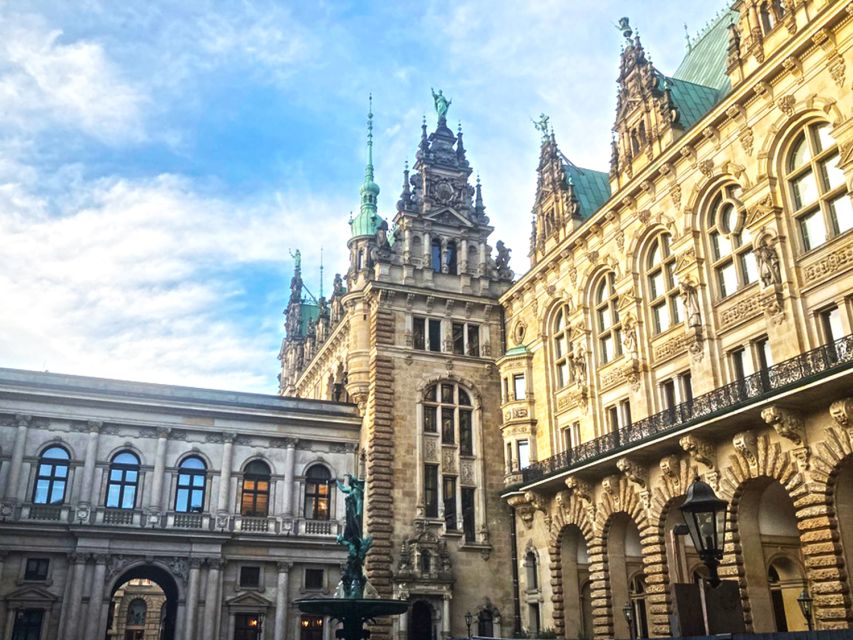
- Townhall area: where civic power meets the Hanseatic past
- Deichstraße and the story of fire, rebuilding, and why Old Town feels young
- Patriotic Society of 1765: a civic thread that ties the port to people
- St. Nikolai Memorial: wartime damage turned into a lasting memory
- LaeiszHof: where elegance and culture show up in the middle of the story
- Speicherstadt: the warehouse district that explains Hamburg’s port identity
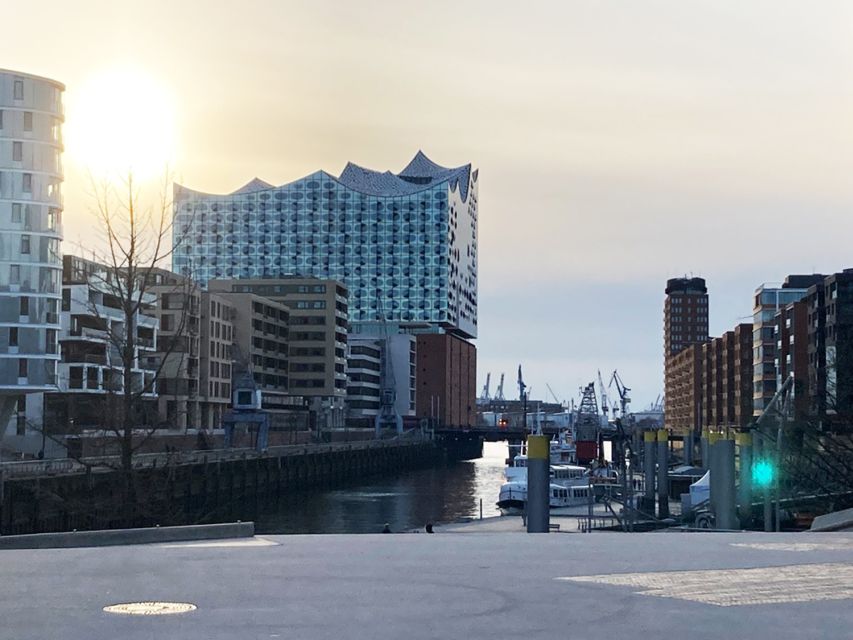
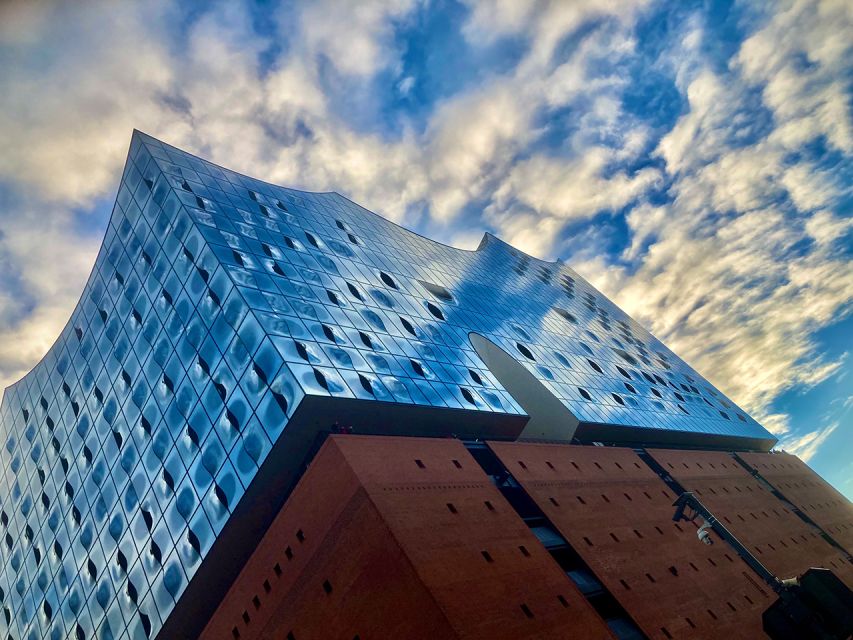
- HafenCity and Elbphilharmonie: modern Hamburg where the tour ends
- Price, group size, and whether $280 per group is good value
- Who this walking tour suits best, and who should skip it
- What to bring for a smooth 2-hour walk
- My quick booking verdict
- FAQ
- How long is the Hamburg guided walking tour in Danish?
- Where does the tour start?
- Where does the tour finish?
- What can I expect to see on the tour?
- Is the tour in Danish?
- Does the tour run in bad weather?
- Is food or drinks included?
- What should I bring?
- Is the tour suitable for children?
- Is the tour wheelchair accessible?
- Can I get a refund if I cancel?
Key highlights worth showing up for
- Licensed Danish guide: the stories and context land best when you can follow the language.
- Middle Ages to today in one route: you connect the Saxon marketplace roots to a major port city.
- St. Nikolai Memorial stops memory and meaning: WWII bombing history is handled through what’s on-site.
- Speicherstadt warehouses up close: you see why this district is known as the world’s largest warehouse area.
- HafenCity and Elbphilharmonie: you finish at Hamburg’s modern signature and can linger at the viewing areas.
The Danish angle that makes Hamburg’s timeline easier
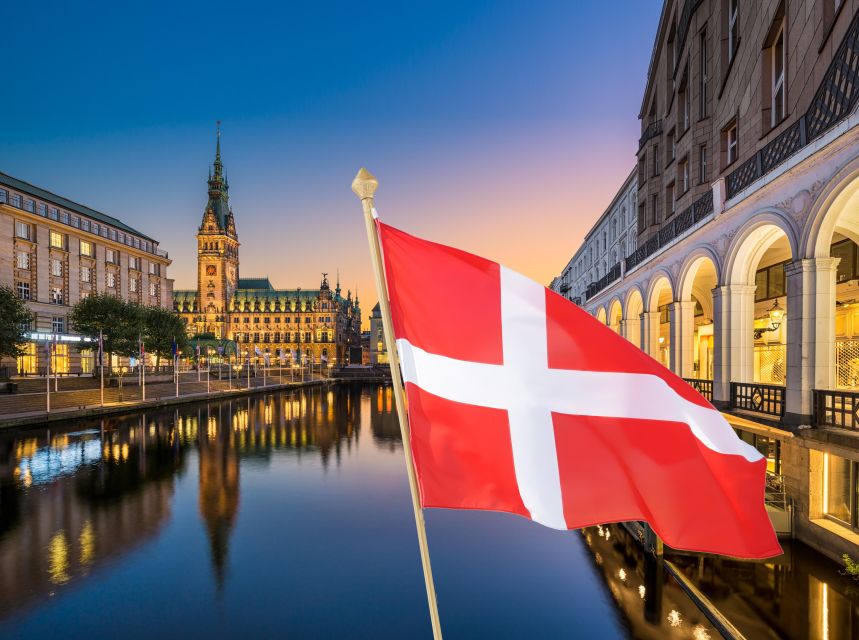
Hamburg is one of those cities where it is easy to “see things” without really getting the cause and effect. This tour fixes that by shaping the walk like a timeline you can follow, with a Danish-speaking licensed guide who explains how the city changed and why. In at least one group I read about, Christian Meyer-Pedersen was praised for having a colossal grasp of history and culture and for telling it in a way that feels organized and human, not like reciting facts from a page.
What you like most is that the route does not just show landmarks. It connects them. You hear why certain parts of the city were rebuilt, why fire mattered so much, and how Hamburg’s “Old Town” ended up looking newer than you might expect. That kind of explanation makes your future self-tour much easier, because you start noticing patterns instead of just collecting photos.
More Guided Walks in Hamburg
- Hamburg: Guided Walking Tour for Magic Fans
★ 4.8 · 1,992 reviews - Reeperbahn Walking Tour with St. Pauli Local
★ 4.8 · 577 reviews - Hamburg: Speicherstadt Walking Tour with Coffee Tasting
★ 4.6 · 360 reviews
Meeting at Swatch Jungfernstieg, then walking into the center
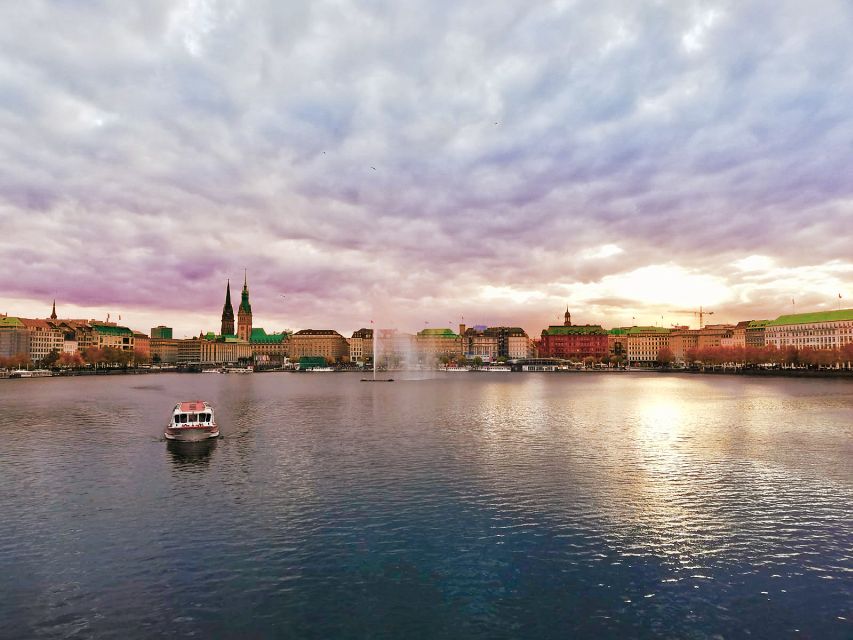
The tour begins at a practical spot, outside the Swatch shop at the corner of Jungfernstieg and Alsterarkaden. That matters because it helps you get oriented fast. If you are arriving in Hamburg and want an easy starting point near the Alster waterfront area, this is a convenient launch pad, and you are already in a part of the city that feels connected to everyday life.
From there, you head toward the historic core. Expect a steady walking pace with short “stop and learn” segments, not long bus rides or complicated transfers. Since the tour is about 2 hours, your guide needs you to stay with the group and pay attention at each stop, especially when they use visual aids to anchor the story.
A quick note on attire: it runs rain or shine. You do not want to be thinking about sore feet or slipping soles while someone is explaining why Hamburg’s development took the shape it did. Comfortable shoes and clothes you can move in make the whole experience feel effortless.
Townhall area: where civic power meets the Hanseatic past
The first major landmark stop is the Townhall area, where you get a focused introduction to Hamburg’s long arc of civic and commercial power. This is where the city’s role as a trading hub becomes more than a label. You learn how Hamburg grew from earlier settlement roots into a major member of the Hanseatic League, the network of port cities that helped define trade in Northern Europe.
This is also a good point for first impressions. Even if you think you already know Hamburg as a port city, the Townhall and the surrounding feel can reframe that. It is not only about ships and warehouses. It is also about governance, wealth, and the kind of city planning that comes from centuries of economic pressure.
Deichstraße and the story of fire, rebuilding, and why Old Town feels young
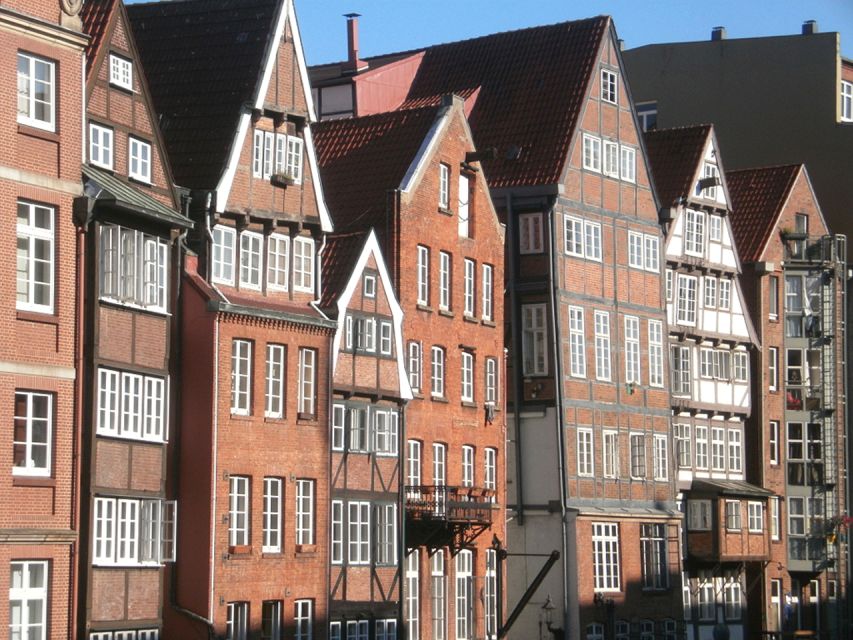
One of the most interesting parts of the tour is how it uses everyday city details to explain bigger events. On Deichstraße, you hear why fire played such an important role in Hamburg’s development. When you understand that, you start seeing “history” as something shaped by destruction and rebuilding, not just one long continuous era.
The tour also addresses a surprising idea: Hamburg’s Old Town is actually quite new. That does not mean you are walking past fake history. It means the city’s architectural identity reflects what survived and what had to be rebuilt. Once that clicks, you will notice how modern the feel can be in places you might have expected to be medieval.
Patriotic Society of 1765: a civic thread that ties the port to people
At the Patriotic Society of 1765 stop, the tour adds another layer. Hamburg is often described as a port powerhouse, but this kind of stop reminds you that it is also a city of civic institutions and public life. You start to get a sense for how trade and wealth influenced social organizations, not just businesses and docks.
This part of the walk is shorter, but it helps fill in the “why” behind Hamburg’s mindset. It is the difference between thinking of a city as scenery and understanding it as a system of people, rules, and shared goals. Even if you are not a history buff, you can appreciate the logic when a guide connects public institutions to the city’s growth.
More German cities at walking speed:




St. Nikolai Memorial: wartime damage turned into a lasting memory
Then you move to the St. Nikolai Memorial area, including the ruins of the St. Nikolai Church. This stop is emotionally heavier, because the church was bombed by Allied forces during Operation Gomorrah in 1943, and the site now houses a WWII memorial and museum.
What I like here is that this tour does not treat WWII as a generic “dark chapter.” It anchors the story in what you are literally standing next to. That makes the history feel local, not abstract, and it helps you understand how trauma becomes part of a city’s public space.
You should also be ready for a different tone. If your travel style is more lighthearted, this is still manageable, but it asks for a slower moment of attention. Plan for that mentally, and you will get more out of the guide’s explanation.
LaeiszHof: where elegance and culture show up in the middle of the story
LaeiszHof is a stop that helps balance the walk. After thinking about the city’s losses and fires, it is a reminder that Hamburg also builds for culture and prestige. Even though the tour segments stay brief, you still get the “this matters because…” context that ties the architecture back to the city’s merchant strength.
This is a good moment to look around with new eyes. Once you have heard how Hamburg became a leader in the Hanseatic League and later a major port, you can understand why certain buildings and public spaces exist where they do. The walk starts to feel like a connected city map, not isolated photo stops.
Speicherstadt: the warehouse district that explains Hamburg’s port identity
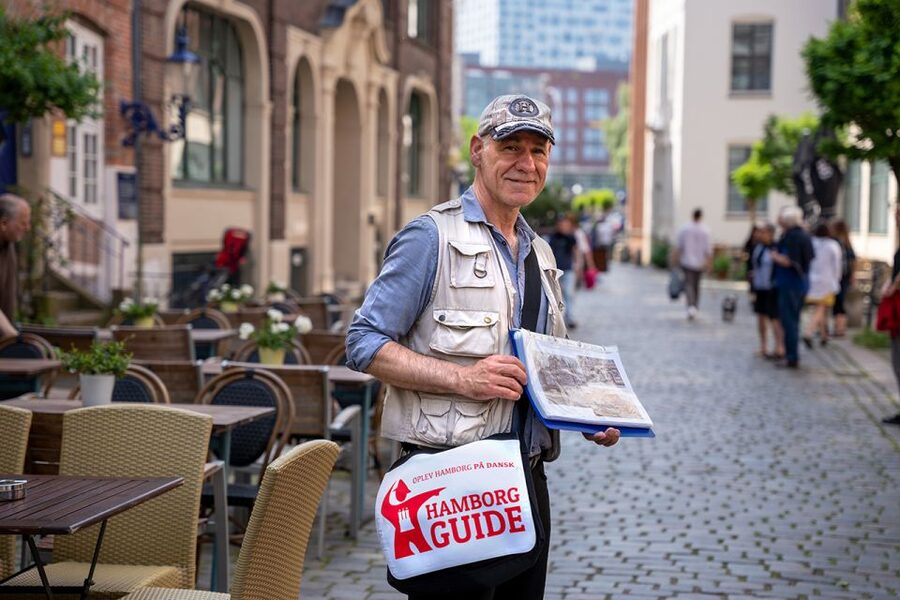
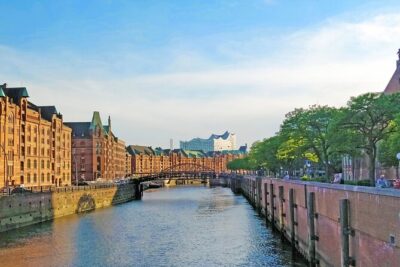
Next comes Speicherstadt, described as the largest warehouse district in the world. This is one of the biggest visual payoffs on the tour, because the architecture and layout explain the trade logic at a glance. You see a part of the city built specifically for storing goods, organizing movement, and supporting large-scale shipping.
This is also where the tour’s big historical themes finally feel tangible. The Hanseatic story is not just a medieval label anymore. It connects to a modern port economy, and you can understand why warehouses needed to be clustered and protected. If you like cities where industry shapes the streets, this portion will give you that satisfaction.
One practical tip: take your time looking at the edges and details. The guide’s brief storytelling works best when you also do a little quiet scanning. You are not there only for one photo. You are there to see how the district functions as a whole.
HafenCity and Elbphilharmonie: modern Hamburg where the tour ends
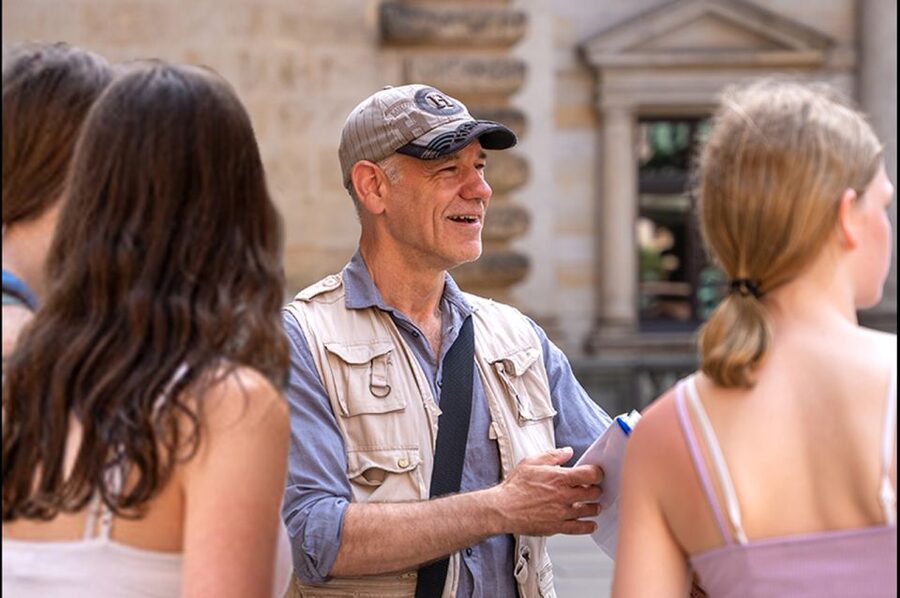
The final stretch moves into HafenCity, and then you finish at the Elbphilharmonie. This part of the walk is built for closure. You have gone from origins and rebuilding to the warehouse engine of the port, and now you see how Hamburg projects itself forward.
Elbphilharmonie is not just a building you pass. Your tour ends there, which gives you a real chance to explore the Elbphilharmonie Plaza and the public viewing platform on your own. That self-guided time is valuable because the guide cannot stay with you forever at the end, and you are likely to want extra minutes for photos or viewpoints.
HafenCity also helps you understand Hamburg as a living city, not a museum. The port economy may be the backbone, but the city now uses that identity to build culture, attract visitors, and reshape waterfront space.
Price, group size, and whether $280 per group is good value
The price is listed as $280 per group up to 30 people, with a 2-hour walking format. That pricing structure changes the value depending on how full your group is, and it also changes what you can expect from the experience. A small, fuller group often means the guide can keep things interactive, while a full group still tends to be smooth since this is a walking tour with set stops.
Here is how I’d judge the value in real life. If you want a short, organized way to understand why Hamburg became what it is, you are paying for translation of complexity into a walkable story, plus a licensed guide using historical visual aids. If your plan is only to “see landmarks,” you might spend less on self-guided options. But you would also miss the context that makes the landmarks connect, especially the fire-and-rebuilding explanation and the meaning of St. Nikolai Memorial.
In short, this is good value if you like structured city history delivered with local nuance, and if Danish-language instruction is not a barrier for you.
Who this walking tour suits best, and who should skip it
This tour is ideal for adults and Danish-speaking visitors who want a compact, high-impact overview of Hamburg across time periods. It works well if you enjoy port-city history, Hanseatic-era context, and WWII memory as part of how cities present themselves today. The fact that the guide is licensed and uses historical visual aids supports that “learn fast” style.
It is not suitable for children under 6, people with mobility impairments, wheelchair users, or visitors who are visually impaired or hearing-impaired. Also, if you do not speak Danish, the tour language is Danish, so your experience may feel out of sync.
Finally, because it is rain or shine and you will be walking between districts, you should be comfortable doing steady outdoor walking for about 2 hours.
What to bring for a smooth 2-hour walk
Bring comfortable shoes first. Hamburg can be a mix of open areas and tight corners, and you do not want sore feet when you are trying to listen.
Also bring cash, and dress for weather since the tour runs rain or shine. A light layer is often smart in Northern Germany, but you can keep it simple: wear clothes you can move in, and bring something that handles wet conditions without making you miserable.
Since food and drinks are not included, plan a meal before or after. The route is designed for learning, not for stops at cafes.
My quick booking verdict
I’d book this tour if you want an organized way to understand Hamburg as a port city, with the story moving from Saxon roots and the Hanseatic League era to warehouses and modern waterfront culture. The biggest reasons to choose it are the Danish guided storytelling that connects the stops, and the fact that you end at Elbphilharmonie so you can keep exploring at your own pace.
Skip it if Danish is a dealbreaker for you, or if mobility, visual, or hearing needs make an outdoor walking tour hard to manage. If that fits, this is a smart 2-hour investment in seeing Hamburg with meaning, not just photos.
FAQ
How long is the Hamburg guided walking tour in Danish?
The tour lasts 2 hours.
Where does the tour start?
Meet your guide in front of the Swatch Shop at the corner of Jungfernstieg and Alsterarkaden.
Where does the tour finish?
The tour ends at Platz d. Deutschen Einheit, 20457 Hamburg, Germany.
What can I expect to see on the tour?
You will see Hamburg Townhall, the St. Nikolai Memorial, Speicherstadt, HafenCity, and the Elbphilharmonie, plus other stops along the way.
Is the tour in Danish?
Yes, the live tour guide speaks Danish.
Does the tour run in bad weather?
Yes, it takes place rain or shine.
Is food or drinks included?
No, food and drinks are not included.
What should I bring?
Bring comfortable shoes, comfortable clothes, and cash.
Is the tour suitable for children?
No, it is not suitable for children under 6 years old.
Is the tour wheelchair accessible?
No, it is not suitable for people with mobility impairments or wheelchair users.
Can I get a refund if I cancel?
You can cancel up to 24 hours in advance for a full refund.
Fresh on the arrivals board for Hamburg


Guided Walks in Hamburg, compared.




Browse the lists this tour appears in