
Reviewed · TICKETS
Hamburg: Admission Ticket The MONTBLANC HAUS
Pen people, this one is for you.
In Hamburg, MONTBLANC HAUS turns a ticket into a tour through the brand’s story and its craft, not just a room of glass cases. I love the 360° writing experience and the chance to see original handwriting from famous names like Ernest Hemingway, Frida Kahlo, Jackie Chan, and Albert Einstein. One thing to keep in mind, based on recent feedback, is that the audio system can occasionally be glitchy for some visitors, so plan to check it early.
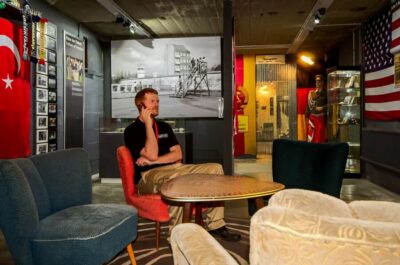
You’re visiting right next to Montblanc’s headquarters and manufacturing facility, so the whole place has a sense of purpose. The exhibition is permanent, and it mixes history with current design, from the start-up roots to what goes into the nibs. You’ll spend a full day here without needing to rush, and you can keep your hands free with onboard lockers for A4-sized bags.
In This Review
- Key Things I’d Not Miss at MONTBLANC HAUS
- Why This Montblanc Museum Feels Like It Has a Purpose in Hamburg
- The First Room: A 360° Screen That Sets the Tone
- Following the Montblanc Origin Story, Not Just the Brand Name
- Seeing Original Handwriting From Famous Names
- The 410+ Writing Instruments Display: How to Get the Most
- Behind the Scenes: Nibs, Makers, and Craft You Can Respect
- Audio Guide in German and English, and a Quick Tech Tip
- What’s Included: More Than Admission, Less Than You Might Expect
- Practical Tips: Bags, Water, Parking, and Staying Comfortable
- How Long Should You Plan, and Who This Is Best For
- Value Check: Is $16 a Smart Use of Your Time?
- Should You Book MONTBLANC HAUS Admission in Hamburg?
- FAQ
- What is included with the admission ticket to MONTBLANC HAUS?
- How long is the experience valid for?
- What languages is the audio guide available in?
- Is MONTBLANC HAUS wheelchair accessible?
- Are pets allowed?
- Can I bring a handbag, and is there somewhere to store it?
- Is food and drink included?
Key Things I’d Not Miss at MONTBLANC HAUS

- 360° screen on the world of writing, designed to set the mood fast
- Original handwriting from famous figures, displayed with real context
- Over 410 Montblanc writing instruments, from historical fountain pens to new editions
- The story of the start-up that became Montblanc, told as an origin path
- Behind-the-scenes views of the crafting team, including the making of nibs
- Free audio guide in German and English, plus a postcard you can send from the site
Why This Montblanc Museum Feels Like It Has a Purpose in Hamburg
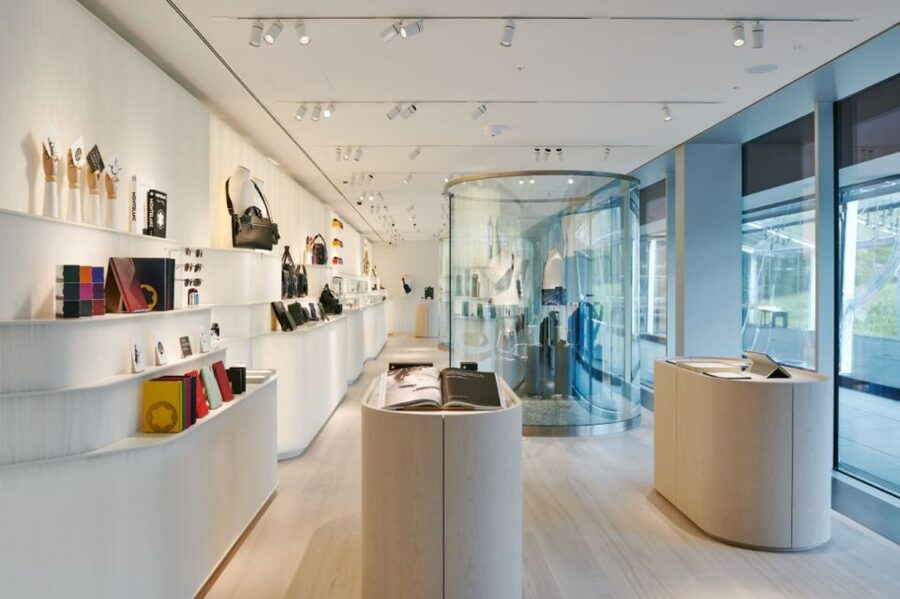
Hamburg is a great city for visitors who like “real places,” not just postcard stops. Montblanc Haus fits that vibe because it is located next to the company’s headquarters and the manufacturing facility. That proximity matters. You can feel the difference between a museum that shows products and a museum that shows process.
I like that the focus stays on writing and the people behind it. The exhibition is described as being about people who left a mark, those who inspire others, and the ones who follow their own intuition. In plain terms, it is not only about luxury objects, it is about what writing can do to ideas and careers.
The overall value also makes sense for a one-day ticket at about $16. For that price, you are not paying only for displays. You are paying for a guided-feeling layout, with a free audio guide and a story that connects the handwriting, the instruments, and the craft.
Also holding a platform in Hamburg
- Hamburg: Sex and Crime in St. Pauli Tour for Ages 18 +
★ 4.7 · 17,793 reviews - Hamburg: 1.5-Hour Harbor and Speicherstadt Day Cruise
★ 4.6 · 14,200 reviews - Hamburg: 90-Minute Evening Lights Harbor Cruise
★ 4.5 · 7,728 reviews
The First Room: A 360° Screen That Sets the Tone
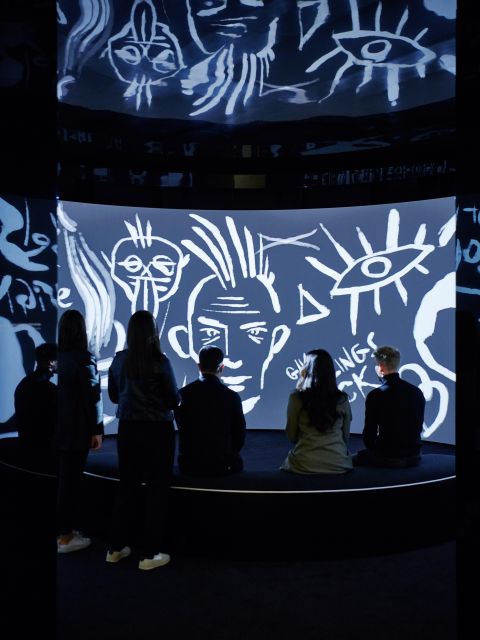
The 360° screen is one of the best reasons to go even if you are not a lifelong pen collector. It is meant to pull you into the world of writing from the start, so you are not immediately stuck reading labels. If you like museums that start with atmosphere, this is doing the job.
What I think it changes for you as a visitor is pacing. Many brand museums jump straight into product displays. Here, you get a “beginning” that helps you notice details later. That makes the rest of the experience more rewarding, especially once you start seeing original handwritten material.
Practical note: since you get a free audio guide, try to get oriented early. If your audio device seems delayed or awkward, alert staff right away. A recent booking highlighted audio technical trouble for some visitors, and fixing it early saves time and frustration.
Following the Montblanc Origin Story, Not Just the Brand Name
A big part of Montblanc Haus is the narrative of how a start-up became Montblanc. That framing is smart because it keeps you from thinking of luxury writing instruments as frozen in time. Instead, you see a business and a creative goal developing, step by step.
You can expect the story to connect to the idea of inspiration. The exhibition language is about creators who leave their mark and about people who follow their own path. Even if you only skim, you should come away with a clearer sense of why the company emphasizes craftsmanship and design so strongly.
This is also where the museum can surprise you. If you only think of Montblanc as a status pen, you may find the start-up angle makes the brand feel more human. The collection becomes easier to understand when you know where the company’s early energy came from.
Seeing Original Handwriting From Famous Names
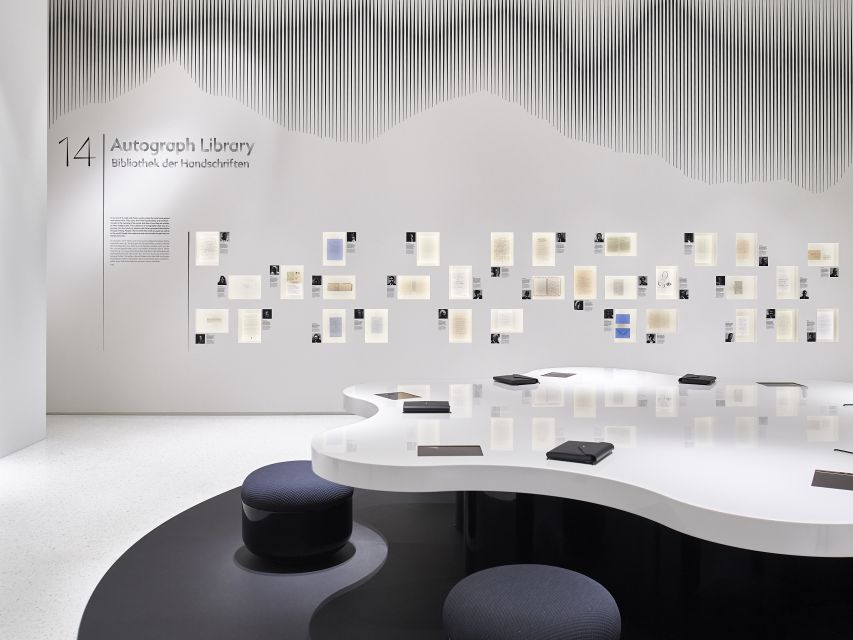
One of the most “worth it” parts of MONTBLANC HAUS is the inclusion of original handwritings from iconic figures. The highlights list names like Ernest Hemingway, Frida Kahlo, Jackie Chan, and Albert Einstein. Even if you are not a handwriting nerd, original documents have a different impact than reproductions.
Here is why this matters for your visit: handwriting is personal. It is not a product photo. When you see a real handwritten page, you get a sense of individuality that matches the museum’s theme about inspiration and intuition. You also start to connect the dots between writing as a skill and writing as a signature.
If you like to take your time, slow down in these sections. This is the part of the museum where you will probably want to stand longer and read more carefully, because you are looking at primary material, not only objects.
The 410+ Writing Instruments Display: How to Get the Most
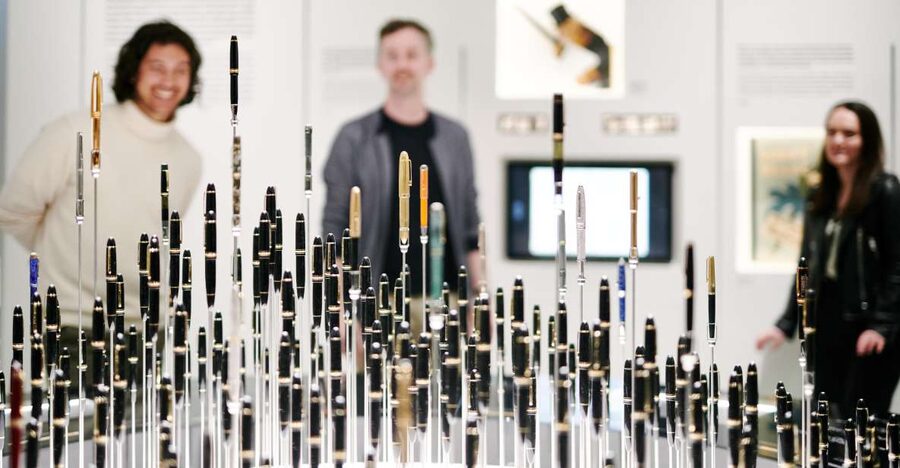
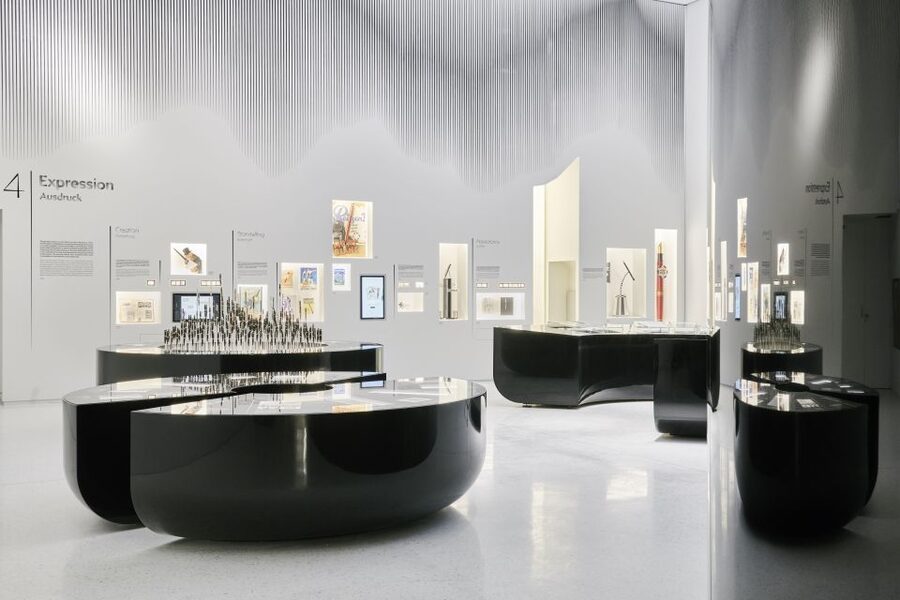
The museum includes over 410 Montblanc writing instruments, ranging from historical fountain pens to the latest editions. That is a lot of product. The trick is to avoid walking past it like it is a catalog.
Here’s how you can do that without feeling stuck:
- Pick one or two writing instruments you are curious about, then look for what makes them different in style or historical context.
- Pay attention to the relationship between past designs and modern versions. Since the exhibition spans both history and today, you can see continuity and change.
The displays also support the museum’s bigger theme. Writing instruments are treated as more than luxury items. They are presented as tools that people use to put ideas on paper, which sounds basic, but it changes your mindset once you start watching for it.
One consideration: because the collection is large, it can be easy to feel “information overload.” The free audio guide helps, but if you want to keep your energy, plan to take short breaks and revisit the sections that grab you. A one-day ticket means you can pace yourself.
Onward connections from Hamburg:




Behind the Scenes: Nibs, Makers, and Craft You Can Respect
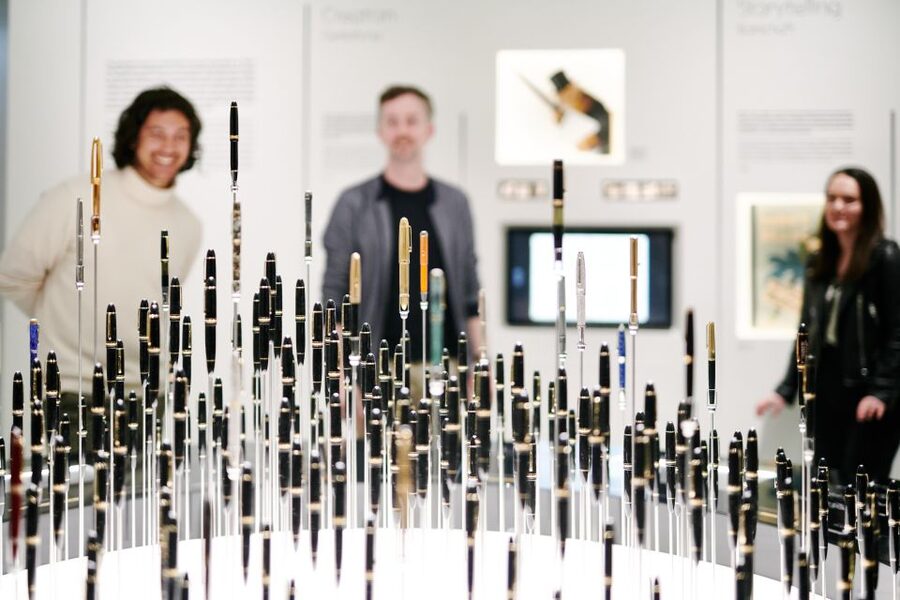
Montblanc Haus does not only show what a pen looks like. It also points you toward how it is made. The highlights mention behind-the-scenes access to the team that crafts exclusive writing instruments and specifically the making of nibs.
For you, this is the payoff if you care about the practical side of luxury. Nibs are where the magic lives, and it is the part you touch with your writing hand. Even if the details are brief, seeing the concept of nib-making inside the museum context makes the collection feel less like a shopping wall and more like a craft workshop.
This also helps you connect the origin story to the objects. The start-up history explains the drive, while the nib and making-of content explains the methods. Together, they give you a fuller picture of what “Montblanc” means in real terms.
Audio Guide in German and English, and a Quick Tech Tip
A free audio guide is included, with German and English options. That matters because the exhibition covers history, brands, and specific craft topics. Audio support makes it easier to understand the story without standing there squinting at labels.
One small caution: a verified booking noted that audio technology worked poorly for some visitors. The best practical move is to test your audio right after entry. If anything seems off, speak to staff immediately instead of waiting. Getting a fix early will keep the rest of the exhibition from turning into a guessing game.
What’s Included: More Than Admission, Less Than You Might Expect
Your ticket includes:
- A single admission ticket for the exhibition
- A free audio guide
- A postcard you can send to an address of your choice
I like the postcard detail because it turns your visit into something you can share without needing to buy extra souvenirs. It also gives you a reason to slow down at the end, grab your postcard, and make the whole thing feel like a complete experience.
What is not included is food and drinks. Plan accordingly. If you are building this into a day of Hamburg sightseeing, keep a snack or plan a meal nearby, because you will likely be focused while you walk through the permanent exhibition.
Practical Tips: Bags, Water, Parking, and Staying Comfortable
MONTBLANC HAUS is wheelchair accessible, and you should feel comfortable going with a mobility plan in mind. If you are traveling with a handbag, you can bring one with essential personal items, as long as it does not exceed A4 format. Lockers are available onsite, which is a real help for keeping your hands free around displays.
Water bottles are allowed in exhibition areas. That sounds small, but for a museum day it makes a difference, especially if you are pacing slowly or traveling in warm weather.
Good to know: there is free parking space available. Hamburg can be tough for parking depending on where you stay, so free parking makes the visit easier if you are arriving by car.
On the rules side, pets are not allowed, though assistance dogs are allowed. If you travel with a service animal, you should be covered.
How Long Should You Plan, and Who This Is Best For
This is a one-day ticket. That is helpful because it means you can slot it into a day in Hamburg without needing a half-day script. You can move at your own pace, especially since audio is included.
Who this suits best:
- People who like writing instruments, fountain pens, or design history
- Anyone curious about how craft connects to brand identity
- Visitors who enjoy original documents, not just product photos
- Families and adults who want a focused, story-driven museum stop
Who might not love it as much:
- If you only want casual sightseeing and dislike brand-focused exhibitions, the concentration on one company may feel narrow
- If you hate audio-guided museums and prefer silence, you might want to be selective with time spent in the most informational sections
Value Check: Is $16 a Smart Use of Your Time?
At about $16 per person for a day, this is priced like a museum stop, not like a big-ticket attraction. The value comes from the mix: origin story, original handwriting, and the sheer size of the instrument collection, plus the craft and nib-making behind-the-scenes content.
The free audio guide is a big value driver because it makes the experience easier to follow. The postcard included is small but thoughtful, and it adds a souvenir-like payoff without extra spending.
The only value risk is the potential audio technical issue noted by one booking. In practical terms, that is usually fixable if you catch it early. It is still worth going in with the attitude that you will ask staff if something is not working.
Should You Book MONTBLANC HAUS Admission in Hamburg?
I think you should book if you want a meaningful, brand-connected museum stop that still feels human. The 360° screen, original handwritten material, the large collection of pens, and the behind-the-scenes nib-making details create variety. You will likely learn more than you expect, even if you only started out as a casual pen admirer.
If you are in Hamburg for a short visit, this is a strong option because it is self-contained and designed for a single day. Bring your curiosity, give yourself enough time to slow down with the handwriting sections, and check your audio early. If you do those things, you should leave with both stories and respect for the craft.
FAQ
What is included with the admission ticket to MONTBLANC HAUS?
The ticket includes a single admission, a free audio guide, and a postcard that you can send to an address of your choice.
How long is the experience valid for?
The ticket is valid for 1 day. You can check available starting times when you reserve.
What languages is the audio guide available in?
The audio guide is available in German and English.
Is MONTBLANC HAUS wheelchair accessible?
Yes, the venue is wheelchair accessible.
Are pets allowed?
Pets are not allowed. Assistance dogs are allowed.
Can I bring a handbag, and is there somewhere to store it?
You may carry a handbag with essential personal items as long as it does not exceed A4 format. Lockers are available onsite.
Is food and drink included?
No. Food and drinks are not included. Water bottles are allowed in the exhibition areas.
Fresh on the arrivals board for Hamburg



Tickets, compared.

Munich Hop-On Hop-Off Tour: 1-Day or 2-Day Ticket
Read our review →

Browse the lists this tour appears in