
Reviewed · HAMBURG TOURS & ACTIVITIES
Hamburg: 2.5-Hour Discovery Tour
Hamburg has a way of mixing old stone with big stories. This 2.5-hour Old Town walk strings together famous sights like the Rathaus with the city’s maritime rise, plus spooky legends and WWII reflections.
I especially love how the tour builds connections, not just stops. The 19th-century neo-Renaissance Rathaus is a strong starting point, and the guide’s talk about Hamburg becoming a world port helps it all make sense. A second thing I like is the pacing, including a chance to warm up on the route when needed.
One thing to consider: the walk can sometimes run longer than the scheduled 2.5 hours depending on the group and timing. If you have a hard stop, plan to tell the guide upfront.
In This Review
- Key Highlights That Make This Tour Worth Your Time
- Starting Point: Find the Starbucks on Mönckebergstraße
- Rathaus to Old Town: How Hamburg’s Civic Heart Sets the Story
- Deich Street and St. Nikolai Memorial: The Port City Learns to Survive
- Speicherstadt to Kontor Houses: Where Trade Built the City’s Style
- Elbphilharmonie and the Boatmen’s Church: From Old Shipping Roots to Modern Hamburg
- The Legends and Characters: Barbarossa, Störtebeker, and a Headless Pirate
- WWII Stories in the Middle of the Route: Why Timing Matters
- Pacing, Comfort, and the Coffee Break
- English-Guided, Locally Shaped Storytelling
- Price and Value: Why $23 Can Feel Like More Than a Walking Tour
- Who This Tour Is Best For
- Should You Book This Hamburg 2.5-Hour Discovery Tour?
- FAQ
- How long is the Hamburg 2.5-hour discovery tour?
- How much does the tour cost?
- Where do I meet the guide?
- Is the tour offered in English?
- What major sights does the tour include?
- What time does the tour start?
- Is there free cancellation?
- Can I reserve without paying right away?
Key Highlights That Make This Tour Worth Your Time
- Rathaus views that set the tone for Hamburg’s civic power and city pride
- Old Town walking route that keeps the history easy to follow on foot
- Maritime storytelling that explains how a port city became cosmopolitan
- Big-name sights in a short window like Speicherstadt and Elbphilharmonie
- Myths and characters such as a headless pirate, plus Barbarossa and Störtebeker
Starting Point: Find the Starbucks on Mönckebergstraße
If you like tours that get going fast, this one has a simple plan: meet your guide in front of the Starbucks on Mönckebergstraße. It is an easy anchor point in a part of Hamburg where you will likely already be passing through.
The reason this matters is practical. When a walking tour starts in a clear, visible spot, you lose less time trying to locate the group and more time actually learning the city. On a short 2.5-hour experience, every minute counts.
Also holding a platform in Hamburg
- Hamburg: Sex and Crime in St. Pauli Tour for Ages 18 +
★ 4.7 · 17,793 reviews - Hamburg: 1.5-Hour Harbor and Speicherstadt Day Cruise
★ 4.6 · 14,200 reviews - Hamburg: 90-Minute Evening Lights Harbor Cruise
★ 4.5 · 7,728 reviews
Rathaus to Old Town: How Hamburg’s Civic Heart Sets the Story
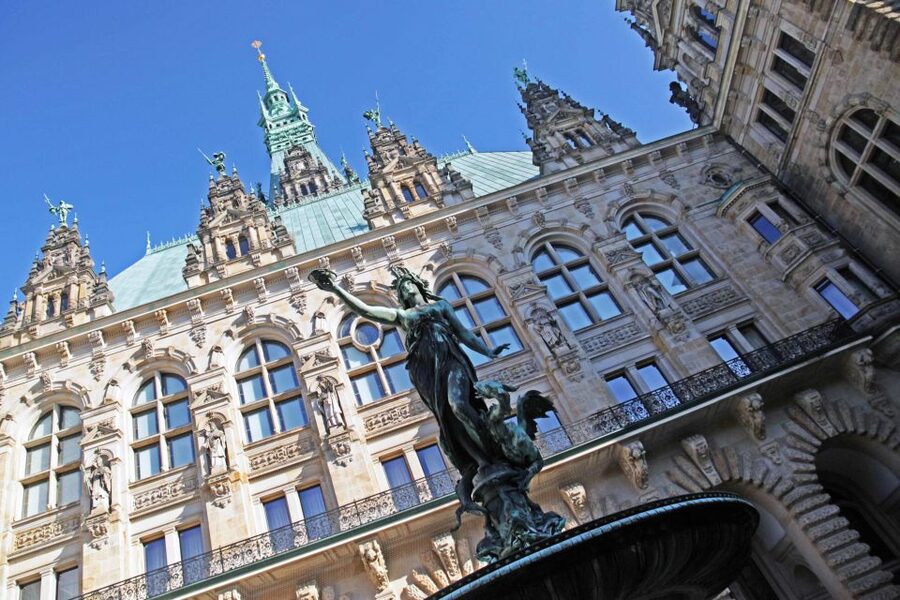
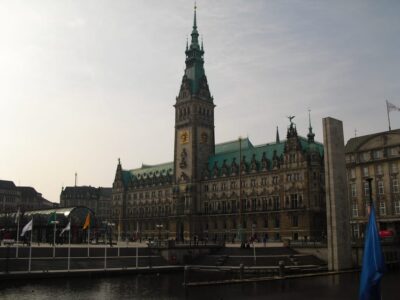
The route’s early highlight is the Rathaus, Hamburg’s grand city hall. This is not a small landmark, and it is not shy about its 19th-century neo-Renaissance style. Seeing it up close gives you a feel for how seriously the city took governance, trade, and status.
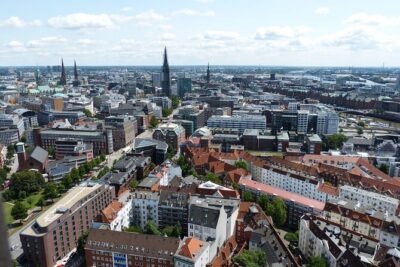
From there, you move through Hamburg’s scenic Old Town, where the architecture and street layout help you understand why Hamburg grew into a major port. The guide ties what you see to how people lived and worked, so it stays more than a photo stop.
What I like about this section is how the guide connects civic life to maritime life. Hamburg was not just a collection of warehouses and ships. It was a trading engine, and the city’s identity developed around that rhythm.
Deich Street and St. Nikolai Memorial: The Port City Learns to Survive
Next you hit Deich Street, a historic corridor that helps explain the geography of a port city. In a place like Hamburg, water is not a background detail. It shapes how neighborhoods form, how commerce moves, and how risk is managed.
Then comes the St. Nikolai Memorial. Memorial architecture can feel heavy in any city, but in Hamburg the story is tied to what the city endured and how it looked at itself afterward. On this tour, you also hear what happened in WWII, which gives context to the memorial and helps you understand why certain spaces feel different from the upbeat parts of the walk.
A quick tip: if your schedule allows, take a moment here to slow down and really look. You do not need to stand there for long, but even 20 to 30 seconds of attention can make the WWII section land better.
Speicherstadt to Kontor Houses: Where Trade Built the City’s Style
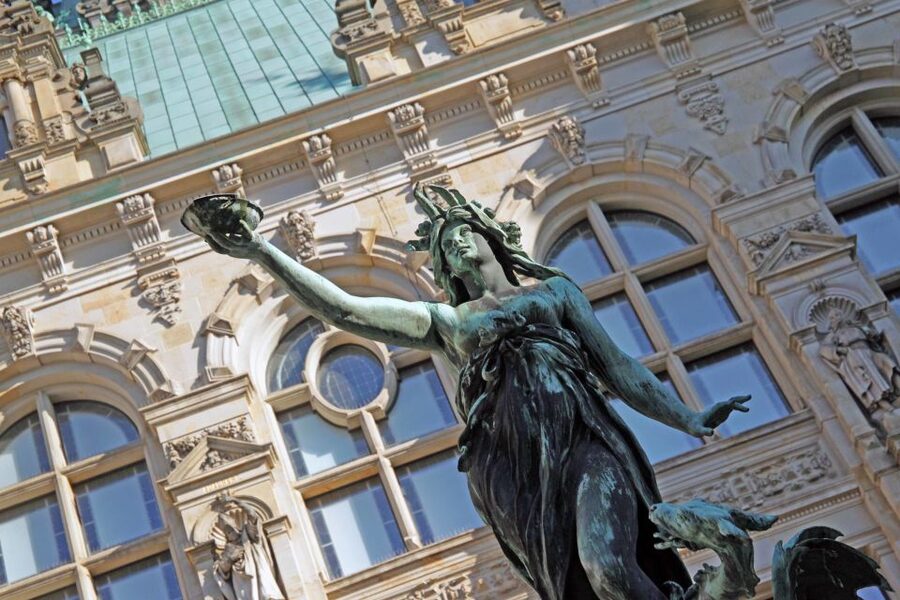
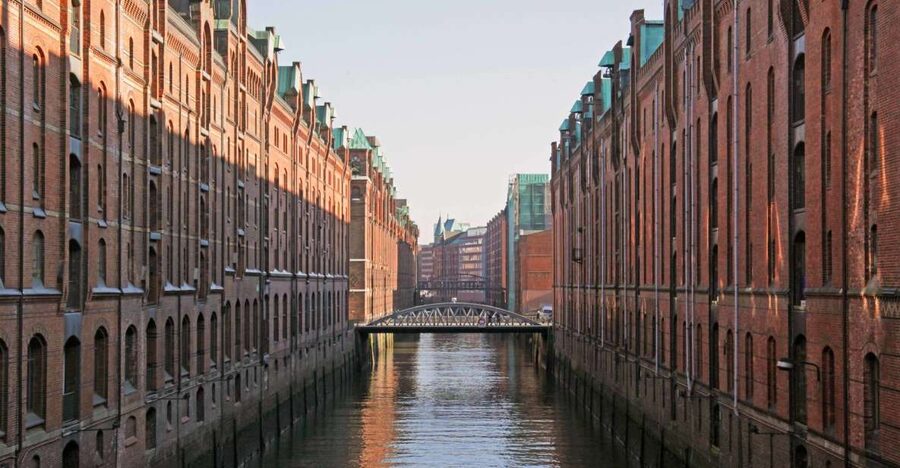
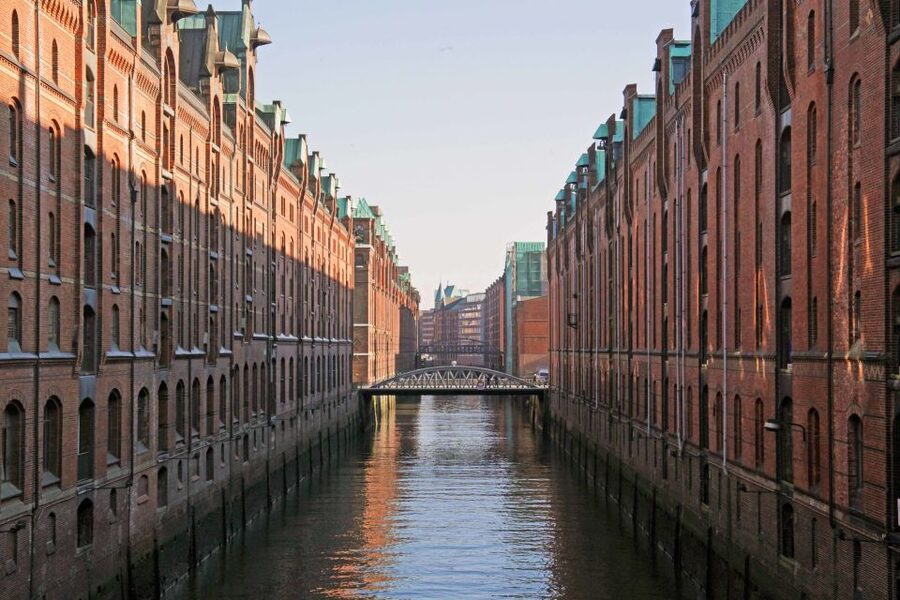
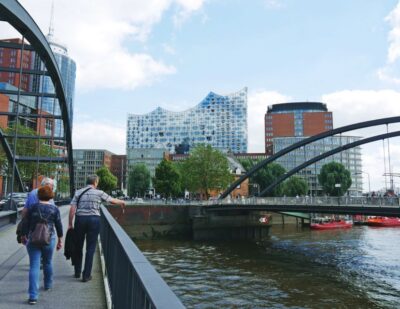
One of the tour’s strongest “value per minute” moves is including Speicherstadt and the Kontor House area in a single walking window. Speicherstadt is famously tied to storage and trade, and you can feel the logic of the place as you walk by. It reads like infrastructure with a personality.
The Kontor House stop is a great counterpart. Warehouses tell one story. Office buildings tell the story of decisions, networks, and finance. Together, they show you how a port city runs: ships bring goods, but systems and people keep the whole engine turning.
This is also where the guide’s “cosmopolitan city” narrative becomes more concrete. You are not only hearing that Hamburg became world-facing. You are seeing the types of buildings that supported that transformation.
Elbphilharmonie and the Boatmen’s Church: From Old Shipping Roots to Modern Hamburg
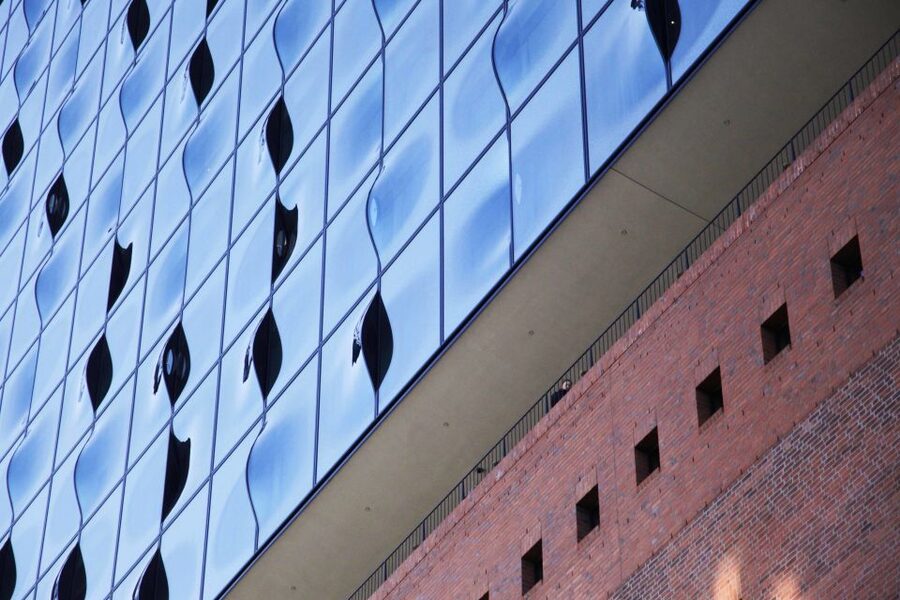
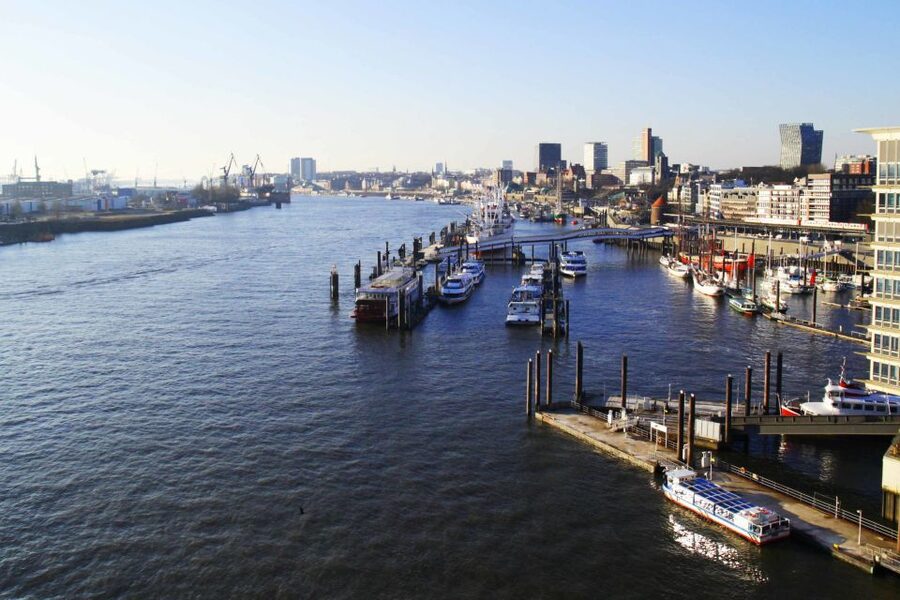
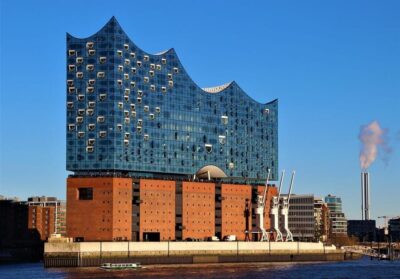
After the trading districts, you reach the Elbphilharmonie area. It is a dramatic contrast to the older stone and historic industrial feel. Even if you are not here for a concert, it works as a visual reminder that Hamburg keeps reinventing itself.
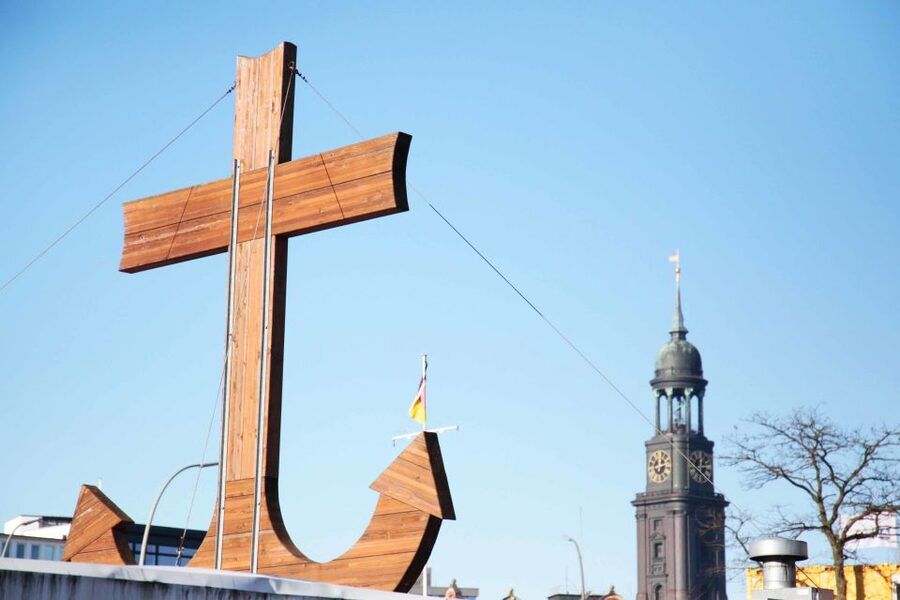
Then the tour includes the Boatmen’s Church, which brings you back to maritime identity in a more human scale. Ships are big and obvious, but boatmen represent the daily reality of getting goods and people where they needed to go. This stop helps the port story feel personal instead of abstract.
If you like cities that keep both the old and the new in view, this pairing is a win. You finish this part of the walk with a sense of continuity, not a “then and now” disconnect.
Onward connections from Hamburg:




The Legends and Characters: Barbarossa, Störtebeker, and a Headless Pirate
One reason this tour travels faster than a typical sightseeing walk is the way it uses stories. You hear about Barbarossa, you learn how Störtebeker fits into Hamburg’s legend network, and you also get a headless pirate story that haunts the city’s imagination.
Are these stories all literal history? You do not need them to be to get value. Legends often reveal what a city feared, admired, or tried to explain. In Hamburg, the pirate and sea-related characters connect naturally to the port world, and they make the walk more memorable than facts alone.
I also like that the guide does not treat these tales like a side show. They connect back to the city’s identity as a Free City and to how Hamburg developed its cultural self-image over time.
WWII Stories in the Middle of the Route: Why Timing Matters
The tour includes discussion of what happened in Hamburg during WWII, and it is placed where the memorial and older parts of town shape your perspective. That timing is smart. If you hear about the devastation while you are looking at a memorial space, the story has a physical anchor.
This is also where you should listen for the guide’s framing. The point is not only tragedy. It is understanding what changed afterward and how Hamburg learned to rebuild its civic and cultural role. When guides do this well, the city stops feeling like a collection of sights and starts feeling like a lived place.
A practical note: this is an emotional topic. If you want to keep the experience lighter, plan to balance it with a meal or rest after the tour. Then you can let the morning or afternoon do what it does best, which is give you perspective.
Pacing, Comfort, and the Coffee Break
This is a walking tour, and it is only 2.5 hours, so the pace is active. That is exactly why the tour can pack so many named stops into one visit.
One detail that stands out from guide experiences is that there may be a coffee break to warm up. That sounds small, but on a cold day it makes the tour feel more humane. It also helps if you want a moment to reset your brain before the next cluster of sights.
Also pay attention to a real-world detail: the tour can run around an hour longer than scheduled in some cases, depending on timing and whether you have constraints. If you have a strict appointment, say it early. One of the best pieces of advice here is to tell the guide you have a hard stop at a specific time, so they can pace accordingly.
English-Guided, Locally Shaped Storytelling
The tour is live and in English, and the guide is the main reason the reviews feel so strong. You will see guide names like Bob, Anna, Jason, and John associated with the experience, and that variety matters because it suggests a consistent guiding style with individual flavor.
From what people praise, the guides tend to be friendly, clear communicators with a strong sense of what matters in Hamburg. Some guides also adjust their storytelling style based on what the group wants, which is great if you are the type of traveler who asks questions and likes explanations that actually connect.
A good rule: bring one or two questions of your own. For example, ask how Hamburg’s maritime role influenced daily life, or how the city defines itself culturally today. When you ask well, the tour becomes more than a route.
Price and Value: Why $23 Can Feel Like More Than a Walking Tour
At $23 per person for 2.5 hours, this tour sits in the “good value” category because it gives you three things at once:
1) A guided route through major sights
2) Context that explains why the buildings matter
3) Stories and names that help memory stick
Many sightseeing tours either focus on facts with little connection, or they focus on a single theme with fewer stops. This one works because it ties Hamburg’s maritime history to what you see across the Old Town, storage districts, and modern waterfront areas.
In practical terms, it can save you time. If you do not want to spend your first day sorting out how everything connects, this tour gives you a map made of stories. Then you can explore on your own with far more confidence.
Who This Tour Is Best For
This is a smart fit for:
- First-time visitors who want a quick, story-based orientation
- People who like mixing architecture with human details
- Travelers who want WWII and legend elements without it turning into a lecture
- Anyone who prefers an English-guided experience with a friendly, clear guide
It may be less ideal if:
- You hate walking or need long rests
- You expect quiet, purely visual sightseeing with minimal discussion
- You have extremely tight timing and cannot handle the possibility of schedule drift
Should You Book This Hamburg 2.5-Hour Discovery Tour?
I think you should book it if you want to get your bearings fast and understand Hamburg as a port city that grew into something cultural and globally minded. The combination of Rathaus, Old Town streets, Speicherstadt, and Elbphilharmonie, plus the guide’s stories about figures like Barbarossa and Störtebeker, is a lot to pack into 2.5 hours.
Book it especially if you enjoy tours where the guide helps you see connections, not just locations. And if you have a hard appointment, communicate your timing up front so the pace works for you. For $23, it is one of the easier ways to turn a short stay in Hamburg into a coherent first impression.
FAQ
How long is the Hamburg 2.5-hour discovery tour?
The tour runs for 2.5 hours.
How much does the tour cost?
The price is $23 per person.
Where do I meet the guide?
Meet your guide in front of the Starbucks on Mönckebergstraße.
Is the tour offered in English?
Yes, the tour is conducted by a live guide in English.
What major sights does the tour include?
The tour includes the Rathaus, historic Deich Street, St. Nikolai Memorial, Speicherstadt, Kontor House, Elbphilharmonie, and the Boatmen’s Church.
What time does the tour start?
Starting times depend on availability, so you will need to check what times are offered.
Is there free cancellation?
Yes, you can cancel up to 24 hours in advance for a full refund.
Can I reserve without paying right away?
Yes, you can reserve and pay later, which lets you book your spot and pay nothing today.
Fresh on the arrivals board for Hamburg

Hamburg Tours & Activities, compared.
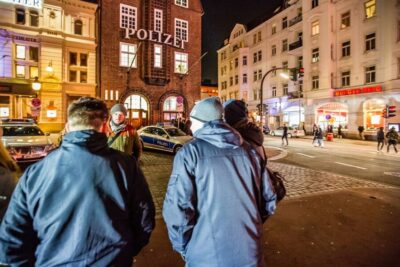
Sex and Crime in St. Pauli Tour for Ages 18 +
Read our review →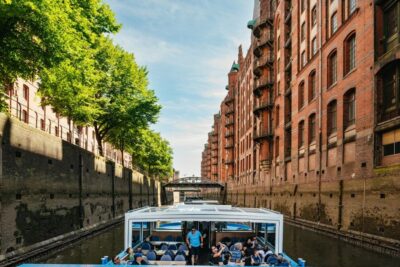
1.5-Hour Harbor and Speicherstadt Day Cruise
Read our review →

Reeperbahn Lust & Laster Tour for Adults Only
Read our review →Browse the lists this tour appears in