
Reviewed · ST PAULI & REEPERBAHN NIGHTLIFE TOURS
Green Bunker Tour on St. Pauli – the original
A green bunker is Hamburg in fast-forward. This 1.5 hour guided walk takes you from WWII purpose to today’s foresty roof, with the Green Bunker climb and 360-degree views over St. Pauli and the harbor. It is history with sturdy shoes and a viewpoint payoff.
I love how the guides make the stories feel real, like Axel’s clear, serious narration, and I love the small group pace, often just 8 to 10 people. One drawback to plan for: if weather shuts the upper mountain path, you may not reach the very top, as Stefan had to adjust on a gray day.
In This Review
- Key things to know
- Entering the Feldstraße Flakturm IV, Hamburg’s gray giant that got a new job
- Your 1.5 hour walking loop, photo stops, and the climb that changes the view
- What the guide actually teaches, construction history and the human cost of air raids
- When the weather changes the plan, why the upper path might be closed
- The greening concept, how 4700 trees turn concrete into an ecosystem
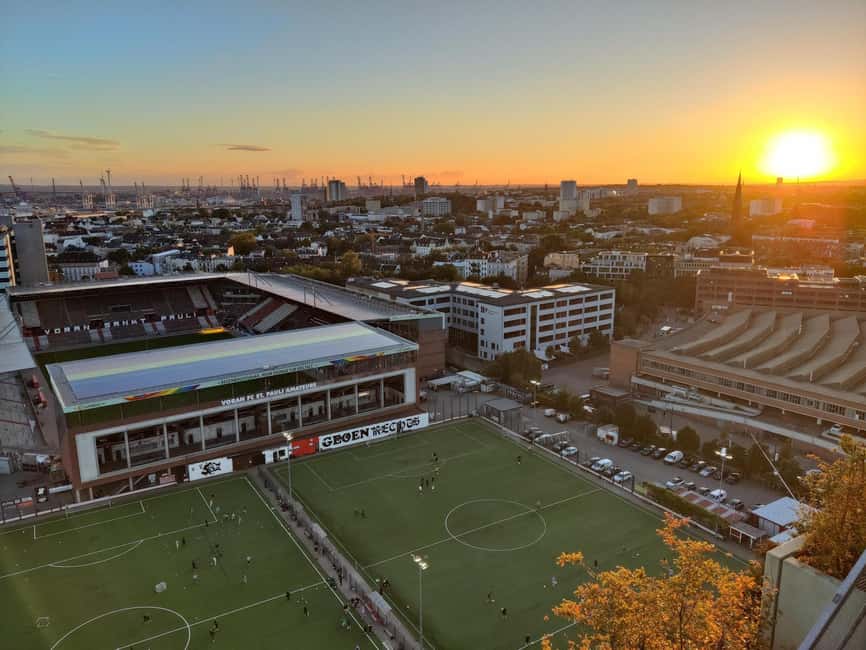
- Roof garden payoff, the panoramic view you can line up with landmarks
- Guides you can feel, Axel’s clarity and Stefan’s adaptability
- What to bring, what rules to respect, and how not to lose time at the entrance
- Who should book the Green Bunker on St. Pauli
- Price and value at $27 for 1.5 hours, what you get for your money
- Should you book this Green Bunker tour?
- FAQ
- Where is the Green Bunker Tour meeting point?
- How long is the tour?
- What language is the guide?
- Is the tour barrier free?
- Are cameras allowed?
- Are pets or baby strollers allowed?
- Is food or drinks included?
Key things to know
- A WWII anti-aircraft bunker with a third life: built for protection, then used for shelter and storage, later revived as a public venue
- You climb on a mountain path: it is not barrier-free, and the higher sections can close in bad weather
- 4700 trees and shrubs above you: the concrete gets a green skin with rainwater irrigation
- Real stories, not just facts: construction history, civilians and air raid wardens, plus a lesser-known resistance thread
- Roof garden views across Hamburg: harbor landmarks, stadiums, and skyline icons from one panorama
Entering the Feldstraße Flakturm IV, Hamburg’s gray giant that got a new job
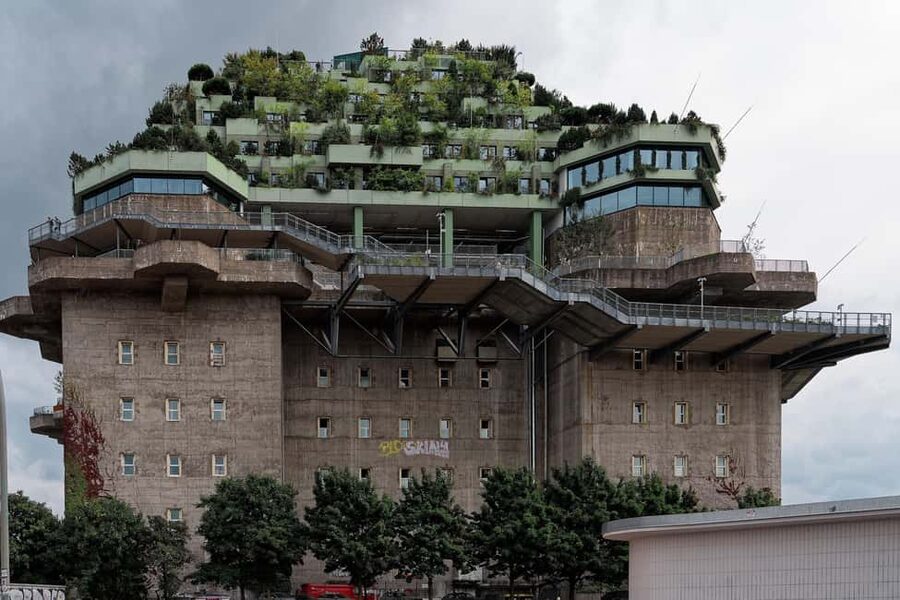
You start at Feldstraße 70, at one of Hamburg’s best “wait, what is that?” buildings. This is the Flakturm IV, a huge anti-aircraft bunker built during World War II. Its original job was defense, protecting people from air raids in a way that shaped daily life for years.
After the war, the bunker kept getting used, not as a relic but as infrastructure. It served as an emergency shelter and later as material storage and even a vaccination station. During the Cold War, it took on bomb-shelter relevance again.
Then comes the part that makes this tour different from most WWII stops: after reunification, the concrete giant was revived. Today you will see a building that has moved from survival mode to something more human and active, with public space, concerts, readings, food, and the option to stay in the hotel.
More neon hours off the Reeperbahn:
- Hamburg: Sex and Crime in St. Pauli Tour for Ages 18 +
★ 4.7 · 17,793 reviews - Hamburg: Reeperbahn Lust & Laster Tour for Adults Only
★ 4.7 · 5,440 reviews - Hamburg: Insider Tour of the Reeperbahn & St. Pauli
★ 4.7 · 5,057 reviews
Your 1.5 hour walking loop, photo stops, and the climb that changes the view
The whole tour runs about 90 minutes, and you keep moving. You meet in front of the Feldstraße U-Bahn station by the bike racks at Feldstraße 70. From there, you walk up to the bunker itself and get your bearings fast.
The first segment centers on the bunker at Feldstraße, with a photo stop and guided tour time. This is where you set the “why” for everything you are about to see: how it was built, who built it, and what it meant for the people around it.
After that, you move to a viewpoint stop for more guided sightseeing. The big idea is that the higher you go, the more the story connects to the city around it. If conditions are good, you get roof garden access and a panorama that reaches far beyond St. Pauli.
One practical note that matters: you climb via a mountain path. It is not barrier-free. Also, your bags get checked at the entrance, so go in light. If you arrive with a heavy pack, you will feel it once the walking starts.
What the guide actually teaches, construction history and the human cost of air raids
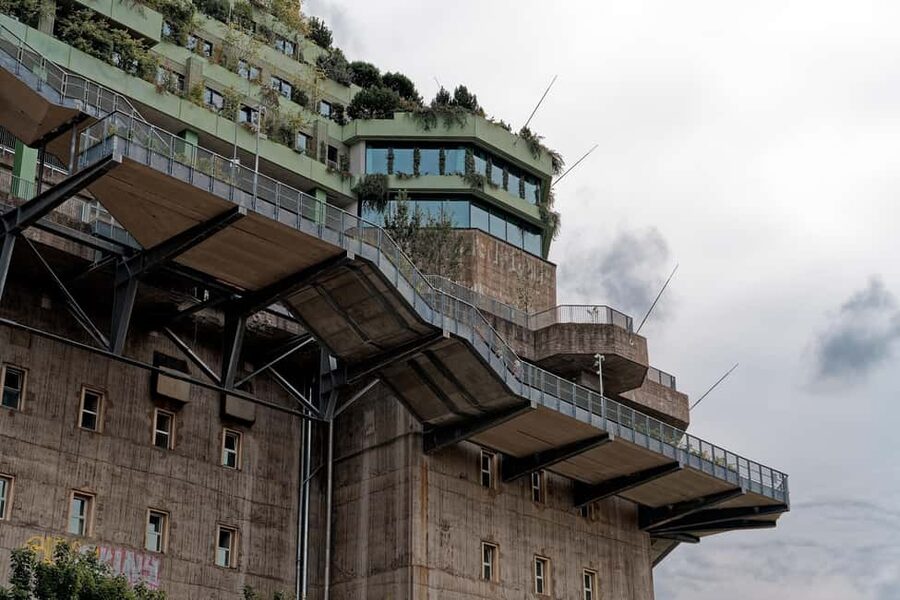
This tour is not just architecture talk. You get the background for the bunker’s construction, including the history of the builders. That detail helps you understand why the building looks the way it does, and why the concrete felt permanent at the time.
Then the tone shifts into the darker material. You hear what civilians and air raid wardens experienced during the hail of bombs. That is the part where the tour earns its seriousness. It is not designed to shock you for five minutes and move on.
You also get a little-known story of a resistance fighter. It adds a thread of agency to a period that can otherwise feel like only waiting, hiding, and surviving. The result is a fuller picture, not a one-track timeline.
Guides seem to balance emotion with clarity. In my experience, that combination is what makes the stories stick, because you are not left guessing what matters.
When the weather changes the plan, why the upper path might be closed
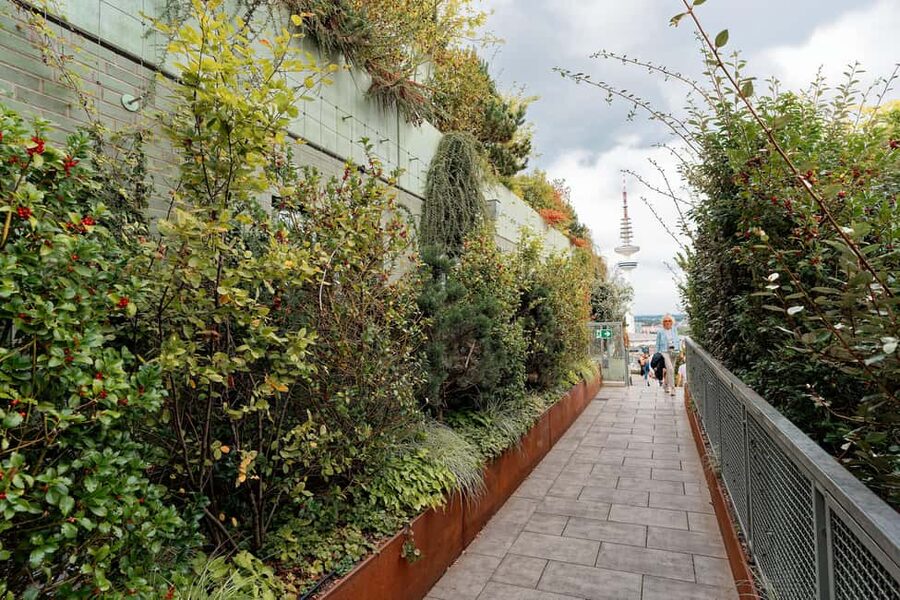
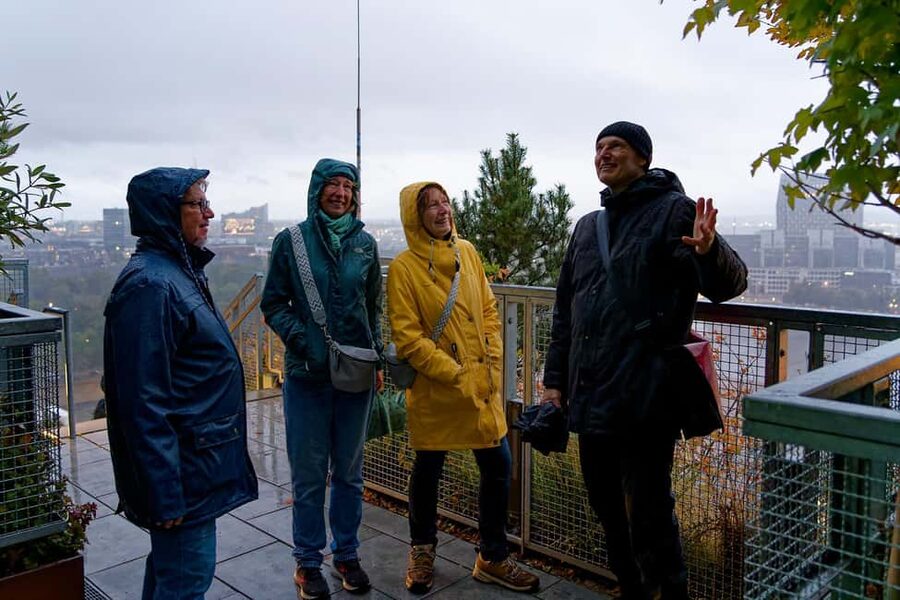
Even on a great tour, Hamburg weather has opinions. The climb is via the mountain path, and the building’s very top sections can close when conditions are bad. On one gray day, Stefan had to adjust because the ascent to the very top was blocked.
What does that mean for you? It means the core storyline and main viewing experience still happen, but the exact access to the highest rooftop and certain upper planting areas can shift. The good news is that the guide can compensate with extra facts and context, so you are not just walking without purpose.
So, bring your weather gear and don’t assume perfect conditions. If rain, wind, or cold is in the forecast, plan to dress for it, not for comfort.
The greening concept, how 4700 trees turn concrete into an ecosystem
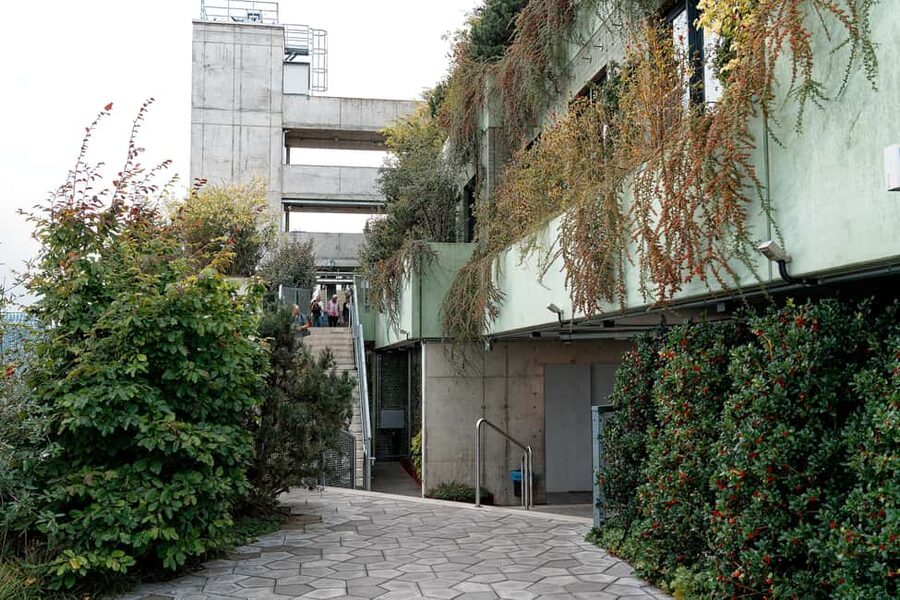
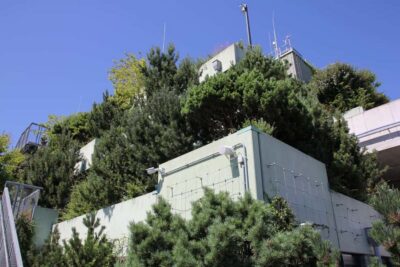
Here is the “wow” factor that is easy to miss if you treat the tour as only WWII history. The bunker is covered with greenery, growing into a forest with over 4,700 trees and large shrubs.
The greening is also designed to work with nature, not fight it. The plants are automatically irrigated with rainwater. That is a practical detail, but it also changes how you think about reuse. This is not paint-on style beautification. It is an attempt to create a functioning green layer on a structure that was never meant to support a garden.
You will also hear how technicians and planners use specific methods to turn gray concrete green. The point is not to turn this into a science lecture. The point is to show you why the idea makes sense and what it takes to pull it off on a building of this size.
If you like sustainability topics, this part is a strong reason to go even if you already know some WWII basics.
Also holding a platform in Hamburg



Roof garden payoff, the panoramic view you can line up with landmarks
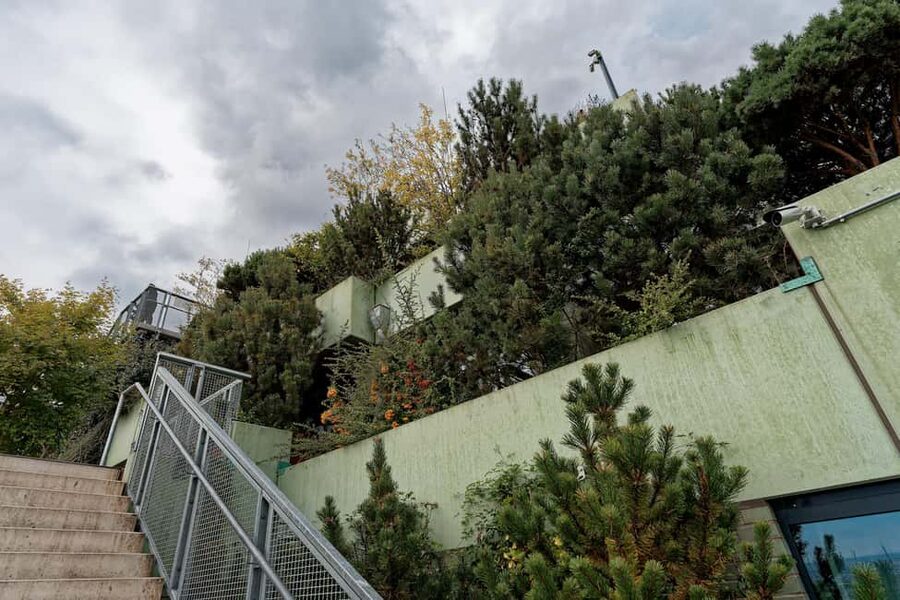
If the roof garden is open during your visit, the viewpoint is where the tour clicks into place. From up high, you get 360-degree views across Hamburg, including major landmarks that help you map the city instantly.
You can look toward:
- Millerntor Stadium
- the Dancing Towers
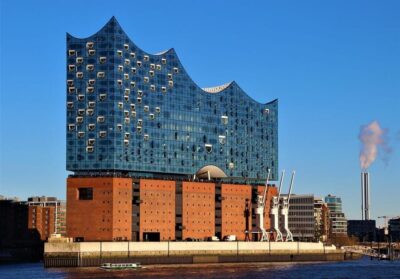
- the Elbe Philharmonic Hall
- Köhlbrand Bridge
- the container port
- the Bismarck Monument
- the TV Tower
This is one of the best ways to connect history to place. You are not just learning about a bunker. You are seeing the city that grew around it, with modern architecture and harbor power stretching out behind your new perspective.
Because it is a roof garden and a viewpoint, wind and cold can show up fast. An umbrella is useful, and warm, windproof clothing helps a lot.
Guides you can feel, Axel’s clarity and Stefan’s adaptability
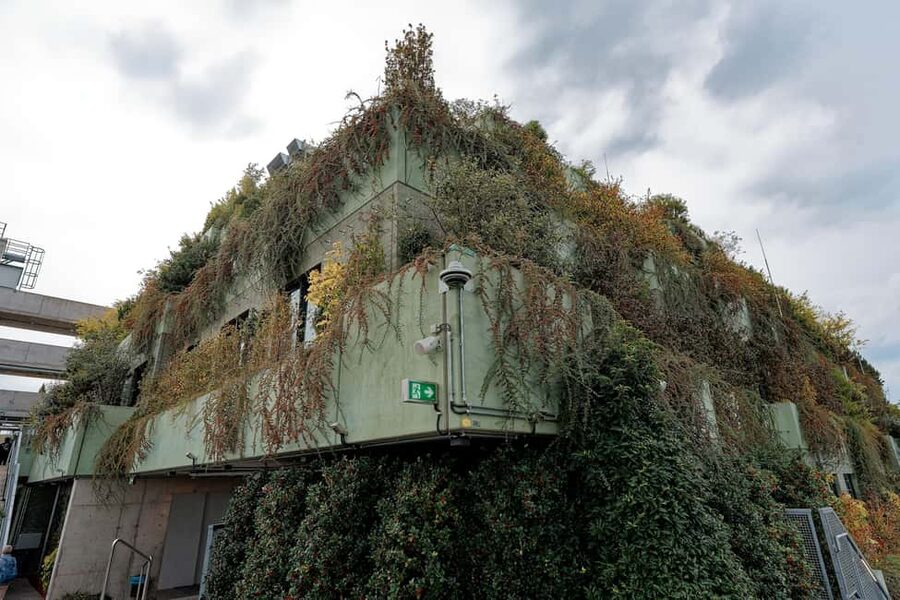
A tour like this lives or dies by the guide. Both Axel and Stefan stand out in the way they handle tone, pacing, and real-time conditions.
Axel is known for speaking clearly, with a serious storytelling style but also an entertaining edge. That matters when you are hearing heavy material. Clear speech keeps the meaning intact, even when the weather is unpleasant.
Stefan is a good example of how a professional guide works when access changes. When the upper climb was shut due to the weather, he balanced it with interesting facts so the tour still felt complete. That is the difference between a tour that is just a checklist and one that reacts.
Group size is also a real factor. You can get an experience that feels more like guided conversation than a race through stops, often with about 8 to 10 people.
What to bring, what rules to respect, and how not to lose time at the entrance
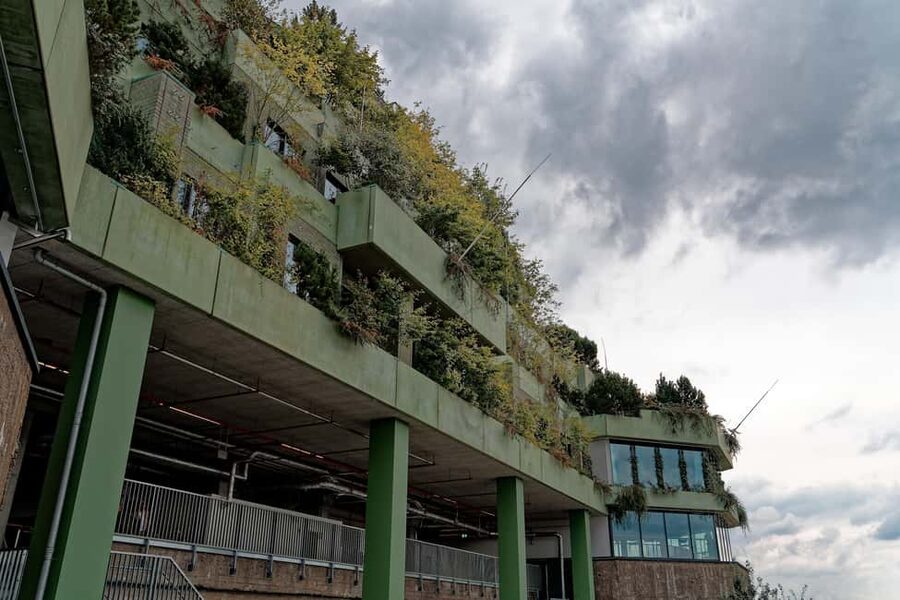
Plan for a building check and a climb. Here is what you should bring based on the tour guidance.
Bring:
- Comfortable clothes for walking and climbing
- Thermal clothing if the weather is cool
- An umbrella
- A credit card or cash
- Warm, windproof outerwear
- Something small to handle bathroom needs, like change for facilities
- Water in a PET bottle up to one liter, if you want it for the day
You can use cameras, but rules are strict on containers and items. Glass, hard plastic, or metal beverage bottles are not allowed, and the rules around plastic bottles are tight. The safest approach is to carry what you are explicitly allowed, especially for drinks.
Leave behind:
- Pets and baby strollers
- High-heeled shoes
- Food and drinks
- Luggage or large bags
- Bikes
- Alcohol and drugs
- Vaping
- Glass objects
- Big bottle types that do not match the allowed guidance
If you show up with extra bulky gear, it can slow things down at the entrance. The tour is only 90 minutes, so efficiency matters.
Who should book the Green Bunker on St. Pauli
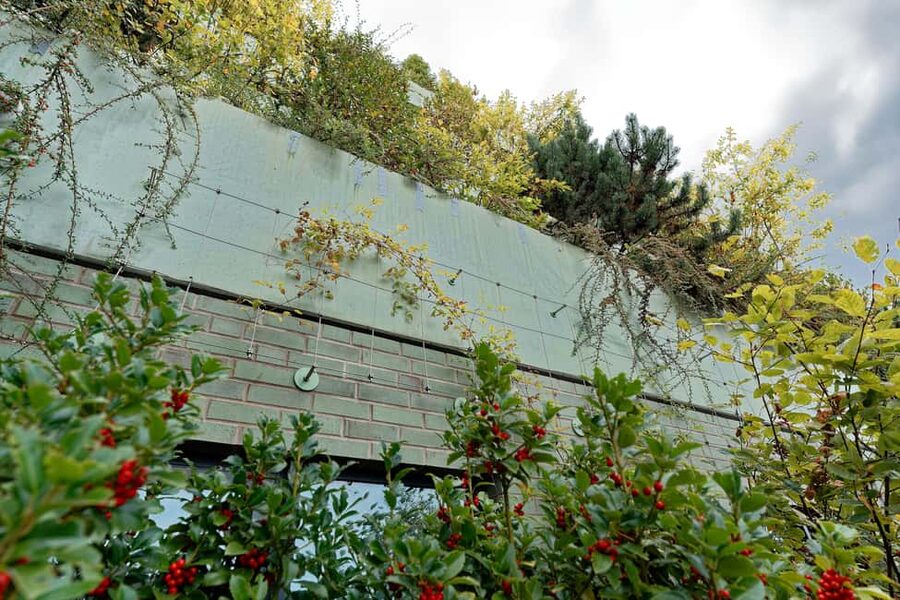
This is ideal for you if you:
- like WWII history but want it tied to the modern city
- enjoy walking tours with a real climb
- care about sustainability and greening projects
- want a top-down view that includes harbor and skyline landmarks
It may not be a great fit if you have back problems, heart problems, vertigo, kidney problems, or if you need wheelchair accessibility. The tour is also not suitable for visually impaired visitors, based on the tour’s stated limitations.
If you have any medical concerns, treat this as a “check first” situation. The route is not barrier-free and includes climbing.
For everyone else, the mix of dark history and living green space is the appeal. You get the rare experience of seeing a bunker that is both memorial and active public space.
Price and value at $27 for 1.5 hours, what you get for your money
At $27 per person, this sits in the affordable range for a guided walking experience in Hamburg. The value comes from three things working together.
First, you pay for an actual guided interpretation, not just entry. You get insider knowledge from a guide trained by the operator, and you get context for both the WWII construction and the modern greening concept.
Second, the time is focused. Ninety minutes is enough to tell a story and still reach viewpoints without turning into an all-day ordeal.
Third, you are buying access to a specific place that is hard to recreate on your own. A bunker that has become a roof garden forest is not an ordinary sightseeing stop, and the guide helps you connect what you see with why it exists.
If weather disrupts the upper climb, you might miss some of the topmost access. Still, the tour is designed to keep the core story and key viewpoints moving.
Should you book this Green Bunker tour?
Book it if you want a short, guided way to understand Hamburg’s WWII past, then see how the same concrete structure is being used today as a green, living space. The rooftop panorama makes it especially worth it on a clear day, and even in messy weather, the guides are set up to keep the experience moving and meaningful.
Skip or choose carefully if stairs, heights, or uneven mountain paths are a no-go for you. Also, keep an eye on conditions, because the highest sections may close and that affects how far up you can go.
If you are packing for Hamburg and debating which “history with a twist” experience to prioritize, this one is a strong bet.
FAQ
Where is the Green Bunker Tour meeting point?
Meet in front of the Feldstraße U-Bahn station by the bike racks at Feldstraße 70, 20359 Hamburg.
How long is the tour?
The tour lasts about 1.5 hours.
What language is the guide?
The live tour guide is in German.
Is the tour barrier free?
No. You climb the building via the mountain path, and it is not barrier-free.
Are cameras allowed?
You can bring cameras, but cameras are not allowed with glass, hard plastic, or metal beverage bottles rules and other restricted items. The entrance has specific item limits.
Are pets or baby strollers allowed?
No. Pets and baby strollers are not allowed.
Is food or drinks included?
No. Drinks and a café visit are not included, and you are not allowed to bring food or drinks on the tour.
Fresh on the arrivals board for Hamburg

St Pauli & Reeperbahn Nightlife Tours, compared.
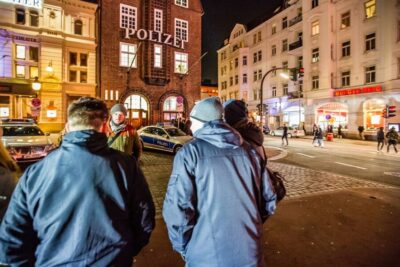
Sex and Crime in St. Pauli Tour for Ages 18 +
Read our review →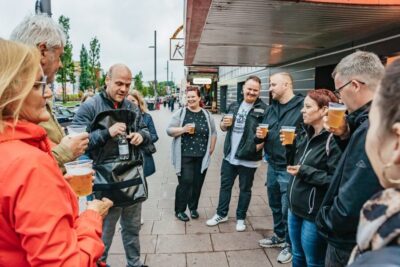
Reeperbahn Lust & Laster Tour for Adults Only
Read our review →
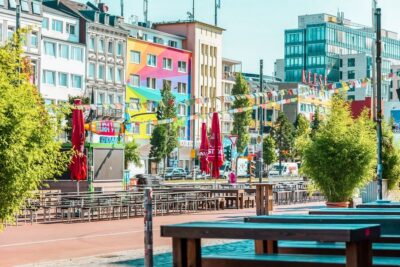

In the Footsteps of “Olivia” Reeperbahn Tour
Read our review →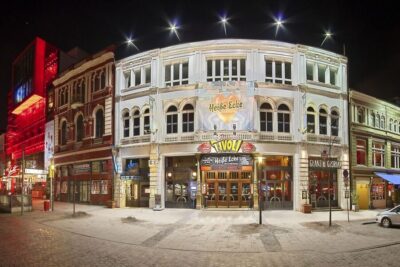
St. Pauli Highlights Guided Tour with Beer for 18+
Read our review →
Reeperbahn Quickie, The Short & Sexy St. Pauli Tour
Read our review →Browse the lists this tour appears in