
Reviewed · DACHAU CONCENTRATION CAMP MEMORIAL TOURS
From Munich to Dachau: Guided tour of the Dachau Concentration Camp
Walking this site changes your pace. A guided visit to the Dachau Memorial takes you through the former grounds of Germany’s first Nazi concentration camp, just a short ride from Munich. You get context that helps the place make sense, without turning it into a quick sightseeing stop.
I love how the tour hits the camp’s most important sections, including the transport room and the old prison spaces. I also like that you travel with an official, accredited guide, and the Spanish-led approach is praised for being clear and respectful, with guides such as Julieta.
One consideration: this is serious, heavy material, and the tour is not suitable for children under 14. Some parts may be shown in the original language, so plan on a thoughtful, focused experience rather than a casual outing.
In This Review
- Key things I’d plan around
- From Munich to Dachau in a single, organized flow
- What makes the Spanish guide experience work
- Entering the Dachau memorial: how the stops are built to teach
- The transport room and camp bathrooms: understanding processing, not just suffering
- The bunker, the old camp prison: why confinement feels immediate here
- Old barracks and prisoners’ testimonies: connecting layout to human stories
- Crematorium and the religious memorial area: the final arc of remembrance
- Price and time: is the $37 value fair for what you get?
- Timing, group pace, and what to wear
- Who should book this tour, and who might want to reconsider
- Should you book the Dachau guided tour from Munich?
- FAQ
- How long is the Dachau guided tour from Munich?
- Where do we meet in Munich?
- What language is the tour guide in?
- What is included in the tour price?
- Is food included?
- Is the tour suitable for children?
Key things I’d plan around
- Official accredited guidance from the memorial, not just a generic history talk
- Public transport ticket and memorial admission included in the price
- Transport room and camp bathrooms to understand how prisoners were processed
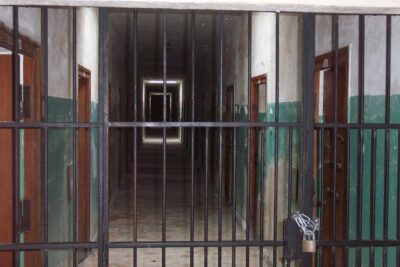
- The bunker (old camp prison) for a direct sense of confinement
- Old barracks with prisoners’ testimonies that keep the human scale in view
- Crematorium and religious memorial area for the final, reflective arc of the visit
From Munich to Dachau in a single, organized flow
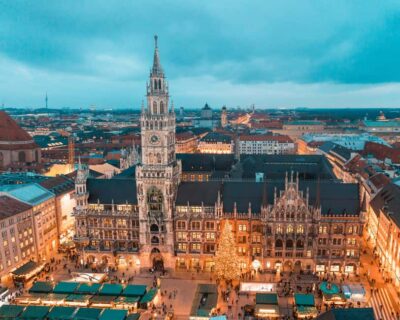
Starting in Munich keeps this outing realistic. The tour is scheduled for about 5 hours, and Dachau is roughly half an hour from Munich, so you are not losing your whole day to logistics. You meet at Marienplatz, next to the Fischbrunnen, where the guide waits with a green umbrella.
This matters more than it sounds. When you go to a memorial site like Dachau, the pacing needs to feel calm and orderly. Getting everyone together at one clear meeting point means you can arrive without stress, find your place in the group, and begin in the right mental mode.
The provider is Explora Múnich, and the structure is built around a guided walk-through of the memorial grounds. Since it includes your public transport ticket as part of the tour, you avoid the common headache of figuring out transit and admission hours on the fly.
Other Dachau concentration camp memorial visits:
- Dachau Concentration Camp Memorial Site Tour from Munich by Train
★ 4.5 · 5,637 reviews - From Munich: Dachau Memorial Site Day Tour
★ 4.8 · 2,723 reviews - From Munich: Dachau Memorial Site Half-Day Trip
★ 4.7 · 2,526 reviews
What makes the Spanish guide experience work
The tour is led by a live guide in Spanish, and the guide is accredited by the memorial itself. That is a big deal for two reasons: the information stays consistent with what the memorial presents, and the tone stays respectful.
I like that the reviews focus on the guide’s clarity and detail, with Julieta specifically called out for being both understandable and careful with the subject matter. When a guide explains the camp’s layout and purpose, you feel less lost, and you can actually follow what you are seeing instead of just absorbing images.
Keep in mind: some content may be shown in its original language. You will still get the key explanations through the Spanish guide, but it’s smart to be mentally ready that not every label or panel will match your language.
Entering the Dachau memorial: how the stops are built to teach
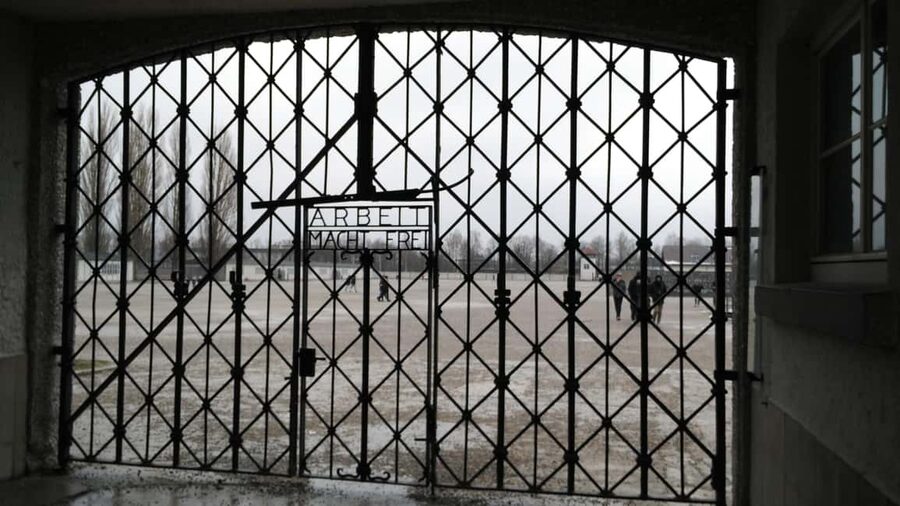
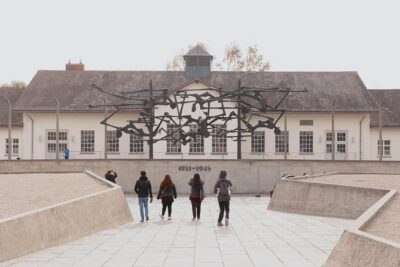
This tour visits the former site of Germany’s first Nazi concentration camp, which opened on March 22, 1933, only weeks after Adolf Hitler was appointed Chancellor of the Reich. Early on, it held political prisoners, but it soon became a model and training center for other concentration camps in the Third Reich.
That background is not just history trivia. It changes how you read the site, because you start to see how the camp system was created, refined, and spread. The tour’s route is designed so you can connect cause and function, not just “places you can stand in.”
If you are the type of traveler who wants context before you arrive, this kind of guided structure is especially helpful. You get the timeline and the scale, then you walk through it in a sequence that makes those facts feel tangible.
The transport room and camp bathrooms: understanding processing, not just suffering
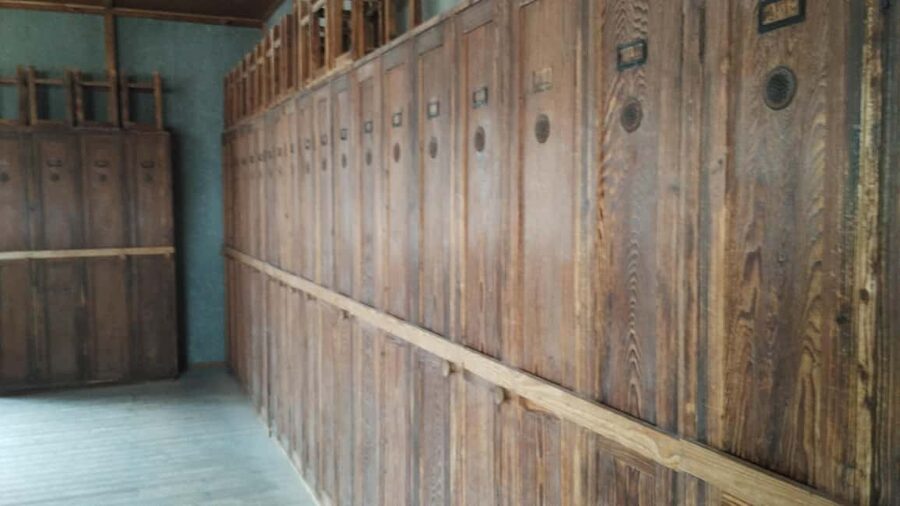
One of the first focal points is the transport room and bathrooms. This is where the camp’s machinery shows itself in practical terms. You see how people were handled, separated, and processed when the Nazis turned detention into a system.
It can be uncomfortable to face, because this part is not only about violence. It’s about procedure, control, and how routine could be used to strip dignity. In tours like this, that contrast is exactly the point: the camp was designed to work like an operation.
I also appreciate that the tour includes these details instead of skipping straight to the most famous-looking buildings. Understanding processing spaces helps you grasp the logic of incarceration, which makes the rest of the memorial hit harder and feel less abstract.
The bunker, the old camp prison: why confinement feels immediate here
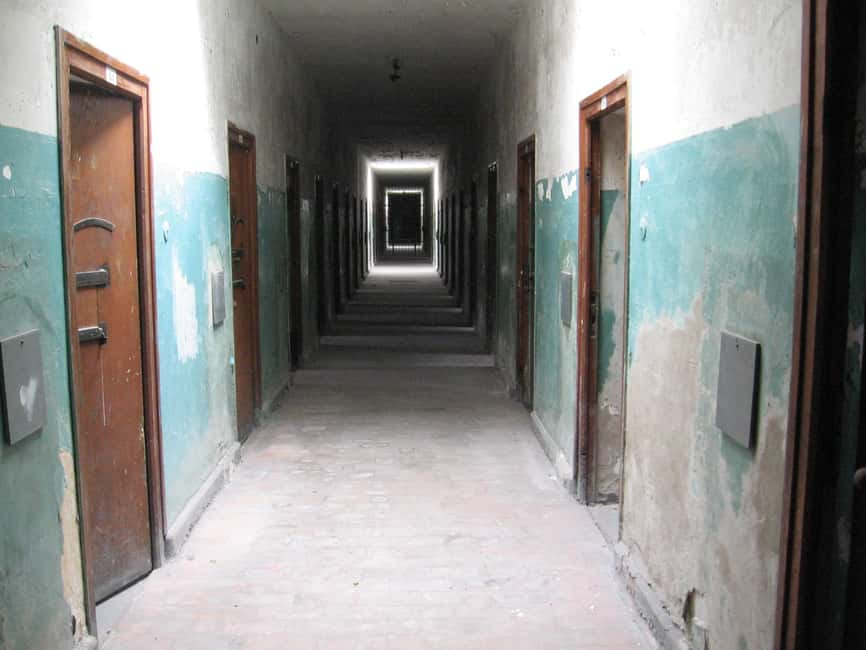
Next comes the bunker, the old camp prison. This stop is where you feel the physical reality of isolation. The bunker is not just another building in the complex, it is a symbol of how the camp reduced people to prisoners in the most direct sense.
In my view, this is one of the most important moments in the route. When you stand in places tied to punishment and confinement, the numbers you hear later stop being statistics and start becoming a pattern of cruelty that had a designed purpose.
Also, this is the kind of area where you want to give yourself mental space. The tour is moving and educational, so it helps to stay present, listen carefully, and avoid rushing to the next stop.
Also holding a platform in Munich


Old barracks and prisoners’ testimonies: connecting layout to human stories
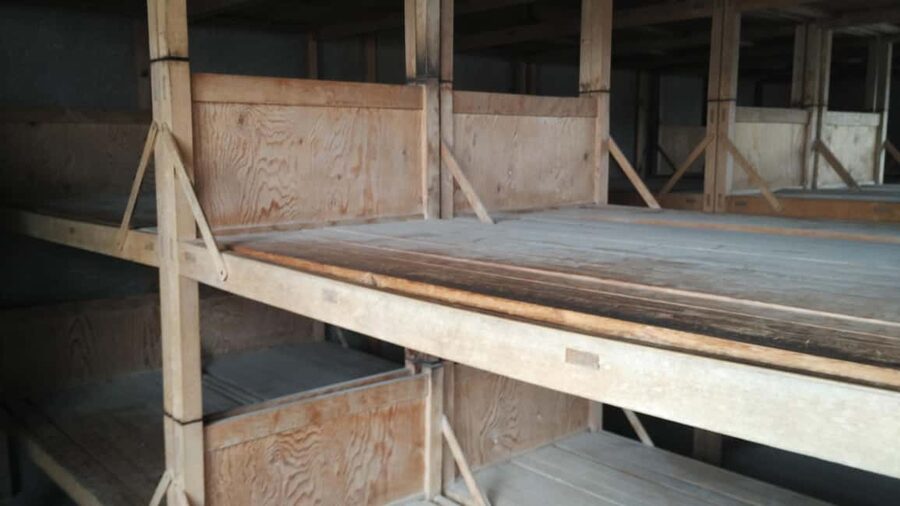
You also visit the old barracks and listen to prisoners’ testimonies. This is where Dachau shifts from “camp parts” to “people.” The camp layout matters, but testimonies make it clear that the space was filled with lives, fear, and endurance.
This is one of the reasons I think a guided visit is worth it even if you already know some history. Without help, it’s easy for a site like this to become a set of visuals. With a good guide, you learn how to look, what questions to carry, and why certain features are shown the way they are.
The reviews emphasize respect in the way the story is told, and that’s exactly what you want in this kind of setting. A respectful tone keeps the focus on memory and responsibility, not on shock for its own sake.
Crematorium and the religious memorial area: the final arc of remembrance
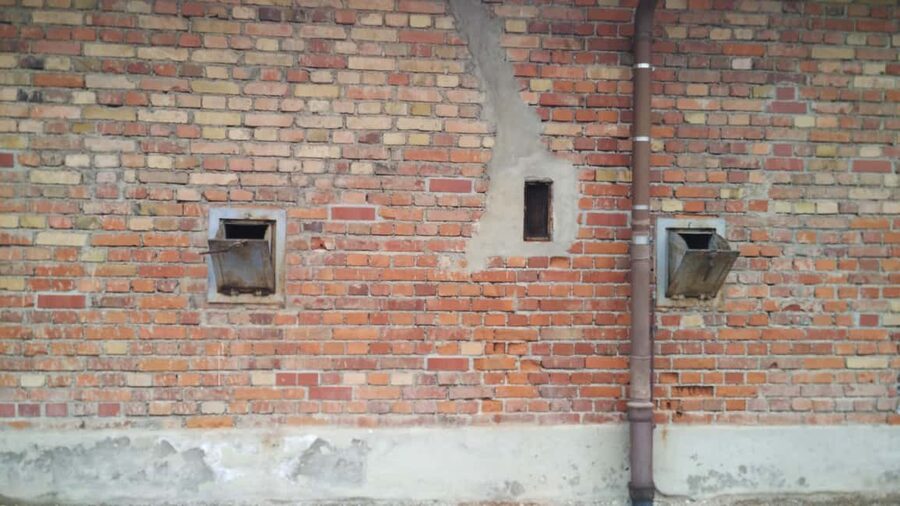
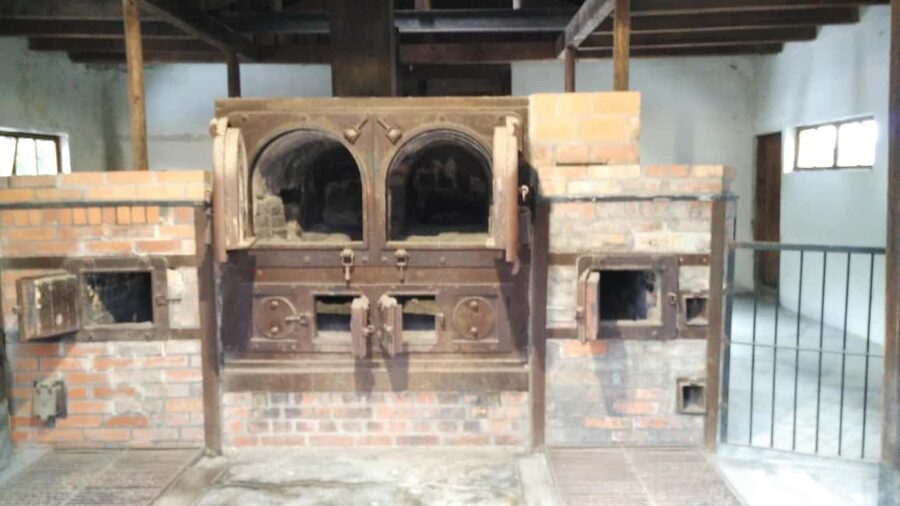
The tour ends with the crematorium and religious memorial area. This section is difficult, but it also completes the picture. You learn about what the camp system did at the end of the process, and you see how the memorial site provides a space for mourning and reflection.
The crematorium stop is especially sobering because it forces you to confront the scale of death tied to the camp. During the camp’s operation, thousands of people were imprisoned and subjected to forced labor and medical experiments, and more than 40,000 were killed. Dachau also held many different groups, including political opponents, priests, Jews, Roma and Sinti people, homosexuals, Jehovah’s Witnesses, and prisoners of war.
Then the story turns to liberation. On April 29, 1945, American troops liberated the camp and found about 32,000 survivors in extreme conditions. That liberation context is crucial because it reminds you that the horrors were real and immediate, but so was the survival that followed.
Price and time: is the $37 value fair for what you get?
The price is $37 per person for about 5 hours, and the big value point is what is included. You get an official, accredited guide, plus memorial admission and a public transport ticket.
That bundling matters. If you were to price it all separately on your own, you’d likely end up juggling tickets, entry timing, and guide quality. Here, the tour is built so you spend your energy on the memorial itself rather than on planning the last-mile details.
You also get something travel planning rarely includes: a structured route through the most meaningful parts of the camp, with explanations that help you connect the buildings to the broader Nazi system. When the guidance is praised for being clear and detailed, that’s not a luxury, it’s how you get more understanding per minute.
Food and drinks are not included, so you’ll want to plan a meal before or after. Since the tour is half-day length, many people either eat early in Munich or grab something later with a calmer schedule.
Timing, group pace, and what to wear
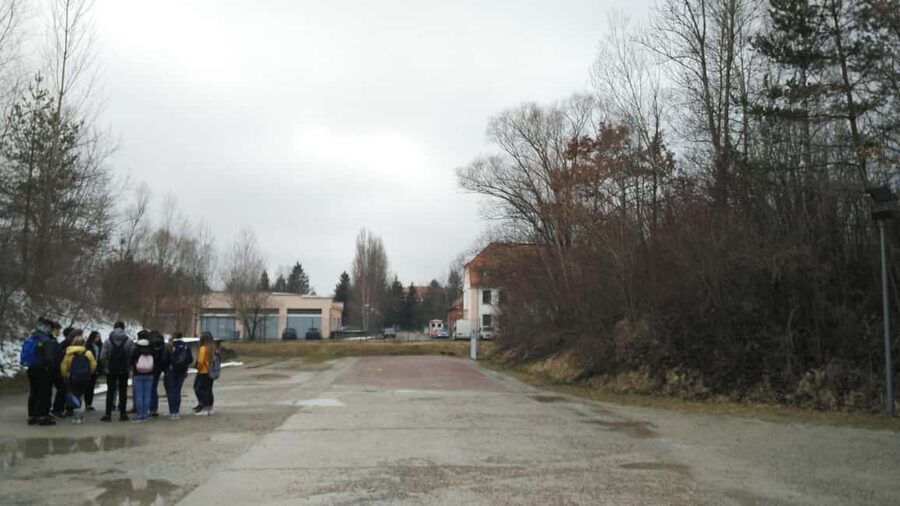
Because the tour is time-bound, you should treat it like a serious appointment, not a flexible walk. Expect a paced route through multiple parts of the memorial, with explanations along the way. You will likely do a good amount of standing and walking.
For comfort, I suggest dressing for weather, wearing shoes you can stand in, and bringing a light layer if Munich feels cooler than Dachau that day. Also, keep your phone use low. This is not a site where you want to turn your visit into content.
Group size is not listed in the provided details, so I can’t give you a number. Still, guided memorial tours are usually designed so everyone can hear the guide and stay together, especially during testimony moments.
Who should book this tour, and who might want to reconsider
This tour is for adults and older teens who can handle the subject matter with care. It is not suitable for children under 14, which is a practical guideline and also a reminder of how serious the content is.
If you care about accurate interpretation, you will likely appreciate the accredited guide approach. If you prefer to learn through context rather than just wandering, the route makes it easier to follow the meaning behind each stop.
Wheelchair accessibility is noted, which is good to know. Even when sites are accessible in general terms, you should still expect uneven ground and outdoor walking, so plan accordingly.
If you are sensitive to emotionally intense environments, be honest with yourself. This visit is educational, but it is also meant to leave a mark. Sometimes that’s exactly what you need from a history trip, and sometimes it’s a lot more than you can process comfortably in one sitting.
Should you book the Dachau guided tour from Munich?
I think it’s a strong booking if you want a half-day experience that blends official guidance, key memorial stops, and transit and entry handled for you. The price feels fair because public transport and memorial admission are included, and the guide quality is clearly valued in the way people describe the explanations and the respectful tone.
Book it if you want clarity, structure, and a route that covers the transport room, bunker, barracks with testimonies, and the crematorium and religious memorial area in a way that connects facts to place. Skip or reconsider if you’re bringing younger children, you want a light, casual day out, or you know you won’t do well with heavy themes.
If you want Dachau as a serious educational visit that respects what the memorial is meant to do, this guided format is the practical way to go.
FAQ
How long is the Dachau guided tour from Munich?
The tour lasts 5 hours.
Where do we meet in Munich?
Meet next to the Fischbrunnen (Fish Fountain) in Marienplatz. The guide will be holding a green umbrella.
What language is the tour guide in?
The live tour guide speaks Spanish.
What is included in the tour price?
The tour price includes memorial admission and a public transport ticket, plus an official accredited guide.
Is food included?
No, food and drinks are not included.
Is the tour suitable for children?
No. It is not suitable for children under 14.
Fresh on the arrivals board for Munich



Dachau Concentration Camp Memorial Tours, compared.
Dachau Concentration Camp Memorial Site Tour from Munich by Train
Read our review →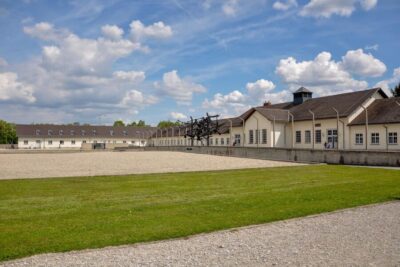
Dachau Concentration Camp Memorial Tour with Train from Munich
Read our review →
Early-Start Dachau Memorial Half-Day Tour from Munich
Read our review →
Guided Dachau Concentration Camp Memorial Site Tour with Train from Munich
Read our review →
Full-Day Dachau Concentration Camp Memorial Site Tour from Munich
Read our review →Browse the lists this tour appears in