
Reviewed · DACHAU CONCENTRATION CAMP MEMORIAL TOURS
From Munich: Dachau Memorial Site Guided Tour
A half-day trip with heavy gravity. This Dachau Memorial Site tour from Munich brings you to one of the darkest turning points in 20th-century Europe, with a memorial licensed guide and a small group that keeps discussion human.
You start in central Munich at Marienplatz, ride out with guidance, and spend focused time inside the site and museum, with space to think for yourself.
I love the tour’s respectful, objective tone. The guide, Alun Evans, uses facts to explain what happened while still making room for questions, and the visit stays centered on the victims and survivors, not shock value.
I also love the rhythm: a guided walk through the grounds, then an allocated window for independent time in the museum exhibit so the experience can land in your own way.
One consideration: it is a serious, structured 5-hour outing with moderate walking (about 2 to 2.5 kilometers) and restrictions like no large bags. It is also not suitable for children under 14, so plan your day accordingly.
In This Review
- Key highlights worth knowing
- Munich to Dachau: the train plus the prisoners’ route by bus
- Meeting Alun Evans and getting oriented at Marienplatz
- Inside the memorial grounds: a guided walk that makes space for questions
- Victims and survivors, plus the hard look at the SS
- The museum exhibit window: independent reflection time that matters
- What the 5-hour schedule feels like, and how to plan your day
- Price and value: what you get for about $88 per person
- Who should book this Munich to Dachau guided tour?
- Should you book this Dachau tour or DIY it?
- FAQ
- Where do I meet the guide in Munich?
- What time does the tour start and what time will I be back?
- How long does the Dachau portion take?
- Is this tour suitable for children?
- What is included in the price?
- Are there any restrictions on bags or smoking?
Key highlights worth knowing
- Memorial-licensed guide that keeps the visit factual and respectful
- Small group size (limited to 15), so questions actually fit in
- Route to Dachau that matches the prisoners’ journey with a short bus ride
- Victims, survivors, and perpetrators explained to show how complicity worked
- Museum time built in for your own reflection, not just photos
- Return to Munich by mid-afternoon (around 2:00 PM) for a workable day plan
Munich to Dachau: the train plus the prisoners’ route by bus
Your day begins at 09:00 AM at Marienplatz, right outside the Tourist Information Center, under the Glockenspiel. You’ll see your guide holding a white placard that says Dachau Tour, and that visual cue matters, because the center of Munich is busy and everyone looks like they’re going somewhere.
From there, the group takes local train service out of the city for about 45 minutes, heading roughly 10 miles northwest to Dachau. The guide takes care of tickets, so you can focus on getting oriented rather than fiddling with machines or apps at the worst possible time.
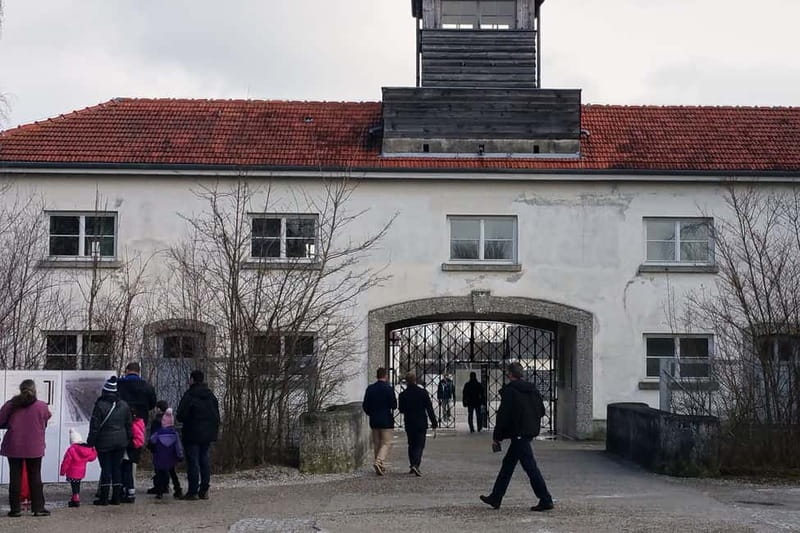
Once you reach Dachau, there’s a short bus ride. This part is more than transportation, because it follows the route that prisoners took. That small design choice helps you understand the physical distance and forced movement, which can make the memorial feel less like distant history and more like a lived reality.
This is also why the schedule works. You get early start, you arrive with enough time for the site and museum, and you’re not cramming the memorial into the end of a crowded afternoon.
Other Dachau concentration camp memorial visits:
- Dachau Concentration Camp Memorial Site Tour from Munich by Train
★ 4.5 · 5,637 reviews - From Munich: Dachau Memorial Site Day Tour
★ 4.8 · 2,723 reviews - From Munich: Dachau Memorial Site Half-Day Trip
★ 4.7 · 2,526 reviews
Meeting Alun Evans and getting oriented at Marienplatz
I like that the meeting point is easy to find once you know the landmarks. Marienplatz is the anchor, with the Glockenspiel above it and the S-Bahn and U-Bahn station right there. That cuts down the stress of “Where exactly is the guide?”
The tour is live and in English, and the guide is the kind of person who handles the small operational details so the day stays calm. You’ll also get a clear sense of what happens next, including how the timing flows from Munich to the memorial grounds and back again.
A useful practical detail: the guide helps manage the group when moving through transit. That matters at a memorial site, where people naturally slow down. If you’ve ever visited a major attraction where the group splinters, you’ll appreciate how important it is to stay together here.
Also note the walking expectation. Even with transit, you should be ready for a moderate walk over the grounds and museum areas, roughly 2 to 2.5 kilometers across the day. If your plan is to keep your steps to a minimum, choose another kind of Munich outing.
Inside the memorial grounds: a guided walk that makes space for questions
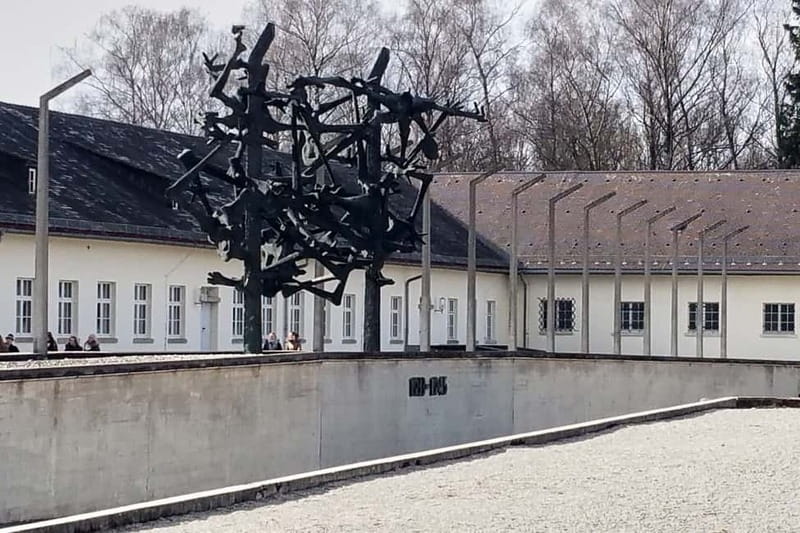
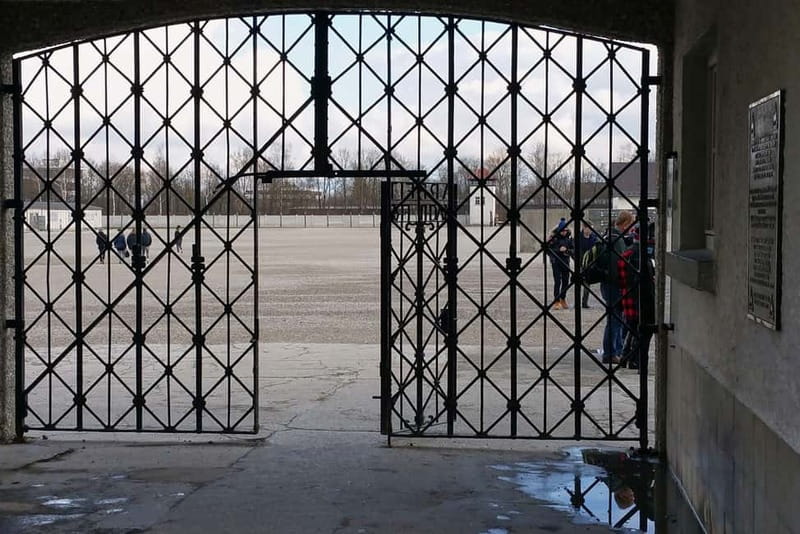
The guided portion of the memorial visit lasts about 3 hours, and the guide stays with you throughout. That time is built around explanation, context, and discussion, not a fast-moving “see everything” loop.
You can expect the guide to present the material in an objective manner, while still acknowledging the emotional weight. The tone is meant to be thought-provoking rather than sensational. That’s important at Dachau, because the goal is remembrance and education, not entertainment.
What makes the approach practical is how it balances structure with responsiveness. The guide encourages questions and discussion, so if something doesn’t make sense, or you want clarity on what you’re seeing, you have a real chance to ask. In places like this, clarification often does more for understanding than more facts tossed at you quickly.
Another reason the grounds tour works: it focuses on individual stories. The tour mentions specific prisoners and explains first-hand experiences, which helps you connect the site to real people rather than abstract numbers.
And yes, the tour addresses perpetrators too. The SS is examined as part of understanding complicity and how people reconciled themselves with crimes. That can feel heavy, but it also keeps the visit from becoming one-sided.
Victims and survivors, plus the hard look at the SS
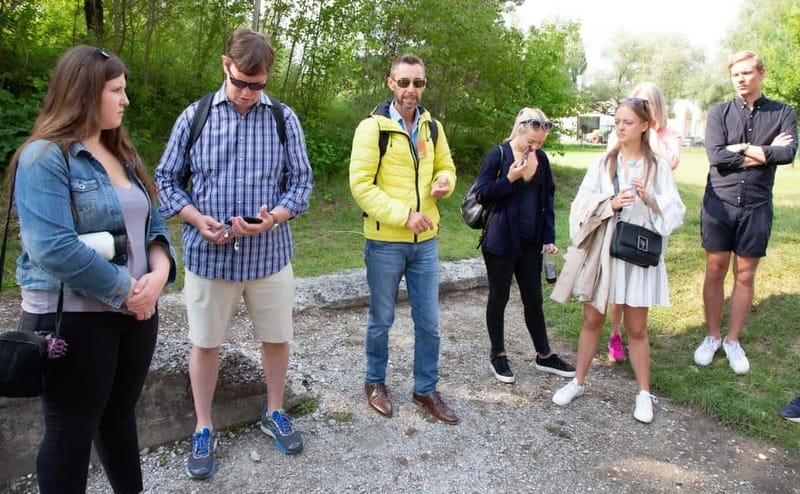
Dachau is commonly treated like a stop on an itinerary. This tour treats it like a place of remembrance and education, which changes how the facts land.
You start with the historical backbone: on March 22, 1933, the Nazis opened the first state concentration camp at Dachau. That matters because it shows how quickly terror became institutional, not random chaos. From there, the guide expands the story with an emphasis on the plight of victims and survivors.
A key strength here is the human focus. The tour doesn’t just say people suffered. It gives you context for what life was like, including how survivors experienced the aftermath. You’ll also hear how individual prisoners’ experiences are framed within the broader camp system.
Then the tour shifts to the SS. The guide’s goal is not to “explain away” wrongdoing, but to help you understand the mechanics of participation: what made complicity possible, and how normal people could end up inside a machine built for cruelty.
That combination, victims plus perpetrators, can be emotionally demanding. But it is also what makes the tour valuable for adults who want to understand the full picture, not a simplified version that lets you feel detached.
The museum exhibit window: independent reflection time that matters
One of the smartest choices in this tour is the way it treats museum time. After the guided movement through the site, the guide allocates private time to explore the museum exhibit.
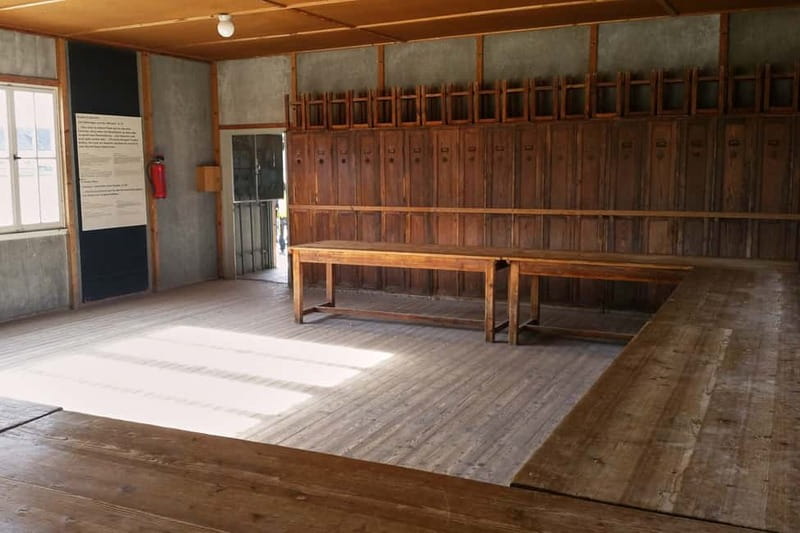
This is where you can slow down. You choose what to read more carefully. You spend longer where something catches you, and you skip past the sections that feel overwhelming in the moment. That kind of choice is useful, because people process difficult content at different speeds.
The museum is described as excellent, and the space is clearly meant for learning. Based on how the day is structured, you should expect the grounds tour to provide the framework, so the museum can work like confirmation and deeper context.
Keep your expectations realistic. The tour is 5 hours total, and you have about 3 hours at the memorial grounds plus travel time. If you are the type who likes to read every panel slowly, you might wish for more museum time. Still, the built-in independent segment is a major plus, because you are not forced to listen to every detail out loud.
A practical tip for this section: consider bringing a bottle of water and something light to eat, because the tour does not include food. Cold weather can add discomfort too, so dress in layers you can keep on while standing and walking.
Also holding a platform in Munich


What the 5-hour schedule feels like, and how to plan your day
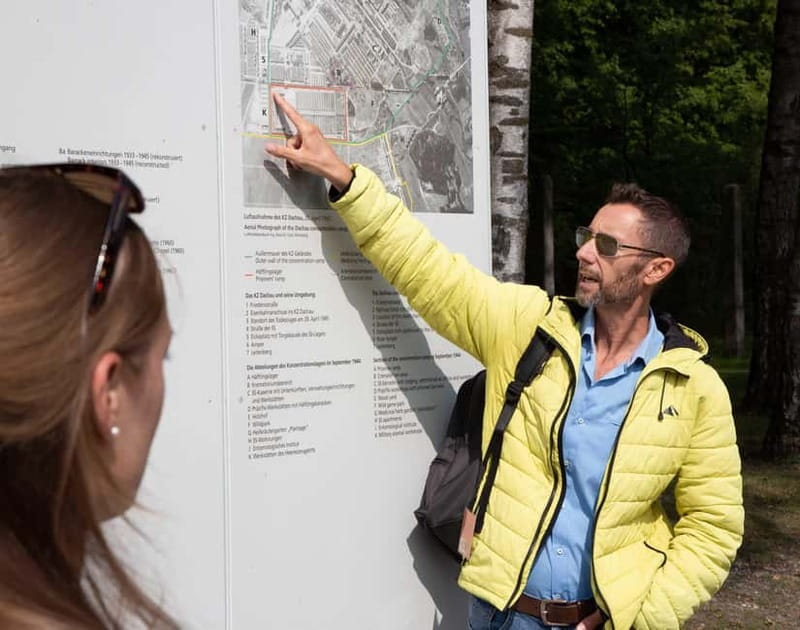
From Munich, your full tour runs about 5 hours, with return to Marienplatz at roughly 02:00 PM. That afternoon finish time is a big deal. You can still see other parts of Munich, grab dinner, or do a quick museum stop without feeling like your whole day got swallowed by one site.
There is also some flexibility on the return side. After you head back, you can depart at Main Station if that’s more convenient than Marienplatz.
Walking is not extreme, but it’s real. Plan for 2 to 2.5 kilometers of movement, plus the stop-and-go pace around memorial areas. Wear shoes you trust. This is not the day to test new soles.
Packing rules are part of your planning. Smoking is not allowed, and you cannot bring luggage or large bags. That means you’ll want to travel light from Munich, or arrange storage elsewhere before you meet the group.
One more detail I’d take seriously: children under 14 are not permitted. If you’re traveling with kids, this tour is not your fit, even if your child is interested in history.
Price and value: what you get for about $88 per person
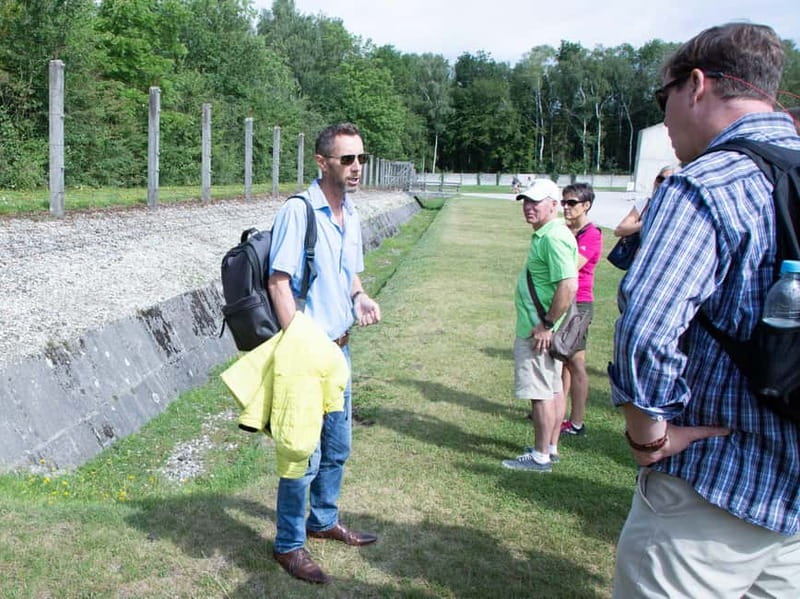
At $88 per person for about 5 hours, this is not a budget day trip, but it’s also not “pay for basic transport.” The price is doing something specific: you’re buying a memorial-licensed guide plus return transportation from Munich.
When you add those elements up, the cost starts making more sense. You’re not just catching a train and wandering. You have an expert guide who handles tickets, stays with your group, explains what you’re seeing, and helps keep the day moving at a pace that still allows reflection.
The small group format also supports the value. With a limit of 15 participants, the experience is quieter and more discussion-friendly than big coach tours. You’re more likely to get your question answered and less likely to feel like you’re being herded.
Food is not included, so it’s on you to budget for snacks or plan a meal afterward. The tour also recommends bringing food and beverages, which is practical advice because you’ll feel better if you are not hungry through a very emotionally demanding visit.
If you care most about efficient sightseeing, this tour may feel “slower” than a DIY visit. If you care most about respectful context and structured reflection, the price fits the experience.
Who should book this Munich to Dachau guided tour?
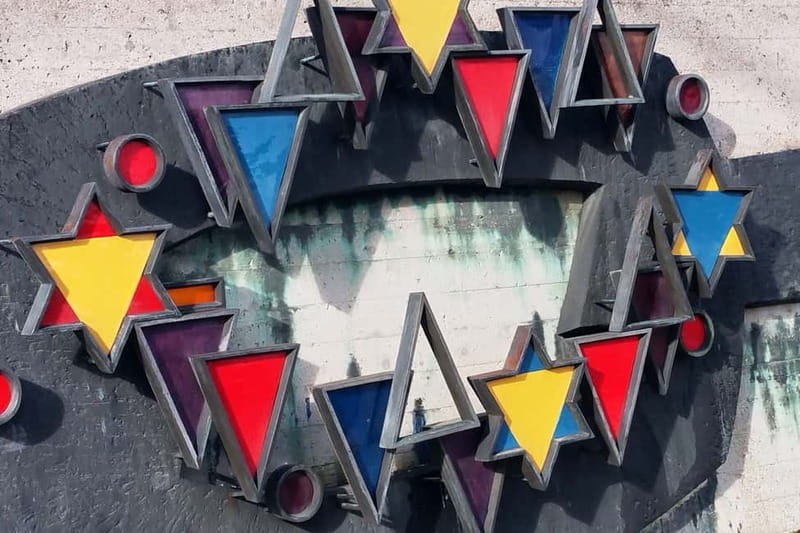
This tour is best for adults and mature teens who want an educational, respectful visit and are ready for a difficult topic. If you prefer guided context, want historical framing, and value time to think on your own in the museum, you’ll appreciate the format.
It’s also a good option if you like small-group days. With a group size capped at 15, you get a more personal feeling, and the guide can handle questions and keep the group together.
Where it may not fit: if you’re traveling with children under 14, you can’t bring them on this tour. And if walking is a major issue for you, the moderate distance might be too much. Also, because the content is confronting, it’s not the best match if you want a light, casual day.
One more “fit” factor: this tour is built to encourage reflection and discussion. That means it’s not just about seeing. It’s about understanding what happened, and leaving with something you can carry into the rest of your life and your future conversations.
Should you book this Dachau tour or DIY it?
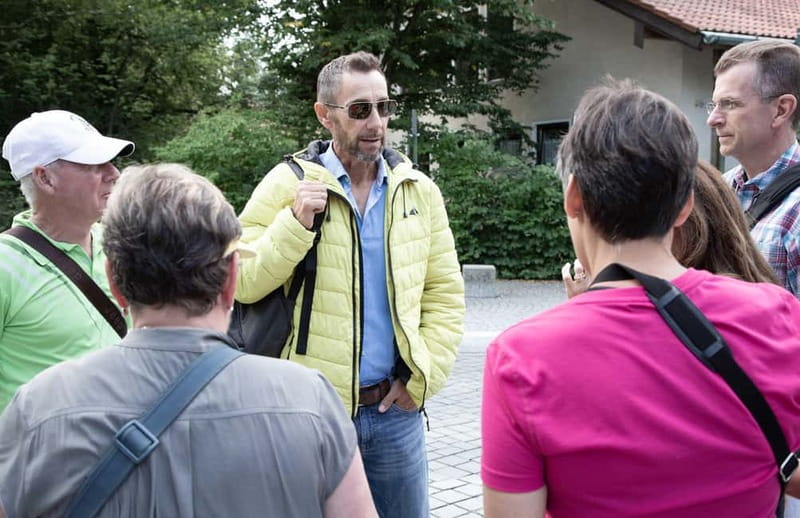
Book it if you want the site explained with care, and you want the day to include both guided structure and quiet museum time. With a memorial licensed guide and return transport handled, this is the kind of visit that protects your time and keeps you from missing important context.
DIY can work if you’re already confident about interpreting what you see. But if you want your first visit to Dachau to be grounded in facts, respectful framing, and human stories, this tour is the safer choice.
My rule of thumb: if you’re willing to take the topic seriously, you’ll get real value from the balance here, and you’ll leave with a clearer understanding of victims, survivors, and the SS within the camp system.
If you are ready for a sobering day, this is one of the most worthwhile ways to do it from Munich.
FAQ
Where do I meet the guide in Munich?
Meet outside the Tourist Information Center under the Glockenspiel on Marienplatz. Your guide will have a white placard that says Dachau Tour.
What time does the tour start and what time will I be back?
The tour meets at 09:00 AM and the return time is approximately 02:00 PM.
How long does the Dachau portion take?
The guided tour at the Dachau Memorial Site is about 3 hours, with about 45 minutes of train time each way.
Is this tour suitable for children?
No. Children under 14 are not permitted on these tours.
What is included in the price?
You get a memorial site accredited guide and return transportation costs from Munich. Food and beverages are not included.
Are there any restrictions on bags or smoking?
Smoking is not allowed. Luggage or large bags are not allowed on the tour.
Fresh on the arrivals board for Munich
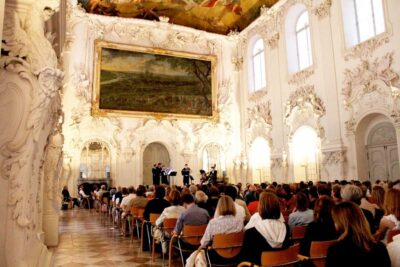

Dachau Concentration Camp Memorial Tours, compared.
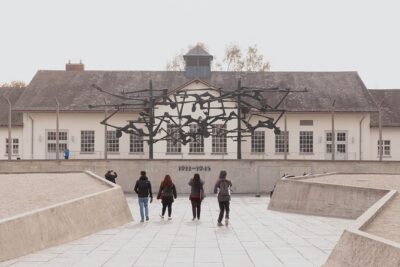
Dachau Concentration Camp Memorial Site Tour from Munich by Train
Read our review →
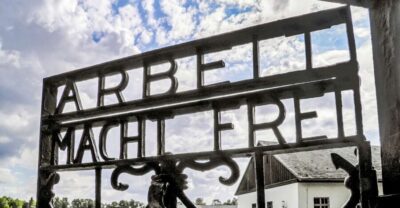
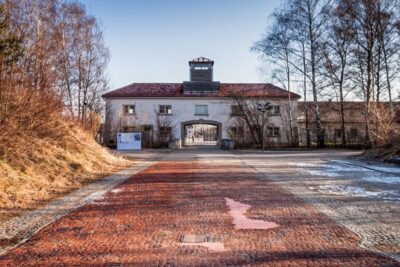
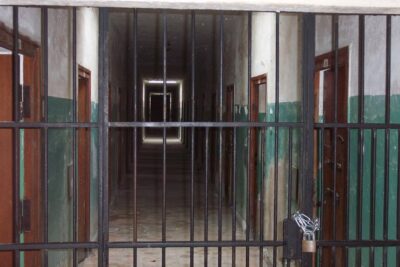
Dachau Concentration Camp Memorial Tour with Train from Munich
Read our review →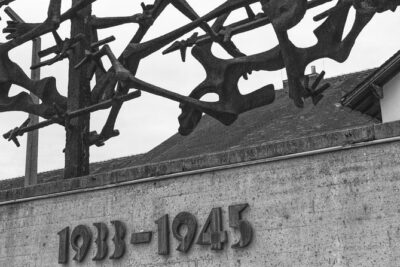
Early-Start Dachau Memorial Half-Day Tour from Munich
Read our review →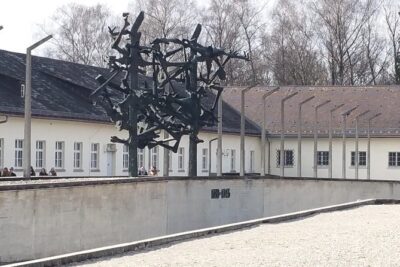
Guided Dachau Concentration Camp Memorial Site Tour with Train from Munich
Read our review →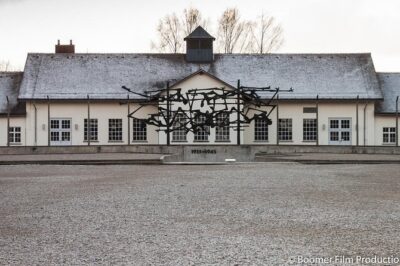
Full-Day Dachau Concentration Camp Memorial Site Tour from Munich
Read our review →Browse the lists this tour appears in