
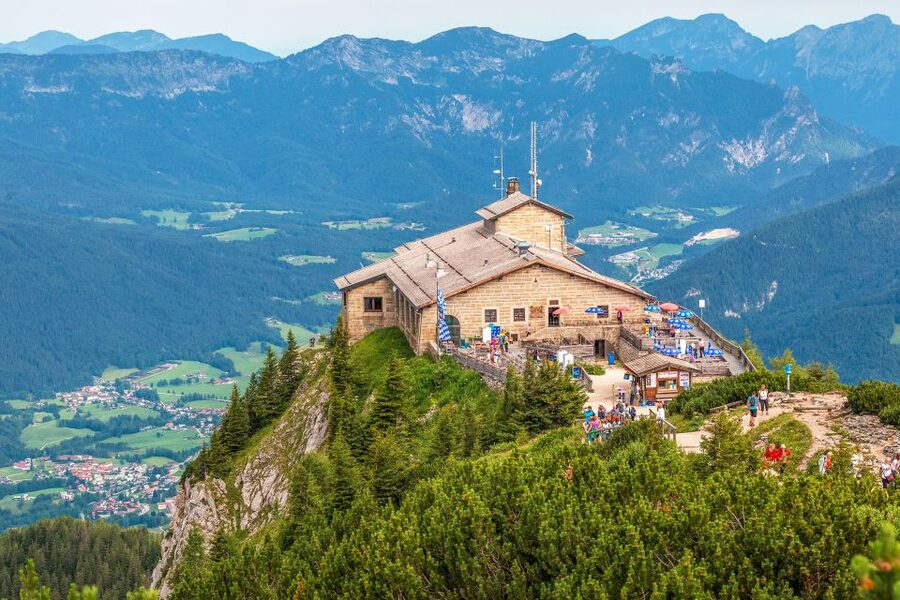
Reviewed · EAGLE'S NEST & BERCHTESGADEN TOURS
From Munich: Berchtesgaden Foothills and Obersalzberg
One of Germany’s most haunting viewpoints is here. This 10-hour day trip from Munich balances Alpine scenery with a serious look at Obersalzberg’s WWII past. I especially like the way the day is paced by a luxury bus with an English-speaking guide, plus the built-in weather plan. The main drawback to consider is that the Eagle’s Nest portion depends on conditions and may switch to salt mines in fog, snow, or icy weather.
If the weather cooperates, you’ll ride up to Kehlsteinhaus, the Eagle’s Nest tea house, and see why the engineering still feels mind-blowing. And even when it does not, the alternative is memorable: one of Germany’s standout salt mines that changes the whole tone of the day. The tradeoff is time. It’s a long day, and you do spend a good chunk on the road.
In This Review
- Key highlights worth planning around
- Obersalzberg and Kehlsteinhaus: why this day trip is different
- Meeting point and timing: how to avoid the first stress
- The road from Munich: what that long ride gives you
- Obersalzberg: your first big viewpoint moment
- Nazi Documentation Center: if you want the context straight
- Kehlsteinhaus (Eagle’s Nest): how the experience actually works
- The cash and card reality on-site
- Restaurant expectations at the top
- Bad weather plan: salt mines Berchtesgaden instead
- Walking, queues, and how much mobility the route needs
- Price and value: is $80 a fair deal?
- Who this trip suits best
- Guide quality matters more than you think
- Practical packing list for an Alpine history day
- Should you book this Obersalzberg and Eagle’s Nest day trip?
- FAQ
- Where do I meet for the tour?
- How long is the tour from Munich?
- How much does it cost?
- Is the tour guided, and what language is used?
- What happens if weather is bad?
- Do I need a passport or ID?
- Is travel to the Eagle’s Nest included in the base price?
- Is this tour suitable for people with claustrophobia or mobility impairments?
Key highlights worth planning around
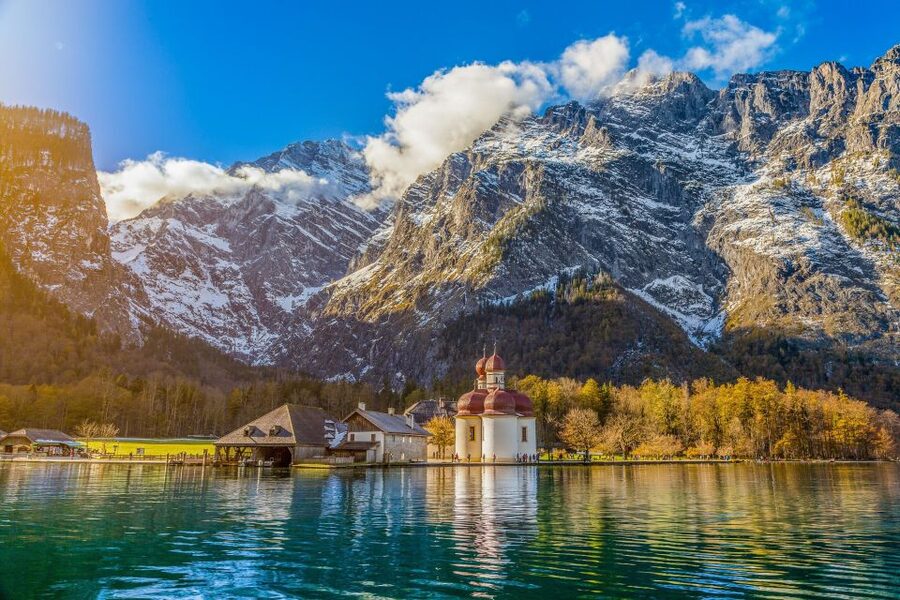
- Obersalzberg viewpoints for sweeping views over mountains and lakes
- Kehlsteinhaus (Eagle’s Nest) with the tunnel and underground lift up the mountain
- Nazi Documentation Center option if you want a structured WWII context stop
- Salt mines Berchtesgaden as the weather-proof alternative when peaks are foggy or iced over
- Skip the ticket line to save time where it matters most
- Ursula, Elizabeth, Beatrix, Lotte, and Peter types of guides, often praised for making logistics and history easy to follow
Obersalzberg and Kehlsteinhaus: why this day trip is different
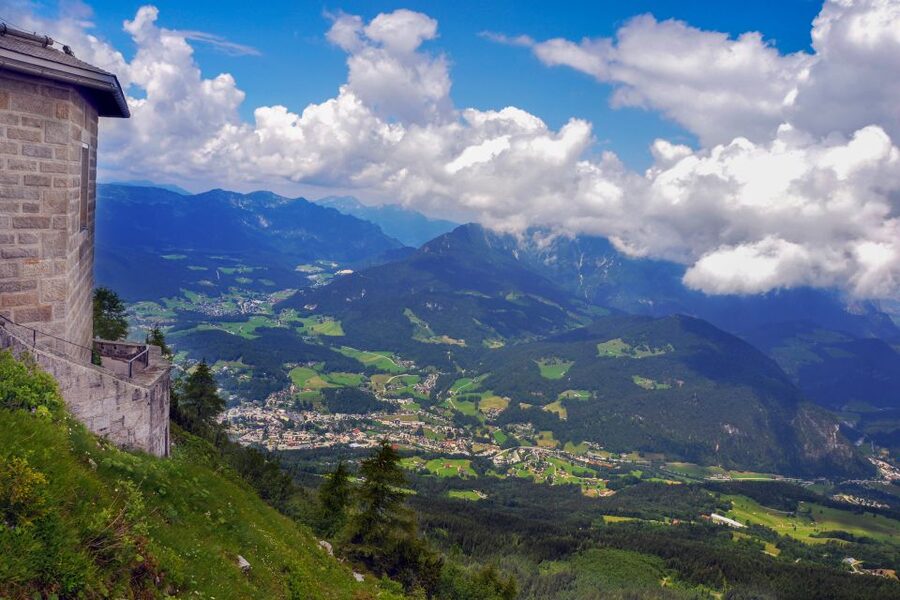
This is not just a sightseeing bus ride. Obersalzberg sits on the edge of the Berchtesgaden foothills with dramatic sightlines, so you get mountain-and-valley views that feel far bigger than you’d expect from a day trip. At the same time, the area is tied to the Third Reich, and the tour has the decency to treat that as more than trivia.
What makes this trip click for me is the structure. The Eagle’s Nest experience is weather-dependent, but the tour does not strand you if conditions ruin the view. You either get the Kehlsteinhaus up the mountain, or you pivot to the salt mines, which are a strong Plan B in their own right. That flexibility is the difference between a good day and a day that feels rescued.
More alpine roads above Berchtesgaden:
- Berchtesgaden and Eagle’s Nest Day Tour from Munich
★ 4.0 · 1,077 reviews - Berchtesgaden and Eagle’s Nest Day Trip from Munich
★ 4.5 · 797 reviews - From Munich: Guided Group Tour to Eagle’s Nest
★ 4.8 · 303 reviews
Meeting point and timing: how to avoid the first stress
You meet at Karlsplatz 21-24 at the Gray Line, AutobusOberbayern bus lane. Plan to arrive early. The guidance is to be at the departure stop at least 20 minutes before the scheduled departure time.
This matters because a 10-hour trip runs like a machine. When you’re late, you’re not just late for coffee, you’re late for the whole sequence. And this itinerary relies on keeping groups moving at the right moments so you can see more than just the parking lots.
The road from Munich: what that long ride gives you
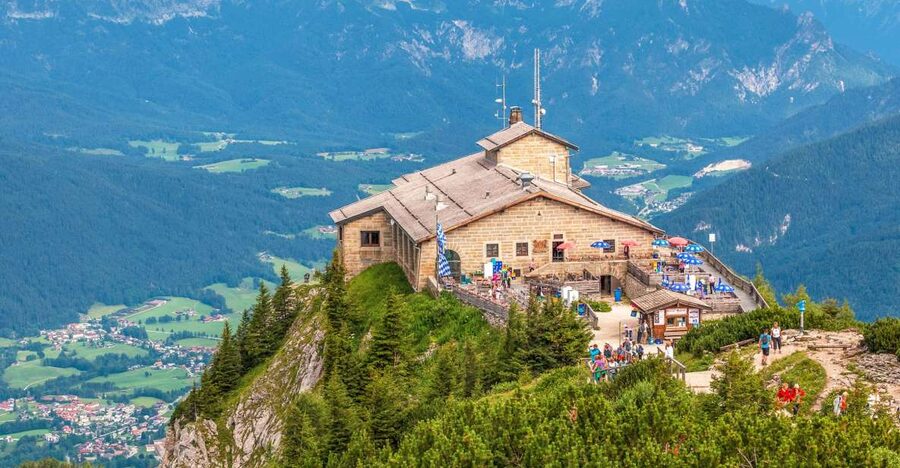
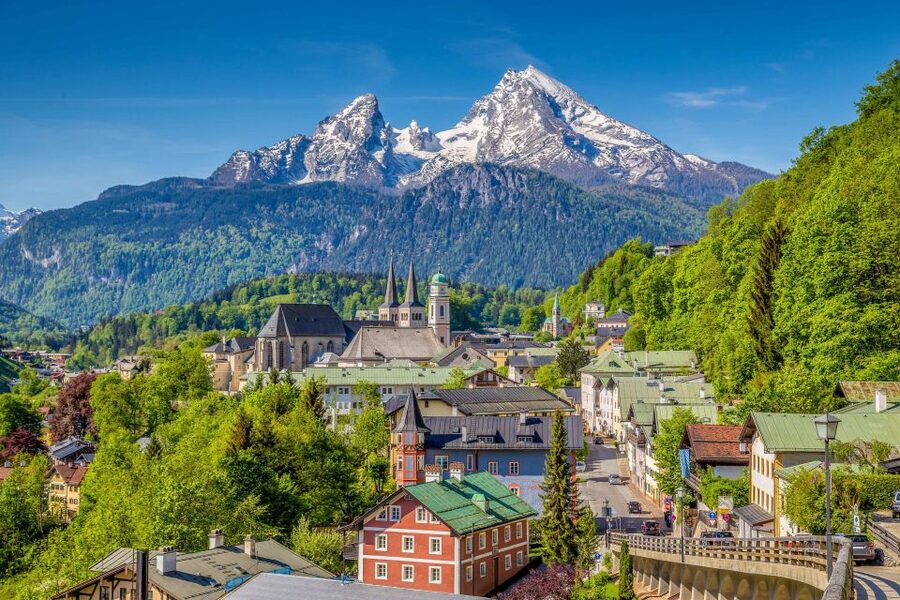
The tour uses a comfortable, luxury bus, and you’ll travel back and forth through the region via the Deutsche Alpenstrasse (German Alpine Way). It’s a curved route through valleys toward Berchtesgaden, and that’s not incidental. Those winding roads are part of the payoff, especially if you’re coming from flat or fast-moving city sightseeing.
One real-world benefit: on long bus days, you want basic comfort. Some people praise the bus for being large and having functioning air conditioning, while others mention that they wished for better cooling depending on the season. Either way, dress for the day’s temperature swings. Even in warm months, higher elevations can feel cooler once the wind picks up.
Obersalzberg: your first big viewpoint moment
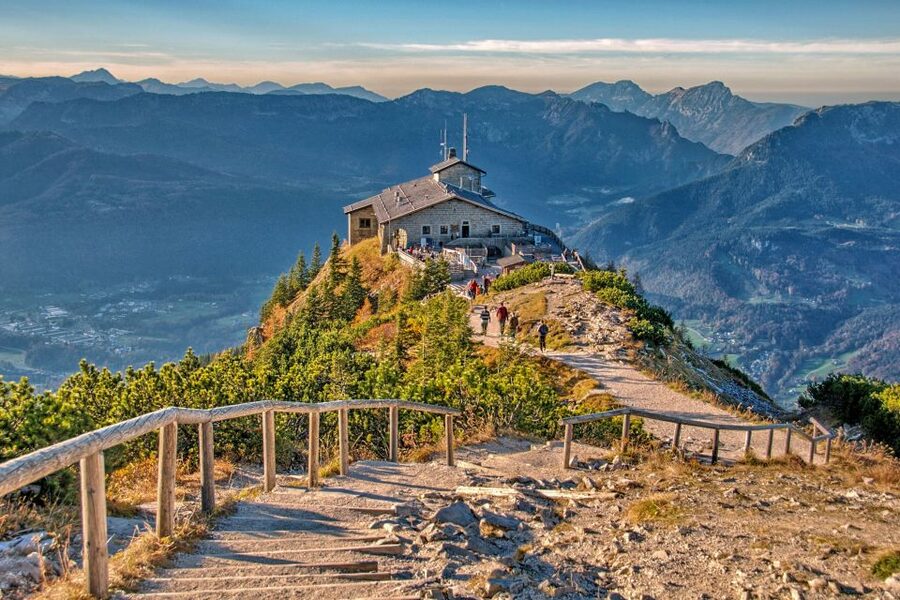
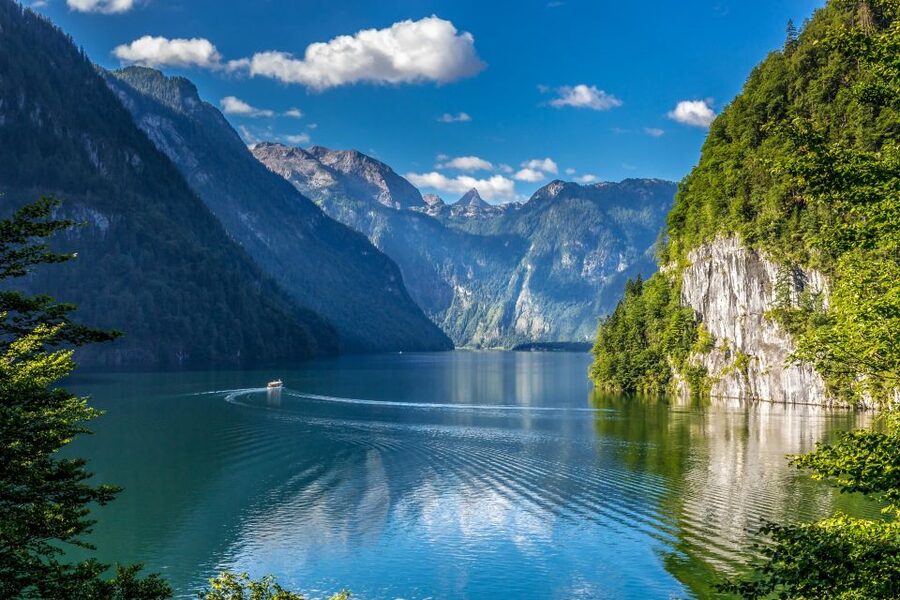
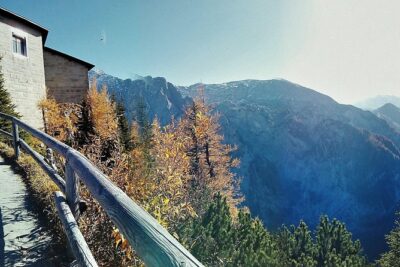
Obersalzberg is the heart of the outing. You’ll go there to take in the panoramic feel of the mountains and lakes in the Berchtesgaden area. This is the stop that helps you understand why this region drew attention historically, and why it’s such a visual draw even now.
What I like about this phase is that it gives you context before you head into specific sites. You see the scale of the terrain, then the tour can explain what happened in the area without everything feeling disconnected or random.
A practical note: viewpoints can shift quickly with weather. Fog can hide the view, and icy conditions can affect whether the upper stop works. If you’re the type who hates uncertainty, keep your expectations flexible. This is a weather-driven destination.
Nazi Documentation Center: if you want the context straight
The Nazi Documentation Center Museum is an option on this tour. If you like your history organized and explained in a visitor-friendly way, this is often the part that turns “I saw the places” into “I understand what I saw.”
The tour guide plays a big role here. You’ll hear explanations along the way, and that helps you connect the geography to the story instead of treating it as a checklist. If you’d rather keep things lighter, you can skip this component and focus on the viewpoints and Kehlsteinhaus itself.
Also holding a platform in Munich

Kehlsteinhaus (Eagle’s Nest): how the experience actually works
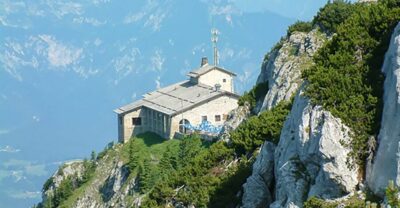
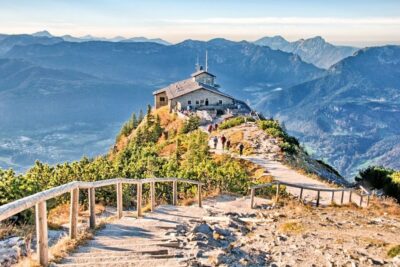
When conditions allow, the highlight is Kehlsteinhaus, Hitler’s holiday retreat on the top of the Obersalzberg mountainside. The big point for you: the journey is not a simple “walk up and look around.” It’s an attraction built around engineering inside the mountain.
Here’s what to expect:
- You go up by a special bus service that is not included in the base price. It costs €35 extra, payable by credit or debit card only.
- Once you arrive, you experience the tunnel and underground elevator/lift up to the tea house area.
- You get the signature views from the top, and you’ll likely take plenty of photos, because the viewpoint is why the place exists.
Two timing tips from how people experience this day:
- Arrive with enough patience. Even when the tour says the ticket line is skipped, moving through transport, transfers, and entry still takes time.
- Bring a little flexibility into your plans. One common theme is that this can feel like a busy, packed window compared with the time you might want to spend elsewhere in town.
The cash and card reality on-site
One practical tip I’d follow: have some cash available for on-site purchases. Payment methods at the Eagle’s Nest area can be inconsistent, and having cash prevents the “small regret” problem when you want a snack or drink.
Restaurant expectations at the top
Food on a tourist site will never be Munich-level value, and you should treat it that way. Some visitors describe the restaurant options as average, which is not surprising given the location and demand.
If you care about getting a nicer setting, you may prefer eating at the site when you have the time window, since it lets you combine food with the viewpoint moment instead of rushing afterward.
Bad weather plan: salt mines Berchtesgaden instead
This tour has a clear weather pivot. If fog or snow (or other bad conditions) make the upper stop unreliable, you go to the salt mines of Berchtesgaden instead.
This is one of those choices that keeps the day from falling apart. The salt mine experience shifts the vibe from political history-on-a-mountain to geology and industrial history underground. And if you’re visiting in winter when higher peaks are covered in snow and ice, this alternative isn’t just a backup. It becomes the main attraction.
The mine option is also useful for people who want something active. While you’re still on a guided schedule, the underground setting feels like a full experience rather than a consolation stop.
Walking, queues, and how much mobility the route needs
This is not listed as a trip for everyone with mobility impairments, and you should treat that warning seriously. The tour involves travel steps, transfers, and the Kehlsteinhaus experience uses an underground lift.
Also note the claustrophobia warning. The tunnel and underground lift inside the mountain are a big part of the Kehlsteinhaus experience. If enclosed spaces are a trigger for you, salt mines might also feel challenging, depending on your comfort level, so think it through before booking.
Price and value: is $80 a fair deal?
The base price shown here is $80 per person for a day trip running 10 hours. For that, you get the essentials: travel in a luxury tour bus and a tour guide.
Where the math shifts is the Eagle’s Nest upper access. The Kehlsteinhaus special bus service costs an additional €35. That means your total cost can climb if you want the full top experience and conditions are right.
So what’s the value?
- You’re paying for transport and guidance that saves time and reduces confusion on a crowded, time-sensitive site.
- You’re also buying weather resilience, since you do not end up with nothing to do.
- If you’d otherwise need multiple tickets and more planning on your own, the all-in structure often feels worth it, even with the add-on.
My take: if you’re visiting in a season with changeable mountain weather, you’re paying for the right kind of insurance. If you know you dislike history sites or you cannot handle tunnels and lifts, then value drops quickly.
Who this trip suits best
I think this tour works best if you fit one of these profiles:
- You want a single-day hit of both dramatic scenery and WWII context.
- You value a guide who helps you understand what you’re seeing, not just what you’re standing near.
- You like organized logistics because you’d rather spend your energy looking out the window than figuring out connections.
It’s a bit less ideal if you:
- Need a slow pace or lots of free wandering time.
- Can’t handle enclosed spaces, transfers, or the physical flow of a mountain attraction.
- Want to avoid history themes altogether.
Guide quality matters more than you think
A consistent theme in how people describe the day is the guide’s energy and clarity. Guides such as Ursula, Elizabeth, Beatrix, Lotte, and Peter are repeatedly praised for keeping things moving and for explaining history in an approachable way.
That matters on this route because the places are visually striking, but the meaning can be emotionally heavy. A good guide helps you keep your footing. You also get help with practical details like timing and how the day will run.
Practical packing list for an Alpine history day
Keep it simple. The tour guidance includes:
- Passport or ID card
- Comfortable shoes
- Dress for weather changes at altitude
Also, add two smart extras based on on-the-ground tips:
- Bring a small amount of cash for on-site purchases where card acceptance can be inconsistent.
- Pack a light layer. Even in warmer months, the mountain weather can feel cool fast once you’re near the viewpoint and the bus returns.
Should you book this Obersalzberg and Eagle’s Nest day trip?
I’d book it if you want a structured, time-efficient day that combines mountain views with the places tied to one of history’s darkest chapters. The weather plan is a major plus, because it keeps the day from collapsing if visibility is poor.
I’d skip it or choose a different style of day if you cannot handle tunnels and underground lifts, or if you’re mobility-limited and need more flexible access. And if you strongly prefer spending most of your day in a town with casual wandering, this format may feel too scheduled.
If you want one key decision: plan for the possibility that Kehlsteinhaus might not be reachable due to conditions. If you’re okay with the salt mines as the main event, you’re set up for a strong day either way.
FAQ
Where do I meet for the tour?
Meet at Karlsplatz 21-24 at the Gray Line, AutobusOberbayern bus lane.
How long is the tour from Munich?
The duration is 10 hours.
How much does it cost?
The listed price is $80 per person. Travel to the Eagle’s Nest by the special bus service costs €35 extra.
Is the tour guided, and what language is used?
Yes, the tour includes a live tour guide in English.
What happens if weather is bad?
If conditions are bad (for example fog or snow), you will visit the salt mine Berchtesgaden instead of going up to the Eagle’s Nest.
Do I need a passport or ID?
You should bring your passport and/or an ID card.
Is travel to the Eagle’s Nest included in the base price?
No. Travel to the Eagle’s Nest by the special bus service is not included and costs €35 payable by credit or debit card only.
Is this tour suitable for people with claustrophobia or mobility impairments?
It is not suitable for people with mobility impairments or for people with claustrophobia.
Fresh on the arrivals board for Munich

Eagle's Nest & Berchtesgaden Tours, compared.
Eagle’s Nest and Berchtesgaden Tour from Salzburg
Read our review →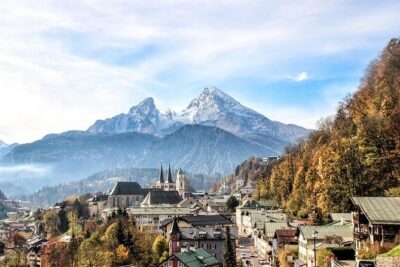
Berchtesgaden and Eagle’s Nest Day Tour from Munich
Read our review →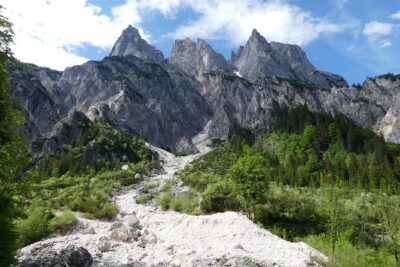
Berchtesgaden and Eagle’s Nest Day Trip from Munich
Read our review →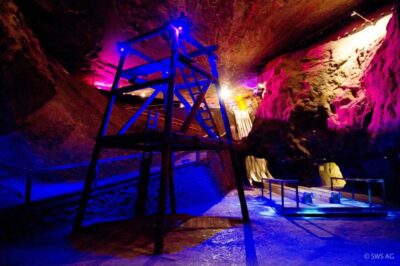
Eagle’s Nest-Berchtesgaden-Obersalzberg Private Half Day WWII Historical Tour
Read our review →Browse the lists this tour appears in