
Reviewed · HANOVER TOURS & ACTIVITIES
Fritz Haarmann – Die Mördertour
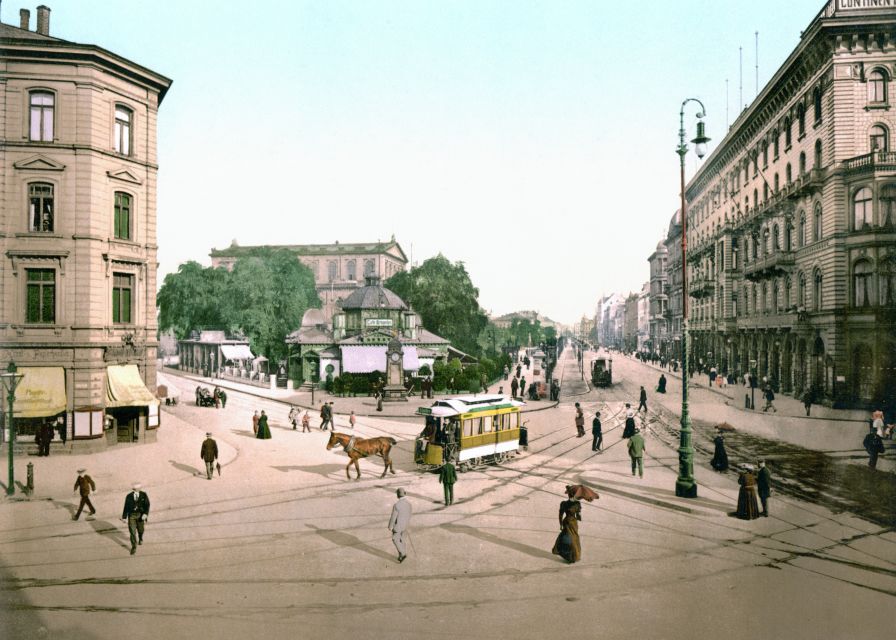
Hannover’s streets keep darker secrets. This 2-hour walk through Hannovers Altstadt focuses on Fritz Haarmann, using real, specific places tied to the case, and a guide who brings the story into the context of the 1920s. You’ll start near the Ernst-August statue and move on foot, with stops that make the history feel immediate and grounded in the city you see today.
I like two things most about this tour. First, the guiding style is clear and very visual, so the story does not feel like a list of facts. Second, you get real background and explanation, including how the case connected to the conditions of the time, and there’s time for questions.
One thing to consider: this is a heavy topic and the format is German-only, so if you’re not comfortable with German narration, it may feel harder to follow. Also, drinks are not included unless you add them.
In This Review
- Key things to know before you go
- A 2-hour serial killer tour that stays practical, not just sensational
- From Hannover train station to the Oldtown: your “map in your head”
- Meeting at Ernst-August: Unterm Schwanz, and why the exact spot matters
- Entering Hannovers Altstadt: where the city becomes part of the story
- The murderhouse location stop: why this is more than a photo point
- The burial place stop: where the story reaches its darkest point
- How the guide connects Haarmann to 1920s Hannover and beyond
- The pacing, group dynamics, and time for questions
- Cost and value: what you get for about $35
- Who this tour suits best
- Should you book Fritz Haarmann – Die Mördertour?
- FAQ
- Where do I meet for the tour?
- How long is the tour?
- Is there a live guide?
- What language is the tour in?
- How much does it cost?
- Are drinks included?
- Is the tour wheelchair accessible?
- Can I cancel for a full refund?
Key things to know before you go
- Meet at the Ernst-August statue (Unterm Schwanz) so you don’t lose time finding the group.
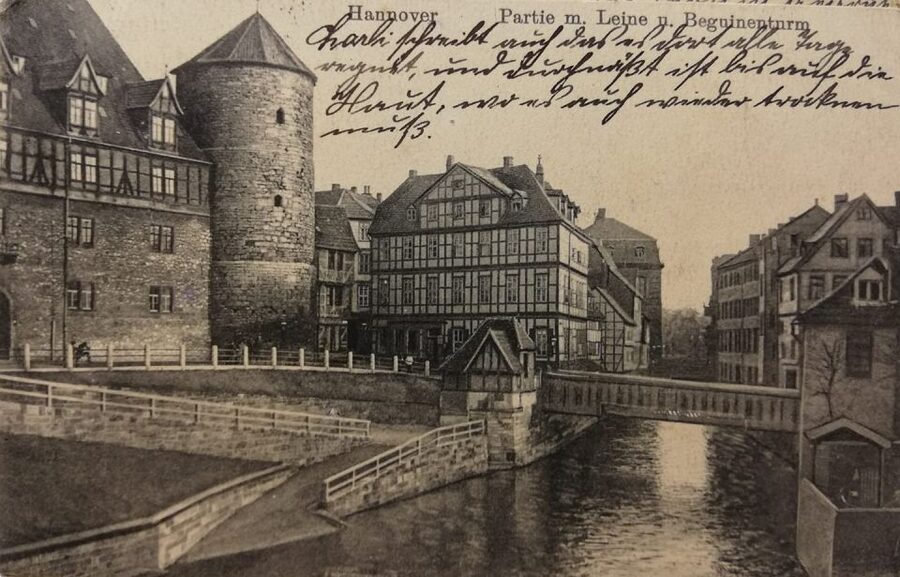
- 2-hour walking format that covers multiple key spots in Hannover’s Altstadt.
- Specific Haarmann-related locations you’ll see while the guide explains what happened there.
- German live guide, with the pace and tone geared to telling the story clearly.
- Good time for questions, and in larger groups you may be split with an extra guide.
A 2-hour serial killer tour that stays practical, not just sensational
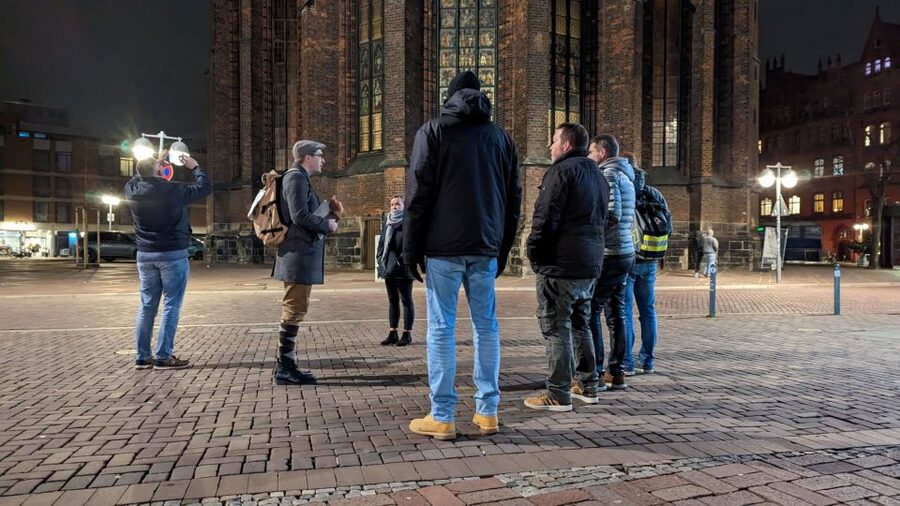
Tours about true crime can go two ways. Some feel like shock value. This one feels more like a guided walk through a specific place in Germany’s past, using the streets and landmarks to explain how the Haarmann case became so widely known.
If you want pure entertainment, this is not that. If you want a story with structure, context, and concrete locations, you’ll likely enjoy it. The pace is designed for a compact city circuit, and the guide’s goal is to help you make sense of what you’re seeing rather than just repeat grim details.
The tour’s rating is strong, and the pattern in the positive feedback is consistent: people praise how well the guide explains and how easy it is to follow. That matters, because with a case this well known in Germany, clarity is what keeps it from becoming confusing or repetitive.
Also holding a platform in Hanover
- Hannover: Guided City Walk
★ 4.5 · 486 reviews - Hannover: Crime Walking Tour
★ 4.6 · 387 reviews - Hannover: 24-Hour Hop-On Hop-Off Sightseeing Bus Ticket
★ 4.2 · 298 reviews
From Hannover train station to the Oldtown: your “map in your head”
You begin the experience together at Hannover’s train station and then walk to the Oldtown. Even if you already know Hannover a bit, this first segment helps you connect the route to the story, so later stops land with more meaning.
This is where you learn the basic geography of the area in a way that self-guided wandering does not usually do. You get moving context, not just trivia. And because it’s a walking tour, you’re constantly reorienting, which keeps the two hours from feeling like a lecture.
Practical note: wear shoes you’re happy to stand in for a couple of hours. The topic is serious, and the experience works best when you can comfortably focus on the guide’s descriptions without worrying about sore feet.
Meeting at Ernst-August: Unterm Schwanz, and why the exact spot matters
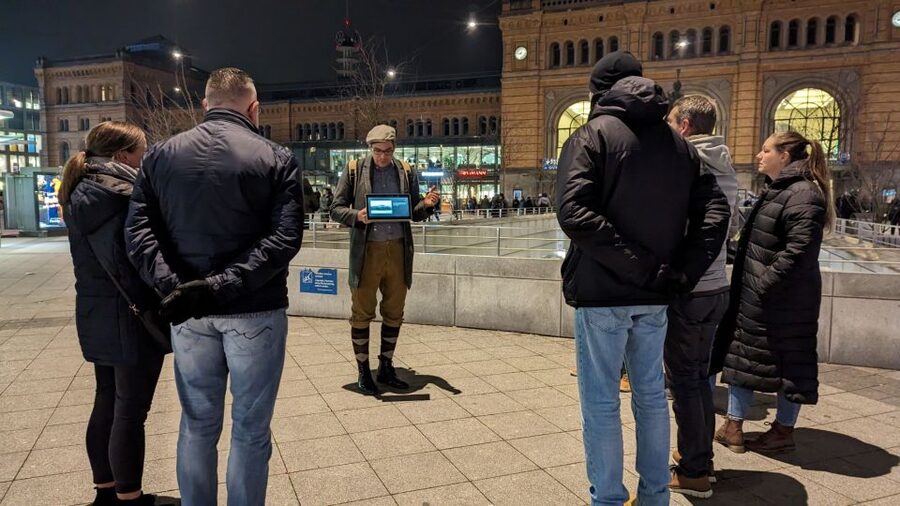
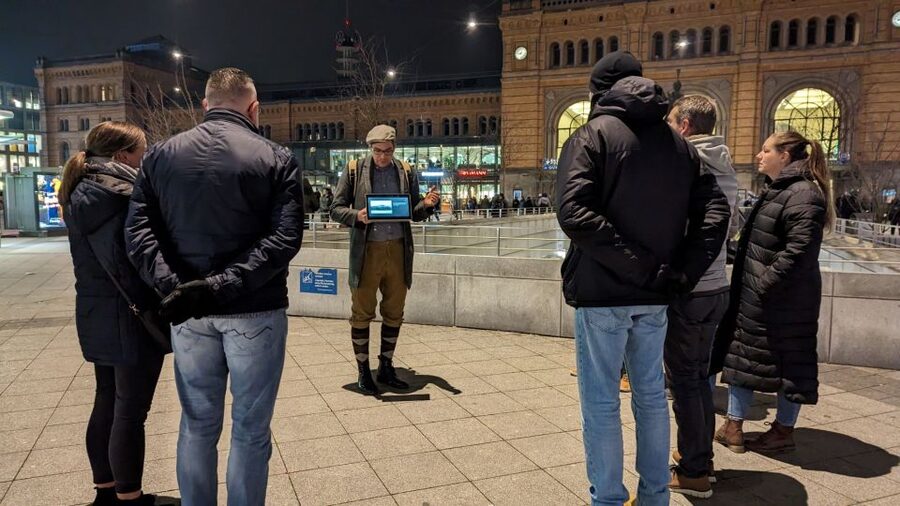
Your meeting point is the Ernst-August statue, specifically described as Unterm Schwanz, under the horse rider. Showing up five minutes early is not a suggestion here. It’s the difference between settling in calmly and watching others disappear into the group before you even get your bearings.
I like that this meeting point is specific. Hannover has plenty of plazas and monuments, but “near the main station” can still be vague in real life. By using the Ernst-August statue and the Unterm Schwanz reference, the tour gives you a clear way to find the correct group quickly.
If you’re trying to navigate in German, you’ll be thankful the location is spelled out this way. Just head to the horse rider statue, look for the group gathering near it, and you’re good.
Entering Hannovers Altstadt: where the city becomes part of the story
Once you reach Hannovers Altstadt, the tour shifts from walking to storytelling in a way that feels tied to the physical streets. This matters for a case like Fritz Haarmann’s, because the setting is part of how the public understood what was happening.
What I find valuable is the connection the guide draws between the case and the broader conditions of the time. It’s not just one person’s crimes, it’s a story that became a public event, then a political issue, then something that shaped how Germany talked about crime, authority, and society in the early 20th century.
If you like tours where you can look at buildings, corners, and streets and realize, this is where the story happened, you’ll probably get a lot out of the Altstadt segment. It turns Hannover into more than a backdrop for photos.
The murderhouse location stop: why this is more than a photo point
One of the tour highlights is the place where the murderhouse used to be. This is a key stop because it anchors the story in a particular address or site, not an abstract “somewhere in the city.”
Here’s what to pay attention to as you listen. The goal is not to stare at a plaque and move on. Instead, I recommend you keep your focus on the guide’s explanation of why this location mattered and what the surrounding environment would have been like for residents at the time.
Even without adding details beyond what the tour gives you, a stop like this helps you build a mental map. You can understand the case as something that happened in ordinary streets, not only in headlines.
Possible drawback: because it’s a true crime story, you might find the stop emotionally heavy. It’s okay if you need a moment. Give yourself that pause rather than forcing it, especially if you’re sensitive to the subject matter.
Onward connections from Hanover:




The burial place stop: where the story reaches its darkest point
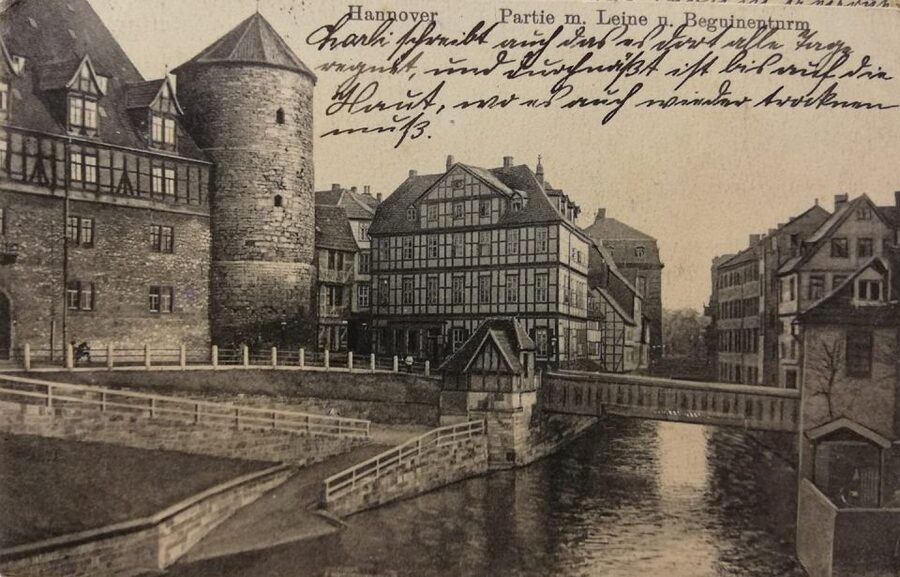
The other signature highlight is the place where Haarmann buried the bones of his victims. It’s hard to write that neutrally, and the tour doesn’t pretend it’s light.
Why this stop works, though, is because it’s not random gloom. It’s part of the story’s structure and pacing. You’ve already walked through the city and heard the earlier framing, so when the guide reaches this point, you understand it as a specific element of the overall case.
If you’re the type of traveler who likes “why here” explanations, this stop should click for you. The guide’s role is to keep the focus on meaning, not shock.
For the practical side, stand where the guide indicates, keep some space around you, and be ready to listen. This is one of those stops where people often get quiet, and that’s part of the atmosphere the tour creates.
How the guide connects Haarmann to 1920s Hannover and beyond
Haarmann’s case is described as peaking in 1924, when people found out that he killed at least 24 citizens of Hannover. The tour also highlights the international attention the case received, and it mentions the nickname the public used, including the butcher of Hannover.
But what I think you’ll appreciate is how the guide brings the story into the wider historical and political setting. One review specifically praised the guide for pointing out connections to the circumstances of that time. That’s a big deal, because without context, a story like this can feel like isolated horror rather than a turning point in public life.
This tour is clearly designed for more than surface-level facts. The guide seems to aim for an explanation that helps you understand how the Haarmann case became politicized and shaped the history of Germany in a broader sense.
If you’re curious how a local event became part of national history, you’ll likely find this angle satisfying.
The pacing, group dynamics, and time for questions
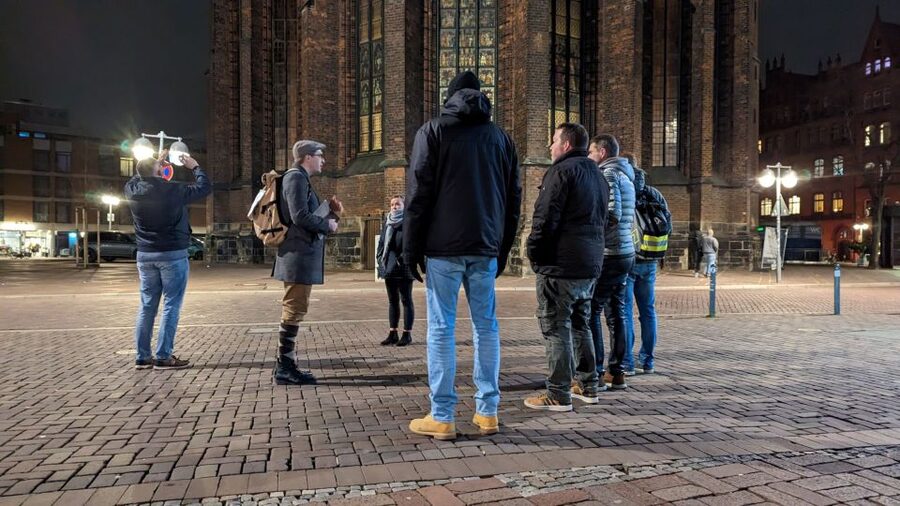
The tour lasts about 2 hours, and that length is a sweet spot for this kind of theme. Long enough to cover multiple locations, short enough that you’re not stuck for a half day in heavy content.
Group size is not listed directly in the details you provided, but there is an important hint from a review: when the group was very large, an extra guide joined and the group was split. That suggests the organizer understands pacing and listening quality, which is what you want on a walking tour with story-focused stops.
Another repeated praise point is that there was enough time for questions. That changes the experience. When you can ask what a detail means or clarify something you missed, you finish the tour with more understanding than you would after a strict, one-way narration.
My advice: prepare one or two questions before the most emotional stop. In this kind of tour, people often hesitate until the end. If you ask early, you might remember the answers when the next location makes the story click.
Cost and value: what you get for about $35
The price is $35 per person, and it covers the guided tour. That’s fairly typical for a focused, 2-hour walking experience in a city center, especially when it’s tied to a specific storyline and multiple locations.
What makes it good value for your money is the combination of clear storytelling, background context, and multiple stop points. If you just walked around Hannover Altstadt on your own, you might find monuments and streets, but you would not get the same structured explanation linking the story to each site.
Drinks are not included, though you can add beer or sparkling wine for €3.50 per person if served. That’s a nice option if you want a small break, but it’s also a reminder to plan on buying your own water if you need it.
Who this tour suits best
This is a strong fit if you:
- like guided walking tours with story structure, not just sightseeing
- want German context tied to specific places in Hannover
- enjoy learning how public events became politicized and nationally significant
This is probably not your best choice if you:
- want a light, entertainment-focused outing
- need tours in English or another language, since the guide is German
- prefer to avoid dark true crime content entirely
If you’re a history-minded traveler who can handle serious topics with a respectful tone, this tour can be both educational and genuinely memorable, because you’re seeing how the city frames the story in physical space.
Should you book Fritz Haarmann – Die Mördertour?
Book it if you want a clear, guided, location-based look at the Haarmann case in Hannover’s Altstadt, and you’re comfortable with a dark subject told with context. The tour’s best strength is its explanation quality, including background connections and a format that leaves space for questions.
Skip it if German narration would be a struggle for you, or if you’d rather not spend two hours thinking about a violent, unsettling case. Also, if you prefer your tours to feel purely scenic, this one will feel intentionally heavy.
One final practical tip: plan a calm next stop after the tour. Not because anything goes wrong, but because a topic like this can linger, and it helps to give your brain a softer setting afterward.
FAQ
Where do I meet for the tour?
You meet at the Ernst-August statue, described as Unterm Schwanz (under the tail of the horserider statue). Please arrive about 5 minutes early.
How long is the tour?
The tour duration is 2 hours.
Is there a live guide?
Yes, the tour is guided by a live guide.
What language is the tour in?
The tour is in German.
How much does it cost?
The price is listed as $35 per person.
Are drinks included?
No. Drinks such as beer or sparkling wine can be served for an additional €3.50 per person.
Is the tour wheelchair accessible?
Yes, it is wheelchair accessible.
Can I cancel for a full refund?
Free cancellation is available up to 24 hours in advance for a full refund.
Fresh on the arrivals board for Hanover



Hanover Tours & Activities, compared.

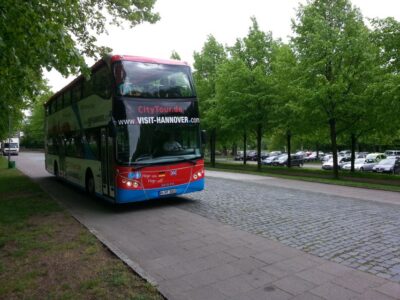
Hannover: 24-Hour Hop-On Hop-Off Sightseeing Bus Ticket
Read our review →


Hannover: Guided Bike Tour for Foodies with Tastings
Read our review →
Browse the lists this tour appears in