
Reviewed · ERFURT TOURS & ACTIVITIES
Erfurt: Candlelight tour in the Augustinian Monastery with a nightcap
Candlelight makes Erfurt’s monastery feel alive. I love the evening candle glow and the way the tour moves through Luther-linked rooms that can genuinely give you goosebumps. The one drawback to plan for is that the guided tour is in German, so if your German is limited, you’ll want to follow along with extra attention.
For $18, you get a 1.5-hour guided walk in historic spaces, plus a small end-of-tour drink with the candlelit atmosphere. I also like that the visit is designed for real evenings, with places to sit between stops. The timing is fixed at 9:00 PM during the season, so it’s a great add-on if you like night culture, not if you prefer early mornings.
In This Review
- Quick hits before you go
- Candlelight at the Augustinian Monastery, and why it works
- Why Luther’s Erfurt years still land
- Your 9:00 PM plan: how the tour moves through the monastery
- Cloister, the quiet backbone of the complex
- Augustinian Church, where the setting becomes emotional
- Chapter house, monastic meetings in stone
- Renaissance courtyard, a contrast inside the same walls
- Inside the Luther Gate and Luther cell
- The Frust und Freiheit exhibition, and why it’s worth your attention
- Rain-proof evening touring, plus where you’ll rest
- Price and value: is $18 a good deal?
- Meeting point and language: how to make it smooth
- Who this candlelight monastery tour suits best
- Should you book it
- FAQ
- Where do I meet for the tour?
- What time does the candlelight tour start?
- How long is the tour?
- What is included in the price?
- Is the tour canceled if it rains?
- What language is the tour in?
- How much is it and is it worth it?
- Can I cancel and get a refund?
Quick hits before you go
- Candlelight + nightcap at the end, included in the tour
- 750-year-old Augustinian monastery in Erfurt’s old town center
- Luther spaces you’ll visit, tied to six years of his life
- Rain-friendly format, with most of it inside historic buildings
- Stops with story value, from cloister and church to the Frust und Freiheit exhibition
- A lively guide style, described as funny and informative in participant feedback
Candlelight at the Augustinian Monastery, and why it works
This is not a daytime museum slog. The tour is built for evenings, when you can feel the monastery atmosphere in a slower, quieter way. You start with the church-area meeting point and then step into a 750-year-old complex that naturally encourages hushed attention, especially when candles are involved.
I like that the tour’s mood is supported by the setting. A monastery makes sense at night because it was already meant for routines, reflection, and controlled spaces. And you’re not just looking at stone, you’re being guided through rooms that once had rules, noise limits, and daily rhythms.
The other big plus is comfort. The tour takes place even in poor weather, and a large part happens inside. In plain terms, you can still do this on a drizzly evening without your whole plan falling apart, and you’ll usually find places to sit between stops.
Also holding a platform in Erfurt
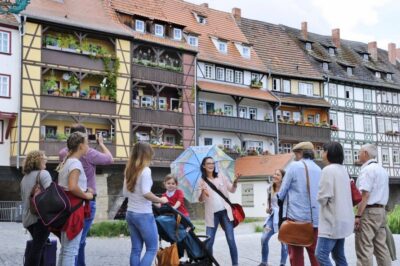
- Erfurt: Old Town Guided Walking Tour
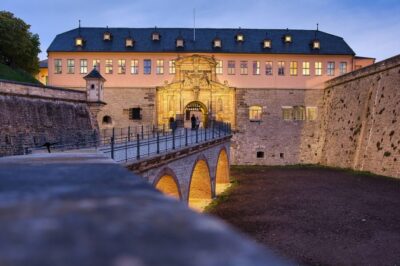
★ 4.7 · 1,617 reviews - Erfurt: Guided Tour of The Petersberg Citadel
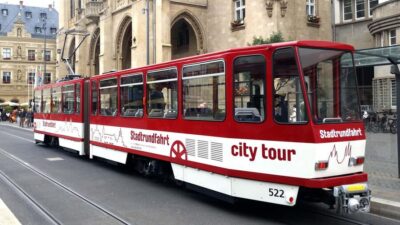
★ 4.8 · 674 reviews - Erfurt Tour – City tour with the historic tram
★ 4.8 · 503 reviews
Why Luther’s Erfurt years still land
Erfurt’s Augustinian monastery is often called the cradle of the Reformation, and the tour leans hard into that idea. Martin Luther lived here for six years, and the story includes how he found his great love in this setting. That matters, because you’re not just hearing a headline, you’re being pointed toward physical locations connected to turning points.
What really makes this experience click is how the guide connects eras. This monastery is linked to German and wider European history for centuries, with references that range beyond Luther to famous names like Otto von Bismarck, Friedrich Schinkel, Johann Sebastian Bach, and even Pope Benedict XVI. You get the feeling that one site can hold multiple layers of meaning, depending on what era you’re standing in.
The tour also hints at monastic life in a very human way. The monastery setting is tied to the idea that Augustinian monks learned to keep their mouths shut, meaning silence and discipline were part of daily existence. Even if you don’t know the religious details, you’ll understand the culture because the spaces and pacing push you toward quiet listening.
Your 9:00 PM plan: how the tour moves through the monastery
The schedule is seasonal, running from May 1 to September 30 at 9:00 PM, and the tour is 1.5 hours. That’s late enough to feel like an evening event, but not so late that you lose the rest of your night. It also means you’re likely pairing it with dinner beforehand, then walking off the meal with something interesting that doesn’t require a long transit plan.
Here’s what you’ll experience across the monastery, in the order the guide leads you through key areas:
Cloister, the quiet backbone of the complex
The cloister is the kind of space that instantly changes your pace. Candlelight makes corridors and arches feel more intimate, and the enclosed layout helps you hear the guide without having to shout across an open courtyard.
I like that this stop sets the tone early. It’s where the monastery feels most “lived-in,” even though you’re visiting centuries later. If the weather outside is wet, this is still a comfortable introduction because you’re inside and moving between sheltered areas.
Augustinian Church, where the setting becomes emotional
Then you step into the Augustinian Church. Even if you’re not an architecture fanatic, church interiors tend to do something physical: they slow you down. Candlelight can make religious art and stone details feel sharper, while also keeping the mood respectful and not overly bright.
A practical note: churches can be cool, especially at night. Bring something light you can layer, because being comfortable helps you focus on the story.
Onward connections from Erfurt:




Chapter house, monastic meetings in stone
From there, you’ll move into the chapter house. This is one of those spaces that signals governance and routine. It’s where decisions and instruction would have happened, so it’s a natural link to the Reformation story since the guide is explaining ideas that changed rules, beliefs, and institutions.
If you like learning that feels connected to place, you’ll enjoy this. You’re not just hearing about theology, you’re being pointed to the rooms where systems were managed.
Renaissance courtyard, a contrast inside the same walls
One of the more interesting shifts on this kind of tour is when you get a Renaissance courtyard within a much older monastery. The contrast helps you see the site as a living institution that changed over time, not a frozen snapshot.
I like stops like this because they remind you the complex wasn’t only about one century. Over time, people adapted and expanded, and you can feel that in the spaces.
Inside the Luther Gate and Luther cell
The Luther Gate and the Luther cell are the anchors for anyone who came to Erfurt for the Luther story. These stops are where you move from general Reformation context into specific, place-based meaning.
Luther lived here for six years, and the tour’s framing connects that time to his personal life as well as his public influence. The monastery is presented as a place where important events happened, not just a backdrop for famous names. When you’re standing near spaces tied to his daily life, the story becomes more concrete and less abstract.
The Luther cell is especially powerful because it helps you picture study and routine. Even without knowing every detail of the Reformation, you can sense how a small, controlled room could shape big ideas. And since the tour is candlelit, the cell can feel unusually close, like history isn’t far away.
The Frust und Freiheit exhibition, and why it’s worth your attention
Midway through the tour flow, you’ll also visit the Frust und Freiheit exhibition. The name alone suggests an angle on frustration and freedom, and that theme fits the bigger context the guide is building.
This is a good spot if you want a bridge between what you see in the rooms and what the story means in broader terms. Exhibitions usually help translate complicated historical shifts into something you can follow without a textbook in your hand.
I also appreciate that the tour doesn’t lock you into one perspective. It ties the monastery’s story to major historical figures and turning points, including references to Pope Benedict XVI. That gives you a larger frame for why this monastery has remained relevant long after Luther’s lifetime.
Rain-proof evening touring, plus where you’ll rest
One of the smartest design choices here is that the tour takes place even in poor weather. Most of it is inside historic buildings, so rain is less of a deal-breaker than it would be for a walking-only tour.
Also, there are places to sit in between. That sounds minor, but it matters on a nighttime schedule. It keeps the experience from turning into a long shuffle in damp weather, and it helps you actually listen instead of just surviving the cold.
If you’re someone who hates being stuck without options, you’ll likely appreciate this setup. The tour gives you both movement and pauses, and the building layout supports it.
Price and value: is $18 a good deal?
At $18 per person for a 1.5-hour guided tour, this is priced like a focused evening experience rather than a half-day commitment. For the money, you’re paying for entry to a major historic site plus a candlelight-guided narrative, and you’re also getting a included nightcap. That combination makes the cost easier to justify if you care about atmosphere, not just photos.
The added value is that it’s scheduled for 9:00 PM. Many Erfurt sightseeing activities are daytime-heavy, so this gives you a different kind of experience on the same trip. You’re also told you skip the ticket line, which can save time when you’re trying to fit things into an evening plan.
If you want a “quick hit” of major history without committing to all day, $18 feels fair. If you only want outdoor walking and you dislike candlelit settings or limited-language tours, you might want to compare alternatives.
Meeting point and language: how to make it smooth
You meet at the reception next to the church at Augustinerstr. 10. That makes it easier than meeting in a vague plaza or having to hunt for a booth. Arrive a little early so you can settle in before the group starts moving through the monastery.
The tour guide speaks German. Live guides are always better than audio because they adjust to the room and the pace, but language still matters. If you’re not comfortable with German, you’ll still be able to enjoy the atmosphere and the structure, but you’ll get more out of it if you can catch key words.
Who this candlelight monastery tour suits best
This tour fits best if you want an evening activity with a strong sense of place. It’s ideal for history lovers who like stories tied to real rooms, not just general timelines. It also suits travelers who appreciate atmosphere, because candlelight changes the emotional tone of historic spaces.
You might skip it if you strongly prefer self-guided museum time, or if German-only tours are a problem for your comfort. Also, if late-night plans are difficult for you, the 9:00 PM start can be a constraint.
On the upside, it’s only 1.5 hours. That’s a manageable length for most evenings, especially in a city like Erfurt where you can easily build the rest of your night around one anchored event.
Should you book it
Yes, I’d book this if you want a compact evening experience inside a major historic monastery, with candlelight, key Luther-linked stops, and a nightcap included. The rain-friendly design is a real advantage, and the pacing inside historic buildings plus seating makes it feel less stressful than many evening tours.
I’d say don’t book only if German is a deal-breaker for you or if you dislike late start times. Otherwise, this is the kind of tour where the setting does half the work, and the guide style helps the history land in a way that feels human.
FAQ
Where do I meet for the tour?
Meet at the reception next to the church at Augustinerstr. 10.
What time does the candlelight tour start?
It starts at 9:00 PM from May 1st to September 30th.
How long is the tour?
The tour lasts about 1.5 hours.
What is included in the price?
Entry and a guided tour of the monastery are included, with a candle and a nightcap.
Is the tour canceled if it rains?
No, the tour takes place even in poor weather. A large part is inside historic buildings.
What language is the tour in?
The live tour guide speaks German.
How much is it and is it worth it?
The price is $18 per person for a 1.5-hour guided entry with candlelight and a nightcap, plus skip-the-ticket-line access.
Can I cancel and get a refund?
You can cancel up to 24 hours in advance for a full refund.
Fresh on the arrivals board for Erfurt


Erfurt Tours & Activities, compared.

With Night Watchman Schwalbe through the Old Town, including tasting
Read our review →
Private Guided Classic Old Town E-Rickshaw Tour
Read our review →
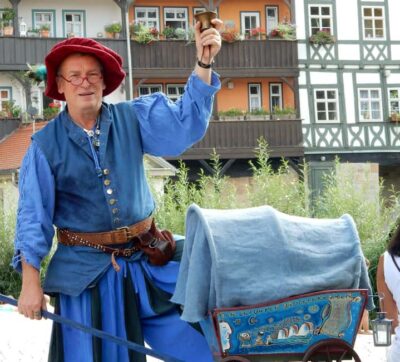
On the road with the Brückenkrämer. Tour with anniversary tasting.
Read our review →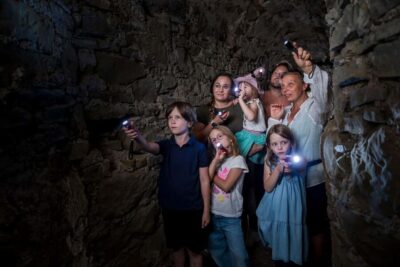
Browse the lists this tour appears in