
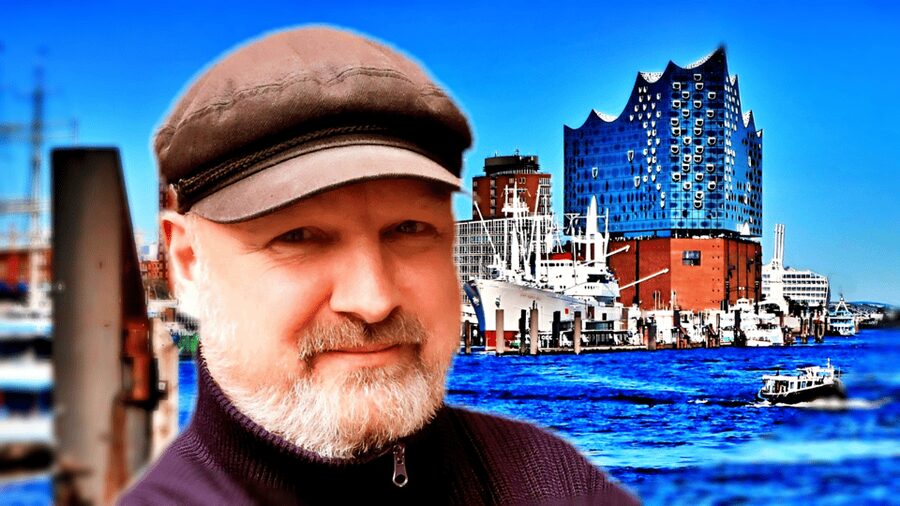
Reviewed · GUIDED WALKS IN HAMBURG
Die Kiez-Kapitän Hamburger Stadtführung & Speicherstadt Tour
Hamburg tells stories better on foot. This tour takes you from Jungfernstieg along the Alster, through key Hanseatic landmarks, and into the Speicherstadt and Elbphilharmonie area, with vivid plot points tied to major events. I especially love how the route connects everyday places, like bridges and port streets, to big turning points. I also like the guide style, with humor and lots of answering, so the time feels like it passes fast.
One thing to consider: the tour guide is German only, and the Elbphilharmonie concert hall itself is not part of the tour. If you want to actually go inside the hall, plan that separately after the walk.
In This Review
- Key highlights you’ll feel right away
- Entering Hamburg on foot, from Jungfernstieg to the port edge
- Jungfernstieg 58: the perfect starting line by the Alster
- Alster, town hall, and the spaces where Hamburg made decisions
- Civic Hamburg: Chamber of Commerce and Patriotic Society of 1765
- Trostbrücke and Laeiszhof: the small stops with big personality
- St Nikolai Memorial: where the wartime story hits closest
- Deichstraße to Speicherstadt: brick warehouses and port logic
- HafenCity and the Elbe port story, from Hans Albers to today
- Elbphilharmonie views: you won’t get the hall, but you get the setting
- Price and value: why $18 works for this route
- Who this tour suits best, and who might want another option
- Should you book the Die Kiez-Kapitän Hamburger Stadtführung & Speicherstadt Tour?
- FAQ
- Where do I meet the tour guide?
- How long is the tour?
- What language is the tour offered in?
- Is the Elbphilharmonie concert hall visit included?
- Can I cancel for a refund?
- Is the tour wheelchair accessible?
Key highlights you’ll feel right away
- 1200 years of Hamburg in one smooth walking route, focused between the Alster and the Elbphilharmonie
- Big UNESCO stop at Speicherstadt, built from brick and tied to port life
- Story stops that are not just plaques, including the Great Hamburg Fire of 1842 and the Great Hamburg Flood of 1962
- St. Nikolai Memorial, where wartime destruction becomes part of the route instead of a distant fact
- Elbphilharmonie views from the outside, plus the option to visit the Plaza after the tour
Entering Hamburg on foot, from Jungfernstieg to the port edge

This is one of those walks where you start with a classic city centerpiece and end at a modern spectacle, without feeling like you rushed through a checklist. You begin at Jungfernstieg 58, right by the water and next to Anleger Nr. 1 for the Alster boats, which makes the whole setting feel immediately like Hamburg. Within two hours, you get a guided sense of direction, plus stories that help you see why this city grew the way it did.
The price, about $18 per person for a two hour live guided tour, lands in the sweet spot for a concentrated introduction. You are paying for someone to connect architecture, ports, and disasters into one understandable narrative. If you have limited time and you want more than a casual stroll, this format makes a lot of sense.
The tour also has a calm pace. People describe it as informative and without stress, and in smaller groups you can often ask follow-ups. Just know that the stated time is two hours, but the guide can sometimes run a little longer if conversation stays lively.
More Guided Walks in Hamburg
- Hamburg: Guided Walking Tour for Magic Fans
★ 4.8 · 1,992 reviews - Reeperbahn Walking Tour with St. Pauli Local
★ 4.8 · 577 reviews - Hamburg: Speicherstadt Walking Tour with Coffee Tasting
★ 4.6 · 360 reviews
Jungfernstieg 58: the perfect starting line by the Alster
Your meeting point is Jungfernstieg 58, 20354 Hamburg. It is directly on the water at the Alster boat pier, Anleger Nr. 1, and it is also convenient to public transit, since the S and U-Bahn exits and buses are nearby.
Why that matters: when you start by water, you start with the geography that shaped the city. You are not beginning in a parking lot or far from the action. You are beginning where Hamburg shows off what it is proud of, the Alster as a focal point for the city.
Even early on, the guide sets the tone with stories and local details. These are the kinds of facts that make a city feel lived in, not just photographed.
Alster, town hall, and the spaces where Hamburg made decisions
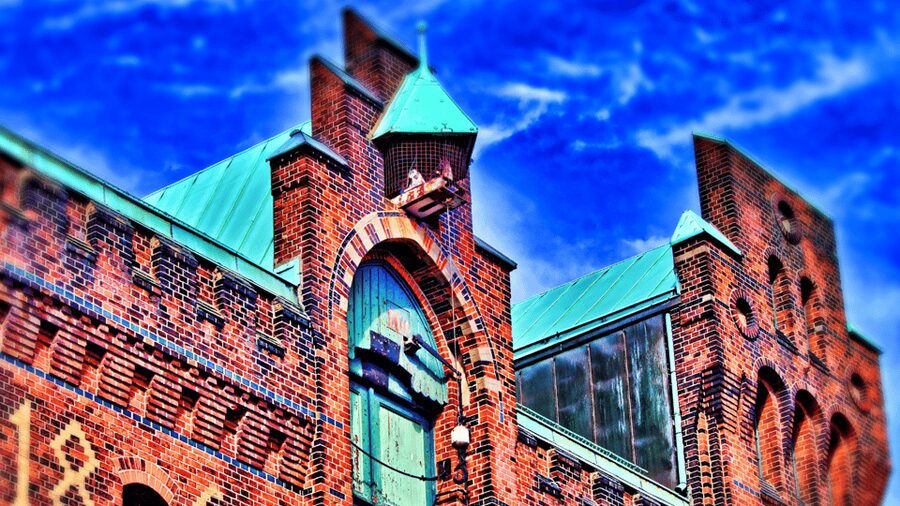
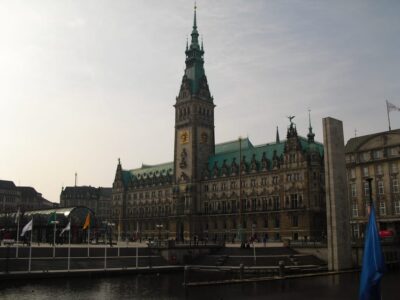
The route kicks into main-city history fast, with the Alster as your first anchor and then the Hamburg Townhall as a major stop. The guide uses these locations to explain the Hanseatic city mindset: trade, civic pride, and the practical need to organize power.
At the Townhall area, you are looking at the kind of architecture that signals authority and continuity. The tour framing helps you read it as more than an impressive facade. You learn how these civic buildings connect to the way Hamburg functioned as a trade powerhouse.
Then you move to another layer of the city’s commercial identity at the Hamburg Chamber of Commerce. This stop is especially valuable if you like understanding what drove the money and the planning behind the port and merchant quarters.
Civic Hamburg: Chamber of Commerce and Patriotic Society of 1765
From formal government to merchant organization, the tour weaves you through places that explain how a trading city maintained itself. The Hamburg Chamber of Commerce stop gives you context for why Hamburg could build and sustain a world-class port system. You are seeing the city’s commercial engine, not just its waterfront scenery.
Next comes the Patriotic Society of 1765. This is one of those stops that can feel obscure if you are reading guidebooks alone. On the tour, it becomes understandable because it is placed within the broader story of Hamburg’s civic and social organizations.
If you like moments that turn a random building into a meaningful chapter, this part works well. The guide also keeps it interactive, so if you have questions about how the city’s institutions evolved, you are not stuck waiting until the end.
Trostbrücke and Laeiszhof: the small stops with big personality
Between the major monuments, you pass through bridge and courtyard style spaces, including Trostbrücke and Laeiszhof. These are not only scenic transitions. They are also the places where the guide can share the kind of odd local details that make Hamburg memorable.
One example from the tour content: there is a story about a poodle on a roof. It sounds like a quick joke, but it reflects how the guide uses quirky specifics to make older neighborhoods feel human. If you tend to remember cities by their street-level details, this section is worth paying attention to.
The benefit for you is simple: when you notice the bridge, the walkway, and the courtyard feel, you build a mental map. That helps the later port areas make more sense, since you already understand the city’s layout and rhythm.
More German cities at walking speed:




St Nikolai Memorial: where the wartime story hits closest
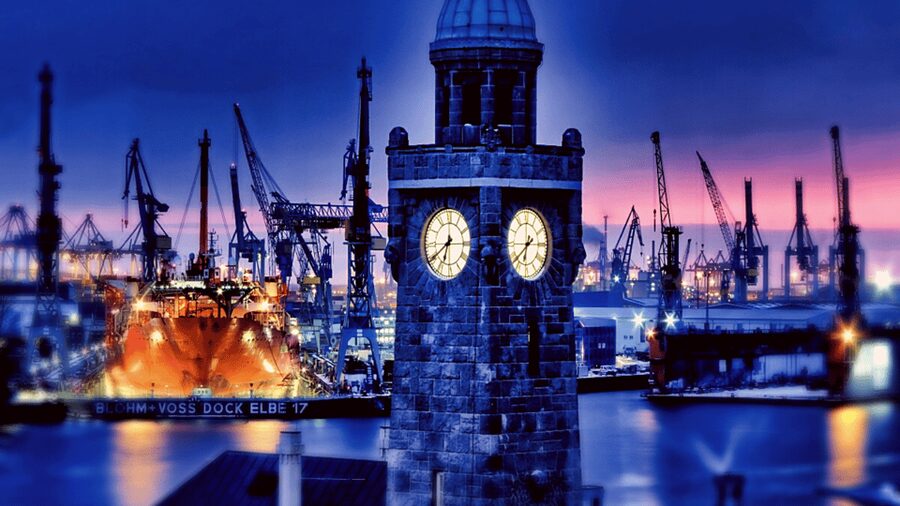
St. Nikolai Memorial is one of the strongest stops on this walk. You are learning about the destruction of Hamburg during the World War, and the guide handles it in a way that fits the route, not as a detached museum lesson.
This stop is important because it shows a different kind of history than trade and architecture. Hamburg is often introduced through its ports and brick buildings. Here, you also face loss, rebuilding, and the long shadow events cast over the city’s physical form.
If you prefer emotional impact with context, this is the part to slow down for. It can be heavy, so the pacing matters. The tour’s overall structure makes it feel like part of the story, not a hard reset.
Deichstraße to Speicherstadt: brick warehouses and port logic

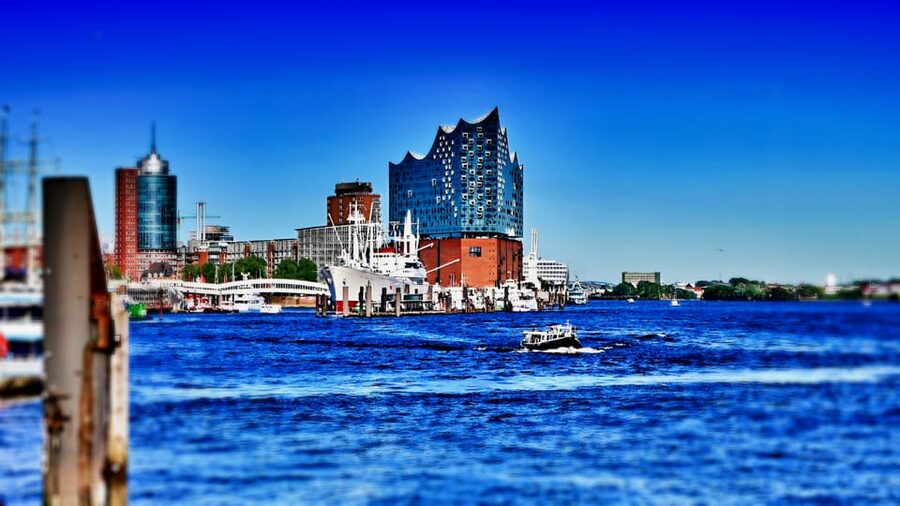
Next you move onto Deichstraße, then into the Speicherstadt. This is where the tour becomes very visual. Speicherstadt is a UNESCO World Heritage Site, and the focus on the brickstone warehouses along the Elbe helps you understand why this area looks the way it does.
The guide’s stories here connect construction, trade, and risk. You hear about major disasters that shaped the city, including the Great Hamburg Flood of 1962 and, earlier in the tour’s storytelling, the Great Hamburg Fire of 1842. With these events in mind, the brick and the planning stop feeling random.
This section is also one of the best for photography and for learning to look. Instead of only taking pictures, you start to notice how the warehouses create order along waterways, and how the city’s relationship with water drives the whole design.
A small practical note for you: wear shoes that handle uneven sidewalks. This part of the route is where you will likely take longer looks, because the architecture rewards it.
HafenCity and the Elbe port story, from Hans Albers to today
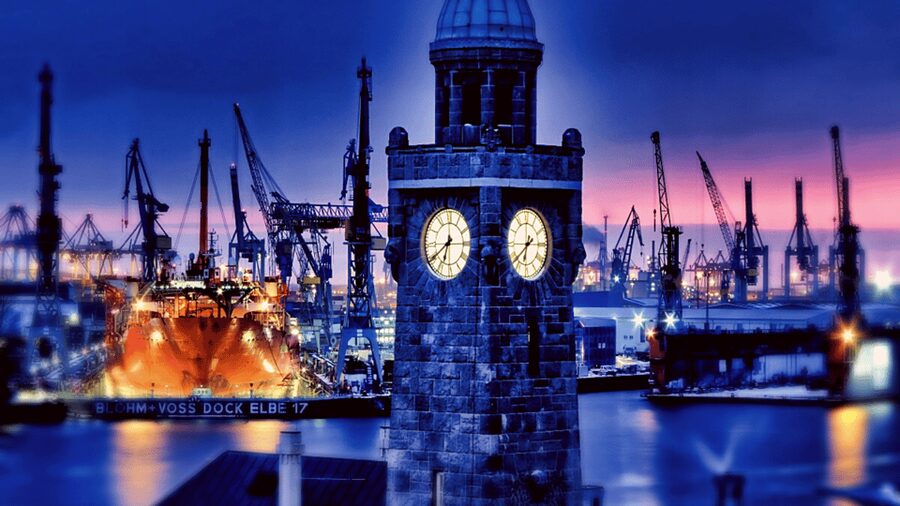
After Speicherstadt, the tour heads toward HafenCity and the Elbe. HafenCity shifts the mood, showing how Hamburg is expanding and reworking waterfront space for modern life. The guide uses the contrast to explain continuity, old port logic meeting newer planning.
You also get a seafaring story thread tied to Hans Albers and the idea of old and new ports on the Elbe. Even if you do not know the name before the tour, the way it is used helps you understand how popular culture and maritime identity become part of the city’s branding and memory.
This is another place where the guide style matters. Instead of treating Hafencity as a clean, modern backdrop, you get it placed within Hamburg’s broader maritime story.
Elbphilharmonie views: you won’t get the hall, but you get the setting
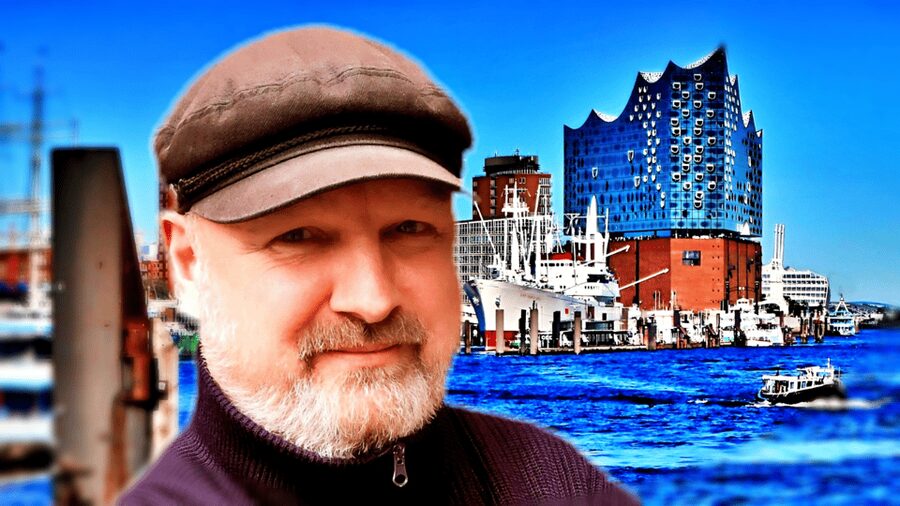
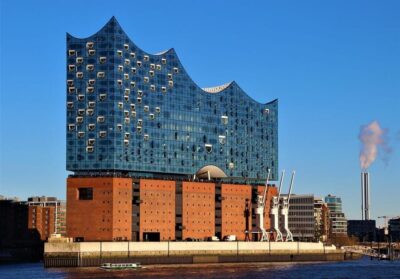
The tour ends near the Elbphilharmonie area and finishes at Am Sandtorkai 68. You get wonderful views to the new Elbphilharmonic Orchestra House, which is a big payoff for the effort of walking here.
Important reality check: a visit to the Elbphilharmonie is not included in the city tour. That said, after the tour you can visit the Elbphilharmonie Plaza. Tickets for the Plaza are available for free at the entrance, and entrance costs may apply for larger groups.
So what should you do? If you want a quick skyline moment and the architecture from the Plaza, this fits well. If you want to attend a concert inside the hall, you will need to plan that separately, since the tour is focused on the walk and the viewpoints.
Price and value: why $18 works for this route
For about $18 per person, you are buying three things: guidance, context, and a tight route. The two-hour duration is ideal if you want an orientation that covers major districts without spending half your day in transit.
Here’s what makes the value feel real:
- You start in a central, walk-friendly place by the water and finish in the port zone where you can keep exploring.
- You get a narrative that connects fires, floods, and war damage to the city’s physical spaces.
- You get a live guide who keeps it moving but still answers questions. One booking notes that even when the tour is set for two hours, the guide may add extra time when the conversation stays strong.
If you only want to see one neighborhood, this might feel like too much walking. But if you want a balanced intro to Hamburg’s waterfront identity, it is a solid use of time.
Who this tour suits best, and who might want another option
This tour is a strong match if you:
- want a guided introduction to Hamburg’s Hanseatic past and port present
- like learning with stories that connect landmarks to events like 1842 fire, 1962 flood, and wartime destruction
- appreciate humor and small details, like the story about the poodle on the roof
It is less ideal if you:
- do not speak German, since the live tour guide is German only
- specifically want to enter the Elbphilharmonie concert hall, since that visit is not included
Should you book the Die Kiez-Kapitän Hamburger Stadtführung & Speicherstadt Tour?
I think you should book this if your goal is a time-smart, story-rich walk that links Hamburg’s core waterfront areas. The route from the Alster to Speicherstadt and the Elbphilharmonie area is a great arc, and the guide’s mix of major events and small local details makes the city feel easier to grasp.
Skip it only if language is a problem or if you truly need the concert hall visit as part of the package. Otherwise, $18 for a two-hour live walk that leaves you with a clear sense of where everything fits is a very reasonable deal.
FAQ
Where do I meet the tour guide?
The meeting point is Jungfernstieg 58, 20354 Hamburg, right at the water by Anleger Nr. 1 for the Alster boats.
How long is the tour?
The tour lasts 2 hours.
What language is the tour offered in?
The live tour guide speaks German.
Is the Elbphilharmonie concert hall visit included?
No. The tour includes views and you can visit the Elbphilharmonie Plaza after the tour, but a visit to the concert hall is not included.
Can I cancel for a refund?
Yes. Free cancellation is available up to 24 hours in advance for a full refund.
Is the tour wheelchair accessible?
Yes, the tour is wheelchair accessible.
Fresh on the arrivals board for Hamburg

Guided Walks in Hamburg, compared.





Browse the lists this tour appears in