
Reviewed · CITY TOURS
Chemnitz city tour
Chemnitz surprises you by how personal its streets feel. In 90 minutes, I love how the tour connects industry, politics, and everyday neighborhoods, and I also love the clear focus on Karl Marx’s presence and the city’s industrial culture. The main thing to keep in mind is that it is a tight loop, so if you want deep, stop-by-stop museum time, you will feel a little rushed.
This is the kind of tour that helps you get your bearings fast in a place that is still reinventing itself. You will ride in a minibus for up to 8 people with a certified local guide, then hop out to see key areas like the Gründerzeit streets on Kaßberg and the GDR-era Heckert housing landscape. If the weather is messy or you dislike walking short stretches between viewpoints, plan for quick, practical transitions.
In This Review
- Key highlights I’d prioritize
- Getting started in Chemnitz’s center, the easy way
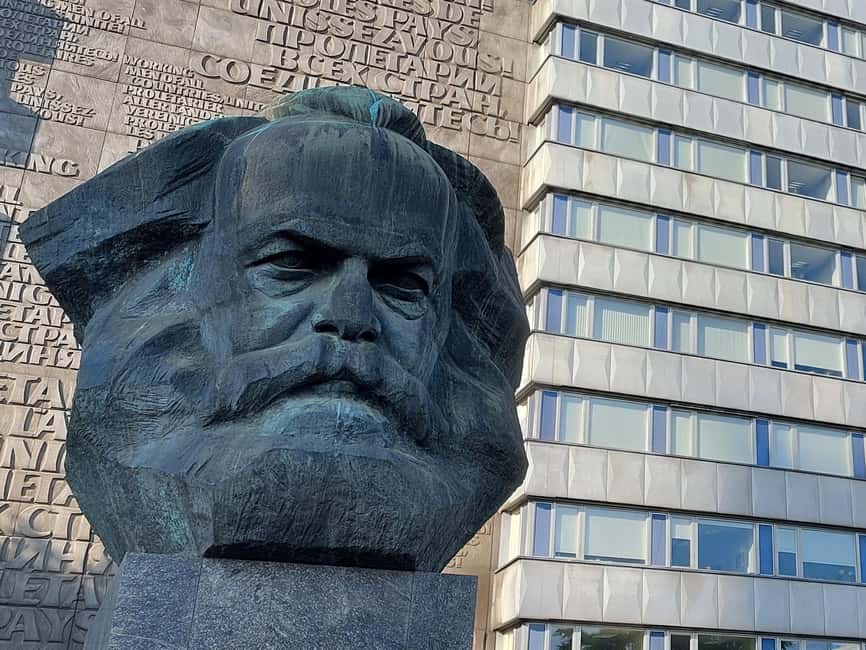
- Karl Marx head and the question of identity in the city
- The industrial story between Zwickauer Straße and Annaberger Straße
- Kaßberg and the Gründerzeit district, growth you can see
- Heckert GDR residential area, life after the turning point
- The castle district, older roots under the factory years
- What makes this tour worth the time: guide talent and small group pace
- Duration and route style: how to get the most from 90 minutes
- Price and value: $188 per group up to 8
- Who this Chemnitz city tour suits best
- Should you book it?
- FAQ
- How long is the Chemnitz city tour?
- What is the price for the tour?
- Where can we start the tour?
- Where does the tour end?
- Is there a live guide, and what languages are offered?
- What is included in the tour?
- Can I book for a private or small group?
- Is it flexible if my plans change?
Key highlights I’d prioritize
- Karl Marx head in the city center, a blunt symbol that frames the story of Chemnitz’s changing names and identity
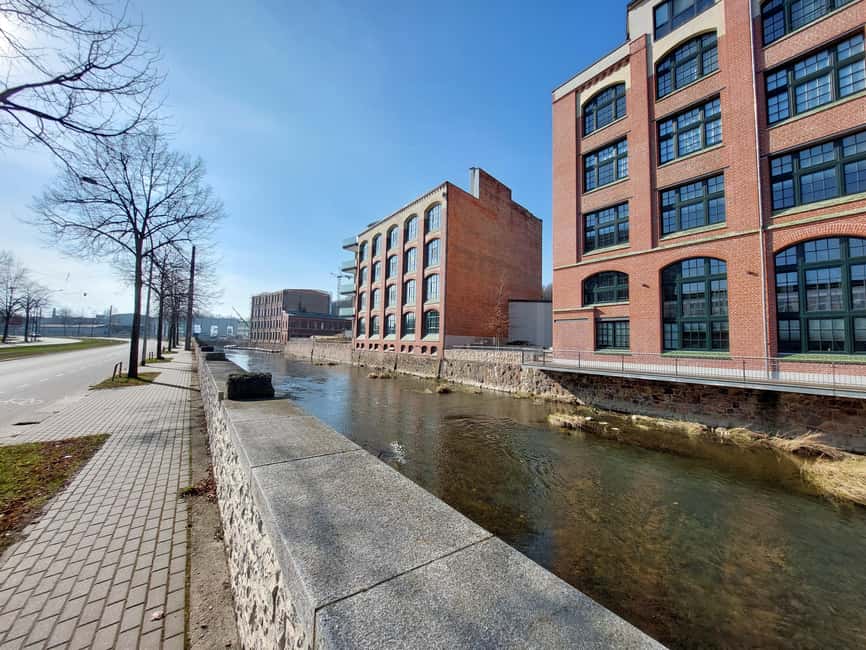
- Industrial culture between Zwickauer Straße and Annaberger Straße, where textiles, machines, and mining shaped the city
- Gründerzeit district on Kaßberg, a look at the late 1800s growth spurt in building and urban style
- Heckert GDR residential area, a living snapshot of what housing and life looked like in the former East Germany
- Castle district origins, a reminder that Chemnitz was not born as an industrial factory city
Getting started in Chemnitz’s center, the easy way
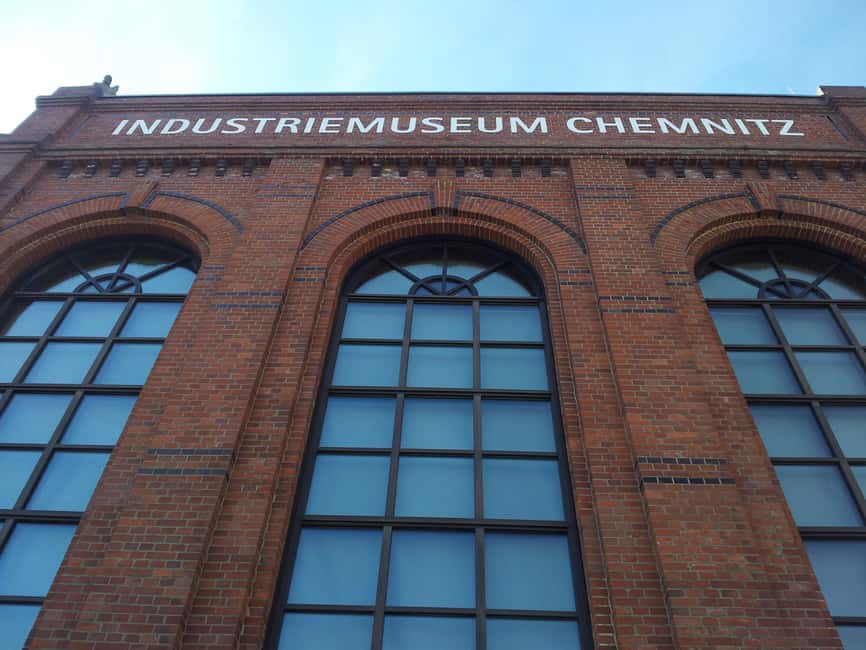
You can begin this tour either at Hotel Chemnitzer Hof or at Straße der Nationen, and you’ll return for drop-off at Straße der Nationen or back at Hotel Chemnitzer Hof. That simple setup matters, because Chemnitz is spread out enough that a minibus tour saves you time and helps you understand the city as a system, not just a few scattered sights.
The format is built for short attention and real street context. You’re in a minibus for up to 8 people, with a local certified guide speaking German and English. The duration is 90 minutes, so the pace is intentional: you will see multiple eras without turning it into a marathon.
Karl Marx head and the question of identity in the city
A stop at the Karl Marx head in the center is not just photo time. It is a fast way into Chemnitz’s core tension: this city is proud of its industrial grit, but it also has to live with the symbols of political history.
On this tour, you will hear how Chemnitz grew into one of the richest industrial cities in Germany about 130 years ago. It earned nicknames tied to modern industry, including Manchester of Saxony, and the story connects directly to why the city later adopted the name Karl-Marx-Stadt and then returned to Chemnitz. Standing near a monument like this, the history stops being abstract.
Here’s the practical payoff for you: you will start reading the streets differently. Instead of treating buildings as background, you’ll connect them to production, labor, wealth, and the later political reshuffling that followed World War II.
The industrial story between Zwickauer Straße and Annaberger Straße
One of the tour’s strongest strengths is how it keeps the industrial theme grounded in real geography. You spend time in the area between Zwickauer Straße and Annaberger Straße, which helps you understand how Chemnitz’s manufacturing power wasn’t confined to one landmark.
Chemnitz’s industrial rise had specific drivers, not just general “factory age” vibes. The bleaching monopoly for linen in Saxony and the proximity to mining in the Ore Mountains helped early growth. Then the technology leap from spinning and steam power turned that growth into something explosive, with factories producing textiles, locomotives, bicycles, and cars.
You will also get the sobering side of the ledger. After the war, the same industrial strength that built fortunes helped set up a harder landing. The tour frames the transition from a booming industrial era to a period of decline linked to war and the Wende, and that is where the city’s present mood makes sense.
If you love cities where industry is still visible, this is your moment. You will see enough industrial culture to understand why locals talk about their “soul” in terms of work, change, and survival.
Kaßberg and the Gründerzeit district, growth you can see
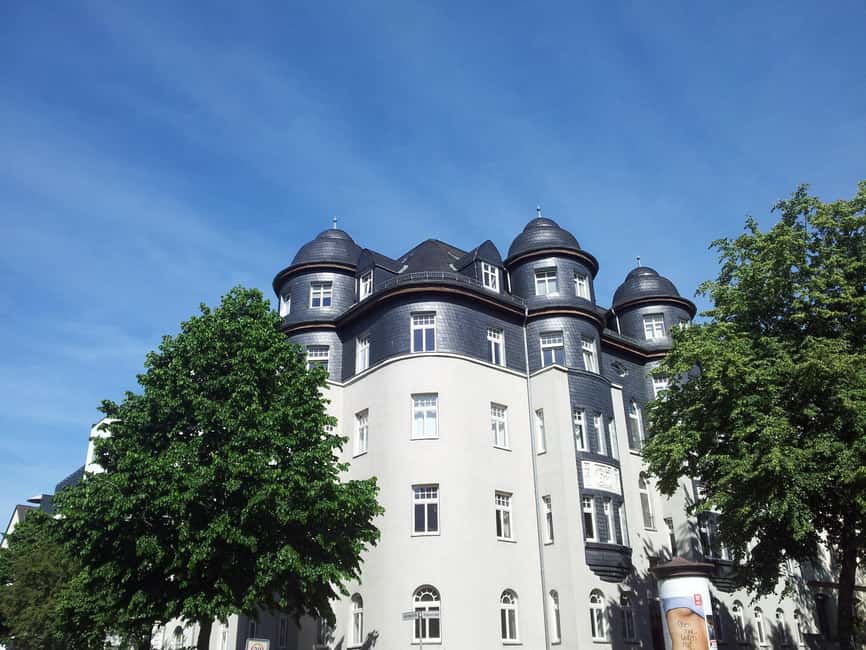
The Gründerzeit district on Kaßberg gives you a different lens than the industrial belt. This is where the city’s late 1800s expansion shows up in the look and feel of the neighborhood, shaped by the building boom that followed rapid industrial wealth.
Gründerzeit is a German term you can take literally as an era of founders and rapid growth. On the tour, that idea helps explain why Chemnitz feels like it has layers, not just one style. You get a sense of how money and population increase shaped streets, blocks, and the urban fabric, not just factories.
The practical benefit for you is simple: once you understand what the Gründerzeit growth wave means, you can walk around Chemnitz later and recognize patterns. You will likely spot the difference between “industrial backbone” areas and “city-building” neighborhoods.
Heckert GDR residential area, life after the turning point
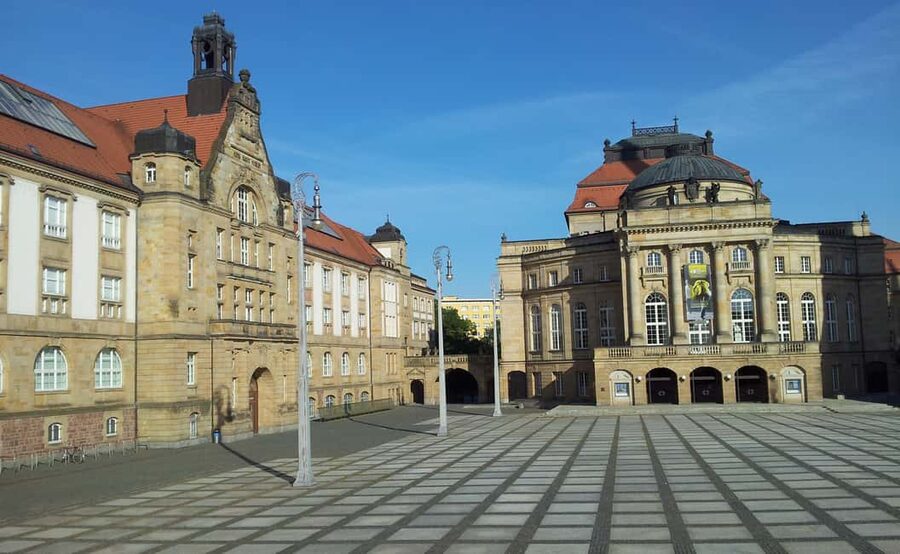
The Heckert GDR residential area brings the story into the era many visitors only know from textbooks. Instead of treating the GDR period as a black-and-white chapter, the tour helps you see housing and everyday life as part of the city’s ongoing identity.
This section matters because Chemnitz is not just a monument to the industrial past. It also reflects the social and housing reality of the East German period, followed by the major changes after reunification. In plain terms, you see how the city adapted, and how that adaptation shaped where people lived and how the city functioned.
The guide’s explanations make a difference here. In the feedback I looked at, people praised the way the guide connects industry and later decline, and how that connection helps explain the city’s current character. For you, the takeaway is that the GDR housing landscape is not a side topic. It is part of why Chemnitz feels like it is searching for its identity, yet still offers creative room and continues to thrive.
The castle district, older roots under the factory years
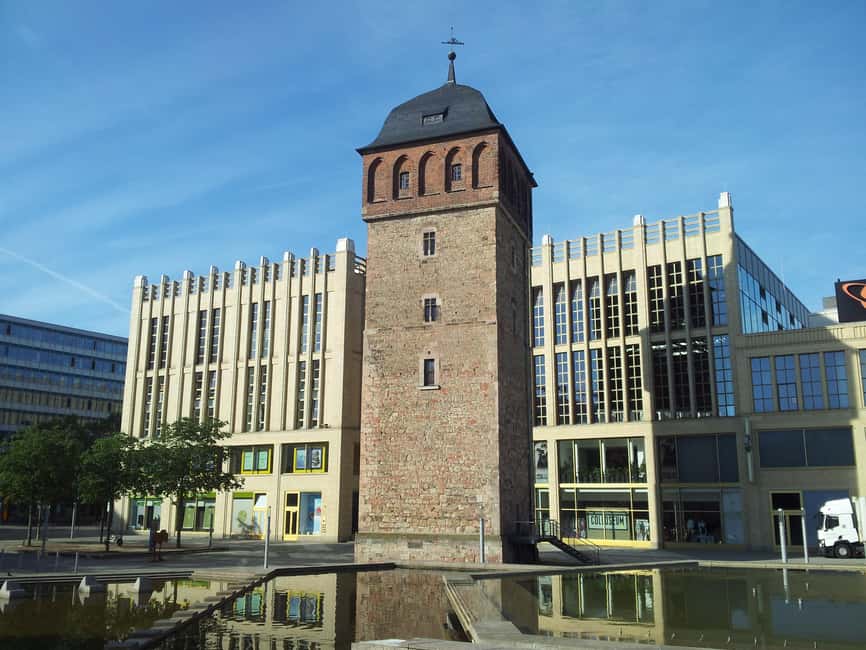
You’ll also spend time in the castle district, described as connected to the modern center of Chemnitz. This is a key counterweight to the industrial narrative.
The city’s story begins earlier than factories. Long before smoke stacks and machine production, there was a Slavic settlement that grew. The castle district helps you place Chemnitz on a timeline: modern industry may dominate the reputation, but the urban core has older origins.
For you, this section is useful because it keeps the story from becoming a straight line. Chemnitz did not just spring up as a production machine. The industrial era was a fast chapter layered onto existing roots.
What makes this tour worth the time: guide talent and small group pace
The tour’s value is not only in what you see, it is in how it is explained. The guide, Pedro Öhme (often introduced simply as Herr Oehme), comes through in the feedback as both friendly and solid on detail. That mix is important on a history-heavy city tour. You want clarity, not a lecture.
The small group size also helps. With up to 8 people, you get a better chance to ask questions and to hear explanations clearly, especially when the tour is moving through different neighborhoods and time periods.
Another big plus is the “two languages, one story” approach. With German and English live guiding, you are less likely to lose context when the discussion turns from architecture to labor history to the post-war shift.
Duration and route style: how to get the most from 90 minutes
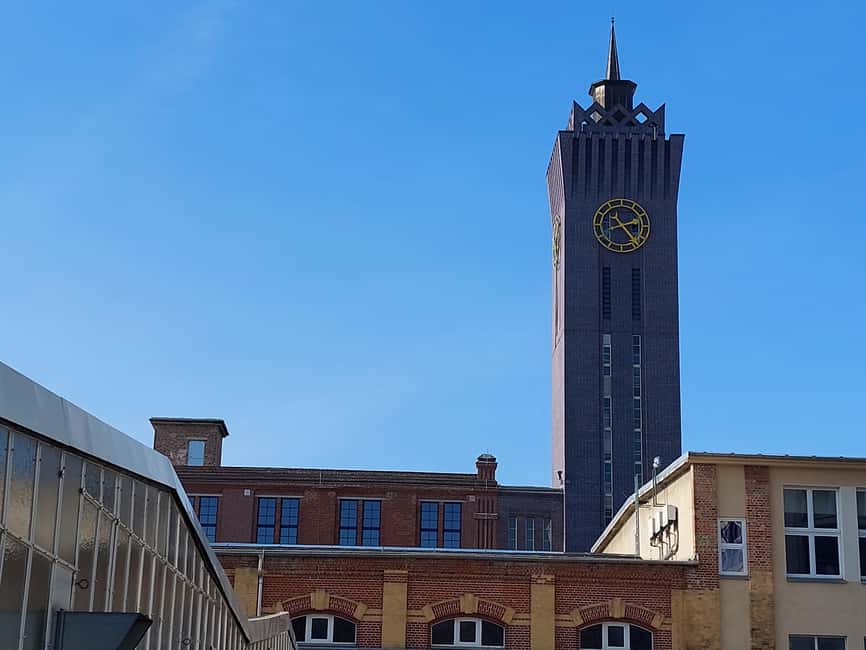
Ninety minutes sounds short, but it works because the tour is built around key areas: center symbolism, industrial culture, Kaßberg growth fabric, Heckert GDR housing, and the castle district roots. The route doesn’t try to cover everything. Instead, it helps you understand what to look for after the tour.
Here’s how I suggest you use the time. When you arrive at each neighborhood, focus on three things the guide highlights: how the area looks, what kind of life it supported, and what historical shift pushed it into its current form. If you do that, you will walk away with a mental map, not just a stack of dates.
Wear comfortable shoes for short transitions. You are in a city, and even with minibus stops, you will spend moments walking between viewpoints. Also, if you care about photos, keep your camera handy. Karl Marx head in the center is a quick anchor, and the contrast between industrial and residential areas is what makes the pictures meaningful.
Price and value: $188 per group up to 8
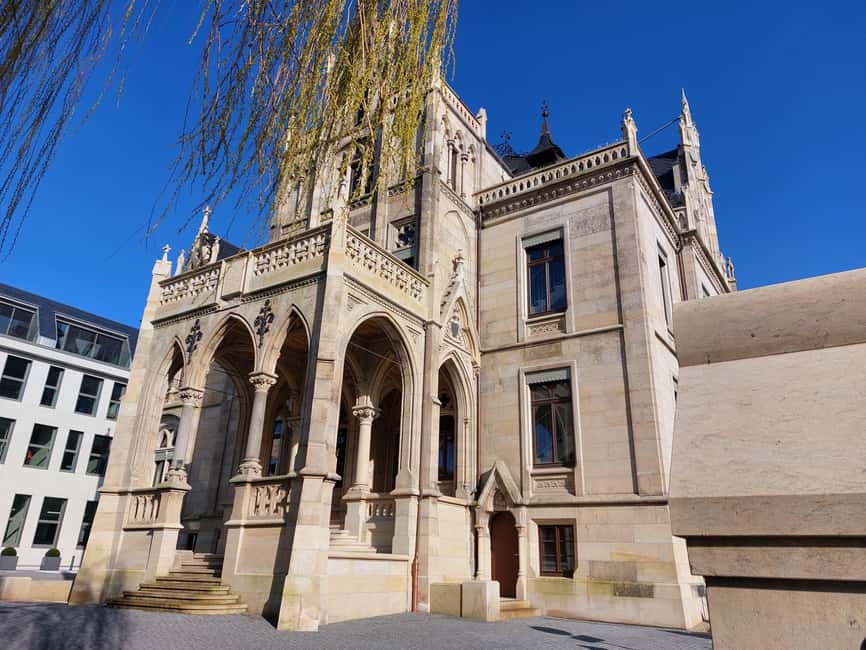
The price is $188 per group up to 8 people for a 90-minute minibus tour with a local certified guide. That can sound steep if you compare it to a single-person walking tour. But you’re paying for transport plus guided interpretation across multiple neighborhoods in a short time.
If you divide it among a small group, the value gets real fast. Four people pay less per person, and up to 8 people turns it into a budget-friendly way to cover more than you could easily do on your own in the same time window.
Also, you’re not just seeing places. You are getting a guided explanation of why Chemnitz became the Manchester of Saxony, how the textile and mining advantages helped fuel growth, and what happened after war and reunification. That kind of context is the difference between looking at streets and actually understanding them.
Who this Chemnitz city tour suits best
This is a great fit if you:
- want a fast orientation in Chemnitz’s different eras
- care about industry, urban development, and what shaped daily life
- prefer a small-group format with a guide who can explain clearly in English or German
You might want to choose something else if you only want one narrow topic, like just architecture, or if you are hoping for long museum-style stops. This tour is meant to connect dots quickly.
One more useful angle: if Chemnitz’s identity as a work-in-progress interests you, the tour’s framing is exactly that. With the city’s cultural momentum tied to its Capital of Culture in 2025 status, the story feels current, not dusty.
Should you book it?
Yes, I’d book this if you want a guided “why” tour of Chemnitz. The strongest reasons are the practical coverage of multiple neighborhoods in 90 minutes and the emphasis on how industry and political change shaped the city’s streets, from the Karl Marx head symbolism to Heckert housing and back to the older castle district roots.
I’d skip it only if you want lots of time to wander on your own or if you dislike city walking between minibus stops. Otherwise, this is a smart way to get your bearings and leave with a clear, human sense of Chemnitz.
FAQ
How long is the Chemnitz city tour?
The tour lasts 90 minutes.
What is the price for the tour?
The price is $188 per group, up to 8 people.
Where can we start the tour?
You can choose one of two starting locations: Hotel Chemnitzer Hof or Straße der Nationen. Meeting point can vary depending on the option booked.
Where does the tour end?
Drop-off is at either Straße der Nationen or Hotel Chemnitzer Hof.
Is there a live guide, and what languages are offered?
Yes, the tour includes a live tour guide. Languages offered are German and English.
What is included in the tour?
You get a 90-minute city tour in a minibus for up to 8 people, plus guidance by a local certified tour guide.
Can I book for a private or small group?
Yes, private or small groups are available.
Is it flexible if my plans change?
Free cancellation is available up to 24 hours in advance for a full refund. You can also use reserve now and pay later to keep plans flexible.
City Tours, compared.
1-Hour City Tour by Boat with Guaranteed Seating
Read our review →
Berlin City walk Government District and Places of Democracy
Read our review →
City History Canal Sightseeing Tour on a Motorboat
Read our review →
Browse the lists this tour appears in