
Reviewed · BREMEN TOURS & ACTIVITIES
Bremen: Underworld Tour with the Cellar of the Theatre
Bremen hides secrets under your feet. This 2-hour Ostertorwache prison stop turns Bremen from a postcard city into a place you can almost feel closing in.
I also really like the visit to the former synagogue cellar that was destroyed during the Nazi period in 1938 and is preserved today as a memorial site.
One drawback to plan for: the tour is more about old buildings, vaults, and basement spaces than about one continuous underground tunnel.
In This Review
- Key things to know before you go
- Finding Passage Bischofsnadel and starting the underworld walk
- Ostertorwache prison cells: what it feels like to step into confinement
- The synagogue cellar memorial tied to 1938
- Bunkers and art: how survival shapes later uses
- Under Theater Bremen: Kulissenkeller corridors and machine rooms
- How the tour is paced, and who will love it most
- Price and value: is $18 worth your time in Bremen?
- Logistics that can make or break the experience
- Should you book the Bremen Underworld Tour with the Cellar of the Theatre?
- FAQ
- How long is the Bremen Underworld tour?
- What is the price per person?
- Where do I meet the guide?
- What language is the tour in?
- What’s included in the ticket?
- Is pick-up or drop-off included?
- What if a site is closed on the day?
- Can I cancel for a refund?
- Is there a reserve now, pay later option?
Key things to know before you go
- Ostertorwache cells: you’ll descend into the older prison spaces, including the section for women described as impure cells.
- Synagogue cellar memorial: the story of 1938 destruction is tied directly to what you see underground now.
- Theater Bremen Kulissenkeller: big highlight, with backstage spaces and corridors under the stage area.
- The tour is German-led: the guide gives live commentary throughout the 2 hours.
- A short, focused format: multiple underground stops without taking over your whole day.
- Expect cellars in different buildings: the underworld feeling comes from going through several sites, not one single maze.
Finding Passage Bischofsnadel and starting the underworld walk
You meet at the waterside of Passage Bischofsnadel, between the tunnel and the sculpture Das Ende. It’s a very Bremen detail, right on the water, and it helps you shift mindset fast, from street-level Bremen to what’s below.
The guide wears a bag with the red and white StattReisen-Bremen footprints, so you can spot them even if you’re arriving a few minutes early and scanning the area. This matters because underground tours depend on moving as a group, and the meeting point is your first “anchor” before stairs, doors, and lower ceilings take over.
Since there is no pick-up or drop-off included, you’ll want to arrive on your own and give yourself a little buffer. Also, plan for a program that could adjust due to organization constraints, with alternative locations available if something is closed.
Also holding a platform in Bremen
- Bremen: Walking Tour in German with Night Guard
★ 4.7 · 2,922 reviews - Bremen: City Center Guided Walking Tour
★ 4.5 · 2,709 reviews - Bremen: Underground Guided Tour
★ 4.1 · 1,408 reviews
Ostertorwache prison cells: what it feels like to step into confinement
The tour’s mood shifts when you head toward Ostertorwache, the older prison. This is the kind of stop that changes how you look at a city. Instead of thinking of “history” as a date in a book, you’re standing in a functional space that was designed for control.
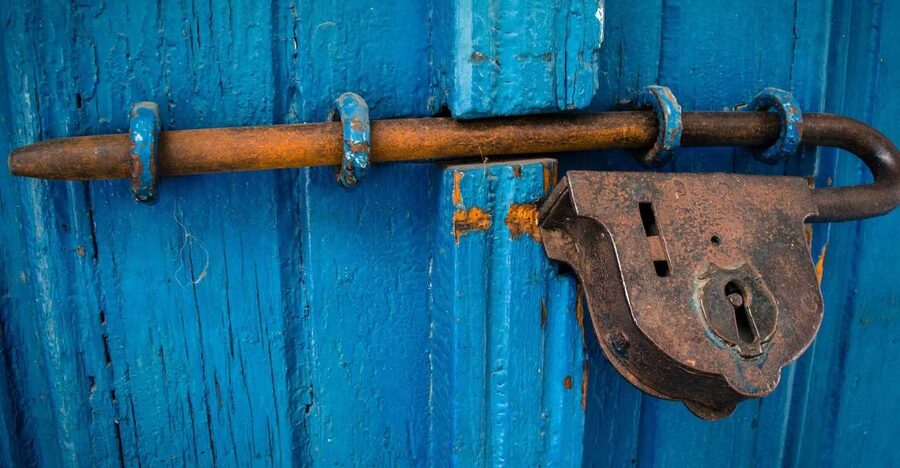
What I like here is the way the guide frames the underground setting as part of the system, not as spooky decoration. You’re not just looking at walls. You’re walking into the oppressive logic of the cells themselves, including the section referred to as Cells for Impure Women.
A balanced way to approach this: if you want a tour that is only dramatic spectacle, this might feel heavy and quiet. That can be a drawback for some people. But if you like understanding how everyday architecture shaped real lives, this prison segment delivers.
Practical note: prison and cellar spaces often mean tight corners and stairs. I’d wear shoes that work well on uneven stone or steps, because your attention will be split between walking safely and listening to the guide’s explanation.
The synagogue cellar memorial tied to 1938
Next comes one of the most meaningful stops on the route, the cellar of the former synagogue. It was burnt down by the Nazis in 1938, and today its cellar is a memorial site.
I like this stop because it’s direct. The story isn’t floating above your head as talk. It’s anchored in the specific underground remains tied to that event. You’re learning how the site survives in a different form, and how Bremen chose to preserve a place of destruction as a place of remembrance.
This is also where the tour’s structure makes sense. By moving from the prison atmosphere to the synagogue memorial, you get a clearer picture of how persecution and punishment showed up in real spaces across the city.
If you already know a lot about Jewish history and you’ve seen other synagogue remnants or memorial spaces, you might not feel the same shock in the early portions. One review described the early segments as mostly old cellars and vaults. That expectation is worth considering. Still, the memorial focus keeps this stop from feeling like a casual basement visit.
Bunkers and art: how survival shapes later uses
Between the heavier memorial and prison elements, the tour includes a stop centered on a bunker that became an art venue. Even without getting lost in technical details, the value here is strong: it shows how cities reuse hard infrastructure.
You learn to read Bremen differently. Not as a single era, but as layers that kept changing purpose. A bunker becomes a venue. A space built for fear becomes a space for culture. That kind of transformation is not just interesting. It’s a practical way to understand how European cities evolved after the darkest chapters.
This portion can be a nice rhythm change. If the prison cells felt intense, an art-venue related stop can give you a mental breather while keeping you in the underworld theme.
Under Theater Bremen: Kulissenkeller corridors and machine rooms
Now for the part that tends to steal the show: the gigantic cellar of the theater called the Kulissenkeller, part of Theater Bremen.
This is the segment I’d aim your attention toward, especially if you came expecting a full-on underground maze. Reviews highlight that the tour can create slightly wrong expectations. It’s not one continuous tunnel. Instead, it’s cellars and basement areas across different buildings. The theater basement is where that scattered structure suddenly feels like a real theatrical world.
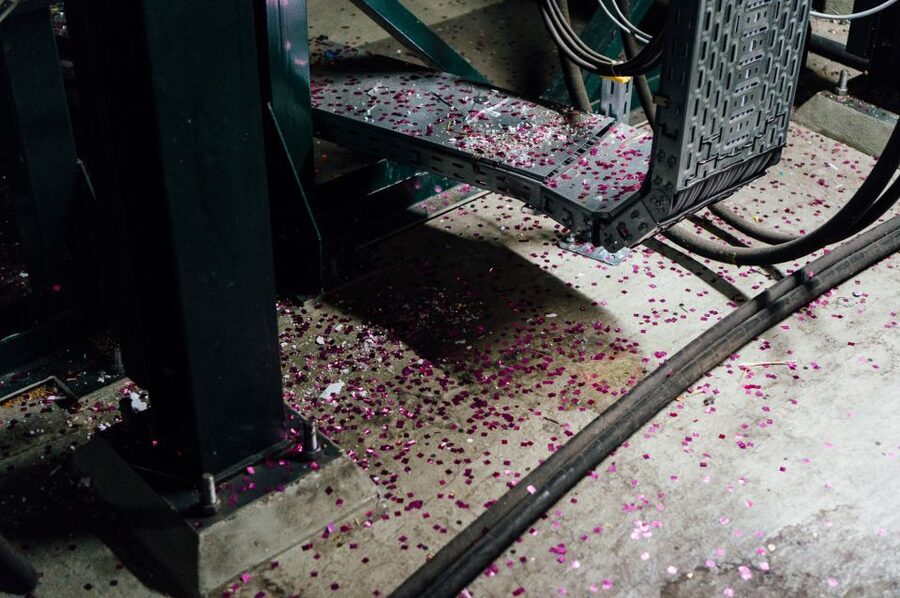
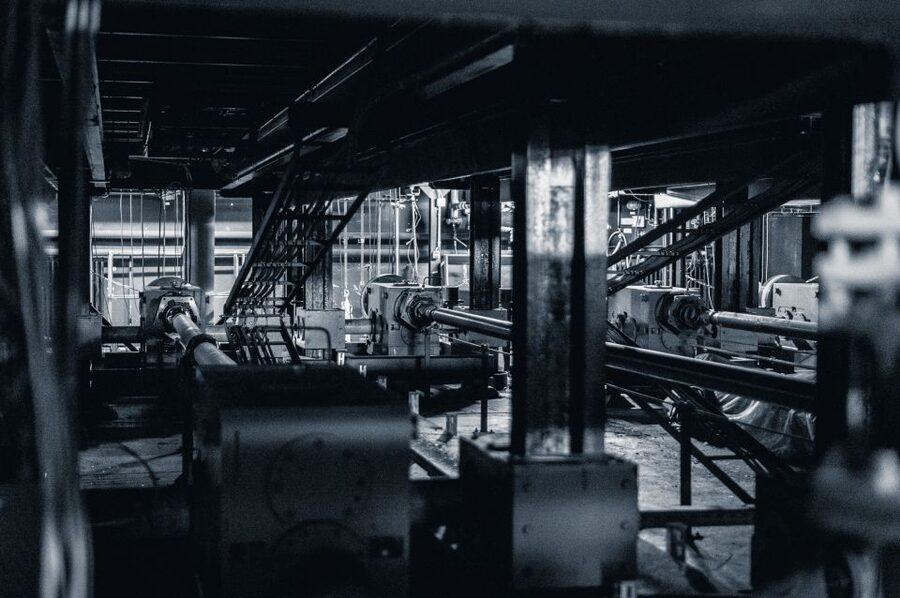
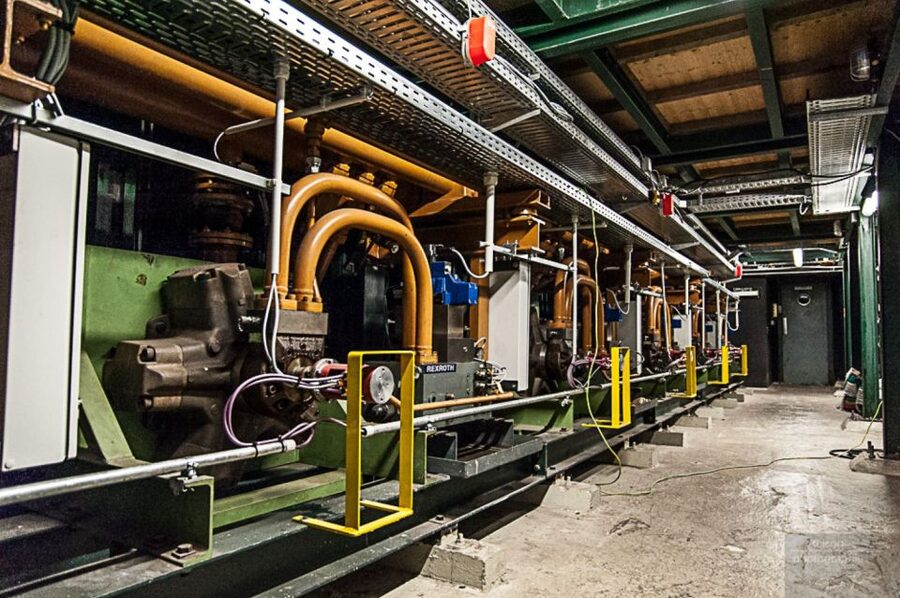
Here’s what makes it special. You’re not just looking at storage space. You’re getting access to the areas that support stage work: the theatrical machine rooms and labyrinthine corridors beneath the theater. It’s practical backstage infrastructure, but it also feels like the physical underside of performance.
One of the best details is what can happen during timing near a premiere. During evening performance setup, you may get a chance to go on and under the stage and then take in the Kulissenkeller areas below. That kind of access turns a typical theater visit into something more tactile. You see the stage as a system, not just a platform.
This is also where the guide quality matters most. Several people praised the guide’s passion and how well the guide tied what you’re seeing to the larger story around it. When you walk through backstage spaces, you can tell quickly whether the guide is simply reciting facts or genuinely enjoying the subject. The theater portion seems to be where that enthusiasm translates into your experience.
If you want one takeaway for planning, it’s this: the earlier underground segments can feel like quiet vaults, but the theater basement gives you motion, scale, and a sense of hidden purpose. That’s why it’s often the highlight.
Onward connections from Bremen:



How the tour is paced, and who will love it most
This is a 2-hour guided tour, and the time matters. It’s long enough to feel like a real experience, short enough to keep the group moving and avoid turning into a lecture marathon.
The pace also supports mixed interests:
- If you care about memory and difficult history, the synagogue cellar memorial and prison cells provide the emotional anchor.
- If you’re drawn to architecture and how buildings work, the theater basement is the practical payoff.
- If you’re curious about how one place gets reused after a bunker period, the art-venue segment adds a lighter angle without erasing the serious parts.
Who it suits best:
- You’ll enjoy it if you like guided tours that connect meaning to physical space, and you’re comfortable with tight, underground environments.
- You’ll also appreciate it if you’re a theater fan. Even if you don’t know the technical vocabulary, you’ll understand why a theater needs basements, corridors, and machine rooms.
Who might reconsider:
- If you’re expecting only dramatic prisons and underworld thrills, note that the early segments can be more about old basements and vaults in different buildings.
- If you’re already very familiar with multiple historical prison interiors or Jewish history interpretations, you may feel the first stops are more subtle than you hoped. The theater segment tends to be the strongest reward in that case.
Price and value: is $18 worth your time in Bremen?
At $18 per person for a 2-hour tour, this is strong value if you want multiple underground sites in one go. The reason it feels like good value is access: you aren’t just peeking from street level. The tour includes entry to all visited places (depending on the booked option), which is usually the biggest cost driver for sites that are normally closed.
You also get a live guide and a coherent narrative thread connecting different kinds of underworld spaces: memorial cellar, prison cells, bunker-to-art reuse, and the theater’s backstage infrastructure.
And $18 matters in practical terms. For most people, this price is the difference between taking the tour and skipping it. Here, it’s priced for you to say yes, even if you already planned a busy day in Bremen.
The main cost to you is not money, it’s attention. You’ll get the most when you lean in during explanations, especially at the memorial and prison stops. If you’re the type who likes to wander quickly without listening, you might not feel the value even if the price is fair.
Logistics that can make or break the experience
The tour is German and has a live guide, so plan around language. If you speak German comfortably, you’ll likely get the full story and all the site-specific details.
Starting times depend on availability, so check before you commit. The tour can also be subject to program changes due to organizational constraints, with alternatives provided if a location is closed. That means your plan should be flexible enough to accept swaps without feeling like you lost something.
Finally, remember the meeting point is outdoors and by the water. Give yourself a little time to locate Passage Bischofsnadel and the sculpture area around Das Ende, and keep an eye out for the guide’s StattReisen-Bremen footprints bag.
Should you book the Bremen Underworld Tour with the Cellar of the Theatre?
I’d book it if you want Bremen to feel three-dimensional. This tour gives you that rare combination of serious remembrance and real-world building function. The synagogue cellar memorial and Ostertorwache cells offer depth without needing extra imagination, because the spaces do the work. And the Theater Bremen Kulissenkeller section is where the experience often turns into the highlight, especially if timing allows you to see how performance spaces connect to the under-stage world.
Skip it or rethink if your fantasy is a single continuous underground attraction, or if you’re mainly chasing theatrical spectacle. The tour is about cellars and basements across buildings, and some early rooms may feel quieter if you have a strong preference for prisons or highly dramatic spaces.
If you like guided storytelling tied to place, though, this one is a smart, affordable use of two hours in Bremen.
FAQ
How long is the Bremen Underworld tour?
The tour lasts about 2 hours.
What is the price per person?
The price is $18 per person.
Where do I meet the guide?
Meet at the waterside of Passage Bischofsnadel, between the tunnel and the sculpture Das Ende. The guide wears a bag with the red and white StattReisen-Bremen footprints.
What language is the tour in?
The tour is conducted in German.
What’s included in the ticket?
The tour includes a guide and access to all places visited on the tour (depending on the booked option).
Is pick-up or drop-off included?
No, pick-up and drop-off are not included.
What if a site is closed on the day?
The program may change due to organizational constraints. If a location is not available, you should ask the operator, and there will always be a good alternative available.
Can I cancel for a refund?
Yes. You can cancel up to 24 hours in advance for a full refund.
Is there a reserve now, pay later option?
Yes. You can reserve now and pay later, so you can keep your travel plans flexible.
Fresh on the arrivals board for Bremen


Bremen Tours & Activities, compared.



Browse the lists this tour appears in